Rhinocort (Budesonide) – Patient Information (Australia)
Rhinocort contains budesonide, an anti-inflammatory medicine used to help relieve symptoms of allergic and non-allergic nasal conditions. It is delivered as a nasal spray and works locally in the nose to reduce swelling and irritation.
This guide explains how Rhinocort works, how to use it effectively, what to expect, and important safety information. It is written for a general audience and is not a substitute for advice from a pharmacist or healthcare professional.
Quick Facts
- Active ingredient: Budesonide
- Medicine type: Corticosteroid (anti-inflammatory) nasal spray
- Common uses: Rhinitis (hay fever/allergic rhinitis and some forms of non-allergic rhinitis)
- How it helps: Reduces inflammation in the nasal lining
- When you’ll feel better: Often within days; best effect may take up to 1–2 weeks
- Typical location of action: Nose (local effect)
Basic Product Information
Rhinocort is a branded product of budesonide for intranasal use. It is commonly available in Australia as a metered nasal spray (various pack sizes and strengths may apply depending on the product configuration).
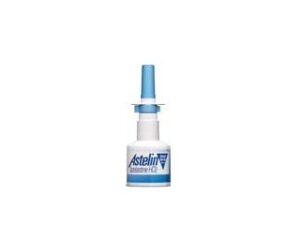
What it looks like: A nasal spray bottle that delivers a measured dose with each actuation.
Who it’s for: Adults and (in many product formats) children for suitable nasal conditions—age limits and dosing depend on the specific product strength and local product labelling.
How Rhinocort Works (Mechanism of Action)
Budesonide is a corticosteroid that helps treat nasal inflammation.
When sprayed into the nose, budesonide:
- Reduces inflammatory processes in the nasal mucosa
- Helps decrease swelling and mucus production
- Reduces release of inflammatory mediators involved in allergy-related symptoms
- Improves airflow by relieving nasal congestion
Because it acts locally, Rhinocort primarily targets symptoms such as nasal blockage, runny nose, sneezing, and itching.
Pharmacokinetics (What the Body Does With It)
Rhinocort is designed for intranasal use. A portion of the dose may be swallowed and absorbed through the gastrointestinal tract. Budesonide is metabolised mainly in the liver.
- Absorption: Absorbed through nasal tissues and, to a smaller extent, if swallowed after spraying.
- Distribution: Binds to plasma proteins and circulates systemically in small amounts.
- Metabolism: Primarily metabolised in the liver (high first-pass metabolism), resulting in lower systemic exposure than many other corticosteroids.
- Elimination: Metabolites are cleared predominantly via the kidneys and bile.
Practical meaning for patients: When used correctly as directed, systemic effects are generally lower compared with many oral corticosteroid medicines. However, careful dosing and technique matter, especially for long-term use or in children.
Typical Uses and Indications
Rhinocort is used to relieve symptoms of rhinitis, including:
- Allergic rhinitis (commonly called hay fever): sneezing, runny nose, nasal itching, and blocked nose
- Non-allergic rhinitis: chronic nasal inflammation not caused by classic allergies (specific product claims and suitability depend on the diagnosed condition)
Symptoms often overlap with other nasal conditions. If you have frequent nosebleeds, severe facial pain, thick pus-like discharge, fever, or symptoms that worsen rapidly, seek medical advice promptly.
When and How Fast It Works (Timing)
Unlike some “instant” allergy medicines, Rhinocort is an anti-inflammatory spray. That means you may need a short period for best results.
- Early relief: Some people notice improvement within 24–48 hours.
- Best effect: May take several days and can take up to 1–2 weeks for full benefit.
- Seasonal allergies: Starting before symptoms peak can improve control (for example, starting a couple of weeks before expected pollen seasons if advised).
Tip: Use it consistently as directed, even if symptoms are not improving right away.
Dosing and Administration (General Guidance)
Important: Always follow the dose on your product label or as advised by a healthcare professional. Dose can differ based on age and the exact Rhinocort product strength.
Adults (typical approach)
- Often started once daily, with dose adjusted based on symptom control.
- When symptoms improve, your clinician/pharmacist may recommend lowering to the lowest effective dose.
Children (typical approach)
- Dosing depends on the child’s age and the product’s labelled strength.
- Parents should supervise use to ensure correct technique and safety.
How to use Rhinocort correctly
Correct technique helps ensure the medicine reaches the right area of the nose and reduces side effects.
- Gently blow your nose before using the spray.
- Shake the bottle if required by the product instructions.
- Prime the pump if it is the first use or the pump hasn’t been used for a while (follow the instructions in your pack).
- Insert the nozzle into one nostril, aiming slightly outwards (toward the ear), not toward the nasal septum (the middle wall).
- Use a controlled breath in through the nose while pressing the pump.
- Repeat for the other nostril if your prescribed dose involves both sides.
- Avoid sniffing hard—a gentle inhale is usually best.
- Wipe the nozzle and keep the cap on when not in use.
Missed dose
If you miss a dose, use it when you remember unless it’s close to the next dose. Do not double up to make up for a missed dose.
Food Interactions
Food interactions are generally not expected with intranasal budesonide because the medicine is designed to act locally in the nose. A small portion may be swallowed, but typical meals are unlikely to significantly affect overall effectiveness.
To keep things simple:
- You can usually take Rhinocort with or without food.
- If you experience nausea when some spray is swallowed, you may find it helpful to use the spray away from meals and follow nasal technique carefully.
Alcohol Interactions
There is no well-established direct interaction between Rhinocort and alcohol when used as a nasal spray at recommended doses.
However, if you also take other medicines (such as antihistamines or decongestants), those individual medicines may interact with alcohol by increasing drowsiness or other side effects. Always check the labels of any combination cold/allergy treatments.
Medicine Interactions (Other Medicines)
Most patients can use Rhinocort with commonly used allergy medicines, but interactions can occur, especially with medications that affect liver metabolism.
Notable interaction considerations
- Strong CYP3A4 inhibitors (liver enzymes involved in budesonide metabolism) may increase systemic corticosteroid levels. Examples can include some antifungals and certain antibiotics used for specific infections.
- Other corticosteroids (inhaled, oral, or topical) may increase overall steroid exposure if used concurrently.
- Some allergy medicines (such as antihistamines) are often used together, but the combined treatment plan should be appropriate for symptom control.
What to do
Tell your pharmacist about:
- All medicines you currently use (including asthma inhalers, allergy tablets, and herbal supplements)
- Any recurring infections or history of steroid-related side effects
- If you are pregnant, breastfeeding, or planning pregnancy
Safety Profile and Side Effects
Rhinocort is generally well tolerated when used correctly. Because it is a steroid, careful long-term use should follow labelled directions and professional advice.
Common side effects
- Nasal irritation, burning, or stinging
- Dry nose or discomfort
- Headache
- Nosebleeds (epistaxis), especially if the spray is directed incorrectly or the nose is dry
- Sore throat or coughing (from medicine draining backward)
Seek medical advice urgently if you experience
- Signs of severe allergic reaction (rare), such as swelling of face/lips, difficulty breathing, or widespread rash
- Persistent or heavy nosebleeds
- Worsening breathing difficulties or wheeze
- Symptoms of infection (fever, severe facial pain, thick discharge) that don’t improve
Long-term use considerations
With prolonged corticosteroid exposure in the nose, some people may experience effects such as:
- More frequent nosebleeds
- Changes in nasal lining
- In children, monitoring of growth may be considered for long-term high-dose use
Practical approach: Use the lowest effective dose and review ongoing therapy regularly with a pharmacist/clinician—especially if symptoms are controlled.
Practical Use Tips for Better Results
- Use daily during symptom season (rather than only when symptoms are severe), unless advised otherwise.
- Correct nozzle direction: aim slightly outwards to reduce irritation and nosebleeds.
- Don’t sniff hard: a gentle inhale helps prevent medicine from pooling in the throat or septum.
- Manage dry nasal passages: if your nose feels dry, consider nasal moisturising practices recommended by your pharmacist (avoid decongestant overuse).
- Clean the nozzle regularly: wipe and keep it free of debris as per the instructions.
- Allow time for full effect: anti-inflammatory sprays aren’t immediate—consistent use matters.
Alternative Options (Depending on Your Symptoms)
Rhinocort is one option among several treatments for rhinitis. Alternatives may include:
- Other intranasal corticosteroids: similar class medicines (choice depends on product formulation and suitability)
- Oral antihistamines: helpful for sneezing, itching, and runny nose
- Antihistamine nasal sprays: may provide faster relief for some symptoms
- Saline rinses or sprays: can help wash away allergens and relieve congestion with low risk
- Decongestants (short-term only): may reduce blockage but can cause rebound congestion if overused
- Allergen avoidance: dust mite control, pollen management strategies, and ventilation practices
If you are unsure what fits your symptoms (seasonal vs year-round, allergic vs non-allergic), speak with a pharmacist to discuss the best combination and duration.
Australia: Market and Legal Context (General Information)
In Australia, access to medicines is managed by the Therapeutic Goods Administration (TGA) and the Australian regulatory framework. Nasal steroid sprays like budesonide are commonly available for appropriate conditions with labelling that describes indications, dosing, and consumer medicine information.
Important note: Availability may vary depending on the exact Rhinocort product strength and whether it is supplied via community pharmacy or other pathways under current regulations and listing status.
For the most accurate information for your specific pack, check the Consumer Medicine Information (CMI) included with your medicine or accessible through the product listing.
Recent Guidance and Updates (What Matters to Patients)
Allergic rhinitis management recommendations generally emphasise:
- Using intranasal corticosteroids as a first-line option for moderate to severe symptoms or persistent nasal blockage.
- Starting therapy before the peak of allergy season when feasible.
- Using the lowest effective dose after symptoms improve.
- Reviewing technique to reduce local side effects like nose irritation and nosebleeds.
Guidance may be updated from time to time by professional bodies. For the latest locally relevant recommendations, consider asking your pharmacist, especially if you are using the medicine long term or have ongoing symptoms.
Delivery and Availability (Online Pharmacy Tips)
When ordering Rhinocort from an online pharmacy:
- Check the product name and strength to ensure you select the correct version.
- Confirm pack size and dosing instructions on the label.
- Allow time for delivery—processing and shipping times vary by location.
- Store at the recommended temperature, protect from heat, and keep away from moisture.
Storage: Keep the bottle capped and follow the instructions on the pack. Generally, nasal sprays should be stored in a cool, dry place.
FAQ (Frequently Asked Questions)
1. Is Rhinocort the same as budesonide?
Yes. Rhinocort is a brand that contains the active ingredient budesonide.
2. How long does Rhinocort take to work?
Some people notice improvement in 1–2 days, but full benefit often takes several days up to 1–2 weeks. Consistent daily use is key.
3. Can I use Rhinocort every day?
Many people use intranasal corticosteroids daily during allergy seasons or periods of ongoing symptoms. Use the labelled dose and aim for the lowest effective dose once symptoms are controlled.
4. Will Rhinocort cure my allergies?
Rhinocort helps control inflammation and relieves symptoms. It typically manages symptoms rather than permanently curing allergies, although it may significantly reduce day-to-day impact.
5. What if I get nosebleeds?
Nosebleeds can occur. To reduce risk: aim the nozzle slightly outwards, avoid sniffing hard, and ensure correct technique. If nosebleeds are frequent, severe, or persistent, seek advice from a pharmacist or clinician.
6. Can I use Rhinocort with antihistamines?
Often, yes. Many people use combinations for better control of different symptoms. However, check your overall treatment plan with a pharmacist—especially if you are taking multiple allergy products.
7. Is Rhinocort safe for long-term use?
When used as directed at the lowest effective dose, intranasal corticosteroids are generally considered safe for long-term management in many patients. Ongoing use should be reviewed periodically, particularly in children or with higher dosing.
8. Are there food or alcohol interactions?
Food interactions are generally not significant for intranasal use. There is no widely established direct alcohol interaction, but alcohol may worsen tolerance of other allergy/cold medicines (like sedating antihistamines).
9. Can I use Rhinocort if I’m pregnant or breastfeeding?
Many patients can use intranasal corticosteroids when advised appropriately. If you are pregnant or breastfeeding, discuss with your healthcare professional for personalised guidance.
10. What should I do if symptoms don’t improve?
If you use Rhinocort correctly and symptoms are not improving after an appropriate trial (often 1–2 weeks), speak with a pharmacist or clinician. There may be another cause of symptoms, or your dose/approach may need adjustment.
Comparison at a Glance (Helpful Overview)
| Feature | Rhinocort (Budesonide) | Other Options (Examples) |
|---|---|---|
| Medicine type | Intranasal corticosteroid (anti-inflammatory) | Antihistamines, saline, other nasal sprays |
| Best for | Persistent nasal inflammation, congestion, ongoing rhinitis symptoms | Sneezing/itch/runny nose (antihistamines), cleaning allergens (saline) |
| Onset | Often within days; full effect may take 1–2 weeks | Some options act faster, depending on product |
| Local side effects | Nasal irritation, dryness, possible nosebleeds | Varies by medicine class |
| General food interaction | Usually none of importance | Varies by medicine |
| General alcohol interaction | No clear direct interaction for nasal spray use | May interact indirectly with sedating medicines |
References for Ongoing Patient Education
For detailed product-specific dosing and safety information, always consult the Consumer Medicine Information (CMI) supplied with your Rhinocort product, and the current guidance available through Australian health resources and professional organisations.
If you’d like, tell us your age group and the symptoms you’re targeting (e.g., congestion, sneezing, year-round vs seasonal). We can help you understand which product type and dosing approach may best match your needs.