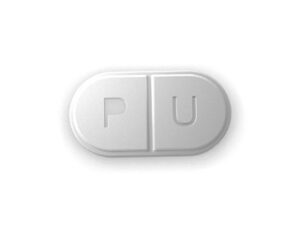
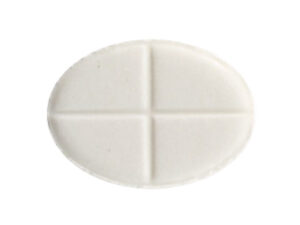
Medrol (Methylprednisolone) — Patient Information (Australia)
Medrol is a brand of methylprednisolone, a corticosteroid medicine used to reduce inflammation and calm an overactive immune response. It is commonly used for a wide range of inflammatory, allergic, autoimmune, and certain blood disorders. This guide explains how Medrol works, how it is typically used, important safety considerations, and practical tips for safe use in Australia.
Always follow the instructions provided with your medicine and consult a healthcare professional if you have questions—especially if you have complex medical conditions.
Quick overview
- Active ingredient: Methylprednisolone
- Medicine class: Corticosteroid (glucocorticoid)
- How it helps: Reduces inflammation and immune activity
- Typical forms: Oral tablets (strengths vary by product)
- Key safety points: Can affect blood sugar, blood pressure, mood, stomach, infection risk, and bone health
How Medrol works (mechanism of action)
Methylprednisolone is a synthetic glucocorticoid. It works by influencing gene expression in many tissues, leading to a decrease in inflammatory chemicals and immune signals.
In practical terms, Medrol:
- Suppresses inflammation: reduces swelling, redness, pain, and tissue damage driven by inflammatory pathways
- Modulates immune responses: helps control conditions where the immune system is overactive or misdirected
- Stabilises immune cell activity: can reduce abnormal immune cell migration and activation
- Alters metabolic effects: influences carbohydrate, fat, and protein metabolism
Because it changes immune and inflammatory activity, Medrol can bring improvement quickly in some conditions—though the overall response depends on the underlying disease and dose.
Pharmacokinetics (how the body processes Medrol)
Pharmacokinetics describes what happens to a medicine in the body—absorption, distribution, metabolism, and elimination.
- Absorption: When taken orally, methylprednisolone is absorbed through the gastrointestinal tract.
- Distribution: It distributes into body tissues and binds to plasma proteins.
- Metabolism: Predominantly metabolised in the liver (mainly via CYP enzymes).
- Elimination: Metabolites are cleared primarily by the kidneys.
- Duration of effect: Even when blood levels fall, biological effects may last longer due to how glucocorticoids influence inflammatory pathways.
Individual factors—such as age, liver function, other medicines, and the dose—can affect response and side effect risk.
Typical uses of Medrol
Medrol may be used to treat a variety of conditions where reducing inflammation or immune activity is beneficial. Common examples include:
- Allergic and inflammatory conditions: severe allergic reactions (as advised by a clinician), asthma exacerbations in specific contexts, and other hypersensitivity states
- Rheumatology and autoimmune diseases: rheumatoid arthritis flare-ups, lupus, and other inflammatory joint or connective tissue disorders
- Dermatologic conditions: severe inflammatory skin diseases (when appropriate)
- Respiratory conditions: certain inflammatory lung conditions and exacerbations
- Gastrointestinal inflammation: selected cases of inflammatory bowel disease flares
- Blood disorders: some steroid-responsive blood conditions
Important: Medrol is not appropriate for every condition, and the exact indication and dose depend on diagnosis, severity, and patient factors. Your clinician will weigh benefits vs risks.
When Medrol is started and how timing can affect outcomes
The timing of Medrol dosing can influence side effects, especially effects on natural body hormone rhythms.
- Morning dosing is often preferred: Many people do better with a once-daily dose taken in the morning (for example, with breakfast), as this can align more closely with the body’s natural cortisol rhythm.
- Multiple daily doses: If a clinician prescribes more than once daily, schedule doses to follow the provided directions.
- Do not double up: If you miss a dose, follow the advice on the medicine label or seek advice from a pharmacist.
For courses that extend beyond short-term use, clinicians may plan a taper (gradual dose reduction) to reduce withdrawal risk and allow the body time to resume normal hormone production.
Dosing overview (general guidance)
Dose varies substantially by condition, severity, and patient characteristics. Strength and regimen depend on the product you receive and the prescriber’s plan.
Factors influencing dose
- The specific diagnosis and how severe it is
- Response to previous steroid treatment
- Your age and overall health
- Other medical conditions (e.g., diabetes, peptic ulcers, infections)
- Use of interacting medicines
- Whether long-term therapy is needed
Typical regimen patterns
- Short courses: often used for acute flare-ups where rapid anti-inflammatory effect is needed
- Longer courses: may require step-down dosing and careful monitoring
- Higher doses: generally increase the risk of adverse effects, especially if used for weeks or longer
Do not change your dose without medical advice. If you have been taking Medrol for more than a short time, stopping suddenly can be unsafe. Follow your clinician’s taper schedule.
Medrol and food interactions
Food can affect comfort and, in some cases, absorption timing and stomach irritation.
- Take with food or milk if it upsets your stomach. This can reduce nausea and stomach discomfort.
- Morning dosing with breakfast is commonly recommended for single daily dosing.
- Stay consistent. Taking Medrol at the same time each day helps maintain predictable effects.
Nutrition considerations: Corticosteroids can increase appetite and may raise blood sugar. If you have diabetes or prediabetes, monitor glucose closely and discuss diet and medication adjustments with your healthcare professional.
Alcohol interactions
Medrol does not have a single universal “absolute” alcohol rule, but combining alcohol with corticosteroids can increase certain risks.
- Stomach irritation and bleeding risk: Alcohol may worsen gastritis or contribute to ulcer risk—especially in people with a history of stomach ulcers.
- Mood and sleep effects: Corticosteroids can affect mood, anxiety, and sleep; alcohol may worsen these effects or interfere with sleep quality.
- Infection risk: Steroids can reduce immune response; heavy alcohol intake may further impair immune function.
Practical tip: If you drink alcohol, keep it moderate and consider taking Medrol with food. Seek medical advice if you have ulcer disease, liver disease, or you notice unusual stomach pain, black stools, or vomiting blood.
Medicine interactions (key examples)
Medrol can interact with a range of medicines. This is especially important because methylprednisolone is metabolised by liver enzymes and can also affect how other medicines work.
Common categories of interacting medicines
- NSAIDs (e.g., ibuprofen, naproxen, diclofenac): may increase risk of stomach irritation/ulcers and bleeding when used together.
- Anticoagulants (blood thinners) such as warfarin: corticosteroids may change clotting control; closer monitoring may be needed.
- Diabetes medicines (insulin, metformin, sulfonylureas): Medrol can raise blood sugar, possibly requiring dose adjustments.
- Antihypertensives: steroids can raise blood pressure in some people, reducing effectiveness.
- Diuretics: when combined with steroids, electrolyte changes (like low potassium) may worsen.
- Antiepileptics: some medicines may affect steroid metabolism, requiring adjustments.
- Antifungals and antibiotics: some can inhibit or induce steroid metabolism (effects may increase or decrease).
- Vaccines: immune response to vaccines may change. Live vaccines may be inappropriate during significant steroid dosing.
Tell your pharmacist or doctor about all medicines you take, including non-prescription medicines, herbal products, and supplements.
Indications (what Medrol is used to treat)
Medrol is indicated for conditions responsive to glucocorticoid therapy. Indications typically include inflammatory and immune-mediated diseases.
Examples include:
- Rheumatic disorders: inflammation and flare control
- Dermatologic diseases: severe inflammatory skin conditions
- Allergic disorders: steroid-responsive hypersensitivity conditions
- Respiratory diseases: inflammatory exacerbations in appropriate cases
- Gastrointestinal inflammatory conditions: flares of steroid-responsive disease
- Haematologic (blood) conditions: certain steroid-responsive disorders
Because “indications” can vary by country product information and clinical guidelines, your healthcare professional will confirm suitability for your specific diagnosis.
Safety profile: who should be extra careful?
Medrol can be effective, but it has potential side effects—especially at higher doses and with longer duration.
Common or expected side effects
- Increased appetite
- Indigestion, stomach upset (sometimes improved by taking with food)
- Insomnia or restlessness (more likely with morning vs later dosing differences)
- Mood changes (irritability, anxiety, or mood swings)
- Fluid retention (swelling in some people)
- Raised blood sugar, especially in diabetes or prediabetes
Serious side effects—seek medical advice urgently
- Signs of infection: fever, severe sore throat, unusual cough, persistent infections
- Severe stomach pain, black/tarry stools, vomiting blood (possible ulcer/bleeding)
- Severe allergic symptoms such as facial swelling or breathing difficulty
- Vision changes or severe eye pain
- Significant mood or behaviour changes, including severe agitation or confusion
Higher risk situations
- Long-term use or high-dose therapy
- Diabetes or borderline blood sugar
- Peptic ulcer disease or history of gastrointestinal bleeding
- Uncontrolled hypertension or heart failure
- Active or recurrent infections
- Osteoporosis or risk factors for bone thinning
- Glaucoma or cataract history
- Liver impairment (may affect metabolism)
Practical use tips (day-to-day guidance)
- Use the lowest effective dose for the shortest time possible—this is a common clinical principle for corticosteroid therapy.
- Take at the same time each day. If you’re taking once daily, morning dosing with breakfast is often easier to tolerate.
- Take with food if you experience nausea or stomach discomfort.
- Do not stop suddenly if you have been on Medrol for longer than a short course—ask about tapering.
- Monitor blood sugar if you have diabetes or symptoms of high blood sugar (e.g., increased thirst or frequent urination).
- Watch for infection signs. Seek medical advice if you feel unusually unwell.
- Bone health: if prolonged therapy is expected, discuss bone protection strategies with your clinician.
- Keep an up-to-date medicine list for doctor visits and emergencies.
- Tell healthcare professionals (including dentists) you are taking a corticosteroid.
Stopping Medrol safely (tapering and withdrawal concerns)
When corticosteroids are used at moderate to high doses or for longer periods, the body’s natural adrenal production can reduce. Stopping suddenly may cause adrenal insufficiency and return/worsening of the original condition.
Do: follow your planned taper schedule if one has been provided. Don’t: stop on your own if you’ve been taking Medrol beyond a brief period.
Alternative options (what else might be used)
Your clinician may consider other corticosteroids or non-steroidal treatments depending on the condition.
Possible alternatives
- Other corticosteroids: Prednisolone, dexamethasone, or hydrocortisone (choice depends on the indication and dosing schedule)
- Inhaled corticosteroids: for specific respiratory conditions, to reduce systemic effects
- Topical corticosteroids: for certain skin conditions
- Non-steroidal anti-inflammatories or immunosuppressants: for autoimmune and inflammatory diseases where steroid-sparing strategies are appropriate
- Biologic medicines: for some autoimmune conditions when appropriate
Selection depends on diagnosis, symptom severity, previous treatments, and your personal risk profile.
Medrol in Australia: market and legal context
In Australia, medicines are regulated under the Therapeutic Goods Administration (TGA). Availability and labelling requirements can vary by product form and strength, and some corticosteroids are supplied with specific prescribing and dispensing rules. Pharmacy supply is governed by Australian requirements, including patient safety steps for medicines with significant risk/benefit considerations.
For accurate, up-to-date supply details for Medrol, check the listing on the pharmacy website or talk with a pharmacist—rules may differ based on form, strength, and current regulatory status.
Recent guidance and monitoring considerations
Australian and international clinical practice typically emphasises:
- Risk–benefit assessment before starting systemic corticosteroids
- Lowest effective dose and shortest reasonable duration
- Infection awareness, particularly in people with existing infections or recurrent infections
- Monitoring for blood glucose, blood pressure, mood/sleep changes, and gastrointestinal risk—especially for longer or higher-dose courses
- Tapering plans when discontinuation could affect adrenal function or trigger disease flare
Local advice may also consider vaccination timing and individual risk factors. Your healthcare team can help tailor the safest plan for you.
Delivery and availability (Australia)
Online pharmacies in Australia may offer delivery across metropolitan and regional areas, depending on local policies and product restrictions. Availability can vary by stock levels and strength.
- Delivery times: depend on your location and the pharmacy’s dispatch schedule.
- Packaging: medicines are typically dispatched in protective packaging with handling instructions.
- Tracking: many pharmacies provide order tracking notifications.
- Cold-chain: Medrol tablets do not generally require refrigeration unless specifically indicated for a particular product.
Tip: If you need your medicine urgently, check dispatch cut-off times and current stock availability on the product page.
Storage and handling
- Store at room temperature unless the label specifies otherwise.
- Keep in original packaging to protect from moisture and help confirm strength.
- Keep out of reach of children.
- Check expiry date before use.
FAQ — Medrol (Methylprednisolone)
1) What is Medrol used for?
Medrol is a systemic corticosteroid used to reduce inflammation and suppress an overactive immune response. It may be used for a range of inflammatory, allergic, autoimmune, and steroid-responsive blood conditions, depending on diagnosis and severity.
2) How quickly will I feel better?
Some people notice improvement within hours to a few days, especially for acute inflammatory flare-ups. Others may take longer. The timeframe depends on the condition, dose, and individual response.
3) Should I take Medrol with food?
Taking Medrol with food (or milk) can reduce stomach upset. If your label or clinician instructions specify timing, follow those first.
4) Can I drink alcohol while taking Medrol?
Moderation is important. Alcohol may increase stomach irritation and ulcer risk, and steroids can also affect mood and sleep. If you have a history of ulcers, liver disease, or significant side effects, discuss alcohol use with a pharmacist or doctor.
5) What should I do if I miss a dose?
Check the instructions on your medicine label or ask a pharmacist. In general, do not double the dose to make up for a missed tablet. The correct approach can depend on your prescribed regimen.
6) Can I stop Medrol suddenly?
Stopping suddenly may be unsafe after longer use or higher doses. Follow a taper plan if one has been provided. If you are unsure how long you’ve been taking it, speak with a clinician.
7) Does Medrol affect blood sugar?
Yes. Medrol can raise blood glucose levels. If you have diabetes or prediabetes, monitor your readings more closely and ask your healthcare professional whether your diabetes medication needs adjustment.
8) Will Medrol weaken my immune system?
Systemic corticosteroids can reduce immune response, increasing susceptibility to infections. Seek medical advice promptly if you develop fever, worsening symptoms, or signs of infection.
9) Are there interactions with other medicines?
Yes. Interactions can occur with medicines such as NSAIDs, anticoagulants, diabetes medicines, certain antibiotics/antifungals, and others. Provide a complete list of your medicines to your pharmacist for safety checks.
10) Can I get vaccinated while on Medrol?
Vaccine advice depends on dose and treatment duration. Immune response may be reduced, and live vaccines may be unsuitable during higher-dose systemic steroid therapy. Ask your healthcare provider or pharmacist for personalised advice.
Summary
Medrol (methylprednisolone) is a systemic corticosteroid used to treat steroid-responsive inflammatory and immune-mediated conditions. It works by suppressing inflammatory pathways and modulating immune activity. While it can be highly effective, it also carries potential side effects—particularly with higher doses or longer treatment—such as raised blood sugar, stomach irritation, mood changes, and increased infection risk. Safe use involves following the prescribed regimen, taking doses at the recommended times (often with morning/food considerations), avoiding sudden stopping when long-term therapy is involved, and staying alert to signs of complications.
If you have any concerns about your condition, side effects, or possible drug interactions, a pharmacist in Australia can help you understand how to take Medrol safely and what to watch for.