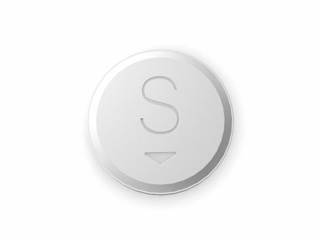
Dydrogesterone (Dydrogesterone Tablets) — Patient Information (Australia)
Dydrogesterone is a medicine used to treat certain hormone-related conditions. It contains the active ingredient dydrogesterone, which is a progestogen (a hormone used mainly to oppose the effects of oestrogen on the lining of the uterus). This guide is written to be patient-friendly and focuses on how dydrogesterone works, how it is used, key safety information, and practical tips.
1) Basic product information
- Active ingredient: Dydrogesterone
- Medicine type: Progestogen
- Common form: Oral tablets
- How it works: Helps stabilise or protect the uterine lining (endometrium) when oestrogen is present
- Typical use areas: Women’s reproductive hormone conditions and hormone therapy support
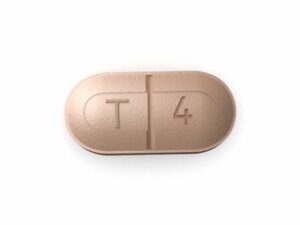
Brand names vary by manufacturer. If you have a specific brand, check the pack for strength (e.g., mg per tablet) and follow the instructions provided with your product.
2) How dydrogesterone works (mechanism of action)
Dydrogesterone is a synthetic progestogen. Its primary role is to provide the “progestogen effect” in the body—especially within the uterus. When oestrogen stimulates the endometrium, progestogens help:
- Balance hormone effects: They counteract excessive growth of the endometrial lining
- Support regular shedding: They help make bleeding patterns more regular in appropriate conditions
- Stabilise the endometrium: They reduce the risk of endometrial overgrowth when used alongside oestrogen
- Influence reproductive tract changes: They can assist with conditions related to insufficient progestogen activity
In people receiving combined hormone therapy, dydrogesterone is used to help protect the endometrium from the effects of oestrogen.
3) Pharmacokinetics (how the body absorbs and processes it)
“Pharmacokinetics” describes how the body absorbs, distributes, metabolises, and clears a medicine. While exact numbers can vary by individual factors and product formulation, the general pattern for dydrogesterone is:
- Absorption: After oral dosing, dydrogesterone is absorbed through the gut.
- Metabolism: It is extensively metabolised, mainly by liver enzyme systems.
- Active metabolite: Dydrogesterone is converted to metabolites (notably 20-dihydrodydrogesterone), which contribute to progestogenic effects.
- Elimination: Metabolites are eliminated primarily via the urine.
- Half-life: The biological half-life supports once- or multiple-daily dosing depending on the prescribed regimen.
Because metabolism involves liver processing, it is important to use dydrogesterone exactly as directed and discuss liver problems with your healthcare professional.
4) Typical uses (indications)
Dydrogesterone is used for a range of hormone-related conditions, particularly those involving progestogen deficiency or the need to oppose oestrogen’s effects on the endometrium. Indications can vary based on the product, local guidance, and your medical history.
Common clinical uses may include:
- Endometriosis (to help reduce oestrogen-driven endometrial activity)
- Abnormal uterine bleeding or bleeding related to hormonal imbalance
- Premenstrual syndrome (PMS) in some situations (where a progestogen is appropriate)
- Infertility due to luteal insufficiency (progestogen support in selected cases)
- Threatened miscarriage or recurrent miscarriage support in selected circumstances, as advised by clinicians
- Hormone therapy with oestrogen in menopausal care for endometrial protection (in people with a uterus)
- Irregular menstrual cycles related to hormonal patterns
If you’re using dydrogesterone as part of menopausal hormone therapy, it’s particularly important to confirm you’re using the correct combination to protect the endometrium.
5) When to take it (timing and dosing schedule)
Dydrogesterone dosing schedules depend on the specific condition being treated, the strength of the tablets, and your personal hormone plan. Some regimens involve dosing once or twice daily; others may involve different patterns across the month or cycle.
General timing tips:
- Try to take it at the same times each day. Consistency helps maintain hormone levels.
- Whether with or without food usually isn’t a major issue. (See food interactions section below.)
- Follow the cycle instructions if your regimen is cycle-based. The number of days per cycle matters.
Example patterns (illustrative): Some conditions are treated with dosing during specific parts of the menstrual cycle, while menopausal endometrial protection regimens often follow a fixed schedule. Always rely on the directions for your specific product and condition.
6) Dosing guidance (how doses are typically structured)
Dosing depends on the condition. The sections below describe common structures seen with dydrogesterone regimens, rather than a one-size-fits-all dose. Your healthcare professional or product instructions will specify the exact amount and duration for your situation.
| Condition (typical use) | How dosing may be structured | Important notes |
|---|---|---|
| Hormonal imbalance / abnormal bleeding | Often multiple doses per day for a defined period | Continue only for the planned duration; do not extend without advice |
| Endometriosis | Usually daily dosing for a planned cycle period | Track pain and bleeding changes; discuss if symptoms worsen |
| Luteal support in selected fertility situations | Often started at a specific cycle stage and continued for a defined window | Adherence to timing can be important for effectiveness |
| Threatened miscarriage / recurrent miscarriage support (selected circumstances) | Can involve dosing multiple times per day, following a structured plan | Seek urgent medical attention if heavy bleeding, severe pain, or other concerns occur |
| Menopausal hormone therapy (with oestrogen) for endometrial protection | Regimen may be continuous or sequential depending on the plan | Ensuring endometrial protection is essential when a uterus is present |
Do not change your dose unless directed. If you miss a dose, refer to the product information and follow the advice given by a healthcare professional or pharmacist.
7) Food interactions (do I need to take it with food?)
Dydrogesterone tablets are generally not highly dependent on meals. Many patients can take dydrogesterone with or without food. However, taking it consistently the same way each day can help you build a reliable routine.
- With food: May reduce stomach discomfort for some people.
- Without food: Usually acceptable, but ensure you feel well after taking it.
If you experience nausea or stomach upset, you may find taking your dose with a meal or snack helps. Seek advice if symptoms persist.
8) Alcohol and medicine interactions
Alcohol can affect individuals differently, especially if used in larger amounts or if liver function is impaired. While there is no single universal rule that alcohol always “interacts” with dydrogesterone, it’s sensible to consider the following:
- Moderation is recommended. If you choose to drink, keep alcohol intake low to moderate.
- Watch for dizziness or drowsiness (if you feel unwell, avoid driving or operating machinery).
- Liver considerations: If you have liver disease, alcohol use should be discussed with a clinician before combining with hormone medicines.
General interaction principle: Always mention alcohol intake to your healthcare professional, and disclose all medicines you take (including herbal supplements).
9) Safety profile (who should be cautious and what to watch for)
Like all medicines, dydrogesterone can cause side effects. Most are mild and improve with time, but some symptoms require prompt medical assessment. The safety profile can depend on the dose, duration, and whether dydrogesterone is used alone or as part of combined therapy.
Common or mild side effects
- Nausea or mild stomach discomfort
- Breast tenderness or changes
- Headache
- Fluid retention or bloating
- Mood changes (varies by person)
- Changes in bleeding pattern early in treatment
Seek urgent medical help if you develop
These symptoms may indicate serious problems that require immediate attention, particularly when hormones are involved.
- Signs of a blood clot (e.g., sudden shortness of breath, chest pain, coughing blood)
- Sudden leg swelling or pain (especially in one leg)
- Severe headaches, vision changes, or weakness on one side
- Severe abdominal pain or jaundice (yellowing of skin/eyes)
- Unusual heavy vaginal bleeding
Who should discuss use carefully with a clinician
- People with a history of clotting disorders or certain cardiovascular conditions
- Those with current or prior hormone-sensitive cancers
- People with significant liver impairment
- Pregnancy-related concerns where symptoms require assessment
- Anyone with persistent abnormal bleeding that doesn’t improve
If you have any history of serious conditions, it’s important to review risk factors with a healthcare professional before starting.
10) Practical use tips (to get the best results)
- Use a daily reminder: Phone alarms, calendar reminders, or blister pack tracking can reduce missed doses.
- Keep the same routine: Taking it at the same time each day helps maintain consistency.
- Track bleeding and symptoms: Note any changes in bleeding, pain, or side effects. This can help clinicians adjust plans if needed.
- Don’t stop abruptly if it’s part of a structured regimen: Many hormone plans depend on the correct duration and timing.
- Keep a current medication list: Include all prescriptions, over-the-counter medicines, and supplements.
- Check storage: Store as directed on the pack (typically at controlled room temperature, away from heat and moisture).
11) Alternative options
The “best” alternative depends on the condition being treated and your health history. Options may include other progestogens, different hormone therapy regimens, or non-hormonal treatments.
Examples of alternatives that may be considered (depending on indication):
- Other progestogens: Such as progesterone (formulations vary), or other synthetic progestins
- Combined hormone therapy adjustments: If used for menopausal symptoms, adjustments to oestrogen/progestogen regimens may be considered
- Non-hormonal symptom management: For certain symptoms, lifestyle and non-hormonal medicines may be appropriate
- Procedural or supportive options: In some conditions (e.g., endometriosis), additional medical or surgical approaches may be discussed
Discuss alternatives with a healthcare professional, particularly if you have side effects or are concerned about risk factors.
12) Market and legal context for Australia
In Australia, medicines are regulated under the Therapeutic Goods Administration (TGA). Availability depends on whether the product is listed on the Australian Register of Therapeutic Goods and the medicine’s scheduling status. Pharmacy supply and online sale must comply with Australian regulations on dispensing and supply of therapeutic goods.
Many hormone medicines are supplied through prescription channels, and requirements can vary between products and strengths. For the specific product you order, your pharmacy will provide the correct supply process and documentation as required under Australian law.
If you have questions about eligibility, product status, or how an online order is processed, check the pharmacy’s ordering information page and the product’s label/pack instructions.
13) Recent guidance and updates
Hormone-related therapy guidance can evolve as new safety information and clinical evidence emerges. In Australia, clinicians and pharmacists commonly refer to:
- TGA product information and safety updates
- Australian clinical practice guidance for hormone therapy and women’s health
- Local prescribing standards and screening recommendations (where relevant)
For the most accurate, up-to-date approach to starting or continuing dydrogesterone, it’s important to rely on current product information and advice from your healthcare professional.
14) Delivery and availability (online pharmacy)
Online pharmacies in Australia typically offer several delivery options depending on location and stock availability. Availability can vary by brand, strength, and whether the product is in stock.
- In-stock items: Often dispatched quickly (timing varies by pharmacy and courier service)
- Backorders: Some orders may take longer if stock needs replenishing
- Packaging: Medicines are usually packed to protect tablets from damage during transit
- Delivery locations: Coverage depends on state/territory and courier routes
When placing an order, review: estimated delivery times, delivery fees, and refund/return policies shown at checkout.
15) Frequently Asked Questions (FAQ)
How long will it take to notice results?
It depends on the reason you’re taking dydrogesterone. Some people notice changes in bleeding patterns or symptom control within the first cycle or weeks, while others require longer. If there is no improvement after an expected timeframe, contact a healthcare professional for review.
What if I miss a dose?
If you miss a dose, follow the advice in the product information for missed doses. In general, it’s best not to double up unless instructed. If you’re unsure, ask your pharmacist for guidance based on your dosing schedule.
Can I take dydrogesterone during meals?
Yes, it’s usually fine to take dydrogesterone with or without food. Many people find taking it with a meal helps avoid stomach upset.
Is dydrogesterone only for pregnancy-related concerns?
No. Dydrogesterone is used for several hormone-related conditions, including endometriosis, abnormal uterine bleeding, and menopausal hormone therapy support to protect the endometrium (in people with a uterus).
Can I drink alcohol while using dydrogesterone?
Moderate alcohol intake may be acceptable for many people, but it’s sensible to avoid heavy drinking. If you have liver problems or notice side effects after alcohol, discuss with a healthcare professional.
Does dydrogesterone cause weight gain?
Weight changes can occur for many reasons, including water retention or hormonal changes. Some people experience bloating or fluid retention. If you notice rapid or concerning weight gain or swelling, seek medical advice.
Can I take other medicines at the same time?
Many medicines can be taken with dydrogesterone, but interactions can occur. Provide your pharmacy and clinician with a complete list of medicines, including over-the-counter products and supplements.
What should I do if I experience abnormal bleeding?
Mild spotting or changes can happen early in treatment. However, persistent or heavy bleeding, or bleeding with pain or other concerning symptoms, should be assessed. Seek urgent help if you have heavy bleeding or symptoms such as dizziness or severe pain.
How should I store dydrogesterone?
Store your tablets as directed on the pack, typically at room temperature, away from heat, moisture, and out of reach of children. Keep the blister or bottle in its original packaging when possible.
Is dydrogesterone used for menopause symptoms?
Dydrogesterone may be used as part of menopausal hormone therapy to protect the endometrium when oestrogen is also used. Your regimen should be designed to match your individual risk factors and uterine status.
16) Summary
Dydrogesterone is a progestogen medicine used to treat a range of hormone-related conditions. It works by supporting the balance between oestrogen and progestogen effects—particularly by helping protect the uterine lining when oestrogen is present. Dosing schedules vary by condition, and adherence to the planned timing is important.
If you have questions about suitability, side effects, missed doses, or how to take it alongside other medicines, speak with a pharmacist or healthcare professional. For online orders in Australia, ensure you review product details, availability, and delivery information at checkout.