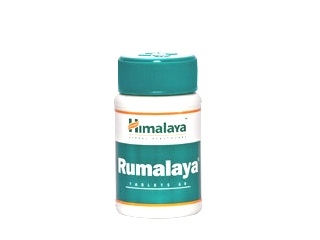
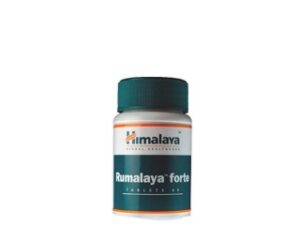
Rumalaya (Australia) — Patient-Friendly Information
Rumalaya is a herbal medicine widely used in Australia for the temporary relief of pain and stiffness associated with musculoskeletal conditions, such as arthritis and joint discomfort. This page explains how Rumalaya works, how it is used, what to expect, and important safety considerations.
Note: Always read the product label and follow the directions provided by the manufacturer or your healthcare professional. If your symptoms worsen or do not improve, seek medical advice.
Basic product information
| Feature | What to know |
|---|---|
| Common name | Rumalaya |
| Type | Herbal pain-relief medicine (brand name product) |
| Typical form | Oral capsules or tablets (availability may vary by brand/size) |
| Common use | Helps temporarily relieve pain, stiffness and inflammation-related discomfort in joints and muscles |
| Who it may suit | Adults seeking non-prescription options for mild to moderate joint discomfort |
| Regulatory status (general) | Generally sold as an OTC (over-the-counter) herbal medicine depending on product formulation and listing |
Important: Specific ingredients and dosing can differ between Rumalaya product versions and pack sizes. Always check your exact product’s active ingredients and directions for use.
What is Rumalaya used for?
Rumalaya is commonly used for the temporary relief of pain and stiffness related to conditions such as:
- Arthritis (including osteoarthritis-type discomfort)
- Joint pain and stiffness
- Muscle and joint aches
- General inflammatory discomfort in musculoskeletal conditions
It is not intended to cure underlying diseases. If you have symptoms that are severe, progressive, or accompanied by fever, marked swelling, or sudden onset, consult a healthcare professional promptly.
How Rumalaya works (mechanism of action)
Rumalaya contains herbal ingredients designed to help reduce pain and stiffness. While the precise mechanism may vary by formulation, herbal anti-inflammatory and analgesic effects typically involve:
- Anti-inflammatory activity: may help reduce inflammatory mediators involved in pain and swelling.
- Pain-modulating effects: herbal components may help ease discomfort in joints and surrounding tissues.
- Support during movement: by reducing stiffness, it may improve comfort during everyday activity.
What to expect: Many people notice benefits over days to weeks rather than instantly. Consistent use as directed may be important for evaluating effectiveness.
Pharmacokinetics (how the body handles Rumalaya)
Pharmacokinetics describes how a medicine is absorbed, distributed, metabolised, and eliminated. For many herbal products, detailed pharmacokinetic data may be limited and can vary depending on ingredient standardisation and individual factors.
In general, for oral herbal pain-relief products like Rumalaya:
- Absorption: active herbal constituents are absorbed through the gastrointestinal tract.
- Distribution: compounds may distribute into tissues, including those involved in musculoskeletal discomfort.
- Metabolism: herbal constituents are typically metabolised by the liver and other pathways.
- Elimination: metabolites are eliminated primarily via urine and/or bile.
If you have liver or kidney disease, are elderly, or take multiple medicines, it’s especially important to discuss suitability with a pharmacist or healthcare professional.
Typical use and indications
Rumalaya is typically used for temporary symptomatic relief of:
- Joint pain and related discomfort
- Stiffness and reduced mobility
- Arthritis-related aches
- Musculoskeletal pain that is mild to moderate
It may be used alongside non-drug strategies such as gentle exercise, stretching, heat/cold therapy, and maintaining a healthy activity routine.
Dosing — how to take Rumalaya
Follow the label: Dosage can differ between Rumalaya brands and pack strengths. Always check your specific product directions.
General guidance (typical OTC use):
- Adults commonly take the labelled dose one to three times daily, depending on the product instructions.
- Many people use Rumalaya as a course for symptom control, reassessing benefits after a period of consistent use.
Timing:
- Take Rumalaya at consistent times each day.
- For some people, taking it with food can reduce the chance of stomach upset (see “Food interactions” below).
If you miss a dose, take it when you remember unless it is close to your next dose. Do not take double the dose.
When to take Rumalaya (timing and duration)
Because Rumalaya is used for ongoing symptom relief, timing is usually about comfort control throughout the day.
- Morning: helpful if stiffness is worse on waking.
- Midday/afternoon: may support daytime activity comfort.
- Evening: can help with night-time aches and morning stiffness.
Suggested approach:
- Use it according to the label for an initial trial period.
- If you see no improvement after a reasonable trial (as per the product instructions), consult a pharmacist or clinician for advice.
Food interactions
Food interactions with herbal medicines can be modest, but they matter for tolerability and absorption.
- Taking with food: may reduce stomach discomfort for some people.
- Taking on an empty stomach: may be acceptable for certain formulations, but can increase the chance of nausea or indigestion in sensitive individuals.
- High-fat meals: may affect absorption of some herbal constituents. If you notice variability, take it consistently with or without food.
Practical tip: If the label doesn’t specify, consider taking Rumalaya with a meal to support comfortable digestion.
Alcohol interactions and lifestyle considerations
While Rumalaya is herbal, combining it with alcohol can increase strain on the body—particularly the digestive system and liver metabolism pathways.
- Avoid heavy alcohol intake while taking Rumalaya.
- If you plan to drink alcohol, consider whether you can do so in moderation and ensure you’re well-hydrated.
- Stop and seek advice if you develop unusual symptoms such as rash, severe stomach pain, yellowing of the skin/eyes (jaundice), or persistent nausea/vomiting.
Medicine safety note: If you have a history of liver problems or drink alcohol regularly, check with a healthcare professional before using Rumalaya.
Medicine interactions (including common categories)
Herbal medicines can interact with other drugs through metabolism and effects on inflammation, blood clotting, blood sugar, and the gastrointestinal system. Not all interactions are fully characterised for each ingredient.
Seek professional advice before use if you take:
- Anticoagulants / antiplatelet medicines (e.g., warfarin, apixaban, rivaroxaban, clopidogrel)
- Anti-inflammatory pain medicines or frequent NSAID use (e.g., ibuprofen, naproxen, diclofenac)
- Diabetes medicines (risk of changes in blood sugar control)
- Blood pressure medicines (possible additive effects through circulation and hydration changes)
- Immunosuppressants or medicines affecting immune function
- Other herbal supplements (e.g., turmeric/curcumin, ginger, resveratrol, additional anti-inflammatory blends)
- Liver-metabolised medicines (many drugs rely on liver enzymes; herbal constituents can sometimes influence these pathways)
General approach:
- Keep a list of all medicines and supplements you take.
- Ask a pharmacist if Rumalaya is suitable alongside your current regimen.
- Start one new product at a time when possible so you can identify side effects.
Safety profile — who should be cautious?
Like all medicines, Rumalaya can cause side effects in some people. Most people tolerate herbal products well when taken as directed, but reactions can occur.
Possible side effects
- Gastrointestinal upset: nausea, indigestion, stomach discomfort, diarrhoea
- Headache or dizziness (less common)
- Allergic reactions: rash, itching, swelling, shortness of breath
Seek urgent help if you experience symptoms of a serious allergic reaction.
When to avoid or get advice first
- Pregnancy or breastfeeding: speak with a healthcare professional before use.
- Children: safety depends on formulation and age guidance; follow product label directions strictly.
- Liver disease: caution is advised, especially with regular alcohol intake.
- History of allergies to herbal ingredients.
- Use of blood-thinning medicines: consider interaction risk.
- Planned surgery: discuss with your clinician, particularly if you are also taking other anti-inflammatory or supplement products.
Long-term use
Herbal medicines are often used for symptom management. If you need ongoing treatment beyond the timeframe suggested on the label, it’s wise to review your condition with a pharmacist or clinician, especially if pain is persistent or worsening.
Practical use tips for best results
- Be consistent: take it at the same times each day as directed.
- Track symptoms: note pain/stiffness levels before starting and after 1–2 weeks to judge benefit.
- Combine with movement: gentle mobility and stretching can complement pain relief.
- Use heat or cold: many people find heat helps stiffness and cold helps flare-ups.
- Avoid doubling up: don’t take multiple pain-relief herbal products at the same time unless advised.
- Check product details: ensure the ingredient list and strength match your needs.
If you stop: Rumalaya is used for relief. If it helps, you may continue as directed on the label. If it doesn’t, or symptoms change, seek advice.
Alternative options (Australia)
If Rumalaya is not suitable or doesn’t provide adequate relief, there are other options commonly used in Australia for joint and musculoskeletal discomfort. These include:
- Topical anti-inflammatory gels (e.g., diclofenac-based products) for localised pain
- Oral analgesics such as paracetamol (where appropriate)
- NSAIDs (e.g., ibuprofen/naproxen) for inflammatory pain—use carefully, especially if you have stomach, kidney, heart, or blood-thinning risks
- Physiotherapy and exercise therapy (often key for long-term joint function)
- Heat/cold therapy and supportive devices (e.g., braces, ergonomic footwear)
- Other herbal supplements (e.g., turmeric/curcumin blends), noting that supplements can also interact with medications
Your pharmacist can help you compare options based on your symptoms, medical history, and current medicines.
Market and legal context for Australia
In Australia, medicines and health products are regulated under the Therapeutic Goods Administration (TGA) framework. Many herbal products are supplied either as listed medicines (for certain lower-risk indications) or as registered medicines, depending on their formulation and claims. Product availability may vary by brand and whether a specific product is listed/approved for sale in Australia.
For online purchasing, reputable sellers provide:
- Accurate product information and directions for use
- Correct labelling, pack sizes, and active ingredient details
- Compliance with Australian import and retail requirements
Recent guidance: While specific, brand-level advice may change, current consumer safety expectations typically include clear labelling, quality control, and consumer awareness of potential interactions—particularly when taking other medicines or having pre-existing conditions.
Recent guidance and important updates to consider
Because herbal products can vary by manufacturer, it’s important to rely on the latest product label and any updates provided by the supplier. In Australia, consumer health guidance often emphasises:
- Check interactions with medicines (especially anticoagulants, immunosuppressants, and liver-metabolised drugs)
- Monitor symptoms and seek professional advice if pain worsens
- Be cautious with multiple products containing overlapping herbal ingredients
- Report adverse effects if they occur
If you’re unsure about how Rumalaya fits with your health conditions, a pharmacist can help you make a safer, more informed choice.
Delivery and availability in Australia
Rumalaya is commonly available through online pharmacies and selected retail outlets. Availability can depend on pack size and current stock levels.
- Dispatch times: typically same day or within 1–2 business days (varies by seller)
- Delivery Australia-wide: standard shipping options are usually available
- Tracking: many shipments include tracking updates
- Stock changes: herbal product supply may vary seasonally or due to manufacturer availability
For the most accurate estimate, check the product page for current delivery options, costs, and estimated timeframes.
FAQ — Frequently asked questions
1) How long does it take for Rumalaya to work?
Many people notice improvement over several days to a couple of weeks. If you don’t notice any benefit after a period consistent with the label directions, consider speaking to a pharmacist for guidance.
2) Can I take Rumalaya with other pain medicines?
Sometimes it may be possible, but it depends on the medicines involved and your health conditions. Because interactions can occur, especially with anti-inflammatory drugs and blood-thinners, ask a pharmacist before combining products.
3) Should I take Rumalaya with food?
Food can affect how comfortable it is to take the medicine. If you experience stomach upset, taking it with a meal may help. If the label provides specific instructions, follow those first.
4) Is Rumalaya safe for everyone?
No. People who are pregnant or breastfeeding, have liver disease, have known allergies to herbal ingredients, or take anticoagulant/immune-modifying medicines should check with a healthcare professional before use.
5) Can I drink alcohol while using Rumalaya?
Moderate, occasional alcohol may be tolerated by some people, but heavy alcohol intake is not recommended. If you have liver concerns or experience side effects, avoid alcohol and seek advice.
6) What if I miss a dose?
Take it when you remember unless it’s close to your next dose. Do not take a double dose to make up for a missed one.
7) Are there any red flags that mean I should stop and seek help?
Stop use and seek medical advice urgently if you develop signs of allergy (swelling, rash, breathing difficulty), severe stomach pain, persistent vomiting, or symptoms such as yellowing of the skin/eyes.
8) Is Rumalaya a substitute for medical assessment of arthritis?
Rumalaya is used for symptom relief. If you have arthritis with severe symptoms, rapidly worsening pain, major swelling, or unexplained systemic symptoms, it’s important to consult a clinician for a proper assessment.
9) How should I store Rumalaya?
Store as directed on the packaging (typically at room temperature away from moisture and direct sunlight). Keep out of reach of children.
Summary
Rumalaya is an herbal medicine commonly used in Australia to provide temporary relief of joint pain, stiffness, and musculoskeletal discomfort. When taken as directed and monitored for tolerance, it may help improve everyday mobility and comfort. Always review the product label for exact ingredients and dosing, and consult a pharmacist if you are taking other medicines, have liver concerns, or have allergy risks.
Need help choosing? If you tell us about your symptoms and any current medicines you take, a pharmacist can help you confirm safe, appropriate use.