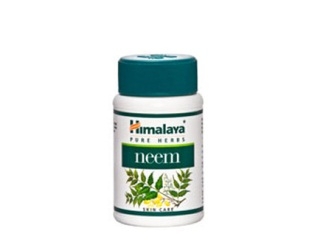
Neem (Azadirachta indica) – Patient Information Guide (Australia)
Neem is a natural product derived from the neem tree (Azadirachta indica). In Australia, neem-containing supplements are commonly used to support everyday wellness, including skin and hair support, and to help maintain a healthy immune response. This guide explains how neem is used, what research suggests about how it may work, practical tips for safe use, and important information on interactions and availability in Australia.
Product formulations vary widely (for example, capsules, tablets, powders, or topical products). Always check the label for the specific ingredient form (leaf, oil, bark, or seed), standardisation, and the recommended serving size.
Quick Summary
- What it is: A supplement made from neem tree parts (commonly leaf or seed/ oil derivatives, depending on the product).
- Common uses: Skin and hair support, general wellness, and antioxidant-related support.
- How it may work: Neem contains natural compounds (such as azadirachtin and other limonoids) that may influence inflammation, oxidative stress, and microbial balance.
- Typical timing: Often taken daily with food to improve tolerance (follow your product label).
- Safety note: Neem oil and high-dose seed extracts can be more risky. Use products made for oral consumption and follow dosing directions carefully.
- Interactions: Neem may affect blood sugar in some people and may have effects on the immune system. Caution is advised with diabetes medicines and immunosuppressants.
Basic Product Information
| Category | Details |
|---|---|
| Active source | Neem tree (Azadirachta indica) leaves, seed derivatives, or other parts (varies by product) |
| Common dosage forms | Capsules, tablets, powders; some products are topical (skin use) |
| Typical content | Neem extract or powder, sometimes standardised to neem limonoids or azadirachtin content |
| Intended role | Dietary supplement / complementary support (label dependent) |
| Who should be extra cautious | Pregnant or trying to conceive, breastfeeding individuals, children, those on immunosuppressants, and people with chronic conditions |
Mechanism of Action (How Neem May Work)
Neem contains multiple naturally occurring compounds. While research is still developing, several mechanisms have been proposed for neem’s potential effects:
- Anti-inflammatory support: Neem compounds may help reduce inflammatory signalling pathways and support a balanced inflammatory response.
- Antioxidant effects: Neem contains polyphenols and limonoids that may help protect cells from oxidative stress.
- Microbial balance: Neem has been studied for activity against certain microbes in lab settings, which may be relevant to skin and oral wellness products.
- Immune system modulation: Some evidence suggests neem may influence immune-related pathways, though the direction and clinical relevance can vary.
Importantly, different neem products are not the same. Oils, leaf extracts, and seed extracts can differ greatly in potency and safety profile. For this reason, always use the specific product and dose described on the label.
Pharmacokinetics (What’s Known About Absorption and Processing)
“Pharmacokinetics” describes how the body absorbs, distributes, metabolises, and eliminates a substance. For neem, detailed pharmacokinetic studies in humans are limited, and results may differ by extract type and standardisation.
- Absorption: Neem constituents may be absorbed variably depending on the chemical form (for example, extract vs powder).
- Distribution: Some active compounds may distribute to tissues, particularly where supportive effects are claimed (such as skin), but human data are limited.
- Metabolism: Plant compounds are typically metabolised by liver enzymes and other metabolic pathways; the exact pathways for neem constituents are not fully established.
- Elimination: Metabolites are generally excreted via bile and/or urine. The rate can vary between people and formulations.
Practical takeaway: Because human pharmacokinetic data are incomplete, it’s best to rely on the dose on your product label and monitor your response, rather than extrapolating from animal or laboratory findings.
Typical Use in Australia
Neem supplements are often used as part of a complementary health routine. Common reasons people choose neem include:
- Skin support: Some people use neem for general skin wellness (for example, to complement moisturising and hygiene practices).
- Hair and scalp support: Neem is sometimes used in hair care routines (especially in topical formulations; oral use varies by product).
- Everyday immune wellness: Neem is frequently marketed for antioxidant and immune-support style benefits.
- Seasonal wellness: People sometimes take it during periods when they want additional general support.
Neem products may carry complementary health claims depending on their ingredients and regulatory pathway. Always check the product label for approved or permitted claims for your specific product.
Indications (Label-Based Use)
In Australia, “indications” for supplements usually refer to the intended use described on the label. Neem is typically positioned for:
- Antioxidant support
- Skin and hair wellness support (depending on formulation)
- General wellness/ immune system support
If you are considering neem for a specific health condition, such as infections, chronic inflammation, or gut issues, discuss your situation with a qualified healthcare professional—especially if you take other medicines.
Dosing (How Much to Take)
Dose recommendations depend heavily on the product’s strength (mg per capsule/tablet) and whether it is leaf extract, oil derivative, or another form. For safety and consistency:
- Follow your product label exactly.
- Do not use neem oil taken by mouth unless the product is specifically formulated and labelled for oral use by a reputable manufacturer.
- Start low: If you’re new to neem, consider beginning with the lowest suggested serving and increase only if your body tolerates it.
Example dosing patterns (not a substitute for your label): Many oral neem supplements are taken once daily or divided doses daily. Common label ranges may be in the range of a few hundred milligrams per day for leaf extracts, but exact values vary widely.
If you miss a dose, do not double to catch up. Take the next dose at the usual time.
Timing: When to Take Neem
Neem may be easier to tolerate when taken with food. A common approach is:
- With a meal: Helps reduce the chance of mild stomach upset.
- Consistency: Taking it at the same time each day supports routine and easier tracking of effects.
If your label specifies “take on an empty stomach” (less common), follow that instruction. Otherwise, start with with food.
Food Interactions (What to Watch With Meals)
There is no universally established “food interaction” for neem as there is for some prescription medicines. However, because neem products are plant-based and may irritate the stomach for some people:
- Take with food if you experience nausea, heartburn, or stomach discomfort.
- Avoid taking with very heavy or greasy meals if you notice digestive side effects (individual responses differ).
- Grapefruit and similar foods: In the absence of specific evidence for neem, there are no consistent, confirmed restrictions. Use caution if you are on medicines known to interact with grapefruit and speak with a healthcare professional.
Always check the label for specific directions and consider spacing neem from other supplements if you have sensitive digestion.
Alcohol and Medicine Interactions
Alcohol
There is limited direct evidence about the interaction between neem and alcohol. However, because supplements can sometimes affect the stomach or cause mild dizziness or headache in some users, it is wise to:
- Limit alcohol while trying a new supplement.
- Stop if you notice increased stomach upset or unusual symptoms after combining alcohol and neem.
Interactions With Medicines
Neem may interact with medications via effects on inflammation, immune signalling, and metabolic pathways. Human interaction studies are limited, so use caution and seek advice if you take regular medicines.
- Diabetes medicines: Neem may influence blood sugar in some people. If you take insulin or diabetes tablets, monitor for signs of low or high blood sugar and consult a healthcare professional.
- Immunosuppressants or immune-modulating medicines: If you take medicines that alter immune function, talk to a healthcare professional before using neem.
- Blood-thinning medicines: There is not definitive evidence for neem causing clinically important effects on clotting, but because plant compounds can sometimes influence bleeding risk, caution is reasonable—especially if you take warfarin or other anticoagulants.
- Anti-inflammatory medicines: There may be additive effects on inflammatory pathways. Monitor your response and talk to a clinician if you are on long-term treatment.
- Liver-related concerns: If you have liver disease or take medicines that affect the liver, discuss with a healthcare professional. Avoid high doses and choose reputable products.
Tip: Keep a list of all your supplements and medicines and review it with your pharmacist or doctor, particularly if you are planning long-term use.
Safety Profile (Who Should Avoid Neem and Common Side Effects)
Neem is a natural product, but “natural” does not automatically mean “safe for everyone.” Safety depends strongly on:
- the part of the plant used (leaf vs seed-derived products),
- the extract strength,
- the dose,
- your health status (for example pregnancy, liver health), and
- other medicines you take.
Possible side effects
- Stomach upset (nausea, abdominal discomfort, heartburn)
- Headache or dizziness in some individuals
- Allergic reactions (rare): rash, itching, swelling—stop immediately if these occur
- Changes in blood sugar (especially if you have diabetes or take glucose-lowering medicines)
- Changes in immune-related symptoms (rare, but caution is important with immune-altering treatments)
Who should be extra cautious or avoid neem
- Pregnancy: Avoid unless your healthcare professional advises otherwise. Neem has been associated with risks in traditional and preclinical contexts, and pregnancy safety data for oral neem supplements are not strong.
- Trying to conceive: Consider avoiding neem and discuss options with a healthcare professional.
- Breastfeeding: Avoid unless a healthcare professional advises otherwise.
- Children: Safety in children is not well-established. Use only under professional guidance.
- People with liver disease or history of liver problems: talk to a healthcare professional before use.
- Those taking immune-modulating or diabetes medications: discuss first due to potential interaction risks.
Special caution: neem oil
Neem oil (especially from seeds) is not the same as neem leaf extract supplements. Oral neem oil can be more risky and is associated with higher toxicity potential. Only use products specifically formulated and labelled for the route of administration you intend (oral vs topical).
Practical Use Tips (How to Get the Best Out of Neem Safely)
- Choose the right product: Prefer reputable brands with clear ingredient lists, standardisation information, and manufacturing quality standards.
- Check the active source: Leaf extract vs seed-derived components can have very different safety profiles. Use the product intended for oral consumption (if taking by mouth).
- Start gradually: Begin with the lowest recommended serving to check tolerance.
- Give it time: For wellness and skin/hair routines, consistent daily use over several weeks may be more meaningful than short trial periods.
- Track effects: Note any changes in digestion, skin, energy, or sleep. Stop and seek advice if you develop persistent or concerning symptoms.
- Keep your routine simple: Avoid stacking multiple “detox” or strong herbal regimens at the same time to make it easier to identify side effects.
- Topical vs oral: If your goal is skin support, topical neem products may align better with the intended use. If you choose oral neem, ensure you select an oral-safe formulation.
Alternative Options (If Neem Isn’t the Right Fit)
Depending on your goal, there are other complementary options. Alternatives should be selected based on the specific benefit you’re targeting and your health conditions.
- For general antioxidant support: Consider vitamin C, vitamin E, or polyphenol-rich supplements (label dependent).
- For skin wellness: Products containing niacinamide, ceramides, or omega-3 fatty acids may be appropriate depending on your skin needs.
- For immune wellness: Zinc, vitamin D (if deficient), or elderberry-style products are commonly used—always check for interactions and dosing.
- For topical scalp/skin concerns: Look for moisturisers, gentle cleansers, and dermatologist-recommended ingredients; topical neem products may be considered but patch testing is advised.
If you have a specific condition (for example eczema, acne, psoriasis, recurrent infections), seek tailored advice rather than relying on supplements alone.
Market and Legal Context for Australia
In Australia, supplements are regulated under the Australian regulatory framework. Many neem products are sold as dietary supplements or complementary products, and the claims allowed on labels must comply with Australian standards.
- Product classification: Neem is generally sold as a complementary therapy/dietary supplement rather than a medicine for treating disease.
- Label claims: Only permitted health claims may appear on packaging and online listings. Claims must be substantiated and not misleading.
- Quality and consistency: Reputable suppliers aim for consistent manufacturing practices and clear labelling of ingredients and directions for use.
- Safety monitoring: Adverse event reporting exists in Australia. If you experience side effects, contact your healthcare professional.
Because the regulatory status and permitted claims can vary by product, always check the exact details of the product you plan to buy.
Recent Guidance and Practical Considerations
Guidance around herbal supplements evolves over time. Common recent themes in supplement advice include:
- Choose reputable brands with transparent labelling and manufacturing practices.
- Be cautious with high-risk plant derivatives (especially oils and concentrated seed extracts).
- Watch for interactions with chronic medicines (particularly diabetes and immune-modulating therapies).
- Stop and seek help if side effects occur, especially allergic reactions or persistent digestive symptoms.
For the most up-to-date public health guidance, you can also consult official Australian health information sources or speak with a pharmacist.
Delivery and Availability (Australia)
Neem supplements are widely available in Australia through online pharmacies and health retailers. Availability can differ by:
- Formulation type: leaf extract vs other preparations
- Pack size and strength
- Regulatory status and permitted label claims
- Stock rotation
When ordering online, you can typically expect:
- Fast processing during business days
- Tracking and delivery updates (depending on the provider)
- Secure packaging to protect supplements from moisture
Storage: Store neem products in a cool, dry place, away from direct sunlight. Keep out of reach of children. Check the expiry date on arrival and follow “use by” guidance.
FAQ (Frequently Asked Questions)
1) What is neem commonly used for?
Neem supplements are often used for general wellness and skin or hair support, depending on the product’s label and ingredient form. People commonly choose neem for antioxidant-related support.
2) How long does neem take to work?
For wellness and skin-related goals, it may take several weeks of consistent use to notice changes. If you don’t feel any benefit after a reasonable period (as guided by the product label), reassess whether it’s suitable for you.
3) Should I take neem with food?
Many people find neem more comfortable when taken with food. If your label says otherwise, follow the label instructions.
4) Can I take neem with other supplements?
You can often take neem alongside other supplements, but it’s wise to avoid stacking many new products at once. If you’re taking multiple herbal products, monitor for side effects and consult your pharmacist if you are unsure.
5) Is neem safe for everyone?
No. People who are pregnant, breastfeeding, children, and those using immune-modulating or diabetes medicines should use caution or avoid neem unless advised by a healthcare professional.
6) What about neem oil—can I take it by mouth?
Only take neem oil by mouth if the product is specifically formulated and labelled for oral use. Many neem oils are intended for topical use, and seed-derived oils can be more risky if taken incorrectly.
7) Are there interactions with diabetes medicines?
Neem may affect blood sugar in some individuals. If you use insulin or diabetes medication, speak with a healthcare professional and monitor your blood glucose closely.
8) Does neem cause liver problems?
Serious liver problems are not commonly reported with typical supplement use, but definitive safety data are limited. If you have liver disease or take liver-affecting medicines, consult a healthcare professional and avoid exceeding label dosing.
9) Can I drink alcohol while taking neem?
There is limited direct evidence for a harmful interaction. Still, it’s prudent to limit alcohol and watch for increased stomach upset or other unusual symptoms.
10) What should I do if I experience side effects?
Stop using neem and seek medical advice if you have persistent symptoms, severe stomach upset, rash, swelling, or signs of an allergic reaction. If symptoms are mild, consult a pharmacist for guidance.
Important Closing Notes
Neem may be a helpful complementary supplement for some people, particularly as part of a consistent wellness routine. However, product quality, dosing, and individual health status matter greatly. Always read your product label, choose a reputable brand, and check interactions—especially if you take medicines for diabetes, immune conditions, or blood clotting.
If you have questions about which neem product is right for your needs or whether it may interact with your current medicines, a pharmacist can help you make a safe, informed decision.