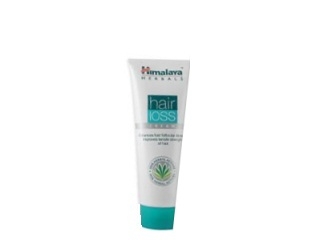

Hair Loss Cream
Hair Loss Cream is a topical treatment designed to help manage hair thinning and support healthier-looking hair in adults experiencing pattern hair loss (including male and female pattern hair loss). Applied directly to the scalp, it works where hair growth needs support. This page explains how it works, how to use it safely and effectively, what to expect over time, and key interactions and precautions.
Please read the product label and Australian Consumer Medicine Information (if provided) before use. If you have questions, speak with a doctor or pharmacist—especially if you’re pregnant, breastfeeding, or using other medicines.
Quick Overview
- Product type: Topical hair loss treatment (cream)
- Target area: Scalp
- Who it may suit: Adults with pattern hair loss (male or female pattern hair loss)
- How it’s used: Applied to the scalp at regular intervals
- When results may appear: Usually after several months of consistent use
- Key safety focus: Scalp irritation, correct dosing, and interaction considerations
Basic Product Information
Hair Loss Cream is intended for external use on the scalp to address hair thinning. While the exact formulation can vary by brand, topical hair regrowth therapies typically include an active ingredient that supports the hair growth cycle and helps convert resting hair follicles toward active growth.
If your product contains a specific active ingredient (for example, a growth-supporting agent), always confirm details on the packaging for: strength, dose per application, and how often to use.
What you’ll find on your label
- Active ingredient(s) and strength
- Directions for use (how many times per day)
- Who it is intended for
- Storage instructions
- Precautions and warnings
How Hair Loss Cream Works (Mechanism of Action)
Hair Loss Cream helps with pattern hair loss by supporting the hair growth cycle at the level of the hair follicle. In many topical hair regrowth products, the active ingredient works to:
- Stimulate hair follicles and encourage the shift from resting to growing phases
- Increase the likelihood of thicker, stronger-looking hair over time
- Improve visible scalp coverage in areas affected by thinning
Results vary between individuals. Consistent use is important because the hair cycle changes gradually. When treatment is stopped, the benefit may reduce over time.
Pharmacokinetics (How the Body Handles It)
As a topical product, systemic absorption is generally limited compared with oral medicines. However, some absorption can occur through the scalp. How much is absorbed depends on factors such as dose, application technique, scalp condition (for example, irritation or broken skin), and whether the scalp is freshly washed.
Key points to know
- Local action: Most effects are expected at the scalp and within the hair follicle area.
- Limited systemic absorption: Topical absorption is typically low but not zero.
- Metabolism and elimination: Any absorbed drug is processed by the body and eliminated mainly through normal routes (the specific pathways depend on the active ingredient).
- Consistency matters: Steady, repeated use supports gradual improvement rather than immediate results.
If you have kidney or liver conditions or you’re taking multiple medicines, speak to a pharmacist for advice tailored to your situation.
Indications (What It’s Used For)
Hair Loss Cream is intended for the treatment of hair thinning associated with pattern hair loss. It may be used for:
- Male pattern hair loss (androgenetic alopecia)
- Female pattern hair loss (androgenetic alopecia)
It is not intended for sudden hair shedding due to other causes (such as stress-related shedding, nutritional deficiencies, scalp infections, or autoimmune conditions). If you notice patchy bald spots, redness, scaling, pain, or sudden shedding, seek medical advice promptly.
Typical Use and Timing
When to apply
Use Hair Loss Cream consistently according to the label instructions. Many topical hair regrowth products are used:
- Once daily, or
- Twice daily
Your product’s instructions will specify the correct schedule. Choose a routine you can maintain (for example, morning and evening).
How to apply for best absorption
- Apply to a dry scalp (unless the label directs otherwise).
- Use the recommended amount and distribute it evenly over thinning areas.
- Wash your hands after application.
- Avoid getting the cream in your eyes, mouth, or on broken skin.
How long until you see changes?
Hair regrowth treatments typically take time. Many people notice changes gradually:
- Early phase: Some may experience increased shedding in the first few weeks (this can be part of the hair cycle change).
- Ongoing phase: Improvements in thickness and coverage may begin after a few months.
- Full assessment: A meaningful response is often evaluated after at least 3–6 months of consistent use.
If you’re not seeing any benefit after the recommended trial period, discuss options with a pharmacist or doctor.
Dosing (Adult Guidance)
Follow your product label for exact dosing. Dosing for hair loss creams depends on the active ingredient and strength. Do not increase the amount or frequency beyond the recommended instructions, as this may raise the risk of side effects.
General dosing principles
- Use the exact measured amount (for example, per actuation or per application, depending on packaging).
- Apply to the affected scalp areas rather than randomly across the scalp.
- Maintain a regular schedule. If you miss a dose, apply it when you remember unless it’s close to the next dose. Do not double up.
Table: Example application schedule
The following table is an example format only. Always use the schedule provided on your product label.
| Situation | Typical timing | What to do |
|---|---|---|
| Start of treatment | Every day | Apply at the same times each day (e.g., morning and evening) for consistency. |
| Missed application | When remembered | Apply once when you remember, unless it’s close to the next scheduled dose. |
| Assessment of results | After 3–6 months | Review changes in thickness/coverage rather than judging after only a few weeks. |
Practical Use Tips (Make It Easier and More Effective)
- Part your hair: Use a clean comb or your fingers to expose the scalp and apply directly to thinning areas.
- Give it time to dry: Let the cream dry before styling your hair or touching the area.
- Be consistent: Skipping doses can reduce effectiveness.
- Track progress: Take photos in the same lighting and angles once every 1–2 months to monitor changes.
- Use gentle scalp care: Avoid harsh exfoliants or aggressive chemical treatments while your scalp is adjusting.
- Wash hands thoroughly: Prevent accidental contact with eyes or face.
If your scalp becomes very irritated, painful, or shows signs of an allergic reaction, stop using the product and consult a pharmacist or doctor.
Food Interactions
Because Hair Loss Cream is applied to the scalp, direct food interactions are not typically expected. Topical absorption is generally limited.
However, for best overall safety, avoid using new supplements or changing your diet drastically during the initial trial period without discussing with a health professional—hair loss can also be influenced by overall health, iron levels, thyroid function, and protein intake.
Alcohol and Medicine Interactions
Alcohol
There is usually no direct alcohol–topical interaction expected. However, if your product contains alcohol in the base or has potential to irritate the scalp, heavy use of alcohol-containing hair products or frequent scalp exposure may worsen dryness or irritation.
- Consider reducing other scalp-irritating products during treatment.
- If you experience burning or redness, stop and seek advice.
Other medicines
Topical treatments may have fewer interactions than oral medicines, but interactions can still be possible depending on systemic absorption and the active ingredient. Tell your pharmacist about all medicines and supplements you use, including:
- Cardiovascular medicines
- Blood pressure medicines
- Other hair treatments (topical or oral)
- Any recent starting, stopping, or dose changes
Some topical hair regrowth actives have known interaction considerations with drugs that affect circulation or blood pressure. Your pharmacist can check your specific medicine list against the active ingredient in your Hair Loss Cream.
Safety Profile and Side Effects
Most people tolerate Hair Loss Cream well when used as directed. Side effects are usually related to the scalp and local application. Report severe or persistent symptoms.
Common side effects
- Scalp irritation (itching, redness, dryness)
- Dryness or flaking
- Headache (in some people)
- Initial shedding (possible in the first weeks as the hair cycle changes)
Less common but serious reactions
Seek urgent medical advice if you develop symptoms suggesting a severe allergic reaction or systemic effects.
- Swelling of the face/lips
- Hives or widespread rash
- Difficulty breathing
- Chest pain, dizziness, fainting, or rapid heartbeat (depending on the active ingredient)
When to stop and get advice
- Your scalp becomes severely inflamed or blistered
- You experience persistent burning or pain
- You notice severe swelling, rash, or breathing difficulties
- You suspect you have used too much or more frequently than directed
Who should use extra caution?
- People with sensitive skin or history of allergic reactions
- Those with existing scalp conditions (eczema, psoriasis, dermatitis)
- People with cardiovascular conditions or who take blood pressure medicines
- Anyone who is pregnant or breastfeeding should consult a healthcare professional before use
Alternative Options (Other Ways to Support Hair Thinning)
If Hair Loss Cream isn’t suitable for you, or if you’d like additional options, there are several approaches commonly considered in Australia:
Topical alternatives
- Other topical growth-support treatments: Different formulations (foam/solution/cream) with similar goals may be available.
- Scalp care products: Gentle anti-dandruff shampoos or scalp soothing products may help if irritation or flaking is present. They don’t replace growth treatments but can improve comfort.
Oral options
Some people discuss oral treatments with a doctor for appropriate hair loss patterns. These options can involve more systemic considerations and need professional guidance.
Non-medicine options
- Low-level laser therapy (LLLT): Some devices are marketed for hair growth support. Consider evidence, safety, and cost.
- Hair restoration procedures: Such as hair transplant surgery, typically considered for long-term solutions.
- Lifestyle and nutrition: Ensure adequate protein, manage stress, and address deficiencies if present.
Hair loss can have multiple causes, so if you’re unsure whether your shedding is pattern hair loss, it can help to get a diagnosis.
Market and Legal Context for Australia
Hair loss treatments sold in Australia are typically regulated under Australian frameworks for medicines and therapeutic goods. Depending on the active ingredient and strength, products may be supplied as:
- Listed medicines (lower risk, used in accordance with directions), or
- Pharmacy-only products, or
- Other regulated categories depending on formulation and intended use.
Requirements may also include packaging standards, consumer information, and product-specific warnings. Always choose reputable sellers and products that display appropriate Australian labelling.
Recent guidance: In recent years, regulatory and professional guidance in Australia has emphasised:
- Using hair loss treatments as directed and assessing response over an adequate timeframe
- Understanding that hair regrowth is gradual and often maintenance is needed
- Paying attention to scalp reactions and discontinuing if severe irritation occurs
- Consulting healthcare professionals when symptoms are atypical or sudden
For personalised guidance, a pharmacist can help ensure the product you choose aligns with your situation and your current medicines.
Delivery and Availability
Hair Loss Cream is available through online pharmacies in Australia (availability may vary by brand and stock levels). We aim to dispatch orders promptly and deliver to eligible areas across Australia.
What to expect
- Secure packaging to protect the product during transit
- Tracking options where available
- Clear delivery timeframes shown during checkout
Delivery times can vary depending on location and carrier schedules. If you have urgent requirements, check the estimated delivery window at checkout or contact customer support.
Storage and Handling
- Store at the recommended temperature on the label.
- Keep the container tightly closed.
- Keep away from children.
- Do not use after the expiry date.
- Avoid storing in direct sunlight or in very hot places (such as inside a car).
Frequently Asked Questions (FAQ)
1. How soon will I see results?
Hair growth changes are gradual. Many people notice improvements in thickness or coverage after 3–6 months of consistent use. If you experience initial shedding early on, it can be part of the hair cycle transition.
2. What if I stop using Hair Loss Cream?
If treatment is stopped, the benefit may gradually reduce as hair cycles return to their previous pattern. Consistent use is typically needed to maintain results—discuss plans with a pharmacist or doctor if you’re considering stopping.
3. Can I use it with other hair products?
You can usually continue routine hair washing and styling, but apply Hair Loss Cream to a dry scalp and allow it to dry before styling. Avoid combining it with harsh scalp treatments or products that increase irritation.
4. Should I apply it to my whole scalp or only thinning areas?
Apply to the areas where thinning is most noticeable, unless your label advises otherwise. Using the recommended amount and distributing it properly helps target the treatment.
5. What if I miss a dose?
Apply when you remember if it’s not too close to the next dose. Do not use extra cream to “catch up.” Stick to your usual schedule.
6. Is it safe for sensitive scalps?
It can be suitable for many people, but sensitive scalps may react with itching or redness. If you experience persistent burning, severe irritation, or signs of allergy, stop and seek advice.
7. Will Hair Loss Cream work if my hair loss is due to another cause?
Hair Loss Cream is designed for pattern hair loss. If your hair loss is sudden, patchy, accompanied by scalp pain or significant scaling, you may need a different approach. Consider professional assessment to identify the cause.
8. Does it interact with alcohol or my medicines?
Direct alcohol interactions are not typically expected with topical use. However, tell your pharmacist about all medicines and supplements you take, especially if you take blood pressure or cardiovascular medicines, as interactions can depend on the active ingredient and systemic absorption.
9. Can I use it during pregnancy or breastfeeding?
Safety for pregnancy and breastfeeding depends on the active ingredient and individual circumstances. It’s best to consult a healthcare professional before use.
10. Is the cream better than foam or solution?
Different formulations may feel different on the scalp and can suit different hair types or routines. The most important factor is using the correct strength and dosing schedule for your specific product.
Important Safety Reminder
This information is provided for general educational purposes and does not replace advice from your pharmacist or doctor. If you experience severe side effects, worsening symptoms, or signs of allergic reaction, stop using the product and seek medical care.
If you’d like, you can share the exact active ingredient and strength listed on your Hair Loss Cream packaging, and I can help you confirm how to use it and what to watch for based on the product’s specific directions.