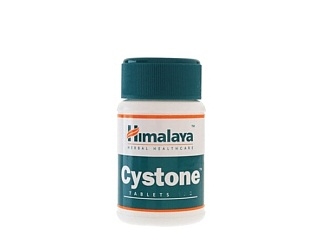
Cystone (Cystone Tablets) – Patient-Friendly Guide for Australia
Cystone is an herbal/alternative medicine product commonly used for urinary tract health. It is marketed in Australia as a supportive option for people who want help with urinary discomfort and bladder health. This guide explains what Cystone is, how it may work, how it is typically used, and important safety and interaction considerations.
Note: Always read the product label carefully and check with a healthcare professional if you have existing medical conditions, are pregnant or breastfeeding, or take other medicines.
Basic product information
| Category | Details |
|---|---|
| Product name | Cystone (commonly supplied as tablets) |
| Type of medicine | Traditional/herbal-type urinary tract support (formulation varies by brand/market) |
| Typical uses | Support for urinary comfort and bladder/urinary system health |
| How it’s taken | Oral (swallowed with water, usually after meals—follow your label) |
| Key considerations | Hydration, timing with food, interactions with other medicines |
| Availability | Sold via pharmacies and online retailers in Australia depending on supply |
Ingredients: Cystone formulations can differ by batch or supplier. For the most accurate and up-to-date information, check the ingredients and directions on your specific pack (including tablet strength and excipients).
How Cystone may work (mechanism of action)
Cystone is designed to support the urinary tract. While exact mechanisms can vary with the specific formulation, products in this category are commonly associated with the following supportive actions:
- Urinary comfort support: May help soothe mild urinary discomfort associated with irritated bladder/urinary tract conditions.
- Diuretic-like effect (gentle): Some herbal urinary support formulas are intended to encourage more frequent urination, which can help flush the urinary system.
- Anti-inflammatory support: Ingredients may help calm irritation and inflammation in the urinary tract lining.
- Anti-spasmodic/relaxing support: By supporting bladder comfort, it may reduce cramping sensations for some users.
- Crystallisation/stone-related support (traditional use): Some users take similar products to help reduce the likelihood of mineral build-up. This should be viewed as supportive, not a guaranteed “stone dissolver.”
Important: Cystone is not intended to replace urgent medical care. If you have severe symptoms, fever, flank pain, blood in urine, or symptoms worsening quickly, seek medical advice promptly.
Pharmacokinetics (how the body handles the product)
Pharmacokinetics describe absorption, distribution, metabolism, and excretion. For herbal/traditional products like Cystone, detailed pharmacokinetic data for every ingredient may not be available in the public domain. In general:
- Absorption: Active compounds from herbal ingredients are absorbed to varying degrees after oral use.
- Metabolism: Herbal components are typically metabolised in the liver and other tissues; different ingredients may follow different metabolic pathways.
- Excretion: Metabolites are generally eliminated through the kidneys and/or the gastrointestinal tract.
- Onset of effect: Some people notice comfort improvements within days, while others may require longer, depending on the cause of symptoms and consistency of use.
Practical takeaway: Because pharmacokinetic profiles may be complex and ingredient-specific, follow the dosing schedule on the pack and give it time to work—unless symptoms clearly worsen or fail to improve.
Typical use and common indications
Cystone is commonly used as a supportive medicine for urinary tract comfort. People may use it for:
- Mild urinary discomfort (for example, burning or irritation associated with bladder irritation)
- Urinary tract health maintenance as part of a broader self-care routine
- Support during recurring mild bladder symptoms (where appropriate and advised by a healthcare professional)
- Traditional support for mineral/stone concerns (viewed as supportive rather than curative)
Not for emergencies: If you suspect a serious infection or have severe pain, fever, or feeling unwell, do not rely on Cystone alone.
When to take Cystone (timing)
Follow the dosing directions on your specific Cystone pack. As a general guide for urinary support products:
- Take with water (a full glass if advised).
- Consistency matters: Taking it at the same times each day may improve adherence.
- Often taken after meals: Many urinary comfort formulas are recommended after food to improve tolerability.
How long to take it: Use durations vary by reason for taking the product. If you do not notice improvement within the timeframe stated on the pack (or within a few days for mild symptoms), seek advice.
Dosing (how much to take)
Always check your product label for the exact dose. Formulations may differ by country, supplier, or version of the brand.
Typical dosing patterns seen for urinary supportive tablet products may include:
- Adults: Usually taken in divided doses (e.g., morning and evening), often after meals.
- Children: Only use if specifically recommended for the child’s age on the label or by a healthcare professional.
If you miss a dose:
- Take it when you remember if it is close to the next scheduled dose.
- If it’s near the next dose, skip the missed dose and continue as normal.
- Do not double dose.
Food interactions
Cystone is typically intended to be taken with or after food. Food interactions are often less pronounced with herbal/alternative tablets than with some prescription medicines, but these considerations still apply:
- General guidance: Following label instructions (commonly after meals) helps reduce stomach upset for some people.
- Stomach sensitivity: If you have a sensitive stomach, taking with meals may improve comfort.
- Avoid extreme timing differences: Try not to take it on an empty stomach unless the label specifically allows it.
Hydration is key: Drinking adequate water supports bladder flushing and may improve symptom relief alongside taking Cystone.
Alcohol interactions and safety
There is no universal “alcohol + Cystone” interaction for every herbal ingredient. However, combining alcohol with any urinary tract treatment may worsen symptoms by:
- Dehydrating the body, which can make urine more concentrated and irritating.
- Increasing bladder irritation in some people.
- Potentially affecting tolerance (e.g., nausea or dizziness) when using multiple products.
Patient-friendly advice:
- Limit alcohol while you’re experiencing urinary discomfort.
- If you do drink, ensure you maintain good hydration and stop if symptoms worsen.
Medicine interactions (including common OTC and supplements)
Interaction potential depends on the exact formulation and your overall medication list. Even when a product is “herbal,” it can still interact with other treatments.
Tell your pharmacist or doctor about:
- Medicines for bladder control or urinary symptoms
- Any diuretics (water tablets)
- Medicines affecting liver enzymes (some herbal ingredients may theoretically influence metabolism)
- Other herbal supplements (especially those for kidneys/urinary health)
- Anticoagulants/antiplatelet medicines (where relevant—ask for personalised advice)
Practical safety approach:
- Do not start multiple urinary-support products at once unless advised.
- Maintain consistent dosing and monitor symptom changes.
- If you experience unexpected side effects, stop and seek advice.
Safety profile and side effects
Most people tolerate Cystone well when taken as directed. However, like all medicines, it can cause side effects in some individuals.
Common/possible side effects
- Mild gastrointestinal upset (nausea, stomach discomfort)
- Loose stools or changes in bowel habits in some users
- Headache (uncommon)
Allergy and intolerance
Stop use and seek medical advice if you experience signs of an allergic reaction, such as:
- Swelling of lips/face
- Breathing difficulties
- Widespread rash or hives
When to avoid or seek advice before use
- Pregnancy or breastfeeding: Check label suitability and ask a pharmacist/doctor.
- Severe kidney disease: Seek medical advice.
- Recurrent or complicated urinary infections: Need proper assessment rather than self-treatment only.
- Known bladder stones or severe flank pain: Require medical evaluation.
Seek urgent care if you have:
- Fever or chills
- Severe back/side (flank) pain
- Blood in urine
- Symptoms rapidly worsening
- Vomiting or feeling very unwell
Practical use tips (getting the best results)
- Start early with mild symptoms: If symptoms are mild and consistent with bladder irritation, early supportive care may help. If they worsen, get medical help.
- Hydrate: Drink water regularly throughout the day unless your healthcare provider has restricted fluids.
- Avoid bladder irritants: Consider reducing coffee/tea, alcohol, and very acidic drinks if they trigger discomfort.
- Don’t “mask” serious infection: If you suspect an infection and symptoms persist or intensify, medical review is important.
- Track symptoms: Note onset, severity, frequency of urination, burning, and any blood/foul odour.
- Use consistently: Follow the dosing schedule rather than taking only when symptoms peak.
Alternative options (depending on your needs)
There are multiple ways to support urinary comfort in Australia. The best choice depends on symptom cause (e.g., irritation, dehydration, infection, or other bladder conditions).
Non-medicine measures
- Increase fluids (water) to support bladder flushing
- Urinating regularly (avoid holding urine for long periods)
- Heat therapy (e.g., warm compress) for lower abdominal discomfort
Other complementary/supportive options
- Cranberry-based products (commonly used for urinary tract support)
- Urinary alkalinising agents (where appropriate and suitable for your situation)
- Probiotics (may be considered in some recurrence-prone cases)
When to consider medical evaluation instead of alternatives
- Symptoms last more than a few days without improvement
- Recurrent infections or frequent episodes
- Fever, back pain, or pregnancy
- Male urinary symptoms (often require tailored assessment)
Tip: If you’re unsure whether your symptoms are bladder irritation or a likely infection, ask a pharmacist for guidance and consider a clinical assessment if warning signs are present.
Australia market and legal context (what you should expect)
In Australia, medicines and therapeutic products are regulated by the Therapeutic Goods Administration (TGA). Products sold as medicines must meet relevant Australian regulatory requirements. Many urinary support products are classified as:
- Registered medicines (when they are evaluated for quality, safety, and efficacy to regulatory standards), or
- Listed medicines / complementary medicines (with requirements that differ from registered products).
What this means for you: Look for the specific information on your pack, such as the product’s Australian regulatory status, batch details, and directions for use. If you’re unsure, your pharmacist can help you interpret the label.
Recent guidance and trends: In recent years, Australia has increasingly emphasised:
- Appropriate assessment of urinary symptoms (to reduce delays in treating serious infections)
- Antibiotic stewardship for suspected infections (where applicable)
- Clear consumer information about when self-care is appropriate and when to seek help
Because guidance can evolve, it’s wise to check the product label and discuss persistent symptoms with a healthcare professional.
Delivery, availability, and how to buy online in Australia
Availability of Cystone may vary depending on current supply. Many online pharmacies and retailers in Australia offer:
- Home delivery to metro and regional areas (subject to carrier and stock availability)
- Standard and express shipping options in some cases
- Batch/expiry information on product listings (where provided)
Before ordering:
- Confirm the exact product name and pack size.
- Check the expiry date shown for the specific batch if available.
- Review the directions for use on the label images.
Delivery expectations: Processing times vary by retailer and location. If you need your order urgently, choose express options where available and contact customer support for stock confirmation.
FAQ about Cystone
1) What is Cystone used for?
Cystone is commonly used for supportive urinary tract health, including mild urinary discomfort and bladder comfort. It’s intended for supportive use—if symptoms are severe or accompanied by fever or back pain, seek medical advice urgently.
2) How do I take Cystone tablets?
Follow the instructions on your pack. Many people take it by mouth with water, commonly after meals. Keep doses consistent and complete the course described on the label.
3) When will I feel better?
Some people notice improvement within a few days, while others may take longer. If there’s no improvement within the timeframe on the label (or symptoms worsen), stop self-care and seek advice.
4) Can I take Cystone with food?
Yes. It is commonly recommended to take urinary support tablets with or after meals. Always follow the label directions for best tolerance and effectiveness.
5) Are there interactions with alcohol?
Alcohol may irritate the bladder and contribute to dehydration, which can worsen urinary discomfort. It’s best to limit alcohol while you have symptoms and maintain good hydration.
6) Can I take Cystone with other medicines?
Often this may be possible, but interactions depend on your other medications and the exact formulation. Tell your pharmacist or doctor about all medicines and supplements you take, especially diuretics and other urinary-tract products.
7) Is Cystone suitable for everyone?
Not necessarily. Check the label for age suitability and warnings. If you are pregnant, breastfeeding, have kidney disease, or have complicated urinary symptoms, seek professional advice before using.
8) What side effects should I watch for?
Possible side effects may include mild gastrointestinal upset. Stop use and seek medical help if you develop signs of an allergic reaction (such as swelling or rash) or if symptoms worsen.
9) What if my symptoms keep coming back?
Recurring urinary symptoms may have underlying causes that require assessment. It’s important to consult a healthcare professional for diagnosis and an appropriate management plan.
10) Does Cystone treat a urinary infection?
Cystone is generally used as supportive urinary tract health therapy. If you suspect a bacterial infection—especially with fever, flank pain, or significant worsening—get medical assessment rather than relying on supportive products alone.
Summary
Cystone is used in Australia as a supportive urinary tract health product, often aimed at improving urinary comfort and bladder irritation. When taken consistently—typically after meals—with good hydration, it may help some people feel more comfortable during mild urinary symptoms.
However, if you have serious symptoms (fever, flank pain, blood in urine, or rapid worsening), don’t delay seeking medical care. Always follow the dosing and directions on the specific pack, and check for suitability based on your health and other medicines.