Vitamin C (Ascorbic Acid) — Patient Information (Australia)
Vitamin C, also known as ascorbic acid, is an essential vitamin used by the body to support normal growth and repair, protect cells, and maintain healthy immune function. It is widely available over-the-counter in Australia as tablets, capsules, chewables, gummies, effervescent tablets, and powders.
This guide explains how vitamin C works, how your body absorbs it, when and how to take it, possible interactions, safety considerations, and practical tips for choosing the right product.
Quick Facts
- Common name: Vitamin C
- Active ingredient: Ascorbic acid
- Typical forms: Tablets, capsules, chewables, effervescent, powder
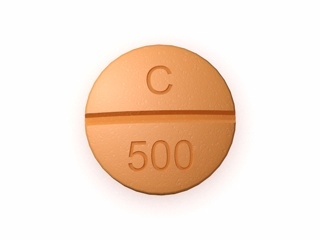
- Common doses in supplements: 25 mg, 50 mg, 100 mg, 250 mg, 500 mg, 1000 mg (varies by product)
- Best known for: Antioxidant activity and support for immune function
- Key cautions: May increase risk of kidney stones in susceptible people and can cause gastrointestinal upset at higher doses
Basic Product Information
What is vitamin C? Vitamin C is a water-soluble vitamin your body cannot make in sufficient amounts. You must obtain it from food and/or supplements.
What does “ascorbic acid” mean? Ascorbic acid is the naturally active form of vitamin C used in many supplements.
Common dietary sources: Citrus fruit (oranges, mandarins), kiwi fruit, strawberries, capsicum, broccoli, tomatoes, and fortified foods.
How Vitamin C Works (Mechanism of Action)
Vitamin C supports multiple processes in the body:
- Antioxidant protection: Vitamin C helps neutralise free radicals, which can contribute to cell damage.
- Collagen formation: Vitamin C is required for the synthesis of collagen, a structural protein important for skin, gums, blood vessels, and wound healing.
- Immune support: Vitamin C contributes to normal immune system function. It supports immune cell activities, including responding to infections.
- Helps absorb iron: Vitamin C enhances absorption of non-haem iron (the type found in plant foods and some fortified foods). This is particularly relevant for people at risk of iron deficiency.
- Regulates vitamin-related pathways: Vitamin C participates in enzymatic reactions involved in metabolism and tissue repair.
Pharmacokinetics (How Your Body Handles Vitamin C)
Absorption: Vitamin C is absorbed in the small intestine. Absorption can be dose-dependent: lower doses are generally absorbed more efficiently than very high doses.
Distribution: After absorption, vitamin C distributes to tissues, including immune cells. Vitamin C levels in the body rise with regular intake but eventually reach a plateau as tissues become saturated.
Metabolism and excretion: Vitamin C is not extensively metabolised in the body. Most of what isn’t used is eliminated via the kidneys in urine. As doses increase, more vitamin C is excreted.
Half-life: The time taken for vitamin C levels to fall can vary by dose and individual factors. Because it is water-soluble and excess amounts are excreted, taking it consistently may be more effective than taking very large doses infrequently.
Typical Use and Timing
Vitamin C supplements are commonly used for:
- Filling dietary gaps when fruit and vegetable intake is low
- Supporting immune function, especially during periods of increased stress or seasonal illness
- Supporting iron absorption when taken with iron-containing meals or iron supplements
- General wellbeing and antioxidant support
Timing:
- Many people take vitamin C in the morning or with meals to reduce stomach upset.
- If your supplement causes nausea or reflux, try taking it with food or switching to a lower dose or gentler formulation.
- For iron absorption, consider taking vitamin C with your iron-containing meal (or with your iron supplement if advised).
How long to use: Vitamin C is often taken daily as part of a routine. If you’re using it to correct a deficiency, the duration should be based on dietary assessment and/or healthcare advice.
Indications (What Vitamin C Is Used For)
Vitamin C supplements are used to:
- Prevent or treat vitamin C deficiency (for example, in people with limited dietary intake)
- Support normal immune function as part of a healthy lifestyle
- Support collagen formation and normal tissue maintenance
- Assist absorption of non-haem iron to support healthy iron levels
Note: If you suspect you have a deficiency or persistent symptoms, consider speaking with a pharmacist or doctor to identify the cause rather than relying on supplements alone.
Dosing (How Much to Take)
Doses vary by product and by reason for use. Always check the label directions and use the stated amount unless a healthcare professional has advised otherwise.
Typical supplement dosing (adults)
- General supplementation: Often 100–500 mg daily, depending on diet and goals.
- With meals/seasonal support: Commonly 250–500 mg daily.
- Higher-dose products: Some products contain 1000 mg or more per day. These can increase the chance of side effects (especially stomach upset) and aren’t always necessary.
Paediatric dosing
Children’s needs depend on age, diet, and the product’s strength. Use paediatric formulations and follow the label. If you’re unsure, ask a pharmacist.
Maximum intake (safety planning)
For many people, higher daily doses may not provide additional benefits and may increase side effects. If you’re considering doses above the label’s recommended amount, it’s wise to discuss with a pharmacist, especially if you have kidney issues or a history of kidney stones.
Food Interactions
Vitamin C can generally be taken with or without food. However, certain foods and patterns may affect comfort and benefits.
- Enhancing iron absorption: Vitamin C is most helpful when taken with meals containing non-haem iron (e.g., lentils, beans, spinach). Pairing with vitamin C-rich foods can also help.
- Stomach sensitivity: Taking vitamin C on an empty stomach may cause heartburn, nausea, or stomach cramps in some people. Taking it with food often improves tolerance.
- Fortified foods and fruit drinks: If you drink vitamin C–fortified beverages or juice, keep track of total daily intake to avoid unnecessary high dosing.
Alcohol and Medicine Interactions
Alcohol: Moderate alcohol intake may contribute to overall nutritional strain and may reduce the body’s overall nutrient status in some people. Vitamin C supplementation can support general dietary adequacy, but it does not “counteract” alcohol-related effects. If you drink alcohol heavily or have liver-related concerns, seek tailored advice.
Medicine interactions: Vitamin C can interact with some medicines and medical tests. While vitamin C is widely used, it’s important to consider specific situations.
- Iron supplements: Vitamin C can increase iron absorption. This can be helpful if iron deficiency is present, but may be relevant if you take iron and want to avoid excess.
- Kidney-related medications or conditions: If you have reduced kidney function or a history of kidney stones, high doses may not be suitable. Discuss with a pharmacist before increasing your dose.
- Warfarin: High-dose vitamin C may affect bleeding risk in some people. If you use anticoagulant medicines, check with your pharmacist before starting or increasing vitamin C.
- Antacids and bicarbonate-containing products: These can affect absorption or urine pH. Vitamin C-related changes in urine acidity may influence excretion for some medicines.
- Lab tests: Vitamin C can interfere with some blood glucose monitors or lab tests that use oxidation-reduction chemistry. Inform your healthcare provider and testing facility that you take vitamin C.
Always check: If you take regular medicines (especially for blood thinning, iron, or kidney health), it’s wise to review the interaction information with a pharmacist.
Safety Profile (Side Effects and Who Should Be Cautious)
Vitamin C is generally well tolerated at recommended supplement doses. However, higher doses can cause side effects.
Common side effects
- Gastrointestinal upset: stomach cramps, nausea, diarrhoea
- Heartburn or reflux: more likely with higher doses or acidic formulations
- Headache or restlessness: less common, may occur with very high dosing
Serious but uncommon concerns
- Kidney stones: People with a history of kidney stones (especially oxalate stones) should be cautious with high-dose vitamin C.
- Excessive intake: Very high daily intake over long periods increases risk of adverse effects, particularly urinary effects.
Who should seek advice before using higher doses
- People with kidney disease or a history of kidney stones
- Pregnant or breastfeeding individuals considering doses above typical dietary supplementation
- People on blood thinning medicines or with complex medical conditions
- Children (always use paediatric-appropriate doses and formulations)
Practical Use Tips
- Choose a dose that fits your routine: If your diet includes plenty of fruit and vegetables, a lower dose may be sufficient.
- Take with food if sensitive: This often improves tolerance.
- Check “total vitamin C” from all sources: Gummies, effervescent tablets, and fortified drinks can add up quickly.
- Stay hydrated: Adequate fluid intake supports kidney function.
- Consistency matters: Regular daily intake is usually more practical than occasional high doses.
- Stop and reassess if symptoms occur: If you experience persistent stomach upset, switch formulation or reduce dose.
Formulation notes: Effervescent tablets may be more likely to irritate some people due to added acids. Buffered or gentler formulations (or taking with meals) can help.
Alternative Options (If Vitamin C Isn’t Right for You)
If you’re considering alternatives, these options may be helpful depending on your goal:
- Food-first approach: Aim for vitamin C–rich foods such as citrus, kiwi fruit, berries, capsicum, broccoli, and tomatoes.
- Lower-dose supplements: For sensitive stomachs or long-term daily use, choose a lower strength.
- Different delivery forms: Tablets/capsules may be better tolerated than effervescent or chewable forms for some people.
- Iron-focused strategies: If your main goal is iron absorption, you may benefit more from pairing iron-rich meals with vitamin C foods rather than high-dose supplements.
- Other antioxidant vitamins/minerals: These should not replace vitamin C if you need it for collagen and immune support, but they may be considered as part of a balanced diet.
Market and Legal Context for Australia
In Australia, vitamin C supplements are regulated as listed complementary medicines or vitamin and mineral preparations, depending on product claims and formulation. Retail availability is common through pharmacies and online health stores.
Key points for consumers:
- Products must comply with Australian regulations for labelling, ingredients, and permitted claims.
- Many brands provide information about dose per serving and recommended daily intake on the label.
- Over-the-counter vitamin C is widely accessible, but dosage should still be appropriate for the individual.
Claims and guidance: Suppliers may state that vitamin C contributes to normal immune function, helps protect cells from oxidative stress, and supports collagen formation (claims vary by product and permitted wording). Always rely on the approved label directions.
Recent Guidance and Evidence Snapshot
International and Australian health messaging generally supports:
- Dietary adequacy first: Aim for vitamin C through fruits and vegetables.
- Supplementation may help specific needs: People with low intake, higher risk of deficiency, or increased nutritional demands may benefit.
- Cold and infection prevention: Evidence is mixed. Some studies suggest vitamin C can modestly reduce the duration of colds in certain groups, but it is not a guaranteed “prevention” treatment.
- Safety matters: Higher doses increase side effects and may not improve outcomes for everyone.
For personalised advice—especially if you have a medical condition or take medicines—consult a pharmacist.
Delivery and Availability (Australia)
Vitamin C (ascorbic acid) is widely stocked by Australian pharmacies and online retailers. Availability typically includes a variety of strengths and forms, such as:
- 100 mg, 250 mg, 500 mg, and 1000 mg tablets/capsules
- chewable and gummy formats for children or convenience (follow label age guidance)
- effervescent tablets for those who prefer dissolvable doses
- powder sachets for flexible dosing
Delivery considerations: Online orders are typically dispatched from warehouses using standard or express shipping options depending on the retailer. Vitamin C is generally stable at room temperature, but always store it as directed on the label (commonly below 25°C or as specified) and keep it away from moisture.
Storage: Keep in the original packaging, tightly closed, and out of direct sunlight.
FAQ — Vitamin C (Ascorbic Acid)
1. Is vitamin C the same as ascorbic acid?
Yes. Ascorbic acid is vitamin C’s active form used in most supplements.
2. How quickly does vitamin C work?
Some effects (such as antioxidant activity and collagen support) occur over time as vitamin C levels are maintained. Immune system support is more about consistent nutrient adequacy than instant effects.
3. Can I take vitamin C every day?
Many people take vitamin C daily as part of a routine. Choose a dose that fits your diet and comfort level, and avoid unnecessary high dosing without advice.
4. What if I forget a dose?
Take it when you remember unless it’s close to the next dose. If you are near the next scheduled time, skip the missed dose to avoid doubling.
5. Is vitamin C safe for children?
Vitamin C supplements can be appropriate for children when used according to the product label and age guidance. For children’s products, dosing should follow the directions on the label or advice from a pharmacist.
6. Can vitamin C cause diarrhoea?
Yes. Higher doses can draw water into the intestine, leading to loose stools or diarrhoea. If this happens, reduce the dose or take it with food.
7. Will vitamin C prevent colds?
Evidence does not support guaranteed prevention. Vitamin C may reduce duration or severity of colds in some people, but results vary. It works best as a supplement to a balanced diet and healthy habits.
8. Can vitamin C help with iron deficiency?
Vitamin C can improve the absorption of non-haem iron from plant foods and meals. If you have iron deficiency, iron treatment and investigation may be necessary—vitamin C alone may not be sufficient.
9. Does vitamin C interact with iron tablets?
Vitamin C is often taken with iron because it enhances absorption. However, if you take iron, check with a pharmacist about the right timing and dosing for your situation.
10. Can vitamin C cause kidney stones?
High-dose vitamin C may increase risk in people who are prone to kidney stones. If you have a history of stones or kidney problems, ask a pharmacist before taking higher-dose supplements.
11. Is it okay to take vitamin C with alcohol?
It’s generally okay for most people, but alcohol can affect overall nutrition and hydration. Vitamin C doesn’t neutralise alcohol effects, so moderation and adequate water intake are important.
12. Will vitamin C affect blood tests?
It can interfere with certain laboratory tests and some glucose monitoring methods. Let your healthcare provider know you’re taking vitamin C before tests.
Product Strength Guide (Example)
Use this as a general guide only—always follow the specific product label.
| Typical Strength | Common Use | Typical Timing |
|---|---|---|
| 25–100 mg | Gentle daily support; helpful if diet already includes fruit/veg | Any time; often with breakfast |
| 250 mg | Seasonal immune support; moderate supplementation | With or after meals |
| 500 mg | Higher daily supplementation; supports iron absorption with meals | Morning or with lunch/dinner |
| 1000 mg | Convenient high-dose option for short periods (only if appropriate) | Often with food to reduce stomach upset |
Remember: Always read the label and choose the lowest dose that meets your needs. If you’re pregnant, breastfeeding, have kidney problems, or take medicines regularly, check with a pharmacist for personalised guidance.