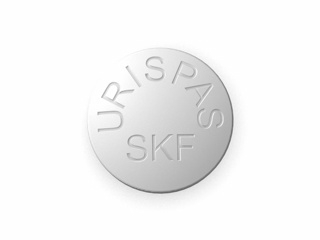

Urispas (Flavoxate Hydrochloride) – Patient Information
Urispas is a medicine used to help relieve symptoms related to the bladder, particularly when you experience bladder spasms (cramps) and related urgency or discomfort. This page explains how Urispas (flavoxate HCl) works, when it may be used, how to take it, and important safety information for people in Australia.
Always read the Consumer Medicine Information (CMI) supplied with your product and follow your healthcare professional’s advice.
Key facts at a glance
- Active ingredient: Flavoxate hydrochloride (flavoxate HCl)
- What it helps with: Bladder spasms and urinary urgency/frequency symptoms
- How it works: Helps relax smooth muscle activity in the urinary tract
- Common form: Oral tablets/capsules depending on the brand presentation
- Typical use: Short-term symptom relief for bladder spasm–related discomfort
What is Urispas?
Urispas is an antispasmodic medicine designed for the urinary bladder. It is commonly used when bladder muscle contractions cause uncomfortable symptoms such as:
- Urgency (a strong need to urinate)
- Increased frequency (needing to pass urine more often)
- Cramping or spasm-like discomfort in the bladder area
- Bladder overactivity symptoms
It is important to note that Urispas is aimed at spasm-related urinary symptoms and is not an antibiotic. If your symptoms are due to a bacterial infection, you may require different treatment.
How Urispas works (mechanism of action)
Flavoxate HCl works primarily by reducing involuntary contractions (spasms) in the smooth muscle of the urinary tract. By helping to calm these muscle contractions, it may lessen symptoms such as urgent or frequent urination and discomfort associated with bladder spasms.
In simple terms: Urispas helps “settle” the bladder muscle activity that can lead to crampy discomfort and urgent, frequent urination.
Pharmacokinetics (how the body handles flavoxate)
Pharmacokinetics describes what the body does to a medicine—how it absorbs, distributes, metabolises, and eliminates it. While exact figures can vary by formulation and individual factors, the general characteristics for flavoxate are:
- Absorption: Flavoxate is absorbed after oral dosing.
- Metabolism: It is metabolised in the body (primarily by liver pathways).
- Excretion: Metabolites are eliminated mainly via the kidneys (urine).
- Duration of effect: Symptom relief is typically seen after starting treatment and is supported by taking doses at the recommended intervals.
If you have liver or kidney conditions, ask a pharmacist or doctor for advice about whether the usual dosing approach is appropriate for you.
What Urispas is used for (indications)
Urispas is used for the relief of urinary symptoms associated with bladder spasms and related conditions, such as:
- Bladder spasm symptoms
- Urgency and frequency due to bladder muscle overactivity/spasm
- Bladder discomfort that is thought to be spasmodic rather than infectious
If you have symptoms suggestive of a bladder infection—such as a burning sensation when passing urine, fever, back/flank pain, or visible blood in the urine—seek medical advice promptly. Urispas may not treat the underlying cause in these cases.
Typical timing and how long to take it
The best timing depends on your symptoms and the product strength you are using. Many people take Urispas at set intervals during the day to maintain symptom control.
- Start: Usually when urinary spasm symptoms begin.
- Regular dosing: Take doses at recommended times consistently.
- Review: If symptoms do not improve or worsen after a short course, consult a healthcare professional.
- Stop/adjust: Don’t continue long-term without reassessment—persistent symptoms often need the cause checked.
Dosing information (adults)
Dosing varies by strength and formulation. Follow the dosing instructions on the pack and the CMI. The following is general guidance only:
- Adults: Common dosing schedules are taken two to three times daily depending on the product and prescriber/pharmacist instructions.
- Missed dose: Take it when you remember unless it is close to the next dose. Do not take a double dose to make up for a missed one.
- Duration: Use for symptom relief as advised.
Children: Only use flavoxate-containing products in children if a clinician recommends it and the CMI specifies an age-appropriate regimen.
If you are unsure about the correct dose for your specific Urispas presentation (tablet strength and instructions), contact your pharmacist.
Food interactions
Urispas can usually be taken without major dietary restrictions. However, consider the following practical points:
- Take with or without food: Many people find taking oral medicines with food helps reduce stomach upset.
- Consistency: If you notice symptoms correlate with your dosing time, take doses at consistent intervals.
- Absorption considerations: For most antispasmodic medicines, food does not typically cause a clinically significant interaction, but individual responses can vary.
Always check the CMI for your exact product strength and instructions.
Alcohol and medicine interactions
Alcohol can worsen urinary symptoms in some people (for example, by irritating the bladder or affecting hydration). It may also increase side effects such as dizziness or stomach discomfort, depending on your personal sensitivity.
Alcohol
- General advice: Limit or avoid alcohol while taking Urispas if you notice symptom worsening or side effects.
- Hydration: Drink water regularly; dehydration can make urinary symptoms feel more intense.
Other medicines
Drug interactions depend on your medication list. Inform your pharmacist if you take any of the following (and many others):
- Other anticholinergic/antispasmodic medicines: May increase risk of side effects.
- Medicines affecting the urinary tract: Discuss combined use to ensure your regimen is appropriate.
- Medications that cause dizziness: Combined effects may increase the chance of feeling light-headed.
- Medicines for urinary frequency (overactive bladder): Your pharmacist can check for overlap.
If you’re taking multiple medicines, a pharmacist can perform an interaction check and suggest the safest schedule.
Safety profile: side effects and what to watch for
Like all medicines, Urispas can cause side effects, although not everyone experiences them. Many side effects are mild and temporary.
Common side effects
- Stomach discomfort or nausea
- Dry mouth
- Dizziness or headache (in some people)
Less common but important
- Blurred vision or confusion (more likely if you are sensitive to antispasmodic medicines)
- Constipation
- Palpitations or unusual heartbeat sensations (seek medical advice if significant)
- Allergic reactions (itching, rash, swelling)
Seek urgent help if
- You develop signs of an allergic reaction (swelling of face/lips, trouble breathing)
- You feel faint, severely dizzy, or have a sudden worsening of symptoms
- There are signs of serious illness such as fever, severe back/flank pain, or blood in the urine
Who should be cautious?
Extra caution is recommended if you have:
- Glaucoma or a history of raised eye pressure
- Urinary retention or prostate enlargement causing difficulty passing urine
- Severe constipation or bowel problems
- Significant liver or kidney disease
- Any previous intolerance to flavoxate or similar medicines
Your pharmacist can help assess whether Urispas is suitable given your health history.
Practical use tips for urinary spasm symptoms
Medicines work best when combined with supportive bladder habits. Consider these practical steps:
- Track symptoms: Note urgency/frequency and whether discomfort feels crampy or burning.
- Hydration: Aim for regular fluid intake unless you’ve been told to restrict fluids.
- Bladder-friendly habits: Avoid holding urine for long periods if urgency is a problem.
- Caffeine and bladder irritants: Coffee, tea, energy drinks, and some carbonated drinks can worsen urgency in many people.
- Gentle heat: Some people find a warm compress on the lower abdomen helpful.
- Separate infection symptoms: Burning, fever, and back pain suggest possible infection—seek advice rather than relying on symptom relief alone.
Alternative options
If your symptoms are due to different causes (such as infection, stones, irritation, or overactive bladder), other treatments may be more appropriate. Depending on the diagnosis, options can include:
- Antibiotics: Only when a clinician confirms bacterial urinary infection
- Other bladder antispasmodics: Similar symptom-targeting medicines may be considered
- Overactive bladder treatments: Depending on your situation, there may be medicines or behavioural therapies
- Pelvic floor physiotherapy: Often helpful for urgency/frequency issues
- Bladder training: Timed voiding and urge suppression strategies
If you tell your pharmacist about your symptoms (for example: burning vs cramping, fever present or not, duration, pregnancy status), they can guide you toward safer, more relevant options.
Market and legal context for Australia
In Australia, medicines are regulated under the Therapeutic Goods Administration (TGA). Availability and classification (for example, whether a medicine is prescription-only or can be supplied without prescription) depend on the specific product and its strength.
When ordering online, ensure:
- The product is legitimate and sourced through appropriate channels.
- Labelling matches the Australian packaging and CMI.
- You receive correct dosing instructions for your specific formulation.
Online pharmacies typically provide safety checks (such as medication and condition screening) to help ensure appropriate supply.
Recent guidance and clinical considerations (general)
While individual recommendations depend on diagnosis and patient factors, broader clinical practice in urinary symptom management includes:
- Confirming the cause: Symptoms resembling bladder infection should be assessed promptly.
- Avoiding “masking” serious illness: Persistent or worsening symptoms require reassessment.
- Reviewing risks: Antispasmodic medicines may be unsuitable for some people with certain eye, bowel, or urinary retention conditions.
- Considering non-medicine strategies: Bladder training and lifestyle measures can reduce symptom burden.
If symptoms recur frequently, it’s especially important to discuss evaluation options with a clinician.
Delivery and availability in Australia
Urispas is generally available through pharmacies and approved online medicine retailers in Australia, subject to product availability and your location.
- Stock: Availability can vary; online retailers may show live stock levels.
- Delivery: Delivery times depend on courier service and your address.
- Packaging: Orders are typically dispatched in manufacturer-provided packaging.
- Cold chain: Urispas does not usually require refrigeration (unless your specific product label states otherwise).
If you have questions about delivery timeframes or how to track your order, check the retailer’s shipping information page.
How to store Urispas
- Store at room temperature as directed on the packaging.
- Keep in the original pack to protect from light and moisture.
- Keep out of reach of children.
- Do not use after the expiry date.
FAQ – Urispas (Flavoxate HCl)
1) What is Urispas used for?
Urispas is used to relieve urinary symptoms related to bladder spasms, such as urgency, frequency, and discomfort that is thought to be spasmodic rather than infection-related.
2) Is Urispas an antibiotic?
No. Urispas is an antispasmodic. It does not treat bacterial infections. If you suspect a bladder infection, seek medical advice.
3) How quickly will it work?
Many people notice symptom improvement after starting treatment and taking doses at recommended intervals. If there is no improvement after a short course, speak with a healthcare professional.
4) Can I take Urispas with food?
Often you can take it with or without food. If you experience nausea or stomach discomfort, taking it with food may help.
5) What if my symptoms get worse?
If symptoms worsen, you develop fever, severe pain, back/flank pain, blood in the urine, or you feel unwell, stop self-treating and seek prompt medical advice.
6) Can I drink alcohol while using Urispas?
Alcohol may worsen bladder irritation and can increase dizziness or stomach side effects in some people. It’s best to limit alcohol and monitor how you feel. Avoid if it aggravates symptoms.
7) Are there medicines I should not combine with Urispas?
Interaction risk depends on your medication list. Tell your pharmacist if you take other antispasmodics, treatments for overactive bladder, or medicines that cause dizziness or constipation. A pharmacist can check your specific combination.
8) Can I drive or operate machinery?
If you feel dizzy, have blurred vision, or feel drowsy, avoid driving or operating machinery. If you are unsure how Urispas affects you, test your response before doing tasks that require alertness.
9) Is Urispas suitable for everyone?
Not necessarily. People with certain conditions (such as some forms of glaucoma, urinary retention, severe constipation, or significant liver/kidney disease) may need extra caution. Ask a pharmacist for advice.
10) What are good supportive measures for bladder symptoms?
Stay hydrated, avoid known bladder irritants (often caffeine), consider bladder training strategies, and seek medical review if symptoms recur or do not improve.
Summary
Urispas (flavoxate HCl) is an oral antispasmodic medicine used to help relieve urinary symptoms caused by bladder spasms, such as urgency and frequency. It works by calming smooth muscle activity in the urinary tract. For best results, take it at the recommended times, monitor symptoms, and seek prompt assessment if you suspect infection or if symptoms persist or worsen.