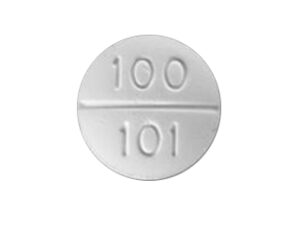
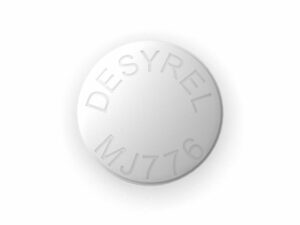

Tolterodine (for the treatment of overactive bladder) — Patient Information (Australia)
Tolterodine is a medicine used to help manage the symptoms of overactive bladder, a condition that can cause a sudden need to urinate, frequent urination, and waking at night to pass urine (nocturia). It works by relaxing the bladder muscle and reducing involuntary bladder contractions.
This page is written to be clear and patient-friendly. It explains how tolterodine works, how it is used, key safety points, and practical tips for getting the best results.
Basic product information
- Medicinal ingredient: Tolterodine
- Common form: Tablets (often in immediate-release or modified/extended-release formats depending on brand)
- Therapeutic area: Urology / bladder control
- Common symptom targets:
- Urinary urgency
- Urge incontinence (leaking on the way to the toilet)
- Increased urinary frequency
- Nocturia (night-time urination)
- How it may be described on packs: “antimuscarinic” medicine
Important: Always follow the instructions on your medicine label and the advice provided by your healthcare professional. Brand names and strengths can vary.
How tolterodine works (mechanism of action)
Tolterodine belongs to a group of medicines called antimuscarinics (also known as anticholinergics). The bladder wall contains receptors (muscarinic receptors) that help control bladder contraction.
In overactive bladder, these pathways can become overactive, causing the bladder to contract too often—even when it does not contain much urine.
- Tolterodine blocks muscarinic receptors in the bladder.
- This reduces involuntary bladder muscle contractions.
- As a result, you may experience fewer urgency episodes and less leakage.
- Over time, it may help with urinary frequency and night-time symptoms.
Pharmacokinetics (how the body handles tolterodine)
Pharmacokinetics describes what happens to a medicine in the body—absorption, distribution, metabolism, and elimination.
- Absorption: Tolterodine is absorbed after oral administration.
- Distribution: It reaches target tissues, including the bladder.
- Metabolism: Tolterodine is metabolised mainly in the liver by enzymes, including CYP3A4 (and to some extent other pathways).
- Active metabolites: Some metabolites may contribute to overall effect.
- Elimination: The medicine and its metabolites are eliminated primarily through the urine and faeces.
Why this matters for patients: People with liver impairment or kidney impairment may need different dosing or closer monitoring due to changes in how the medicine is processed.
Typical use and timing
Tolterodine is used to treat symptoms of overactive bladder in adults, such as:
- Urgency
- Urge incontinence
- Frequent urination
- Nocturia
When it starts working
- Some improvement in urgency or frequency may be noticed within the first days to weeks.
- For best assessment, benefit is often evaluated over several weeks.
How to take it
- Take tolterodine as directed on your label.
- Do not switch between different release forms (e.g., immediate vs extended/modified release) unless advised.
- Consistency matters—taking it around the same time each day can help.
Food timing interactions (important)
Food can influence how some oral medicines are absorbed. For tolterodine, the effect of food may be formulation-dependent (immediate vs modified release). In many practical settings:
- Follow your specific product instructions.
- If your label says “with food” or “without food,” follow that advice.
- If you are unsure, ask your pharmacist to confirm the best timing for your exact brand.
Indications (what it is used for)
Tolterodine is indicated for the management of overactive bladder symptoms, including:
- Urinary urgency
- Urgency with incontinence (leakage)
- Increased urinary frequency
- Nocturia
It is generally used when bladder control symptoms significantly affect quality of life and may be combined with lifestyle strategies (such as bladder training and reducing bladder irritants) depending on your care plan.
Dosing (general guidance)
Because brands and release forms vary, dosing should always follow the instructions on your specific product and advice from your healthcare provider.
Common general approach (adult dosing):
- Dose is usually taken once or twice daily depending on the formulation.
- Some patients may start at a lower dose, especially if they have kidney or liver concerns or are more prone to side effects.
- Your dose may be adjusted based on symptom control and tolerability.
Missed dose
- If you miss a dose, take it when you remember unless it is close to the next dose.
- Do not take a double dose to make up for a missed tablet.
How to monitor your response
Consider keeping a simple bladder diary for a week or two, noting:
- Number of times you urinate
- Urgency episodes (and severity)
- Any urge leaks/incontinence
- Night-time trips to the toilet
This can help you and your clinician decide whether tolterodine is working and whether any adjustments are needed.
Alcohol and medicine interactions
Both alcohol and tolterodine can affect the body’s nervous system and may contribute to side effects.
Alcohol
- Alcohol may worsen bladder symptoms in some people (for example by increasing urine production or irritating the bladder).
- It may also increase the chance of light-headedness, sedation, or dry mouth.
- Moderation is usually advisable. If you notice symptom worsening after alcohol, consider reducing intake.
Medicine interactions (general)
Tolterodine can interact with other medicines that affect antimuscarinic activity or liver metabolism.
Tell your pharmacist if you take any of the following:
- Other anticholinergic/antimuscarinic medicines (may increase side effects such as dry mouth, constipation, and blurred vision)
- Medicines that affect CYP3A4 (some can increase tolterodine levels and side effects; some can reduce them and weaken effect)
- Medicines for nausea or motion sickness with anticholinergic effects
- Some antidepressants or medicines for allergies that may have anticholinergic properties
- Other bladder medicines (do not combine without advice)
Safety tip: If you are starting, stopping, or changing dose of any medicine, check compatibility with your pharmacist.
Food interactions
Food interactions can be important for tolerability and absorption. While the exact impact can vary by formulation, practical advice includes:
- Take tolterodine the way your label instructs.
- If you experience stomach discomfort, discuss timing changes with your pharmacist (unless your label specifically requires a certain timing).
- Stay hydrated—antimuscarinic medicines can reduce salivary secretions and may cause dry mouth, and adequate fluids can help overall comfort.
Safety profile: side effects and who should be cautious
Like all medicines, tolterodine can cause side effects. Many are mild and improve as your body adjusts, but some can be serious.
Common side effects
- Dry mouth
- Constipation
- Blurred vision or difficulty focusing
- Dizziness
- Headache
- Fatigue
- Reduced sweating (especially in warm weather)
- Urinary retention in some people (difficulty passing urine)
Seek urgent medical advice if you experience
- Severe allergic reaction (e.g., swelling of face/lips, difficulty breathing)
- Inability to pass urine, especially if you also have painful distension
- Severe constipation, severe abdominal pain, or vomiting
- Confusion or marked drowsiness
- Very fast heartbeat or fainting
Caution / extra monitoring is needed if you have
- Glaucoma (especially narrow-angle glaucoma)
- Gastrointestinal obstruction or significant bowel problems
- Severe constipation or slow gut motility
- Difficulty urinating, enlarged prostate symptoms, or urinary retention history
- Kidney impairment or liver impairment
- Higher risk of falls (dizziness/blurry vision)
- Older age and heightened sensitivity to anticholinergic effects
Driving and machines: If you feel dizzy or have blurred vision, avoid driving or operating machinery until you feel steady and your vision is clear.
Practical use tips (how to get the best results)
1) Combine medicine with bladder-friendly habits
- Consider bladder training and timed voiding.
- Reduce bladder irritants for a period (common examples include caffeine, carbonated drinks, and alcohol).
- Maintain good hydration while still being mindful of timing around bedtime.
2) Manage dry mouth
- Use sugar-free chewing gum or sugar-free lozenges.
- Sip water regularly.
- Maintain good dental hygiene to reduce tooth decay risk associated with dry mouth.
3) Prevent constipation
- Increase dietary fibre (e.g., fruit, vegetables, whole grains).
- Consider a stool softener or fibre supplement if advised by your pharmacist.
- Stay active and drink adequate fluids.
4) Watch for urinary retention
- If you have trouble starting urination, weak stream, or feel you cannot fully empty your bladder, contact a healthcare professional promptly.
- Do not ignore worsening lower urinary tract symptoms.
5) Temperature awareness
- Because antimuscarinics can reduce sweating, be cautious in hot weather and consider shade, cooling, and hydration.
Alternative options for overactive bladder
There are several treatment pathways for overactive bladder. Depending on the underlying cause, your symptoms, and your medical history, alternatives may include:
Non-medicine options
- Bladder training and behavioural strategies
- Pelvic floor muscle exercises (often recommended, especially with urge incontinence)
- Fluid and caffeine management
- Weight management if applicable
Other medicine options
- Other antimuscarinic medicines (same general class, different profiles)
- Beta-3 adrenoceptor agonists (different mechanism; may suit some people)
- In some cases, specialised therapies may be considered by urology specialists
Your pharmacist or doctor can explain which options fit best based on your symptom pattern, side-effect sensitivity, and other health conditions.
Market and legal context for Australia (consumer-friendly)
In Australia, medicine supply and classification are regulated to support safe use. Medicines are provided through authorised channels and may be subject to specific category rules, depending on formulation and strength.
When purchasing online, reputable providers follow Australian regulatory expectations and supply processes, including:
- verification of correct product selection for the patient’s needs
- clear labelling and patient information
- privacy and secure handling of order information
- safe packaging and delivery processes
Note: If you have questions about eligibility, product selection, or safe use, speak with a pharmacist before ordering or taking the first dose.
Recent guidance and clinical considerations
Guidance for overactive bladder management generally emphasises a stepwise approach:
- Begin with behavioural strategies and bladder training when appropriate.
- Consider medication options when symptoms persist or significantly affect daily life.
- Review response and side effects regularly.
Across many clinical settings, additional considerations include:
- Assessing risk of urinary retention and constipation
- Taking care with medicines that add anticholinergic burden in older adults
- Considering patient-specific factors such as kidney/liver function and drug interactions
Your clinician may tailor treatment by switching to a different medicine or adjusting dose if side effects outweigh benefits.
Delivery and availability (online pharmacy)
Availability can vary by brand, strength, and whether the product is immediate-release or modified/extended-release.
- Typical availability: Tolterodine is commonly stocked by online pharmacies in tablet form.
- Delivery: Delivery time depends on location and dispatch times. Some orders may be shipped within 1–2 business days if the item is in stock.
- Packaging: Medicines are delivered in manufacturer packaging with patient information.
If a product is temporarily unavailable, you may be offered an alternative option (for example, another compatible brand or formulation) based on pharmacist advice.
Storage
- Store at room temperature away from moisture and heat.
- Keep the medicine in its original packaging.
- Keep out of reach of children.
FAQ about Tolterodine
1) What is tolterodine used for?
Tolterodine is used to manage symptoms of overactive bladder, including urgency, urge incontinence, frequent urination, and waking at night to urinate.
2) How long does it take to work?
Some people notice improvement within the first days to weeks. A clearer view of effectiveness is often assessed after several weeks. If symptoms do not improve or side effects are problematic, ask a healthcare professional about adjusting treatment.
3) Should I take tolterodine with food?
It depends on your exact product and instructions on the label. Follow the “with food” or “without food” directions provided for your brand. If unsure, ask your pharmacist to confirm.
4) Can I drink alcohol while taking tolterodine?
Alcohol may worsen bladder symptoms and can increase certain side effects like dizziness or dry mouth. If you drink alcohol, keep it moderate and monitor how it affects your bladder control and how you feel.
5) What side effects are most common?
Common side effects include dry mouth, constipation, blurred vision, dizziness, and fatigue. Many are mild, but contact a healthcare professional if they become severe or persistent.
6) Is tolterodine safe for everyone?
No. Extra caution is needed for people with certain conditions such as glaucoma, urinary retention risk, significant constipation or bowel obstruction, and kidney or liver problems. Older adults may be more sensitive to antimuscarinic effects.
7) What if I feel dizzy or have blurred vision?
Avoid driving or operating machinery until you feel steady and your vision is clear. Report persistent or severe symptoms to your pharmacist or doctor.
8) What should I do if I get constipation?
Increase fluids and dietary fibre where appropriate, consider gentle constipation relief strategies, and discuss options with a pharmacist. Seek advice promptly if you have severe constipation, abdominal pain, or vomiting.
9) Can tolterodine interact with other medicines?
Yes. Interactions can occur, especially with other anticholinergic medicines and medicines that affect liver metabolism. Tell your pharmacist about all medicines you take, including over-the-counter products and herbal supplements.
10) What happens if I miss a dose?
Take it when you remember unless it is near the time for your next dose. Do not take two doses at once.
Summary
Tolterodine is an antimuscarinic medicine used for overactive bladder symptoms such as urgency, frequency, urge incontinence, and nocturia. It works by calming bladder contractions. Many people begin to see improvement over time, while side effects such as dry mouth or constipation can occur. By following the label instructions, using supportive bladder habits, and discussing any concerns—especially if you have urinary retention risk or constipation—tolterodine can be a helpful option for bladder symptom control.