

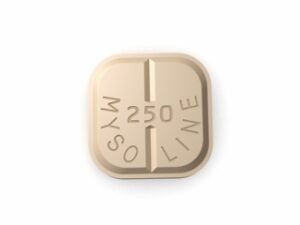
Mirapex (Pramipexole) – Patient Information for Australia
Mirapex is a medicine containing pramipexole, used to treat certain movement disorders and symptoms related to dopamine deficiency in the brain. This guide explains how it works, how it’s typically taken, important safety information, and practical tips for everyday use in Australia.
Important: Always follow the directions provided with your medicine and the advice of your healthcare professional. If you have questions about whether Mirapex is suitable for you, ask your doctor or pharmacist.
Basic product information
| Feature | Details |
|---|---|
| Medicine name | Mirapex |
| Active ingredient | Pramipexole |
| Medicine type | Dopamine agonist (non-ergot) |
| Common forms | Immediate-release and/or modified-release formulations (brand and availability may vary) |
| General use | Parkinson’s disease; Restless Legs Syndrome (RLS) |
| How it’s taken | Oral tablets; exact schedule depends on your diagnosis and formulation |
What pramipexole does (mechanism of action)
Pramipexole belongs to the class of medicines known as dopamine agonists. It works by stimulating dopamine receptors—especially the D2/D3 receptor subtypes—in the brain.
- Parkinson’s disease: Helps improve movement-related symptoms by compensating for low dopamine activity.
- Restless Legs Syndrome (RLS): Reduces uncomfortable sensations and the urge to move the legs, typically through effects on dopamine pathways involved in sensory-motor control.
While pramipexole does not cure the underlying condition, it can reduce symptoms and improve quality of life.
Pharmacokinetics (how the body handles Mirapex)
Pharmacokinetics describes how a medicine is absorbed, distributed, metabolised, and eliminated.
- Absorption: Pramipexole is absorbed after oral administration.
- Peak levels: The time to reach maximum concentration depends on the formulation (immediate-release vs modified-release).
- Distribution: It distributes into body tissues, including the central nervous system.
- Metabolism: Pramipexole is not extensively metabolised in the liver. A significant portion is eliminated unchanged.
- Elimination: Primarily excreted by the kidneys. This is why kidney function can strongly influence dosing and safety.
Kidney function matters: If you have reduced kidney function, your prescriber may adjust the dose to reduce the risk of side effects.
Typical use and indications
Mirapex is used to treat the following conditions (depending on the formulation and local availability):
Parkinson’s disease
- Symptom control in Parkinson’s disease, including improved movement.
- Used as part of therapy, sometimes as monotherapy and sometimes in combination with other anti-Parkinson medicines.
Restless Legs Syndrome (RLS)
- Helps reduce RLS symptoms such as uncomfortable sensations and the urge to move the legs, particularly in the evening or at night.
RLS treatment should be guided by a healthcare professional, especially to address common contributing factors such as low iron stores.
How and when to take Mirapex (timing and routine)
Your exact schedule depends on:
- Your diagnosis (Parkinson’s vs RLS)
- Your dose and formulation (immediate-release vs modified-release)
- How your body responds and tolerability
- Your kidney function
Practical timing tips:
- RLS: Dosing is often aligned with the time symptoms appear (commonly in the evening). Follow your healthcare professional’s instructions.
- Parkinson’s: Dosing may be split across the day to maintain symptom control. Try to take doses at consistent times.
- Do not change your schedule: If you miss a dose, check your medicine instructions or ask your pharmacist about what to do.
Starting low and increasing gradually: Many people begin with a lower dose and gradually increase to improve tolerability and reduce side effects such as nausea, dizziness, or sleepiness.
Food interactions (and what to expect)
Mirapex may be taken with or without food. However, individual comfort and absorption can vary.
- General advice: You may take it with food if it upsets your stomach.
- Consistency helps: Try to take it the same way each day (with or without food) unless your pharmacist advises otherwise.
Absorption and meal timing: For most people, food does not completely prevent the medicine from working, but timing and tolerability can influence how you feel overall.
Alcohol and medicine interactions
Alcohol
It’s best to limit or avoid alcohol while taking Mirapex, because both alcohol and pramipexole can affect the nervous system. Combining them may increase:
- dizziness
- sleepiness or reduced alertness
- risk of falls
Other medicines that may interact
Always tell your pharmacist or prescriber about all medicines you take, including herbal products and supplements.
Potential interaction categories include:
- Medicines that also affect the brain (sedatives, hypnotics): May increase drowsiness or impairment.
- Other dopamine-related medicines: May increase the risk of side effects such as abnormal movements or hallucinations.
- Antipsychotics (for example, dopamine antagonists): These may reduce the effect of pramipexole.
- Medicines for nausea/vomiting that act on dopamine pathways: May affect effectiveness or side effect patterns.
- Blood pressure medicines: Pramipexole can cause low blood pressure in some people, so combining may increase risk of dizziness or fainting.
Levodopa (in Parkinson’s): If you take levodopa, your prescriber may adjust doses to balance benefits and side effects.
Dosing overview (how doses are commonly prescribed)
Mirapex dosing is individual. Your prescriber usually selects a starting dose and adjusts it based on your response and side effects.
Key principle: Start low, go slow.
Parkinson’s disease
- Doses are often increased gradually over time.
- Total daily dosing is typically divided if using immediate-release formulations.
- Your prescriber may consider other Parkinson’s medicines you’re taking.
Restless Legs Syndrome (RLS)
- Doses are selected to relieve symptoms, particularly during the evening/night.
- Treatment may be periodically reviewed to ensure ongoing benefit.
Dose adjustments for kidney function
Because pramipexole is primarily cleared by the kidneys, people with impaired kidney function may need reduced dosing or longer intervals between doses.
Do not self-adjust: If you develop symptoms suggesting too-high dose (e.g., excessive sleepiness, confusion, hallucinations), seek advice promptly rather than changing the dose on your own.
Safety profile (common, serious, and what to watch for)
Like all medicines, Mirapex can cause side effects. Many are more likely when the dose is increased or when starting therapy.
Common side effects
- Nausea
- Dizziness or feeling light-headed
- Somnolence (sleepiness)
- Fatigue
- Headache
- Dry mouth or constipation
- Swelling (e.g., ankle swelling)
- Low blood pressure, especially when standing (orthostatic hypotension)
Serious or important side effects (seek medical advice)
- Hallucinations (seeing or hearing things that aren’t there), especially in older adults or those with cognitive vulnerability.
- Impulse control disorders (behaviours such as compulsive gambling, shopping, eating, or increased sexual drive) — report changes promptly.
- Abnormal involuntary movements (dyskinesia) or worsening of movement symptoms, particularly in Parkinson’s treatment.
- Sudden sleep episodes or severe sleepiness — do not drive or operate machinery if you feel drowsy.
- Severe allergic reactions (rare), including swelling of the face/lips, rash, or breathing difficulties.
Risk of augmentation in RLS
For RLS, some people experience augmentation—a worsening of symptoms that can occur earlier in the day than before, or with increased intensity. If your RLS symptoms worsen after starting pramipexole, tell your clinician. Your treatment plan may need review.
Practical use tips (getting the best results safely)
- Take it consistently: Use the same routine each day, especially if symptoms are time-linked.
- Rise slowly: If you feel dizzy, change positions gradually (sit up, pause, then stand).
- Plan for sleepiness: Avoid driving and risky activities when you first start or after dose increases if you feel drowsy.
- Keep track of symptom changes: Note improvements and any new side effects (e.g., hallucinations, impulse changes, unusual movements).
- Do not stop abruptly: Stopping suddenly can worsen symptoms or cause other issues. Tapering is often recommended—follow clinician instructions.
- Hydration and bowel habits: Staying hydrated and managing constipation can improve comfort, especially in older adults.
Stopping, missing doses, and dose changes
Missing a dose: If you miss a dose, take it only if it’s close to your next scheduled dose. Otherwise, skip it and return to your regular schedule—unless your pharmacist gives different instructions for your specific formulation.
Changing dose: Adjustments should be directed by your healthcare professional. Side effects often appear during titration (dose increases), so changes are usually gradual.
Stopping treatment: Discuss with your prescriber. Withdrawal or symptom rebound can occur if pramipexole is stopped too quickly.
Alternative options (discuss with your doctor/pharmacist)
There are multiple treatment options for Parkinson’s disease and RLS. Alternatives depend on your specific condition, symptom pattern, age, and other health factors.
Parkinson’s disease alternatives
- Levodopa/carbidopa
- Other dopamine agonists (selection depends on symptom profile and side-effect risk)
- MAO-B inhibitors
- COMT inhibitors (in combination regimens for selected patients)
- Amantadine (for selected symptoms)
RLS alternatives
- Iron therapy if iron deficiency is present (commonly guided by blood tests)
- Other RLS medicines (chosen based on risk of augmentation and sleep-related effects)
- Non-medicine strategies such as sleep hygiene, reducing caffeine/alcohol, and improving mobility
Your clinician can help you weigh benefits and risks. In some cases, the best approach may involve combining lifestyle changes with medication adjustments.
Market and legal context in Australia
In Australia, pramipexole-containing medicines such as Mirapex are regulated under the country’s medicines and therapeutic goods framework. Availability, brand presentation, and prescribing requirements can vary by formulation and treatment indication. Healthcare decisions should follow Australian clinical guidance and individual patient needs.
Safety monitoring: Medicines like pramipexole require appropriate clinical follow-up due to the potential for neurologic side effects, sleepiness, and behavioural changes. Pharmacists can also help with counselling on timing, missed doses, and interactions.
How to choose the right product: If your doctor prescribes a specific strength or formulation (immediate-release vs modified-release), ensure the medicine you purchase matches the intended product and directions.
Recent guidance and clinical considerations
Clinical practice evolves as new evidence emerges. Key considerations commonly emphasised in ongoing guidance for dopaminergic therapy include:
- Careful titration: Gradually increasing dose to improve tolerability.
- Monitoring for hallucinations and impulse control behaviours: Especially in older adults or those with cognitive vulnerability.
- RLS augmentation awareness: Recognising worsening patterns early and reassessing treatment when symptoms shift.
- Sleepiness and safety: Advising about driving and operating machinery when drowsiness occurs.
- Individualised dosing based on kidney function: Avoiding excessive exposure in those with renal impairment.
Your pharmacist or doctor can discuss how these considerations apply to your situation.
Delivery and availability (online pharmacy)
Mirapex availability can vary depending on the specific strength and formulation. When ordering from an Australian online pharmacy, the medicine is typically supplied in its original packaging with clear labelling.
- Product availability: If a particular strength is temporarily out of stock, the pharmacy may offer alternatives or advise expected restock times.
- Delivery: Delivery timeframes vary by location and dispatch schedules. Tracking details are usually provided where available.
- Packaging: Medicines are typically dispatched securely and in compliance with regulatory requirements for transport.
If you need urgent supply, contact the pharmacy to confirm dispatch timing and delivery options.
FAQ – Frequently asked questions
1) What is Mirapex used for?
Mirapex (pramipexole) is used to treat symptoms of Parkinson’s disease and Restless Legs Syndrome (RLS), depending on the formulation and your healthcare plan.
2) How quickly will Mirapex work?
Some people notice symptom improvement within days, while others may require a longer period during dose titration. For RLS, timing of the dose can also affect how quickly you feel benefit.
3) Should I take it with food?
It can generally be taken with or without food. If it upsets your stomach, taking it with food may help. Try to keep your routine consistent.
4) Can Mirapex cause sleepiness?
Yes. Somnolence and fatigue are possible side effects. Avoid driving and hazardous activities if you feel unusually sleepy, especially when starting or after dose increases.
5) What should I do if I miss a dose?
Check the medicine instructions provided by your pharmacy. In many cases, you may skip the missed dose and take the next one at the scheduled time—however, this can depend on the formulation and timing.
6) Is it safe to drink alcohol?
It’s usually best to limit or avoid alcohol because it may increase dizziness and drowsiness and raise fall risk.
7) Are there interaction concerns with other medicines?
Yes. Tell your pharmacist about all medicines, including sedatives, antipsychotics, blood pressure medicines, and any medicines that affect the nervous system. Some combinations may reduce Mirapex effectiveness or increase side effects.
8) What are augmentation symptoms in RLS?
Augmentation typically means RLS symptoms start earlier in the day, become more intense, or spread to other body parts compared with before treatment. Report changes to your clinician promptly.
9) Can I stop Mirapex suddenly?
Do not stop suddenly unless your healthcare professional tells you to. Sudden cessation may worsen symptoms. Dose changes should be planned and supervised.
10) Who should be extra cautious?
Extra caution may be needed if you have kidney impairment, a history of hallucinations, cognitive difficulties, low blood pressure, or you take other medicines that cause drowsiness.
Summary
Mirapex (pramipexole) is a dopamine agonist used in Australia to manage Parkinson’s disease and Restless Legs Syndrome. It works by stimulating dopamine receptors, helping to improve movement and reduce RLS symptoms. Successful treatment often relies on appropriate dosing (usually starting low and increasing gradually), careful attention to side effects such as sleepiness or hallucinations, and ongoing monitoring—particularly for RLS augmentation and behavioural changes.
If you would like, share the indication (Parkinson’s vs RLS), your formulation type (if known), and your other medicines, and we can help outline the most relevant questions to ask your pharmacist about timing, side effects to watch for, and potential interactions.