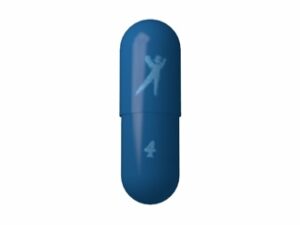
Detrol (Tolterodine) – Patient-Friendly Guide (Australia)
Detrol is a medicine used to treat overactive bladder (OAB). It works by helping calm bladder muscle activity and reducing symptoms such as urgency, frequent urination, and urge incontinence. This page explains how Detrol works, how it is used, what to expect, key safety information, and practical tips for everyday use in Australia.
Key product information
| Feature | Details |
|---|---|
| Medicine name | Detrol |
| Active ingredient | Tolterodine |
| What it’s used for | Overactive bladder symptoms (urgency, frequency, urge incontinence) |
| Medicine class | Antimuscarinic (anticholinergic) bladder antispasmodic |
| How it’s taken | Oral tablet/capsule depending on the specific brand and formulation |
| Common side effects | Dry mouth, constipation, blurred vision, headache, nausea, dizziness |
| Onset of benefit | Often within days; full effect may take a few weeks |
What overactive bladder is
Overactive bladder (OAB) is a condition where you may feel a sudden, hard-to-delay urge to urinate (urgency). It can also cause going to the toilet more often than expected (frequency) and can lead to leaking urine when you feel the urge (urge incontinence). Detrol helps reduce bladder overactivity so you can gain better control.
How Detrol works (mechanism of action)
Tolterodine belongs to a group of medicines called antimuscarinics. Your bladder muscle and glands are influenced by a natural chemical called acetylcholine. When acetylcholine acts on “muscarinic receptors,” it can contribute to bladder contractions and overactivity.
Detrol blocks muscarinic receptors in the bladder. This reduces involuntary bladder contractions, which can lower urgency, frequency, and urge incontinence. The result is usually a calmer bladder and fewer “unexpected” trips to the toilet.
Pharmacokinetics (how the body handles tolterodine)
Pharmacokinetics describes what happens to a medicine from the moment you take it until it leaves your body. While exact levels vary between people, the general pattern for tolterodine includes:
- Absorption: Tolterodine is absorbed after oral dosing.
- Distribution: It distributes throughout body tissues, including the urinary tract.
- Metabolism: It is metabolised mainly in the liver, including via cytochrome P450 enzymes (notably CYP2D6 and others depending on the pathway).
- Elimination: Metabolites and drug-related activity are excreted primarily through the urine.
- Half-life: The time for blood levels to reduce varies by formulation and individual factors.
Because tolterodine is processed by liver enzymes and cleared by the body, dose adjustments may be considered for people with liver impairment or kidney impairment.
Typical use in Australia
Detrol is commonly used to treat symptoms of overactive bladder in adults, particularly when symptoms such as urgency, urinary frequency, and urge incontinence significantly affect quality of life.
Common indications (when it may be prescribed)
- Urinary urgency: a sudden need to urinate that’s difficult to delay
- Urinary frequency: urinating more often than you consider normal
- Urge incontinence: leakage after a strong urge to urinate
Timing: when to take Detrol and when to expect results
The best timing depends on the exact product strength and formulation. Always follow the directions provided with your medicine. In general:
- Consistency matters: try to take it at the same time(s) each day.
- Starting effect: some people notice improvement within a few days.
- Full benefit: it may take a few weeks to reach the best symptom control.
- If symptoms persist: if there’s little improvement after an appropriate trial, your clinician may review the dose or options.
Food interactions: can you take Detrol with meals?
Tolterodine can generally be taken with or without food, but individual product instructions may vary. To reduce stomach upset, many people find it helps to take Detrol with a meal or with a glass of water.
Practical tip: choose a routine (for example, “after breakfast” or “with dinner”) so it becomes easier to remember. If you notice symptom changes related to meals, let your healthcare professional know.
Alcohol interactions
Alcohol can worsen certain side effects associated with antimuscarinic medicines, such as dizziness, blurred vision, and drowsiness. It may also contribute to dehydration and can sometimes affect bladder habits.
- Recommendation: limit alcohol and observe how you feel after drinking.
- Safety: avoid driving or operating machinery if you experience dizziness or blurred vision.
Medicine interactions (important)
Detrol can interact with other medicines. Interactions can increase the risk of side effects or change how well treatment works. The key issue is often additive anticholinergic effects and effects on liver metabolism.
Medicines to be cautious with
- Other antimuscarinic/anticholinergic medicines (for example, some treatments for bladder symptoms, gastrointestinal cramping, motion sickness, or allergies causing drowsiness) may increase side effects such as dry mouth and constipation.
- Medicines that affect heart rhythm (some medicines can influence cardiac conduction). Because tolterodine may affect certain electrical activity, clinicians may take a cautious approach if you take rhythm-affecting drugs.
- Strong inhibitors of CYP enzymes may raise tolterodine levels and increase side effect risk. Examples can include some antifungals and certain antibiotics/antivirals (specific medicines depend on local prescribing practices).
- Medicines that worsen urinary retention may increase the risk of difficulty passing urine.
Always check before starting
Tell your healthcare professional or pharmacist about all medicines you take, including:
- prescribed medicines
- over-the-counter products
- herbal supplements
- sleeping tablets and anxiety medicines
- cold and allergy medicines
Dosing: how Detrol is commonly taken
Dosage depends on the specific formulation and your health factors (such as kidney or liver function). The information below is general guidance to help you understand how dosing typically works; use the instructions provided for your exact product.
Typical adult dosing approach
- Dosing is usually started at a level intended to balance symptom control and tolerability.
- Your clinician may adjust dose based on response and side effects.
- If you have kidney impairment or liver impairment, a reduced dose may be recommended.
Missed dose
- If you miss a dose, take it when you remember unless it is close to the next scheduled dose.
- Do not take a double dose to make up for a missed tablet.
- If you’re unsure, check with a pharmacist for advice.
Safety profile: what to watch for
Like all medicines, Detrol can cause side effects. Many are mild to moderate and may improve as your body adjusts. However, some effects require prompt medical attention.
Common side effects
- Dry mouth (very common with antimuscarinics)
- Constipation
- Blurred vision
- Headache
- Nausea
- Dizziness
- Dry eyes or reduced sweating
Less common but important side effects
- Difficulty urinating or reduced urine flow
- Severe constipation or abdominal pain
- Confusion or unusual drowsiness (more likely in some older adults or those sensitive to anticholinergic effects)
- Worsening of narrow-angle glaucoma (painful eye symptoms are an emergency—see below)
Seek urgent help if
- Eye pain, blurred vision that worsens suddenly, halos around lights, or severe redness (possible acute angle-closure glaucoma)
- Inability to pass urine combined with discomfort or abdominal swelling
- Severe allergic symptoms such as swelling of the face/lips, difficulty breathing, or widespread rash
- Signs of severe constipation (severe abdominal pain, vomiting, or no bowel movements with worsening symptoms)
Who should use extra caution
Inform your healthcare professional if any of the following apply:
- Urinary retention or problems starting urination
- Gastrointestinal narrowing or significant constipation
- Glaucoma, especially narrow-angle glaucoma
- Myasthenia gravis
- Difficulty swallowing or severe reflux symptoms
- Older age or a history of sensitivity to anticholinergic medicines
- Heart rhythm problems or a known history of QT prolongation (your clinician may consider ECG monitoring depending on your risk)
- Current use of multiple medicines with anticholinergic properties
Practical use tips for better tolerance and results
- Manage dry mouth: sip water regularly, choose sugar-free chewing gum, or use saliva substitutes if available. Keep a bottle of water nearby, especially during the day and at night.
- Prevent constipation: maintain fibre intake, drink adequate fluids, and consider a gentle stool softener if advised by a pharmacist. Review any other medicines that may contribute to constipation.
- Be careful with driving: blurred vision or dizziness can occur. If affected, avoid driving and dangerous activities until you know how you respond.
- Bathroom routine: bladder training and scheduled toileting can complement medicine. Many people find a plan such as timed voiding helps reduce urgency episodes.
- Warm weather caution: antimuscarinics can reduce sweating. Take care to avoid overheating, particularly in hot climates or during exercise.
- Track symptoms: keeping a simple bladder diary (times you urinate, urgency level, episodes of leakage) can help your clinician adjust treatment effectively.
- Don’t stop suddenly without advice: if side effects are troublesome, discuss options rather than abruptly stopping.
Alternative options for overactive bladder
Treatment for OAB often includes a combination of lifestyle strategies, bladder training, physiotherapy, and medicines. If Detrol isn’t suitable or symptoms persist, there are several alternatives.
Non-medicine options
- Bladder training and scheduled voiding
- Pelvic floor muscle training (often with a physiotherapist)
- Fluid management and identifying bladder irritants
- Reducing caffeine and limiting bladder irritants (some people benefit from avoiding fizzy drinks, alcohol, and very acidic beverages)
Other medicine options
- Other antimuscarinics (different dosing forms and tolerability profiles)
- Beta-3 adrenergic agonists (a different mechanism from tolterodine; may be considered depending on your clinical situation)
If you’re comparing options, ask your healthcare professional about expected benefits, side effects, dosing schedule, and how to choose the best match for your symptoms and lifestyle.
Market and legal context in Australia (general)
In Australia, the availability and classification of medicines are governed by national and state/territory regulations and by the scheduling status of the product. Many bladder medicines and antimuscarinics are supplied only through appropriate pharmacy channels.
For online pharmacy purchases, suppliers must follow Australian rules for safe supply, including verification of suitability and appropriate counselling where required. Availability can vary by brand/formulation and stock levels.
Always ensure you’re buying from a legitimate Australian pharmacy or supplier that complies with local requirements. If in doubt, check whether the product is listed for supply and ensure the label includes the correct active ingredient and strength.
Recent guidance and clinical considerations (what to expect)
Clinical practice for OAB typically emphasises:
- Individualising treatment based on symptom severity and tolerability
- Reviewing medication burden, especially anticholinergic load in older adults
- Ongoing follow-up to confirm improvement and manage side effects
- Combining medication with behavioural strategies where appropriate
Your clinician may also review: post-void residual urine (to assess urinary retention risk) and consider other conditions that can mimic OAB, such as urinary tract infection, bladder stones, or uncontrolled diabetes.
Delivery and availability
Online pharmacy options in Australia may offer convenient home delivery or pickup depending on the supplier. Availability depends on formulation, strength, and current stock.
- Delivery times: vary by location and courier service.
- Packaging: medicines are typically dispatched in tamper-evident packaging.
- Storage: store tablets according to the label (commonly at room temperature away from moisture and heat).
- Keep the original packaging: it helps confirm strength and expiry date.
FAQ
1) How long does it take Detrol to work?
Many people notice some improvement within a few days, but for others it can take a few weeks to achieve full benefit. If you don’t see any improvement after a reasonable trial, discuss adjustment or alternative options with a healthcare professional.
2) What side effects are most common?
Dry mouth and constipation are among the most common. Other possible effects include blurred vision, headache, nausea, and dizziness. If side effects are severe or persistent, seek advice promptly.
3) Can I take Detrol with food?
In general, tolterodine can be taken with or without food, but follow the instructions on your specific product. Taking it with a meal may help reduce stomach upset for some people.
4) Is it safe to drink alcohol while taking Detrol?
Alcohol may worsen dizziness, blurred vision, or drowsiness and may contribute to dehydration. If you choose to drink, keep it limited and see how you feel. Avoid driving if affected.
5) What if I forget a dose?
Take the missed dose when you remember unless it’s near your next scheduled dose. Do not take a double dose. If you’re uncertain, ask a pharmacist for guidance.
6) Can Detrol cause trouble urinating?
Yes. Like other antimuscarinics, tolterodine can rarely cause urinary retention or difficulty starting urination—especially if you already have risk factors. If you cannot urinate or develop painful urinary symptoms, seek urgent medical advice.
7) Are there any people who should avoid or use Detrol with extra caution?
People with certain conditions (such as narrow-angle glaucoma, significant constipation, urinary retention risk, certain gastrointestinal conditions, or myasthenia gravis) may need extra caution. Always discuss your medical history and current medicines with your healthcare professional.
8) What medicines commonly interact with Detrol?
The main interaction concern is additive anticholinergic effects from other medicines and potential changes in tolterodine levels from drugs that affect liver enzymes. Inform your pharmacist about all medicines and supplements you use.
9) What should I do if my dry mouth is severe?
Increase fluid intake, use sugar-free gum or lozenges, consider saliva substitutes, and maintain good oral hygiene. If severe dryness affects eating or swallowing, or if you develop concerning symptoms, contact your healthcare professional.
10) Are there alternatives if Detrol doesn’t suit me?
Yes. Options may include other antimuscarinic medicines, a different class such as beta-3 adrenergic agonists, and non-medicine approaches like bladder training and pelvic floor muscle therapy. The best choice depends on your symptom pattern and side effect tolerance.
Important reminder
This information is intended to help you understand Detrol (tolterodine) and discuss it with a healthcare professional. If you have questions about your specific situation, your symptoms, or side effects, seek personalised medical advice.