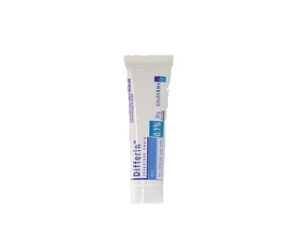
Adapalen (Topical) – Patient Information for Australia
Adapalen is a medicine used mainly for the treatment of acne. It belongs to a group of medicines called retinoids (vitamin A–related medicines) and works by helping to keep pores clear and reduce acne inflammation. This page explains how adapalene works, how to use it safely, what to expect during treatment, and how it fits into typical acne care in Australia.
| At a glance | Details |
|---|---|
| Medicine | Adapalene (topical retinoid) |
| Common uses | Acne vulgaris (blackheads, whiteheads, inflamed spots) |
| How it’s applied | Usually once daily to clean, dry skin (often at night) |
| Typical timeframe | Some improvement may be seen in 6–8 weeks; best results often after 12 weeks+ |
| Key precautions | May cause dryness/irritation; avoid eyes, lips, corners of nose |
| Common side effects | Skin dryness, redness, peeling, mild burning/stinging |
Basic product information
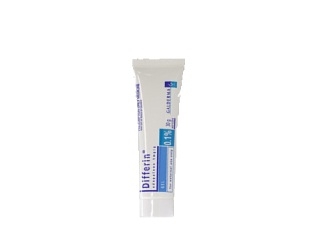
Adapalene is a topical medicine available in different formulations (commonly gels and creams) and at different strengths depending on the product brand. It is used to treat acne by targeting acne-related processes in the skin.
In acne treatment, adapalene is often described as a “maintenance and clearing” option: it helps prevent blockages in pores and can reduce the formation of new acne lesions over time.
How adapalene works (mechanism of action)
Adapalene is a third-generation topical retinoid. Its main actions include:
- Normalising skin cell turnover: Adapalene helps reduce abnormal “plugging” of pores by promoting more normal shedding and differentiation of skin cells in hair follicles.
- Reducing comedones: It helps clear and prevent blackheads and whiteheads, which are early lesions in acne.
- Anti-inflammatory effects: Acne involves inflammation; adapalene can help lower inflammatory activity in the skin.
- Supporting longer-term control: Because it targets pore blockages and inflammation, it can help reduce the overall cycle of new breakouts when used consistently.
Pharmacokinetics (what happens to the medicine in the body)
When applied to skin, adapalene is designed for local action. Systemic absorption is generally low compared with medicines taken by mouth.
- Absorption: Most of the effect is local to the skin. Only small amounts are absorbed into the bloodstream.
- Distribution: Any absorbed portion distributes through the body at low levels.
- Metabolism and elimination: Absorbed drug is metabolised and cleared mainly through normal body processes.
- Time course: Because it works on skin cell turnover and inflammation, changes in acne tend to take weeks rather than days.
Factors like skin irritation, damaged skin barrier, and the amount applied may influence how much is absorbed. For this reason, using a thin layer and following application instructions is important.
Typical use for acne
Adapalene is commonly used to treat acne vulgaris. It may be recommended for:
- Comedonal acne (blackheads and whiteheads)
- Mild to moderate inflammatory acne (papules and pustules)
- Ongoing control to help prevent new lesions when used regularly
Depending on the severity of acne, adapalene may be used alone or as part of a broader routine that can include cleansers, moisturisers, benzoyl peroxide, and other acne therapies.
When and how to apply (timing and routine)
Many people use adapalene once daily, often in the evening. A consistent routine helps your skin adjust gradually.
Suggested routine (general example):
- Cleanse: Use a gentle cleanser and pat skin dry (avoid rubbing).
- Wait briefly: If your skin is prone to irritation, allow the skin to fully dry before applying.
- Apply a thin layer: Spread a small amount over the affected areas (more is not better).
- Moisturise if needed: If dryness occurs, use a moisturiser. Some people benefit from applying moisturiser before and/or after adapalene (“sandwich” method—see below).
What to expect:
- Early weeks: Mild dryness, peeling, or redness can occur. This does not always mean treatment is failing.
- After several weeks: Many people notice fewer new breakouts and reduced visible lesions.
- Longer-term improvement: Best results are often seen after 12 weeks or longer with consistent use.
Practical tips to reduce irritation
- Start slowly: If you are sensitive, begin with a few applications per week and increase as tolerated.
- Use the “pea-sized” rule: For larger areas like the face, a small amount is usually enough. Spread thinly.
- Moisturiser support: Choose a fragrance-free, non-comedogenic moisturiser.
- Avoid over-cleansing: Washing too often can worsen dryness.
- Don’t apply on broken skin: Avoid areas with cuts, eczema flare-ups, or severe irritation.
Indications (who it’s used for)
Adapalene is indicated for the treatment of acne vulgaris. Indications can vary depending on the specific product and strength available. In general, adapalene is used when:
- There are comedones (blackheads/whiteheads) and/or inflammatory acne lesions
- A topical, pore-targeting anti-acne option is desired
- Longer-term acne prevention and control are needed
For persistent or severe acne, or acne affecting the chest/back extensively, clinicians may consider additional therapies and monitoring. If your acne is severe, painful, scarring, or not improving, seek appropriate medical advice.
Dosing (how much and how often)
Dosing depends on the product strength and your individual skin tolerance. Follow the instructions on the product label or provided directions. Typical regimens include:
- Adults and adolescents: Apply a thin layer once daily to the affected area (often at night).
- Starting therapy: Consider beginning every other night or a few nights per week if you get irritation easily, then increase to daily as tolerated.
- Amount: Use only enough to cover the areas affected—usually a small amount for the face.
- Duration: Use consistently for at least several weeks before judging effectiveness; improvement often takes time.
Do not increase the dose or frequency to speed results. Too much adapalene can increase irritation and may delay progress.
Food interactions
Because adapalene is applied to the skin and systemic absorption is generally low, food interactions are not expected. The main interaction considerations relate to other skincare products and medicines applied to the skin.
Alcohol and medicine interactions
Alcohol
There is generally no direct interaction between topical adapalene and alcohol. However, alcohol can contribute to dehydration and skin irritation in some people, and may worsen dryness.
If your skin becomes very dry or irritated during treatment, reducing alcohol intake and focusing on moisturisation can help.
Other medicines and topical products (medicine interactions)
Adapalene is a topical retinoid. Interactions mainly occur with other skin products that can irritate the skin or affect acne-related pathways.
- Other potentially irritating acne products: Combining with other strong actives (e.g., some exfoliants, harsh toners, high-strength acids) can worsen irritation.
- Topical keratolytics: Products that promote peeling (such as certain exfoliating agents) may increase dryness.
- Retinoids (including other retinoid creams/lotions): Avoid using multiple retinoid-containing products together unless advised.
- Skin-barrier damaging products: Avoid over-scrubbing or using rough brushes/sponges on treated areas.
Common acne combination strategy: Some acne routines combine adapalene with benzoyl peroxide, as they target different mechanisms. If you use benzoyl peroxide, consider spacing products (for example, benzoyl peroxide in the morning and adapalene at night) to reduce irritation. Always patch-test new combinations and adjust based on tolerance.
Safety profile and side effects
Adapalene is generally well tolerated when used correctly. Still, skin reactions are common, especially at the start. Most side effects are local and improve as your skin adapts.
Common side effects
- Dryness and tightness
- Redness
- Peeling or flaking
- Stinging or burning
- Skin irritation at the application site
Less common or serious reactions
Stop using adapalene and seek advice promptly if you experience:
- Severe swelling of the face, lips, or eyelids
- Blistering, severe rash, or worsening burns
- Eye irritation that does not settle (flush eyes with water if contact occurs)
Who should take extra care
- Very sensitive or eczema-prone skin: Start slowly and moisturise appropriately.
- During other skin treatments: Be cautious if using chemical exfoliants, laser, or strong topical agents.
- Sun exposure: Increased sensitivity and dryness can occur. Use sun protection daily.
Sun protection and skin care considerations
Retinoids can make skin more prone to dryness and irritation. While adapalene does not always cause the same level of light sensitivity as some other retinoid medicines, it is still wise to protect treated skin from sun exposure.
- Use sunscreen (SPF 30+ or as advised on your local products) and reapply as needed.
- Use a gentle moisturiser to support the skin barrier.
- Avoid harsh skincare routines that can worsen dryness during the first weeks.
Practical use tips (how to get the best results)
Use consistently
Acne treatment is not instant. Adapalene works by changing skin processes, so consistent daily use (or the gradually increased schedule you can tolerate) is key.
Apply to the right areas
- Cover the acne-prone area, not just each individual spot.
- Avoid eyes, eyelids, corners of the nose, lips, and areas of broken skin.
Try the “sandwich method” if you’re dry
If irritation is an issue, you can moisturise before and after applying adapalene (or apply moisturiser after). This can reduce stinging without stopping treatment.
Be patient with the adjustment period
Some people experience increased redness or visible flaking in the beginning. If irritation is mild, it often settles over time. If symptoms are severe, reduce frequency and speak to a healthcare professional or pharmacist.
Food interactions, skincare ingredients, and routine compatibility
Food interactions are not a major concern for topical adapalene. However, skincare ingredients can influence tolerance. When starting adapalene, consider simplifying your routine:
- Choose gentle cleansers and moisturisers.
- Avoid starting multiple new actives at once (e.g., strong exfoliating acids plus adapalene).
- If using other acne treatments, introduce them gradually and one at a time.
Alcohol and treatment comfort
While alcohol does not typically interact directly with adapalene, it may indirectly affect comfort by worsening dehydration or skin dryness. If you drink alcohol while using acne treatments and notice increased irritation, consider reducing alcohol intake and reinforcing your moisturising routine.
Alternative options for acne
Acne varies from person to person. If adapalene is not suitable, not tolerated, or not providing enough improvement, there are several alternative topical and non-topical options. Examples include:
- Benzoyl peroxide: Helps reduce acne bacteria and inflammation; may be used in the morning or as directed.
- Salicylic acid: Aids exfoliation and unclogs pores; can irritate some users but may be gentler depending on strength.
- Topical antibiotics (where appropriate): Used for certain patterns of inflammatory acne under professional guidance.
- Oral therapies: For more severe cases, clinicians may consider oral treatments and monitoring.
Your choice depends on your acne type (comedonal vs inflammatory), skin sensitivity, and whether you prefer a retinoid-based approach. In Australia, a pharmacist can also help you choose supportive products such as non-comedogenic moisturisers and gentle cleansers.
Market and legal context for Australia
In Australia, the availability and classification of acne medicines can differ by formulation strength and product type. Many topical acne treatments are available through pharmacists and some are sold over the counter, while others may require additional steps depending on product registration and strength.
When purchasing adapalene online, it’s important to ensure the product is sourced from a reputable supplier and matches the registered indications and strength for Australia. Always read the product label carefully, including directions for use and warnings.
Recent guidance and practical updates (what to know now)
Acne care guidance increasingly emphasises:
- Gradual introduction of retinoids to improve tolerance
- Skin barrier support with moisturisers and gentle cleansers
- Consistent sun protection
- Avoiding unnecessary irritation by limiting multiple strong actives at the same time
Many dermatology and primary care recommendations also reflect that retinoids like adapalene remain a cornerstone for comedonal acne and long-term prevention when used properly.
Delivery and availability in Australia
Adapalene products may be available online through approved pharmacy channels. Availability can vary by brand and formulation (for example, gel vs cream) and by strength. When ordering online:
- Check product details (brand name, strength, and formulation type).
- Confirm expiry date and packaging integrity when delivered.
- Allow time for delivery based on your location and selected shipping option.
If you are unsure which product best matches your skin type and acne pattern, consider consulting a pharmacist before placing an order.
Safety checklist (before you start)
- Read the product label and follow directions for use.
- Plan for dryness: moisturiser and sun protection are often helpful.
- Do a patch test if you have very sensitive skin.
- Avoid simultaneous introduction of multiple new acne actives.
- Keep out of reach of children and store as directed on the pack.
FAQ – Frequently asked questions about Adapalen
1) How long does adapalene take to work?
Many people notice early changes in 6–8 weeks, but clearer results often take longer. Consistent use for 12 weeks or more is commonly needed to judge effectiveness.
2) Will my acne get worse at the beginning?
Some initial redness, dryness, or visible changes can occur in the first weeks. This can be part of skin adjustment. If acne noticeably worsens or irritation is severe, reduce frequency and seek advice from a pharmacist or clinician.
3) Can I use adapalene with moisturiser?
Yes. Moisturising is often recommended, especially if you feel dryness or stinging. For sensitive skin, you may use the “sandwich method” (moisturiser first, then adapalene, and moisturiser again after).
4) Can I use makeup while using adapalene?
Usually yes. Choose non-comedogenic, fragrance-free products where possible. Remove makeup gently and avoid scrubbing. Apply adapalene to clean, dry skin.
5) Should I use adapalene in the morning or at night?
Many people apply adapalene at night because it can reduce the chance of mixing with other day-time skincare. Follow the instructions on your specific product label and use a time of day you can keep consistent.
6) Can I combine adapalene with benzoyl peroxide?
Some acne routines combine them effectively, but they can both irritate skin. If you combine, start slowly and consider spacing applications (e.g., one in the morning and the other at night). Patch test and adjust if irritation occurs.
7) Is it safe to use adapalene on the whole face?
It is commonly used over acne-prone areas (not just individual spots) if advised by the product directions. A thin layer is important. Avoid eyes, lips, and corners of the nose.
8) What should I do if I miss a dose?
Apply it when you remember unless it’s close to the next dose. Do not apply extra to “catch up.” Continue your regular schedule.
9) What if I accidentally get adapalene in my eyes?
Rinse immediately with plenty of cool water. If irritation persists or you experience significant discomfort, seek advice promptly.
10) Can I drink alcohol while using adapalene?
There’s generally no direct interaction with alcohol. However, alcohol may worsen dryness in some people, so focus on hydration and skin moisturisation if irritation occurs.
11) Are there any food interactions?
Food interactions are not expected with topical adapalene because systemic absorption is low. The bigger considerations are usually other skincare products and how sensitive your skin is.
12) What are good supportive products to use with adapalene?
Typically, a gentle cleanser, a fragrance-free moisturiser, and daily sunscreen help reduce irritation and support the skin barrier. Look for non-comedogenic options where possible.
When to seek help
Speak to a pharmacist or healthcare professional if you experience severe irritation, signs of allergy (such as swelling or widespread rash), no improvement after a reasonable trial (often around 12 weeks), or acne that is painful, scarring, or affecting self-esteem significantly.
Consistent, gentle use is the foundation of effective acne treatment. With patience and good skin care, adapalene can be a valuable option for clearer, more even skin over time.