
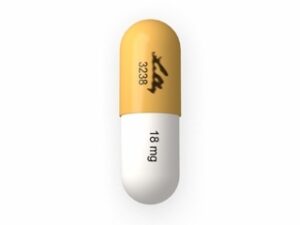
Atomoxetine (Strattera® and other atomoxetine brands) – Patient Guide (Australia)
Atomoxetine is a medicine used for attention deficit hyperactivity disorder (ADHD). It is different from many older ADHD treatments because it is a non-stimulant option. Many people like atomoxetine because it can help with ADHD symptoms while not belonging to the same medicine group as stimulant medications. This guide explains how atomoxetine works, how it’s taken, what to expect, and important safety and interaction information.
This information is intended to help you understand the medicine. It does not replace advice from your healthcare professional. If you have questions about your individual situation, speak with a pharmacist or doctor.
Basic product information
| Item | Details |
|---|---|
| Generic name | Atomoxetine |
| Common brand examples in Australia | Strattera® (brand names may vary) |
| Medicine type | Non-stimulant ADHD medicine |
| Form | Oral capsules (strengths vary by product) |
| Typical dosing schedule | Once daily or twice daily depending on the person’s plan |
What is ADHD and when is atomoxetine used?
ADHD can affect attention, impulsivity, and/or hyperactivity. Atomoxetine is used to help manage these symptoms in:
- Children and adolescents (age criteria depend on local product information and clinician assessment)
- Adults with ADHD
Atomoxetine may be considered when a non-stimulant option is preferred or when stimulant medicines are not suitable or not tolerated. Your clinician will consider symptom severity, past medication responses, medical history, and potential risks.
How atomoxetine works (mechanism of action)
Atomoxetine is a selective norepinephrine reuptake inhibitor. In simple terms:
- It increases the availability of norepinephrine (a brain chemical involved in attention and self-control).
- By blocking norepinephrine reuptake, it helps improve regulation of attention, impulse control, and behaviour.
- Atomoxetine does not act the same way as stimulant medications, which typically increase dopamine and norepinephrine signalling via different pathways.
Because of this mechanism, it can take time to notice full benefits. Many people start to see changes within weeks, but maximum effects may take longer.
Pharmacokinetics (how your body handles atomoxetine)
Understanding how atomoxetine is absorbed and processed can help you take it correctly and anticipate side effects. Key points include:
- Absorption: Atomoxetine is absorbed after oral dosing. It can be taken with or without food (see food section).
- Distribution: It distributes into body tissues, including the central nervous system.
- Metabolism: Atomoxetine is mainly metabolised by CYP2D6 in the liver.
- Elimination: It is cleared primarily through metabolism and subsequent excretion.
- Half-life: The time it takes for blood levels to reduce is typically around several hours, but it can be longer in some people.
People who are CYP2D6 “poor metabolisers” may have higher atomoxetine blood levels, which can increase the chance of side effects. Clinicians may adjust dosing accordingly where appropriate.
Typical use and expected timing
Atomoxetine is taken to provide ongoing symptom control for ADHD. Unlike some medicines that act quickly, atomoxetine generally has a delayed onset of benefit.
When should you expect results?
- Early changes: Some people notice improvements in attention or behaviour after 1–2 weeks.
- More noticeable benefit: Often occurs over the next several weeks.
- Maximum effect: May take up to 8–12 weeks (individual response varies).
If you’re just starting, it’s common to have questions such as “Will it work for me?” Keep taking it as directed and allow time for assessment, while reporting side effects promptly.
Indications (what atomoxetine is used to treat)
Atomoxetine is indicated for the treatment of ADHD in:
- Children and adolescents with ADHD
- Adults with ADHD
The exact age limits and prescribing details should be confirmed from the Australian product information and your healthcare professional’s assessment.
Dosing: how atomoxetine is usually taken
Dosing is individualised based on age, body weight, response, tolerability, and other medical factors. Atomoxetine dosing commonly begins at a lower dose and then increases gradually to reduce side effects.
General dosing principles
- Start low, go slow: Gradual dose increases are typical.
- Once daily or divided doses: Some people take it once daily; others may take it twice daily.
- Adherence matters: Taking it consistently helps maintain stable effects.
- Do not adjust without advice: Changes to dose should be guided by your clinician.
Important: Always follow the dosing instructions provided by your healthcare professional and the packaging information.
Timing of doses
- If taken once daily, it is often taken in the morning (or as otherwise advised) to help reduce potential sleep-related side effects.
- If taken twice daily, doses are typically spaced across the day (for example, morning and afternoon/evening) according to your schedule.
- Try to take it at the same time each day to maintain steady levels.
If you miss a dose, follow the guidance on the product label or ask a pharmacist for advice. In general, many ADHD medicines are not doubled to make up for a missed dose.
Food interactions: can you take atomoxetine with meals?
Atomoxetine can usually be taken with or without food. Some people find that taking it with food helps reduce nausea or stomach discomfort.
- Consistency is key: If you choose to take it with food, aim for a similar pattern each day.
- Grapefruit and high-juice habits: While atomoxetine is primarily affected by liver metabolism via CYP2D6, it is still best to discuss regular consumption of substances that can affect liver enzymes with your pharmacist.
Alcohol interactions and safety considerations
There is no “safe amount for everyone” rule, but alcohol may increase side effects such as dizziness, drowsiness, or impaired concentration. Because ADHD already affects attention and impulsivity for some people, alcohol can make symptoms harder to manage.
If you drink alcohol, consider:
- Starting with small amounts and avoiding binge drinking.
- Avoiding driving or operating machinery if you feel affected.
- Seeking advice if you have a history of substance use concerns or liver disease.
Medicine interactions (including common interaction concerns)
Atomoxetine can interact with other medicines, particularly those affecting the liver enzyme CYP2D6. Interactions may increase or decrease atomoxetine levels, affecting effectiveness or side effects.
Examples of medicines that may interact
The list below provides general categories commonly discussed with atomoxetine. Your pharmacist can check your full medication list for interactions:
- Some antidepressants (especially those that inhibit CYP2D6)
- Some antipsychotic medicines (varies by agent)
- Some antiarrhythmics
- Medicines for migraine or other neurological conditions (depending on active ingredients)
- Strong inhibitors or inducers of liver enzymes (depending on what you take)
Herbal and supplement interactions
Some supplements can affect liver enzymes or neurotransmitter balance. Tell your pharmacist if you use:
- St John’s wort
- Other herbal preparations
- High-dose vitamins or “sleep” or “calming” supplements
How to reduce interaction risk
- Keep a current list of all medicines (including over-the-counter products).
- Check interactions when starting a new medicine or supplement.
- Report new side effects after any medication change.
Safety profile: important risks and side effects
Like all medicines, atomoxetine can cause side effects. Many people experience mild effects that improve over time, especially when the dose is increased gradually. However, some symptoms require prompt medical attention.
Common side effects
- Reduced appetite or mild weight changes
- Nausea, stomach discomfort
- Dry mouth
- Headache
- Sleep changes (insomnia or sometimes sleepiness)
- Increased heart rate and/or higher blood pressure
- Dizziness
- Fatigue or mood changes in some people
Serious (seek urgent advice) warning signs
Contact a healthcare professional urgently if you notice symptoms such as:
- Signs of an allergic reaction (swelling of face/lips, rash, severe itching, trouble breathing)
- Severe liver symptoms such as yellowing of skin/eyes (jaundice), dark urine, severe abdominal pain, or persistent vomiting
- Chest pain, fainting, or severe palpitations
- Severe mood changes, agitation, or thoughts of self-harm
- New or worsening suicidal thoughts or unusual behaviour—seek urgent help
- Severe blood pressure changes or rapid heartbeat with feeling unwell
Who should be extra careful?
Extra caution may be needed if you have:
- Heart disease or a history of rhythm problems
- High blood pressure
- Liver problems
- A personal or family history of bipolar disorder or mania (your clinician will assess mood history)
- Other conditions that could be affected by increased norepinephrine activity
Practical use tips for atomoxetine
The following tips can make atomoxetine easier to use and may help improve tolerability. Always follow your clinician’s guidance.
1) Track how you’re feeling
- Use a brief daily note for attention, mood, sleep, appetite, and any side effects.
- Track blood pressure/heart rate if your clinician recommends it.
2) Support appetite and nutrition
- If appetite is reduced, consider smaller, more frequent meals.
- Choose nutrient-dense foods and plan meals around when you feel most hungry.
- For children, clinicians often monitor growth over time.
3) Sleep management
- If sleep problems occur, talk to your pharmacist/doctor—timing adjustments may help.
- Avoid caffeine late in the day.
- Keep a consistent bedtime routine.
4) Reduce nausea or stomach discomfort
- Taking with food may help.
- Stay hydrated and consider taking with a light meal.
- Report persistent vomiting or severe abdominal symptoms.
5) Don’t stop suddenly without advice
If you plan to stop or switch medications, discuss it with a healthcare professional. Stopping or changing may affect symptom control and side effects.
Alternative options for ADHD
ADHD treatment is individual. If atomoxetine isn’t suitable or doesn’t provide enough benefit, there are other options to discuss.
Common alternatives include
- Stimulant medicines (often effective for many people, but suitability depends on your health history and preferences)
- Other non-stimulant medicines used in ADHD care (depending on availability and guideline recommendations)
- Behavioural and educational strategies, including coaching, structured routines, and school/work supports
Your healthcare professional can help weigh benefits and risks and consider comorbid conditions such as anxiety, depression, learning difficulties, or sleep problems.
Market and legal context for Australia
In Australia, ADHD medicines are regulated under the national medicines and poisons framework. Atomoxetine is supplied through legal pharmaceutical channels and is intended for use according to approved indications and prescribing practices.
For online pharmacy supply, legitimate pharmacies follow Australian requirements for patient screening, identity checks (where applicable), and safe dispensing processes. Always ensure you purchase from a trusted, licensed Australian pharmacy website.
Guidance and prescribing practice can change over time. Your clinician and pharmacist will follow current Australian product information and evidence-based ADHD management principles.
Recent guidance and monitoring themes (what clinicians focus on)
While exact “recent guidance” depends on the clinical context and the source, common monitoring themes include:
- Regular review of symptom response (attention, impulsivity, functional outcomes)
- Checking blood pressure and heart rate during treatment, particularly during dose changes
- Monitoring weight and growth in children and adolescents
- Assessing mood and wellbeing, including any new or worsening agitation or depressive symptoms
- Revisiting medicines list for interactions, especially with changes in antidepressants or other liver-metabolised drugs
If you’re switching into atomoxetine from another ADHD medicine, you may require extra follow-up to manage transitions safely.
Delivery and availability in Australia
Atomoxetine is typically available through pharmacy distribution channels in Australia, and supply may vary by strength and brand. When ordering online, delivery options and timeframes depend on stock availability and your location.
What to expect when ordering online
- Verification steps may be required before dispensing to ensure safe supply.
- Some products may have limited stock at times; substitutions may not always be the same brand or strength.
- Delivery times vary; reliable pharmacies display expected delivery windows at checkout.
If you need the medicine quickly, consider contacting customer support to confirm availability of your required strength.
FAQ about atomoxetine
1) Is atomoxetine a stimulant?
No. Atomoxetine is a non-stimulant medicine. It works through norepinephrine pathways rather than the stimulant mechanisms used by many other ADHD medicines.
2) How long does it take to work?
Some people notice improvement within 1–2 weeks, but full benefit often takes several weeks, and maximum effect can take up to 8–12 weeks. Your clinician may adjust the dose to improve effectiveness and tolerability.
3) Can I take atomoxetine with food?
Yes. Atomoxetine can usually be taken with or without food. If you get nausea, taking it with a meal may help. Try to keep your routine consistent.
4) What if I miss a dose?
Don’t double up. Follow the advice on the product label or ask a pharmacist for guidance based on your dosing schedule. Many regimens prefer not to take extra doses to “catch up.”
5) Does atomoxetine affect sleep?
It can. Some people experience insomnia, while others feel more tired. If sleep issues occur, speak with your healthcare professional—timing adjustments are sometimes helpful.
6) Can I drink alcohol while taking atomoxetine?
Alcohol may worsen side effects like dizziness, drowsiness, and impaired concentration. If you choose to drink, do so cautiously and avoid binge drinking. Seek advice if you have concerns about safety or liver health.
7) What medicines should I be careful with?
Tell your pharmacist about all medicines and supplements, especially antidepressants and other drugs that may affect liver enzymes (notably CYP2D6). This helps prevent unwanted side effects or reduced effectiveness.
8) Is atomoxetine used for both children and adults?
Yes. It is used for ADHD in children and adolescents and in adults, depending on local prescribing information and individual clinical suitability.
9) Will atomoxetine change my heart rate or blood pressure?
It can. Your clinician may monitor heart rate and blood pressure, particularly during dose changes. Report palpitations, dizziness, or chest pain urgently.
10) Are there alternatives if atomoxetine doesn’t help?
Yes. Alternatives may include stimulant medicines, other non-stimulant options, and non-medicine strategies such as behavioural therapy and educational supports. Discuss options with your clinician.
Summary
Atomoxetine is a non-stimulant medicine used to manage ADHD symptoms in children, adolescents, and adults. It increases norepinephrine signalling in the brain, and its benefit often builds over weeks rather than hours. Taking it consistently, allowing adequate time for response, and monitoring side effects—especially appetite, sleep, heart rate, blood pressure, and mood—are key parts of successful treatment.
If you are starting atomoxetine or considering switching, talk with your pharmacist or doctor about the right dosing schedule, interaction checks, and what monitoring you may need. For any urgent symptoms such as allergic reactions, severe liver symptoms, chest pain, or significant mood changes, seek medical help immediately.