
Imodium® (Loperamide) – Uses, Dosing, Safety & Availability (Australia)
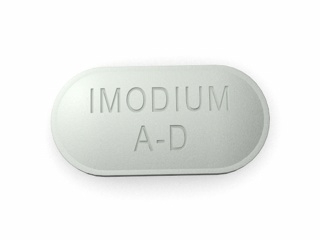
Imodium® contains loperamide, an anti-diarrhoeal medicine used to help control diarrhoea. It works by slowing the movement of the bowel so you can reduce the frequency and urgency of loose bowel motions.
This guide is written for customers in Australia and explains how Imodium works, when to use it, how to take it safely, and what to do if diarrhoea doesn’t improve.
Quick Product Overview
| Feature | What to know |
|---|---|
| Active ingredient | Loperamide |
| Medicine type | Antidiarrhoeal (opioid-receptor agonist acting in the gut) |
| Common forms | Tablets/capsules and other listed retail formats (varies by brand/product) |
| Typical use | Symptomatic relief of acute diarrhoea in adults and children (where age-appropriate) |
| Key safety note | Do not use if diarrhoea is caused by invasive bacterial infection, or if fever/blood in stool is present |
| Onset | Often within a few hours when taken as directed |
How Imodium Works (Mechanism of Action)
Loperamide is an anti-diarrhoeal that works primarily in the intestines.
- Slows bowel movement: It reduces intestinal motility, which helps slow the passage of stool.
- Improves absorption: By slowing transit time, the bowel can absorb more water and electrolytes.
- Reduces urgency: Fewer contractions can decrease the feeling of needing to rush to the toilet.
Important: Imodium treats the symptoms of diarrhoea (frequency/urgency). It does not cure the underlying cause in every case.
Pharmacokinetics (What the Body Does to Loperamide)
Understanding pharmacokinetics helps explain why correct dosing matters.
- Absorption: Loperamide is absorbed from the gut, but the overall amount reaching the bloodstream is limited by metabolism.
- Metabolism: It is extensively metabolised in the liver.
- Excretion: Metabolites are eliminated primarily through the body’s natural clearance routes (including faeces).
- CNS exposure: In normal dosing, loperamide has limited penetration into the brain compared with other opioid drugs due to strong transport barriers and drug metabolism.
Why this matters: Very high doses and certain drug interactions can increase systemic exposure and risk serious effects. Always follow the label directions and maximum daily dose.
Typical Use in Australia
Imodium is commonly used for acute diarrhoea to relieve symptoms such as:
- Frequent watery bowel motions
- Urgency (needing to get to the toilet quickly)
- Reduced stool consistency
It may be used for short-term control of diarrhoea, including diarrhoea related to diet, mild gastroenteritis symptoms without red flags, or “traveller’s diarrhoea” caused by non-invasive causes (where appropriate).
Note: If diarrhoea is severe or persistent, you may need assessment and rehydration rather than relying on Imodium alone.
When to Take Imodium (Timing & How It Fits into Treatment)
Imodium is generally taken as soon as diarrhoea begins—preferably after the first episode of loose stools—following the product directions.
Key steps:
- Start early: Taking it promptly can help reduce ongoing episodes.
- Don’t exceed the dose: Use the dosing schedule on the pack for age/strength.
- Focus on hydration: Use oral rehydration solution (ORS) or fluids, especially if diarrhoea is ongoing.
How long to use: If symptoms do not improve within a short period (commonly 48 hours for acute diarrhoea), stop and seek medical advice. Persistent diarrhoea needs evaluation.
Food Interactions
Loperamide can generally be taken with or without food. However, to support comfort and reduce gastrointestinal irritation:
- Take with water.
- If you feel nauseated, consider taking after small sips of fluid.
- Eat bland foods if tolerated (e.g., toast, rice, bananas, soups).
What matters most: Dehydration risk is driven by fluid loss, so drink fluids/ORS regardless of food.
Alcohol Interactions & Other Medicine Interactions
Alcohol
There isn’t a specific “alcohol + loperamide” rule for every person, but combining alcohol with medicines that affect the nervous system can increase risk of side effects such as dizziness, drowsiness, constipation, and impaired coordination.
- Best practice: Avoid or limit alcohol while treating diarrhoea.
- If you drink alcohol, keep it minimal and monitor for side effects.
Medicine interactions (very important)
Some medicines can affect how loperamide is processed in the body (through liver metabolism and transport systems). This can lead to higher levels of loperamide and greater risk of serious side effects, including heart rhythm problems.
- Seek advice if you take: certain antibiotics/antifungals, HIV medicines, or other medicines that strongly inhibit liver enzymes/transporters.
- Examples to discuss with a pharmacist: medicines known to inhibit P-glycoprotein or CYP enzymes (exact lists depend on your country’s approved products and your personal medication profile).
Always tell your pharmacist or doctor about all medicines you are taking, including:
- Prescription medicines
- Non-prescription medicines
- Herbal supplements
Special caution: Don’t take other anti-diarrhoeal products at the same time unless advised, to avoid overdosing.
Indications (What Imodium Is Used For)
Imodium is indicated for the symptomatic relief of diarrhoea.
In practical terms, it may be used for:
- Acute diarrhoea in adults and appropriate age groups where indicated on the product pack
- Control of symptoms while addressing hydration and, if needed, identifying the cause
Do not use if any of the following apply (unless a clinician specifically advises):
- Diarrhoea with blood in stool
- Diarrhoea with fever (possible invasive infection)
- Severe abdominal pain or marked bloating
- Suspected antibiotic-associated diarrhoea (needs assessment)
- Diarrhoea after recent travel with severe symptoms—consider medical review
Reason: In those situations, slowing the gut may trap harmful organisms or worsen complications.
Dosing in Australia (General Guidance)
Dosing depends on the strength and age of the product you have. Always follow the dosing instructions printed on the pack or provided by your pharmacist.
Typical adult approach:
- Start with the initial dose listed on the label after the first loose stool.
- Then take additional doses after each subsequent loose stool, up to the maximum daily dose on the pack.
- Stop when diarrhoea has controlled or after the recommended short duration.
Children: Loperamide products have strict age limits and dosing schedules. Use only if the product is labelled for the child’s age and only follow the pack directions.
What you should never do:
- Do not take more than the maximum daily dose.
- Do not “keep taking” when diarrhoea is not improving.
- Do not use for prolonged periods without advice.
If you’re unsure about the correct dose for your situation, ask a pharmacist—especially for children, older adults, or if you have other conditions.
Safety Profile & Potential Side Effects
Most people tolerate Imodium well when used correctly. However, as with all medicines, side effects can occur.
Common side effects
- Constipation
- Dizziness or light-headedness
- Nausea or mild abdominal discomfort
- Dry mouth
Serious but uncommon risks (seek help urgently)
Stop and seek urgent medical attention if you experience:
- Severe abdominal pain or a swollen/tight belly
- Blood in stool or black/tarry stool
- Fainting, severe dizziness, or palpitations
- Allergic reactions (swelling of face/lips, hives, trouble breathing)
Overdose risk: Taking too much loperamide (or taking it with interacting medicines) can lead to serious effects including heart rhythm problems and significant central nervous system effects. This is why following label directions and maximum doses is critical.
Practical Use Tips (How to Get the Best Results Safely)
- Rehydration first: Diarrhoea can quickly cause fluid and electrolyte loss. Use oral rehydration solution (ORS) if you’re having multiple loose stools.
- Monitor symptoms: Track stool frequency, presence of blood, fever, and abdominal pain.
- Choose appropriate foods: Stick to bland, easily digested foods while symptoms settle.
- Don’t use longer than needed: If diarrhoea continues beyond a short period, stop self-treatment and seek advice.
- Avoid dehydration: Sip fluids frequently, especially water and ORS.
- Keep away from children: Store safely and out of reach. Loperamide-containing medicines can be dangerous if misused.
Alternative Options for Diarrhoea Relief
Depending on the cause and severity of diarrhoea, other options may be appropriate.
1) Oral rehydration solution (ORS)
This is often the most important step. ORS helps replace water and salts and can reduce complications from dehydration.
2) Probiotics
Some people benefit from certain probiotic strains for diarrhoea duration, especially after infections or when used early. Effectiveness varies by strain and situation.
3) Bismuth subsalicylate (where appropriate)
Some antidiarrhoeal products (availability depends on brand and local supply) may provide symptom relief in certain cases. Follow product-specific directions and consider contraindications (e.g., allergies to salicylates).
4) Seek medical assessment when red flags are present
If diarrhoea is severe, persistent, or accompanied by fever/blood, a clinician may recommend targeted treatment.
Remember: Choosing the right option depends on whether symptoms suggest a non-infectious cause or an invasive infection.
Market & Legal Context in Australia (General Information)
In Australia, anti-diarrhoeal products containing loperamide are commonly available for consumer purchase through pharmacies and retail channels, depending on the formulation and the product’s classification.
Pharmacy-based supply helps ensure the medicine is used appropriately—particularly for children and for diarrhoea with potential red flags.
Always check the pack: product schedules, age limits, and warnings must be followed. If your product differs (e.g., strength or age wording), rely on the label you have in front of you.
Recent Guidance / Best-Practice Advice (What to Do Now)
While guidance can vary by clinical setting, common best-practice themes for diarrhoea management include:
- Hydration is essential: Start ORS or frequent fluid intake early, especially for children and older adults.
- Don’t suppress diarrhoea when red flags exist: Avoid loperamide if blood, fever, or severe abdominal pain suggests invasive infection.
- Stop if no improvement: If acute diarrhoea doesn’t settle within a short timeframe, seek professional advice.
- Watch for dehydration: Reduced urination, dizziness, dry mouth, lethargy, or worsening symptoms require urgent assessment.
If you have a chronic condition (such as inflammatory bowel disease) or take interacting medicines, consider speaking with a pharmacist before using Imodium.
Delivery & Availability (Online Pharmacy)
Imodium (loperamide) is widely available in Australia through pharmacy supply channels. When ordering online, availability may vary by stock levels and formulation.
Delivery considerations:
- Most orders are delivered via standard shipping; express options may be offered depending on the retailer.
- Delivery timeframes depend on your location and the dispatch date.
- Check the product page for current shipping estimates and stock status.
Storage: Store at room temperature, keep away from heat and moisture, and follow the label instructions.
FAQ – Frequently Asked Questions
1) Is Imodium safe to use for diarrhoea?
Imodium is generally safe when used according to the pack directions for your age group and situation. Do not use if diarrhoea includes blood, fever, severe abdominal pain, or suspected antibiotic-associated diarrhoea.
2) How quickly does Imodium work?
Many people notice symptom improvement within a few hours. However, response can vary depending on the cause of diarrhoea and how soon treatment starts.
3) Can I take Imodium with food?
Yes, loperamide can usually be taken with or without food. Drinking water with each dose is recommended.
4) How long can I take Imodium?
For acute diarrhoea, it’s intended for short-term symptom relief. If diarrhoea does not improve within the timeframe stated on the label (often within 48 hours), stop and seek advice.
5) What should I do if diarrhoea comes back?
If symptoms return or worsen, don’t simply repeat loperamide. Consider hydration, monitor for red flags (blood, fever, severe pain), and consult a pharmacist or doctor.
6) Can I use Imodium for travel diarrhoea?
It may be used to relieve symptoms in appropriate situations. If you have fever, blood in stool, or severe symptoms, seek medical advice rather than relying on anti-diarrhoeal suppression.
7) Are there interactions with other medicines?
Yes. Some medicines can increase loperamide exposure and the risk of serious side effects. Tell your pharmacist about all medicines you’re taking, including antibiotics, antifungals, HIV medicines, and herbal supplements.
8) Can I drink alcohol while taking Imodium?
It’s best to avoid or limit alcohol during treatment. If you choose to drink, keep it minimal and watch for side effects like dizziness or constipation.
9) Is Imodium suitable for children?
Loperamide products have age restrictions and specific dosing. Only use if the product is labelled for the child’s age and follow the pack instructions exactly. If unsure, consult a pharmacist.
10) When should I seek urgent medical help?
Seek urgent medical attention if there is blood in stool, high fever, severe abdominal pain, signs of dehydration (very little urine, dizziness, extreme thirst, lethargy), or if you feel faint/palpitations after taking Imodium.
Before You Buy / Use: Quick Safety Checklist
- Are there no red flags (blood, fever, severe pain)?
- Are you using the correct dose for your age and product strength?
- Have you checked the maximum daily dose on the label?
- Are you avoiding medicines that may interact—after speaking with a pharmacist if unsure?
- Are you keeping up with fluids/ORS?
If you’d like, share your age and the type of diarrhoea symptoms you’re having (e.g., watery stools only vs. fever/blood present). I can help you understand whether Imodium may be appropriate and what questions to ask your pharmacist.