Domperidone (Domperidone) – Uses, How It Works, Safety and Practical Tips (Australia)
Domperidone is a medicine used to help relieve symptoms such as nausea and vomiting, and to improve troublesome stomach-related symptoms like a feeling of fullness or slow stomach emptying in appropriate situations. In Australia, domperidone-containing products are available under specific regulatory conditions and are supplied through pharmacies.
This guide is designed to be patient-friendly and practical. It explains how domperidone works, how it behaves in the body, typical uses and timing, food interactions, alcohol and medicine interactions, dosing approaches commonly used in practice, safety considerations, and what to do if you miss a dose. It also includes an FAQ and notes about availability in Australia.
Basic product information
| Feature | Details |
|---|---|
| Active ingredient | Domperidone |
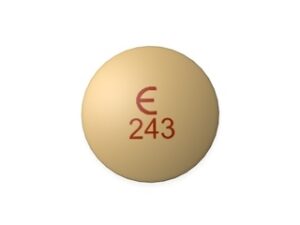
| Common forms | Tablets (strength varies by product and brand) |
| Typical actions | Helps reduce nausea and vomiting; can improve stomach emptying and associated symptoms |
| How it’s usually taken | By mouth, typically before meals or as directed for symptom control |
| Availability in Australia | Regulated supply via pharmacies; availability depends on product category and local requirements |
How domperidone works (mechanism of action)
Domperidone primarily acts by blocking dopamine (D2) receptors in the gastrointestinal tract. Dopamine influences gut movement and the “nausea and vomiting” pathways. By reducing the effect of dopamine, domperidone can:
- Increase stomach motility (help the stomach empty more effectively)
- Reduce nausea and vomiting by influencing signals that trigger vomiting
- Improve symptoms related to delayed stomach emptying (including fullness and discomfort after eating)
Domperidone does not cure the underlying condition causing symptoms, but it can help manage symptoms while the underlying issue is assessed and treated.
Pharmacokinetics (what happens to the medicine in the body)
Pharmacokinetics describes how domperidone is absorbed, distributed, metabolised, and eliminated. While individual results can vary, the following points are useful for understanding timing and duration.
Absorption
Domperidone is absorbed after oral dosing. Food can slow absorption, which is why timing relative to meals matters for best symptom control.
Distribution
After absorption, domperidone distributes throughout the body. It can cross biological barriers in small amounts, which contributes to both therapeutic effects and the importance of safety screening.
Metabolism
Domperidone is metabolised mainly in the liver by drug-metabolising enzymes. Some medicines can change domperidone levels by affecting these pathways, which is why drug interactions are important.
Elimination
Domperidone is eliminated from the body through metabolic processes and excretion. As with many medicines, kidney and liver function may influence how quickly it clears.
Practical implication
Because the medicine’s effect depends on blood levels and because absorption can be affected by food, taking domperidone at the recommended times and avoiding interacting medicines can be key to achieving good results.
Typical uses and indications
Domperidone is generally used for symptom relief related to nausea and vomiting and to assist with symptoms that occur when the stomach empties slowly (gastroparesis or similar functional problems), as determined by clinical assessment.
Common indications in practice
- Nausea (feeling sick)
- Vomiting (including where reduced stomach motility contributes)
- Upper gastrointestinal symptoms associated with delayed gastric emptying, such as:
- Feeling full quickly (early satiety)
- Bloating
- Discomfort after meals
- Indigestion-like symptoms where slow stomach emptying is suspected
If your symptoms are severe, persistent, or accompanied by warning signs (such as unexplained weight loss, difficulty swallowing, blood in vomit, black/tarry stools, or severe abdominal pain), you should seek medical advice promptly rather than relying on symptom relief alone.
When to take domperidone (timing)
Timing can influence effectiveness. In general:
- For best results with stomach-related symptoms: consider taking domperidone before meals. This may help the medicine act before the stomach is challenged by food.
- If your product label or pharmacist directions differ: follow the specific product instructions. Different brands and strengths may have different schedules.
- For nausea/vomiting symptoms: take it at the times recommended for your condition and symptom pattern.
If you’re not sure about the best timing for your situation, speak with a pharmacist for advice tailored to your product and symptoms.
Food interactions (including what to eat and drink)
Food can affect domperidone’s absorption and, therefore, how quickly it works. As a general guidance:
- Taking domperidone with food may delay the onset of action in some people.
- If you take it around meal times, taking it before meals may provide better symptom control.
Practical meal tips
- Eat smaller meals if you experience fullness or early satiety.
- Avoid lying down immediately after eating.
- If nausea is prominent, try bland foods and adequate hydration.
Alcohol interactions
Alcohol may worsen nausea and can irritate the stomach and gastrointestinal tract. While there isn’t one universal “hard stop” for alcohol, it’s generally advisable to limit or avoid alcohol when you’re using domperidone to control nausea or stomach symptoms.
Alcohol can also interact indirectly by increasing side effects such as dizziness or drowsiness in some people. If you notice worsening symptoms after drinking, avoid alcohol and consider speaking with a pharmacist.
Medicine interactions (important safety information)
Interactions matter with domperidone. Some medicines can affect domperidone levels or influence heart rhythm. Because of this, it’s important to review all medicines you take—especially:
Examples of medicines that may be relevant
- Some antibiotics and antifungals that can affect drug metabolism
- Medicines for heart rhythm or that can affect the QT interval
- Some antidepressants and antipsychotic medicines
- Medicines for nausea or reflux that also affect dopamine pathways
- Strong CYP3A4 inhibitors (a liver enzyme pathway) may increase domperidone concentrations
This is not a complete list. Always check with a pharmacist if you are taking any prescription medicines, over-the-counter medicines, vitamins, or herbal products (including St John’s wort).
Why interactions are important
Domperidone has been associated with rare but serious heart rhythm changes, particularly in people with risk factors or when combined with interacting medicines. Using interacting medicines together may increase the risk.
Dosing: what is commonly used and how to take it safely
Dosing depends on the product strength and the reason it’s being used, and it may be adjusted based on age and medical history. For safety, it’s crucial to follow the specific dosing instructions on the pack and any professional guidance you receive.
General dosing principles
- Use the lowest effective dose for the shortest duration needed.
- Do not exceed the maximum daily dose listed on the product.
- Review treatment regularly if symptoms persist.
- Older adults may be more susceptible to side effects and may require special caution.
Common practical approach
Many regimens are taken two or three times daily, often before meals, but the exact schedule varies by product. Always check your pack or pharmacist instructions for your specific strength and regimen.
If you miss a dose
- Take it when you remember unless it is close to the next dose.
- If it is close to the next dose, skip the missed dose.
- Do not take double to make up for a missed dose.
How long to use it
Domperidone is intended for symptom relief. If your nausea or vomiting continues beyond a short period, you should have the cause assessed. Long-term use without review is not appropriate.
Safety profile: who should be cautious and what to watch for
Domperidone is generally well tolerated when used correctly. However, like all medicines, it can cause side effects, and there are important safety considerations—particularly regarding certain heart rhythm risks.
Common side effects
- Headache
- Dry mouth
- Dizziness
- Gastrointestinal discomfort
Less common but important effects
- Heart rhythm changes (rare): Domperidone may affect heart rhythm in some people, especially at higher exposures. Risk may be increased by other medicines and certain health conditions.
- Allergic reactions (rare): swelling, rash, difficulty breathing.
- Neurological/hormonal effects (uncommon): Because domperidone interacts with dopamine pathways, some people may experience hormonal-related effects such as breast tenderness or milk discharge, or changes in sexual function.
Seek urgent help if you experience
- Fainting or severe dizziness
- Fast, irregular heartbeat or palpitations
- Chest pain
- Allergic reaction symptoms (swelling of face/lips, difficulty breathing)
Who should be cautious
Talk to a pharmacist before using domperidone if any of the following apply:
- History of heart rhythm problems or known QT interval prolongation
- Low potassium or low magnesium levels
- Significant liver disease
- Taking medicines that can affect heart rhythm or interact with domperidone metabolism
- Symptoms that could indicate a more serious condition (persistent vomiting, severe pain, blood in vomit, black stools)
For children, pregnancy, breastfeeding, or complex medical conditions, dosing and suitability should be discussed with a pharmacist or other qualified health professional.
Practical use tips (to get the best results)
- Follow the timing: taking it before meals may improve effectiveness for stomach-related symptoms.
- Stick to the dose schedule: use the lowest effective dose and avoid exceeding daily totals.
- Review interacting medicines: double-check all medicines and supplements with a pharmacist.
- Stay hydrated if you’re vomiting or not eating well.
- Consider lifestyle support: smaller meals, slower eating, avoiding late-night meals, and avoiding lying down after eating.
- Track symptoms: note when nausea/vomiting occurs and what improves it—this helps determine if further assessment is needed.
Alternative options for nausea and delayed stomach emptying
Depending on the cause of symptoms, other approaches may be appropriate. Your choice should be guided by your symptoms and medical history. Possible alternatives include:
For nausea/vomiting
- Other anti-nausea medicines (different mechanisms of action)
- Rehydration and dietary adjustments when vomiting is mild to moderate
For reflux and indigestion-related symptoms
- Acid-reducing medicines (where acid-related symptoms are dominant)
- Lifestyle measures (meal timing, portion size, head-of-bed elevation)
For suspected slow gastric emptying
- Medical assessment to confirm the diagnosis and determine the most appropriate treatment
- Dietary strategies such as low-fat meals and smaller portions
If your symptoms persist or worsen, it’s important to discuss options rather than repeatedly switching medicines on your own.
Domperidone in the Australian market: legal and regulatory context
In Australia, domperidone-containing products are regulated by the appropriate authorities and are supplied according to the current classification requirements. Availability may vary between product brands and dosage forms, and supply conditions may depend on safety considerations and updates to guidance.
Why regulation matters
Domperidone has well-recognised potential risks in certain circumstances (including heart rhythm considerations), so regulators and professional guidance may emphasise:
- Using the lowest effective dose
- Limiting duration where appropriate
- Careful screening for risk factors
- Attention to drug interactions
Recent guidance and safety emphasis
Safety updates internationally have contributed to ongoing caution, particularly around cardiovascular risk and interaction potential. In Australia, local prescribing/supply practices and product information aim to reflect the most current safety evidence. Always check the most recent product information for your specific brand and strength.
Delivery and availability (Australia)
Availability depends on the specific domperidone product and current supply arrangements. When offered by an online pharmacy in Australia, delivery typically follows standard shipping practices.
What to expect
- Stock availability: items may vary by strength and brand.
- Dispatch times: vary by location and order volume.
- Tracking: many deliveries include tracking updates.
- Cold-chain: domperidone tablets generally do not require refrigeration.
To help ensure a smooth order, have your preferred product strength/brand available and confirm your delivery address details.
FAQ about domperidone
1) What is domperidone used for?
Domperidone is used to help relieve nausea and vomiting and to improve symptoms associated with slow stomach emptying in appropriate circumstances.
2) When should I take domperidone?
Many people take domperidone before meals for stomach-related symptoms. Follow your product label or pharmacist advice for the exact timing and frequency.
3) Does food affect domperidone?
Yes. Food may reduce or delay absorption, which can mean it works less quickly than when taken before meals.
4) Can I drink alcohol while taking domperidone?
It’s generally best to limit or avoid alcohol while you’re using domperidone for nausea or stomach symptoms, as alcohol can worsen stomach irritation and nausea and may increase dizziness or other side effects.
5) What medicines should I avoid with domperidone?
You should be cautious with medicines that affect drug metabolism or may influence heart rhythm. Because the list is not limited to one class, it’s important to discuss all your medicines (including over-the-counter and herbal products) with a pharmacist.
6) What side effects might occur?
Possible side effects include headache, dizziness, and dry mouth. Serious symptoms (such as fainting, severe dizziness, or irregular heartbeat) require urgent medical attention.
7) How long can I use domperidone?
Domperidone is intended for symptom relief and should be reviewed if symptoms persist. Use according to your product instructions and seek medical advice if you need ongoing treatment beyond a short period.
8) Is domperidone suitable for everyone?
Not necessarily. People with certain heart rhythm risks, significant liver problems, or those taking interacting medicines should use caution. Check with a pharmacist if you have risk factors.
9) What should I do if I miss a dose?
Take it when you remember unless it’s close to the next dose. If close, skip the missed dose. Do not take double doses.
10) When should I seek urgent care for vomiting or nausea?
Seek urgent medical care if you experience severe abdominal pain, blood in vomit, black/tarry stools, signs of dehydration (such as very little urine, extreme thirst, or dizziness), chest pain, or persistent vomiting that doesn’t settle.
Important note
This information is general and helps you understand domperidone. Your personal situation matters—especially for dosing, risk assessment, and medicine interactions. For tailored advice, consult a pharmacist and refer to the specific product information for your brand and strength.