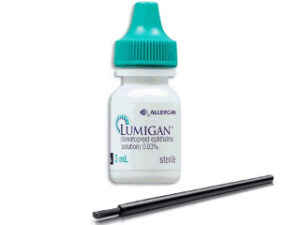
Lumigan (Bimatoprost) — Patient-Friendly Information
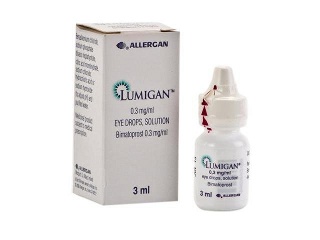
Lumigan is a brand of bimatoprost, a medicine used to treat certain eye conditions by lowering eye pressure. This information explains how Lumigan works, how it is used, what to expect, and important safety considerations. It is written for patients and carers in Australia.
Quick facts
- Active ingredient: Bimatoprost
- Common strengths: 0.03 mg/mL (often used for glaucoma/ocular hypertension) and 0.01% (often marketed as Lumigan in some regions for certain indications)
- Where it’s used: Eye drops (ophthalmic use)
- What it helps with: Lowering elevated intraocular pressure and helping reduce risk of glaucoma progression
- How it’s taken: Usually once daily in the affected eye(s), typically in the evening
Basic product information
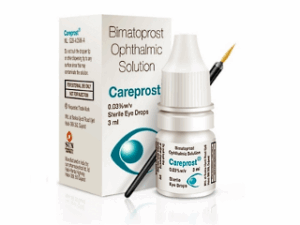
Lumigan contains bimatoprost, a medication that belongs to the prostaglandin-related medicines group. It comes as an eye drop solution. Bimatoprost is designed to be used in the eye to reduce pressure inside the eye (intraocular pressure, or IOP).
How Lumigan works (mechanism of action)
Bimatoprost helps reduce intraocular pressure primarily by improving the outflow of fluid (aqueous humour) from the eye. In simple terms, the medicine increases the way fluid drains, helping maintain a healthier pressure level.
- Primary effect: Increases uveoscleral outflow (a pathway for fluid drainage)
- Additional effects: May also influence other drainage pathways and helps stabilise IOP over time
- Result: Lowering IOP can help reduce the risk of damage to the optic nerve in glaucoma
What conditions is Lumigan used for?
Lumigan is used to treat conditions associated with elevated eye pressure, including:
- Glaucoma (open-angle glaucoma)
- Ocular hypertension (when IOP is higher than normal but without glaucoma damage)
Your treating clinician will confirm the specific diagnosis and the best plan for your situation. Do not use Lumigan for unapproved or cosmetic purposes unless directed by a healthcare professional.
Typical dosing and timing
Most people use Lumigan as an eye drop once daily. A common instruction is to take it in the evening. Follow your prescription label and the instructions provided with your product.
Typical dosing schedule
- Once daily in the affected eye(s)
- Often in the evening (timing may matter for best effect)
If you miss a dose
- Use the missed dose only if it is reasonably close to your usual time.
- If it is near the time for your next dose, skip the missed dose.
- Do not use two doses at once to make up for a missed dose.
How to apply Lumigan (practical technique)
Good technique helps the medicine reach the eye and reduces side effects. The following tips are widely used for eye drops:
- Wash your hands before using the drops.
- Check the dropper tip is not cracked or contaminated.
- Gently pull down the lower eyelid to form a small pocket.
- Place one drop into the pocket, without touching the eye or eyelid with the dropper.
- Close your eye gently and press lightly on the inner corner of the eye (near the nose) for about 1 minute. This may reduce drainage into the tear duct.
- Keep the eye closed for a few moments.
- If you use other eye drops, wait at least 5–10 minutes between medicines to prevent dilution.
If you wear contact lenses, remove them before use. Many clinicians advise waiting before reinserting lenses after instilling eye drops (the exact timing depends on the product formulation and other ingredients). Follow your clinician’s or pharmacist’s instructions.
When does Lumigan start working?
Bimatoprost can begin lowering eye pressure relatively quickly, but the full pressure-lowering effect may take days to weeks. Many people notice that the best results occur with consistent daily use.
- Early changes: may be seen after initial doses
- Full effect: often assessed over several weeks during follow-up appointments
- Monitoring: eye pressure checks and optic nerve assessments are typically part of glaucoma management
Pharmacokinetics (how the body handles bimatoprost)
Pharmacokinetics describes how a medication is absorbed, distributed, metabolised, and eliminated. For ophthalmic medicines, these processes relate mainly to absorption through the eye tissues.
- Absorption: Bimatoprost penetrates ocular tissues after topical administration.
- Distribution: it is distributed within ocular tissues and may undergo systemic absorption to a limited extent.
- Metabolism: bimatoprost is metabolised in the body (including pathways that involve enzymatic processes).
- Elimination: metabolites are cleared primarily via renal (kidney) and hepatic (liver) routes.
In most patients, systemic exposure from properly used eye drops is low. However, side effects can still occur, and patients with certain medical conditions should discuss their overall medication plan with a healthcare professional.
Food interactions
Because Lumigan is used as an eye drop, it is not taken by mouth and generally has no direct food interaction. Food is unlikely to affect the medicine’s effect.
If you are using other medicines by mouth or via injection, your overall drug interactions still matter—talk to your pharmacist if you are unsure.
Alcohol and medicine interactions
There are no well-established direct interactions between Lumigan and alcohol. However, alcohol can indirectly affect eye health (for example, through dehydration) and can worsen general health conditions.
Medicine interactions to be aware of
The most important practical interaction for eye drops is usually between different eye medications used at the same time.
- Other glaucoma medicines: follow the prescribed schedule carefully and allow time between drops (commonly 5–10 minutes).
- Prostaglandin-related eye drops: using multiple medicines from the same group may increase local side effects. Your clinician should guide combination therapy.
- Anti-inflammatory eye drops: these may affect inflammation-related responses. Any combination should be discussed with your healthcare provider.
- Contact with systemic medicines: clinically significant interactions through systemic absorption are generally unlikely due to low systemic exposure, but individual factors vary.
Always tell your healthcare professional about all medicines you use, including eye drops, creams, tablets, and herbal products.
Dose adjustments
Dose adjustments are not commonly needed for most patients using eye drops. However, your clinician may adjust treatment based on:
- response (changes in intraocular pressure)
- side effects (local reactions)
- other eye conditions (e.g., inflammation)
- age and co-existing medical issues
Safety profile: common and important side effects
Like all medicines, Lumigan can cause side effects. Many are mild and related to local eye changes. Some effects may be temporary, while others can persist and may be noticeable (particularly changes to eyelash and iris colour).
Common side effects
- Eye redness or irritation
- Itching or burning sensation
- Dry eyes or watery eyes
- Foreign body sensation (feeling something in the eye)
- Headache (in some people)
- Conjunctival injection (visible redness of the eye surface)
Less common but notable effects
- Eyelash changes: increased eyelash length, thickness, and/or number
- Periorbital skin darkening: skin around the eyes may become darker
- Iris pigmentation changes: bimatoprost may darken the iris in some people, especially with mixed-colour or lighter irides (e.g., blue/green/brown mix)
- Changes in eye appearance: may be visible over time
Serious warning signs—seek medical advice promptly
Contact your clinician or urgent care services if you experience:
- Severe eye pain
- Vision changes (blur, worsening sight, halos)
- Marked swelling of the eyelids or around the eye
- Severe or persistent redness
- Symptoms of eye inflammation (light sensitivity, severe discomfort)
- Signs of an allergic reaction (e.g., rash, swelling, breathing difficulty)
Who should take extra care?
Certain patients may need closer monitoring or special instructions. Tell your healthcare professional if you have:
- previous eye inflammation or uveitis
- recent eye surgery or known risk factors
- eye conditions affecting the cornea or tear film
- significant allergies to eye medicines or preservatives
- a history of macular oedema or risk factors (your clinician will assess suitability)
- use of other prostaglandin or glaucoma drops
Pregnant or breastfeeding patients should discuss use with their doctor. Safety in these situations depends on the individual benefit-risk assessment.
Practical use tips for better results
- Use the same time daily: consistent use helps maintain pressure control. Evening dosing is often recommended.
- Don’t double up: extra drops may increase side effects without improving pressure control.
- Apply carefully: avoiding contact of the dropper tip with the eye reduces contamination risk.
- Remove excess tears: if drops spill onto the cheek, gently blot (don’t rub).
- Separate eye medications: if you use more than one drop type, wait 5–10 minutes between products.
- Protect contacts: remove lenses before dosing if advised, and wait before reinsertion.
- Keep follow-up appointments: glaucoma care depends on regular testing, not only symptoms.
Alternative treatment options
Lumigan is one option for lowering intraocular pressure. Depending on the individual diagnosis and severity, alternatives may include:
Other eye drop options
- Other prostaglandin analogues (similar goal: improve fluid outflow)
- Beta-blocker eye drops (reduce fluid production)
- Alpha-agonist eye drops (reduce production and/or increase outflow)
- Carbonic anhydrase inhibitor eye drops (reduce fluid production)
Non-drop options
- Laser therapy (e.g., for certain glaucoma types)
- Surgical options (for advanced cases or when drops are insufficient)
Your clinician will choose a treatment plan based on your eye pressure readings, optic nerve assessments, visual field tests, and tolerability. If you experience side effects, do not stop abruptly without advice—discuss alternatives with your healthcare professional.
Market and legal context in Australia
Medicines in Australia are regulated under the Therapeutic Goods Administration (TGA) framework. Availability and labelling requirements are determined by regulatory approval and scheduling. For eye conditions such as glaucoma, appropriate assessment and monitoring are important.
In Australia, eye drop products like Lumigan are typically supplied through pharmacies and are intended to be used as directed to help control eye pressure. Always follow the product label, and keep an up-to-date list of your medicines to support safe use.
Recent guidance and clinical monitoring (general overview)
Clinical practice commonly emphasises:
- Adherence to daily drop therapy
- Regular follow-up (IOP checks and tests of optic nerve/visual field)
- Assessment of side effects, especially local ocular effects
- Individualised treatment based on response and tolerability
Guidance can evolve as new clinical evidence becomes available. Your ophthalmologist or optometrist can advise you on the most current approach for your condition.
Delivery and availability (online pharmacy information)
Lumigan may be available through online pharmacies in Australia, depending on product stock and supply. Delivery options, timeframes, and shipping costs vary by provider.
When ordering, please confirm:
- the correct strength and formulation
- the quantity supplied (bottle size)
- the availability of compatible packaging and any handling requirements
If the product is temporarily unavailable, pharmacies may offer alternative stocking or advise you on next steps.
Storage instructions
- Store according to the label instructions.
- Keep the bottle tightly closed when not in use.
- Protect from excessive heat and light.
- Keep out of reach of children.
Overdose information
Because Lumigan is applied to the eye in small amounts, overdose is unlikely. If more drops than recommended are accidentally used, you may experience increased redness, irritation, or watering. Rinse with sterile saline or clean water if advised by your pharmacist or clinician, and seek advice if symptoms persist or vision changes occur.
Frequently Asked Questions (FAQ)
1) Is Lumigan the same as bimatoprost?
Yes. Lumigan is a brand name that contains bimatoprost as its active ingredient.
2) How often should I use Lumigan?
The usual regimen is once daily, often in the evening. Always follow the specific instructions on your product label.
3) Can I use Lumigan with other eye drops?
Many patients use multiple eye medications. If you use more than one eye drop, separate them by at least 5–10 minutes unless your clinician instructs otherwise.
4) What should I do if my eye becomes very red or painful?
Mild irritation can occur, but severe pain, sudden vision changes, or significant swelling require prompt medical attention. Seek advice from your eye care professional as soon as possible.
5) Will Lumigan change my eye colour?
In some people, bimatoprost can cause iris pigmentation changes, which may be permanent. This is more likely in mixed-colour or lighter irides. Discuss your individual risk with your clinician.
6) Why does timing (evening) matter?
For many patients, evening dosing is associated with better pressure control. Try to use it at the same time each day. If you forget your usual time, follow the missed-dose guidance provided above.
7) Does food affect Lumigan?
Generally no. Lumigan is an eye drop and is not affected by food in the way oral medicines are.
8) Can I drink alcohol while using Lumigan?
No direct alcohol interaction is commonly expected, but alcohol may affect hydration and overall health. If you have other conditions or take medications, discuss your overall plan with your pharmacist.
9) Can I wear contact lenses?
You may be advised to remove contact lenses before using the drops and wait before reinserting them. Follow your clinician’s guidance and the product label.
10) What alternatives exist if I can’t tolerate Lumigan?
Alternatives may include other classes of glaucoma eye drops or different prostaglandin-related options, and in some cases laser or surgical approaches. Your clinician can advise the best option based on your response and side effects.
Summary
Lumigan (bimatoprost) is a prostaglandin-related eye drop used to lower intraocular pressure in conditions such as open-angle glaucoma and ocular hypertension. It works by supporting drainage of eye fluid and is usually taken once daily in the evening. Many side effects are mild, but some changes—such as eyelash growth or possible iris pigmentation changes—can be noticeable. Regular follow-up and correct drop technique are key to effective and safe treatment.
| Category | Information |
|---|---|
| Active ingredient | Bimatoprost |
| Form | Eye drop solution |
| Typical dosing | Once daily, commonly in the evening |
| Purpose | Lowers intraocular pressure to support glaucoma care |
| Mechanism | Increases aqueous humour outflow (primarily uveoscleral outflow) |
| Common side effects | Redness, irritation, dryness, watery eyes |
| Notable possible changes | Eyelash changes, periorbital skin darkening, possible iris pigmentation changes |
| Seek urgent advice if | Severe pain, vision changes, marked swelling, significant persistent redness |