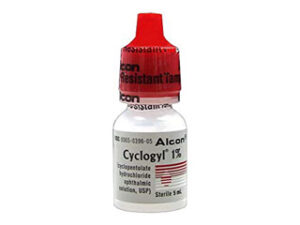
Cyclopentolate (Cyclopentolate Hydrochloride) – Online Pharmacy Guide (Australia)
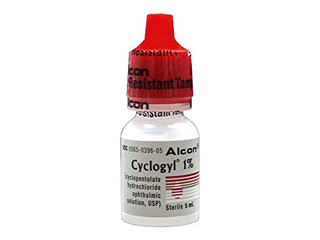
Cyclopentolate is a medicine used to dilate the pupil (widen the black part of the eye) and temporarily paralyse the focusing muscle. It is commonly used in optometry and ophthalmology to help examine the eye properly, including assessing refractive error and evaluating the retina and optic nerve.
This page explains how cyclopentolate works, how it is used, what to expect, safety information, and practical tips. If you have questions about your specific situation, speak with your eye care professional or pharmacist.
Key product information
| Feature | What to know |
|---|---|
| Medicine name | Cyclopentolate (commonly as cyclopentolate hydrochloride) |
| Medicine type | Anticholinergic (antimuscarinic) eye drop used for pupil dilation and cycloplegia |
| Common use | Eye examinations (optometry/ophthalmology), refraction checks, retinal examinations |
| How it works | Dilates the pupil and temporarily reduces focusing (cycloplegia) |
| Typical route | Eye drops (topical to the eye) |
| Duration | Onset typically within minutes; effects often wear off over hours (sometimes longer in children) |
| Strengths available | May vary by brand and formulation (your package label will specify concentration) |
How Cyclopentolate works (mechanism of action)
Cyclopentolate belongs to a group of medicines known as antimuscarinics or anticholinergics. When applied to the eye, it blocks muscarinic receptors in the eye.
- Pupil dilation (mydriasis): Cyclopentolate relaxes the muscle that normally constricts the pupil, leading to a wider pupil.
- Cycloplegia (reduced accommodation): It temporarily paralyzes the ciliary muscle that helps you focus on near objects. This helps clinicians measure refractive error accurately.
- Transient visual effects: While the effect lasts, near vision may be blurry and light sensitivity increases.
Because it acts locally in the eye but can be absorbed to some degree, systemic effects are possible, particularly in children or if too much is used.
Pharmacokinetics (what the body does with it)
Pharmacokinetics describes how a medicine moves through the body—absorption, distribution, metabolism, and excretion. For cyclopentolate used as eye drops:
- Absorption: A portion of the drug can be absorbed through the eye tissues and the nasal passage (when drops drain into the nose via the tear duct). Absorption may be higher in children.
- Onset: Effects begin relatively quickly after instillation, typically within minutes.
- Distribution: The medicine distributes from the ocular tissues to systemic circulation in small amounts.
- Metabolism: Like many anticholinergics, cyclopentolate is metabolised in the body (primarily by liver pathways).
- Excretion: Metabolites and a small amount of active drug are eliminated largely via the kidneys.
Clinical takeaway: The main expected effects are local (dilation and focusing loss). In susceptible individuals—especially children—systemic anticholinergic side effects may occur.
Typical use and when it’s used
Cyclopentolate is used to:
- Dilate the pupils for detailed examination of the eye
- Achieve cycloplegia so an accurate refraction (glasses/contact lens prescription) can be measured
- Evaluate ocular structures such as the retina and optic nerve
- Assist in diagnosing certain eye conditions where exam clarity is improved with pupil dilation
It may be used in children and adults, with dosing adjusted based on age, clinical need, and the formulation used.
Timing: what to expect after using cyclopentolate
Timing can vary between individuals, especially in children. Typical experiences include:
- Onset: pupil dilation and blur typically start within a few minutes.
- Peak effect: often occurs within 30–60 minutes.
- Duration: effects commonly last several hours; near vision may remain blurred longer. Some people (especially children) may experience longer recovery.
- Light sensitivity: may persist until pupil size returns closer to normal.
Practical suggestion: Plan to stay indoors or wear sunglasses outdoors until vision stabilises.
Food interactions
Because cyclopentolate is used as eye drops, it is not usually affected by food. There are no well-established direct food interactions expected for cyclopentolate eye drops.
However: if you or your child experiences dizziness, dry mouth, or blurred vision, it may help to eat and drink normally (unless instructed otherwise) and to avoid activities requiring sharp vision during the recovery period.
Alcohol interactions
There is no specific alcohol interaction documented for cyclopentolate eye drops in the same way as for many oral medicines. Still, cyclopentolate can cause blurred vision, dizziness, or sleepiness in some people. Alcohol may worsen these effects.
- General advice: Avoid alcohol until you know how the drops affect you.
- Safety note: do not drive if vision is affected, regardless of alcohol use.
Medicine interactions
Because cyclopentolate has anticholinergic effects, interactions can be relevant with other medicines that also have anticholinergic properties. When taken together, side effects may increase.
Potential interaction concerns include:
- Other anticholinergic medicines (e.g., some allergy medications, bladder medications, certain antidepressants, antipsychotics, motion sickness medicines)
- Medicines that affect the eye or pupils (clinicians will coordinate use)
- Medicines that raise heart rate or affect nervous system function
Tell your pharmacist about all medicines and eye products you use, including:
- prescription and non-prescription medicines
- herbal products
- vitamins or supplements
- other eye drops or ointments
Indications (what it’s for)
Cyclopentolate is indicated for:
- Pupil dilation to facilitate comprehensive eye examinations
- Cycloplegia to permit accurate measurement of refractive error
- Assessment of eye health including examination of the retina and optic nerve
Important: Use for the eye examination purpose described by your eye care professional. The choice of timing, strength, and dosing depends on clinical need and patient age.
Dosing: typical approach and how it’s administered
Dosing varies with age, the clinical goal (refraction vs retinal exam), and the concentration of the product. Follow the instructions on the product label or as directed by your eye care professional.
Typical dosing patterns used in practice (general guidance):
- Adults: one or more drops in the affected eye(s) may be used before examination.
- Children: dosing may be adjusted carefully; smaller doses or different schedules may be selected to reduce systemic side effects.
Because formulations differ between brands, it’s essential to check the concentration stated on the packaging. If you are unsure, ask a pharmacist to confirm the correct concentration and schedule.
How to apply cyclopentolate eye drops safely
- Wash your hands thoroughly.
- Check the bottle for expiry and avoid touching the dropper tip to the eye.
- Instil the drops into the lower eyelid pocket (the “conjunctival sac”).
- Close your eye gently and keep your gaze lowered for about 1–2 minutes.
- Consider nasolacrimal occlusion: press gently at the inner corner of the eye (near the nose) for 1–2 minutes. This can reduce drainage into the nose and lower systemic absorption.
- If using more than one eye medicine: wait at least 5–10 minutes between different drops (unless your clinician instructs otherwise).
Do not: double-dose if you miss a dose. Instead, resume the schedule advised for the exam plan.
Safety profile: side effects and who should be extra cautious
Most people tolerate cyclopentolate eye drops well when used as directed. Side effects are often related to the expected pharmacologic action (blurred vision, light sensitivity). Less commonly, systemic anticholinergic effects can occur.
Common effects
- Blurred vision (particularly near vision)
- Light sensitivity due to pupil dilation
- Eye irritation, mild stinging, or dryness
- Reduced ability to focus (cycloplegia)
Possible systemic side effects (more likely in children)
- Dry mouth
- Flushing
- Dizziness
- Fast heartbeat (tachycardia)
- Sleepiness or agitation
- Headache
- Restlessness or behavioural changes
Serious reactions – seek urgent advice
Seek immediate medical attention or urgent advice if you notice:
- Severe eye pain or sudden worsening of symptoms
- Significant redness with headache and nausea
- Vomiting or marked unwell feeling
- Rash, swelling, or breathing difficulty (possible allergy)
Glaucoma warning: Cyclopentolate can sometimes precipitate or worsen angle-closure glaucoma in susceptible individuals because it dilates the pupil. If you have a history of narrow angles or glaucoma risk, discuss this with your clinician before use.
Practical use tips (to make treatment easier)
- Plan for blurry vision: Arrange transport after the drops if vision is expected to be affected.
- Wear sunglasses: Pupil dilation increases sensitivity to bright light.
- Use sunglasses for children: They may not recognise discomfort and may rub their eyes.
- Avoid rubbing: Rubbing can spread irritation and increase drug absorption.
- Consider warm indoor lighting: After treatment, comfortable lighting can reduce glare discomfort.
- Protect near vision tasks: Avoid reading/phone use until focusing returns.
- Use occlusion technique: Gentle pressure at the inner eye corner can reduce systemic absorption.
- Keep records: Note the time of instillation and any side effects, especially in children.
Alternative options for eye examination (non-cyclopentolate choices)
Depending on the aim of the eye exam, clinicians may choose different cycloplegic agents or mydriatics. Alternatives can include:
- Atropine (longer acting; commonly used in specific paediatric or refractive conditions under specialist direction)
- Hom atropine / similar formulations (depending on region and availability)
- Tropicamide (often shorter acting; used for pupil dilation)
- Phenylephrine (a sympathomimetic used to dilate the pupil; not the same as cycloplegia)
- Other antimuscarinics selected by eye care professionals based on patient needs
Important: Substituting without guidance may affect how accurately refraction is measured and may change side effect risk.
Market and legal context in Australia
In Australia, the availability and supply status of ophthalmic medicines depends on the specific product formulation and concentration. Many eye drops used for dilation and cycloplegia are supplied under professional direction and may be classified in schedules that require pharmacist involvement.
What this means for customers:
- Always check the product packaging and the information provided at checkout.
- Pharmacist counselling may be required to confirm suitability and safe use.
- For children, dosing and consent/guardianship processes may apply depending on the product and clinical setting.
Good practice: Use cyclopentolate only for the eye examination purpose and schedule recommended by your eye care provider.
Recent guidance and ongoing safety considerations
Eye examination practices continually evolve based on emerging safety data, changes in availability, and updated clinical protocols. In recent years, key emphasis in guidance has included:
- Reducing systemic absorption by using nasolacrimal occlusion and proper drop technique
- Careful paediatric dosing due to greater sensitivity to systemic anticholinergic effects
- Patient selection awareness for narrow-angle glaucoma risk
- Clear counselling on visual impairment (driving, screen use, and outdoor lighting)
If you are using cyclopentolate as part of a scheduled eye test, follow the plan provided by your clinic. If your circumstances differ (e.g., medication changes, new eye symptoms, recent illness), contact your provider before proceeding.
Delivery and availability (Australia)
Online pharmacy availability may vary by brand, concentration, and pack size. Cyclopentolate may be stocked as eye drops under specific trade names depending on supply.
Delivery considerations:
- Orders are typically dispatched after verification of product details and safety checks (where applicable).
- Keep the product in accordance with storage instructions on the label (often at room temperature, protected from excessive heat).
- Check expiry dates before use.
If the exact brand or concentration is not available, the pharmacy may contact you with alternatives that meet the same intended clinical use (subject to suitability and supply rules).
FAQ: Cyclopentolate eye drops
1) Why was cyclopentolate given to me?
Cyclopentolate is used to enlarge the pupils and temporarily stop the eye from focusing closely. This helps your eye care professional perform accurate eye examinations, especially for checking refractive error and examining the retina or optic nerve.
2) How long will my vision be blurry?
Blur and light sensitivity typically last for several hours. The exact duration varies, especially in children. Near vision may remain affected longer than distance vision.
3) Can I drive after using cyclopentolate?
Do not drive if your vision is blurred or you are light-sensitive. Wait until your vision has returned to a level where you can see clearly and comfortably.
4) Will cyclopentolate affect both eyes?
It depends on the examination plan. Some schedules use one drop in each eye; others may target one eye. Follow the instructions provided with your medicine or appointment plan.
5) What if a dose is missed?
If you miss a planned instillation, do not double the dose. Contact your eye care provider or pharmacist for advice on whether to continue with the next scheduled dose and how it may affect the exam timing.
6) Are there any food or drink restrictions?
There are generally no direct food interactions. However, if you feel dizzy or your mouth feels dry, take care and stay hydrated. Avoid alcohol until you know how the drops affect you.
7) Are side effects different in children?
Children can be more sensitive to anticholinergic medicines. While blurred vision and light sensitivity are expected, watch for systemic symptoms such as unusual sleepiness, fast heartbeat, agitation, or dry mouth. Seek urgent advice if concerning symptoms occur.
8) What should I do about light sensitivity?
Wear sunglasses or remain in comfortable indoor lighting. If outdoors, protect eyes from bright sunlight. Ensure children are supervised to reduce discomfort and eye rubbing.
9) Can I use contact lenses?
If you wear contact lenses, ask your clinician or pharmacist. In many cases, contact lenses are not used during dilation because visual clarity is reduced. Follow professional advice for when to remove and when lenses can be reinserted.
10) Is cyclopentolate safe for people with glaucoma?
People with narrow-angle glaucoma risk require extra caution because pupil dilation can be a concern. Tell your eye care professional if you have glaucoma, narrow angles, or a history of severe eye pain during exams.
Summary
Cyclopentolate is an anticholinergic eye drop used to dilate pupils and temporarily paralyse the focusing mechanism. It supports accurate eye examinations by improving the clinician’s view and enabling reliable measurement of refractive error. While blurred vision and light sensitivity are common, most side effects are temporary. Proper instillation technique—especially gentle inner-corner pressure—may help reduce systemic absorption. If you experience severe pain, significant redness, nausea/vomiting, or breathing difficulties, seek urgent medical advice.
If you would like help choosing the right product strength, confirming how to use it, or understanding what to expect at your specific appointment, contact our pharmacy team.