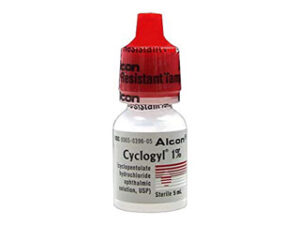
Cyclogyl (Cyclopentolate) Eye Drops — Patient Information (Australia)
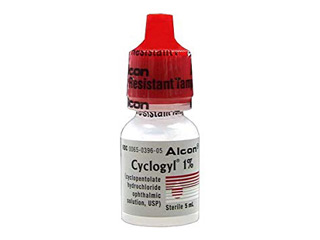
Cyclogyl contains cyclopentolate, a medicine used to dilate (widen) the pupils and temporarily relax the focusing mechanism of the eye. In Australia, it is commonly used in eye care settings to assist examinations and procedures, and in some situations to treat certain eye conditions as directed by a clinician.
This page explains how Cyclogyl works, how it is used, what to expect, and important safety considerations. It is written in a patient-friendly way for online pharmacy customers.
Key product information
| Feature | What you should know |
|---|---|
| Generic name | Cyclopentolate |
| Brand | Cyclogyl |
| Form | Eye drops (topical ophthalmic) |
| Common purpose | Pupil dilation and cycloplegia (temporary loss of focusing) |
| Typical setting | Eye examinations and procedures; selected therapeutic uses |
| How it feels | Blurred near vision, light sensitivity, sometimes mild stinging |
How Cyclogyl works (mechanism of action)
Cyclopentolate is an antimuscarinic (anticholinergic) medicine. In the eye, it blocks muscarinic receptors that normally support:
- Pupillary constriction (so pupils dilate)
- Accommodation (so the eye temporarily cannot focus on near objects)
The result is cycloplegia (paralysis of the eye’s focusing ability) and mydriasis (pupil dilation). This helps clinicians obtain accurate measurements and view the interior of the eye.
Pharmacokinetics (how the body handles it)
Cyclopentolate is applied as drops to the surface of the eye. After instillation:
- Absorption: It can be absorbed through ocular tissues and may enter the bloodstream, particularly if drops drain into the nose and throat.
- Distribution: If absorbed systemically, effects consistent with anticholinergic activity are possible (more likely in children).
- Onset and duration: Its effect on pupil size and accommodation typically develops within a short time after dosing, with recovery generally over several hours.
- Elimination: Cyclopentolate is metabolised and cleared by the body (details vary by individual and route of absorption).
Practical note: To reduce possible systemic absorption, many clinicians recommend nasolacrimal occlusion (gently pressing the inner corner of the eye for a short time after putting in the drop). This can help reduce how much medicine drains into the nose.
Typical uses in Australia
Cyclogyl (cyclopentolate) is used for eye-related purposes that require dilation and cycloplegia, including:
- Eye examinations to help inspect the retina and optic nerve and to assess the eye’s refractive status.
- Retinal and fundus examination (viewing the back of the eye).
- Measurement of refractive error (to improve accuracy in children and when focusing may be difficult).
- Selected therapeutic indications as advised by an eye health professional, where cycloplegia and mydriasis may be helpful.
When will it start working and how long does it last?
The timing can vary depending on age, eye condition, and number of drops used. In general:
- Onset: Effects typically begin within about 20–30 minutes after instillation.
- Peak effect: Often occurs within 30–60 minutes.
- Duration: Cycloplegia and dilation may last several hours, and in some cases may persist longer.
Plan for blurred near vision and increased sensitivity to light. If your eye care provider expects a longer duration, they will advise you accordingly.
Dosing overview (general guidance)
Dosing depends on the person’s age, the purpose of the drops, and clinical judgement. Follow the directions given by your eye health professional or written instructions from your product label.
A common dosing approach in eye examination settings is:
- Instillation: One or more drops into the affected eye(s).
- Repeat timing: If additional drops are needed, they are usually given after a short interval to achieve the desired effect.
Important: Do not increase the dose or frequency beyond what you have been instructed. Children are more sensitive to systemic effects, so accurate dosing is especially important.
How to use Cyclogyl eye drops (practical steps)
- Wash your hands before using the drops.
- Open the bottle and avoid touching the tip to your eye, eyelids, or fingers.
- Tilt your head back and gently pull down the lower eyelid to form a small pocket.
- Instil the prescribed number of drops into the eye pocket without blinking excessively.
- Close your eye gently for 1–2 minutes after dosing.
- Nasolacrimal occlusion (recommended): Press lightly on the inner corner of the eye (near the nose) for about 1 minute to reduce drainage into the nose.
- Wipe away excess liquid with a clean tissue.
- Wash your hands again after use.
Tips to make use easier
- For children: Use a distraction and keep the child’s gaze steady. Ask a clinician for child-specific instructions.
- For light sensitivity: Bring sunglasses to reduce discomfort after dilation.
- Keep vision in mind: Arrange for an adult to accompany you if you’re not able to drive afterwards.
Food interactions
Because Cyclogyl is used as eye drops, food interactions are generally not expected. Systemic absorption can occur but is typically limited when used correctly.
There are no well-known direct interactions between Cyclogyl and foods. However, if systemic absorption occurs (more likely in children), anticholinergic effects like dry mouth or flushing could indirectly affect comfort with eating or drinking.
Alcohol interactions
No specific direct interaction is commonly reported between Cyclogyl and alcohol. However, cyclopentolate can cause blurred vision and other anticholinergic effects.
- Avoid alcohol if it could worsen dizziness or impaired coordination.
- Do not drive or operate machinery if your vision is blurred or you feel unwell.
Interactions with other medicines
Cyclopentolate’s antimuscarinic activity may theoretically be enhanced when combined with other medicines that also have anticholinergic effects. Tell your pharmacist or clinician about all medicines you use, including eye drops and tablets.
Examples of medicines that may be relevant
- Other anticholinergic medicines (for example, some bladder, allergy, or Parkinson’s medications)
- Medicines that can cause sedation or blurred vision
- Dry-eye or glaucoma drops (if you are using additional ophthalmic products, timing may matter)
Spacing eye drops: If you use other eye drops, ask your pharmacist how to space them. Many clinicians recommend waiting between different drops to avoid washing out one with another.
Indications (when Cyclogyl is used)
Indications may include:
- Mydriasis and cycloplegia for comprehensive eye examinations
- Refraction testing where temporary loss of accommodation improves measurement accuracy
- Therapeutic cycloplegia for certain eye conditions as advised by an ophthalmologist or optometrist
Because eye conditions vary, the exact reason for use should be determined by a qualified eye health professional.
Safety profile and who should be cautious
Cyclogyl is generally well tolerated when used correctly. Side effects are usually related to the expected drug effect (dilation and blurred vision) or local irritation.
Common or expected effects
- Blurry vision, especially for near work
- Light sensitivity (photophobia)
- Temporary stinging or mild irritation
- Dry mouth in some people (more likely if absorbed systemically)
- Redness of the eye (mild)
Serious side effects — seek urgent help
Seek urgent medical attention if you experience any of the following:
- Severe eye pain or rapidly worsening redness
- Marked headache, nausea, or vomiting with eye discomfort
- Significant worsening of vision beyond expected temporary blur
- Symptoms of systemic anticholinergic effects such as confusion, agitation, fast heartbeat, or trouble breathing (especially in children)
- Allergic reaction symptoms (swelling of face/lips, hives, difficulty breathing)
Who should be extra cautious
- Children: They are more susceptible to systemic effects. Proper dosing and careful administration are crucial.
- People with narrow-angle glaucoma risk: Pupil dilation can be problematic in susceptible individuals. Discuss eye history with a clinician.
- Individuals with existing dry eye or sensitive eyes: you may experience more irritation.
- Anyone prone to anticholinergic side effects (for example, those on multiple anticholinergic medicines).
How to manage side effects
- Light sensitivity: Wear sunglasses and reduce bright indoor lighting. Avoid direct sunlight.
- Blurred vision: Avoid reading fine print, using phones for extended periods, and driving until vision clears.
- Dryness: If allowed by your clinician, consider lubricating drops after appropriate spacing. Avoid mixing with the timing of Cyclogyl unless advised.
Practical use tips (to get the best result and reduce risk)
- Use the correct dose: Make sure you have the right strength and follow written instructions.
- Do not touch the dropper tip: This helps prevent contamination.
- Close your eye gently: This can improve local effect and reduce drainage.
- Nasolacrimal occlusion: Press the inner corner to reduce systemic absorption.
- Plan for transport: If you are attending an appointment, consider sunglasses and ensure someone can help if needed.
- Keep a record: Note the time you used the drops. This is useful if you need further dosing or follow-up.
Alternative options
Depending on the reason for dilation or cycloplegia, eye care professionals may use other agents. Options can include:
- Other cycloplegic agents used for refraction and examination (choice depends on age, desired effect, and side effect profile)
- Mydriatic medicines that dilate the pupil without fully cyclopleging (used in some diagnostic situations)
- Adjustments to examination technique (especially in children who may be sensitive to cycloplegics)
The best alternative depends on your diagnosis, age, medical history, and the clinician’s preferred regimen. Discuss with an optometrist or ophthalmologist if you have concerns about duration, irritation, or tolerability.
Market and legal context for Australia
In Australia, eye medicines are supplied according to regulatory requirements and classification. Availability and prescribing rules depend on the product strength, presentation, and intended use.
When buying online, ensure:
- You select a legitimate Australian product with appropriate labels.
- You follow the directions provided for your specific use.
- Any child use is supervised with correct dosing.
Always consult a qualified healthcare professional for decisions about suitability, especially if you have glaucoma risk, are pregnant, or are administering drops to a child.
Recent guidance and practical updates
Guidance for cycloplegic use has increasingly emphasised:
- Safer administration techniques to reduce systemic absorption (for example, nasolacrimal occlusion)
- Careful dosing in children to minimise anticholinergic side effects
- Patient counselling on driving, school/work timing, and photophobia
Availability can change over time due to supply and regulatory factors; your pharmacy can advise on current stock status and suitable options.
Delivery and availability (online pharmacy)
Availability of Cyclogyl may vary by stock levels and distribution schedules. Many online pharmacies offer:
- Home delivery within Australia (timing depends on location and carrier service)
- Tracking for dispatched orders (where available)
- Substitutions only when permitted and appropriate, with customer notification
To avoid delays, check:
- Current product listing status (in stock, limited stock, or backorder)
- Estimated delivery timeframes at checkout
- Packaging and storage requirements (store as directed on the label)
FAQ — Frequently asked questions
1) Will Cyclogyl make my eyes light sensitive?
Yes. Dilation commonly causes light sensitivity. Wear sunglasses and avoid bright environments until the effect wears off.
2) Can I drive after using Cyclogyl?
Usually not right away. Cycloplegia can blur vision and reduce depth perception. Avoid driving until your vision is clear and you feel safe.
3) How long will blurred near vision last?
It varies, but cycloplegia often improves over several hours. If you have an appointment planned, allow extra time and follow clinician advice.
4) What should I do if the drops touch my skin or I miss a drop?
If the medicine gets on your skin, wipe it off with clean tissue and wash the area with water if needed. If you miss a drop, do not double-dose—use only the amount instructed.
5) Can I use contact lenses with Cyclogyl?
Because Cyclogyl is an eye surface medication, many clinicians recommend removing contact lenses and waiting before reinserting. Follow the directions on the product label or given by your eye care provider.
6) Are there food or vitamin interactions?
Food interactions are generally not expected because Cyclogyl is used as topical eye drops. Maintain normal diet unless you experience unusual symptoms.
7) Does alcohol interact with Cyclogyl?
No specific direct interaction is common, but alcohol may make side effects like dizziness or impaired vision more noticeable. Avoid driving and consider limiting alcohol until your vision returns to normal.
8) What if I accidentally use too much?
If you suspect an overdose, especially in a child, contact a healthcare professional immediately for advice. If severe symptoms occur, seek urgent medical assistance.
9) Who should not use Cyclogyl?
People with certain eye conditions (such as narrow-angle glaucoma risk) require extra caution. Always disclose your eye history and other medicines to a clinician or pharmacist.
10) What storage requirements should I follow?
Store the bottle as directed on the label (typically at room temperature and protected from light where specified). Keep out of reach of children and close the cap firmly after use.
When to seek help
If you experience severe pain, significant vision changes, severe headache with nausea, or symptoms of systemic anticholinergic effects (particularly in children), contact an urgent care service or emergency department as appropriate.
For general questions about Cyclogyl use, side effects, or timing with other eye drops, speak with your pharmacist or eye care provider.