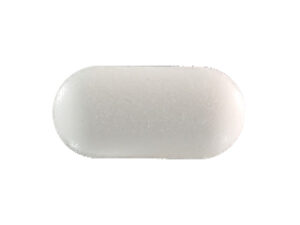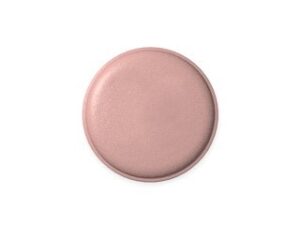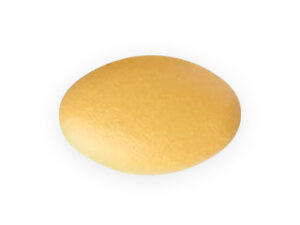
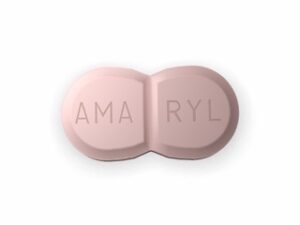
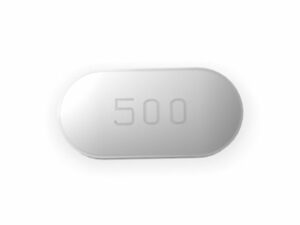
Glimepiride (Oral Diabetes Medicine) — Patient Guide (Australia)
Glimepiride is a medicine used to help control blood sugar in adults with type 2 diabetes. It belongs to a group of drugs called sulfonylureas. Glimepiride works by helping the pancreas release insulin and may also improve how the body uses insulin.
This guide explains how glimepiride works, how it’s usually taken, common interactions and safety considerations, and what you can expect in everyday use. It is written for Australian customers and includes practical tips and FAQs.
Key product information
| Item | Details |
|---|---|
| Generic name | Glimepiride |
| Drug class | Sulfonylurea (insulin secretagogue) |
| How it’s taken | Oral tablet (once or sometimes twice daily depending on your regimen) |
| Who it’s for | Adults with type 2 diabetes when diet, activity and other medicines are not enough |
| Main concern | Risk of low blood sugar (hypoglycaemia), especially with missed meals or certain drug combinations |
How glimepiride works (mechanism of action)
Glimepiride lowers blood glucose primarily by:
- Stimulating insulin release: It binds to specific sites on pancreatic beta cells (the ATP-sensitive potassium channels), leading to insulin secretion.
- Supporting insulin effectiveness: It may improve insulin sensitivity in peripheral tissues, helping glucose move from the blood into cells.
Because glimepiride increases insulin release, its effectiveness depends on the pancreas still producing insulin. Over time, diabetes progression may reduce insulin production, which is why monitoring and ongoing care are important.
Pharmacokinetics (how the body handles it)
Understanding pharmacokinetics can help explain timing, side effects, and why food and other medicines matter.
- Absorption: Glimepiride is absorbed after oral dosing.
- Peak effect: Blood levels typically rise after a dose, with maximum concentrations occurring within a few hours.
- Metabolism: It is metabolised mainly in the liver.
- Excretion: Metabolites are eliminated via urine and bile/faeces.
- Half-life: Glimepiride has a relatively long half-life compared with some other medicines, which can contribute to a longer duration of glucose-lowering and a need for consistent dosing.
Clinical meaning: Because it can last for many hours, taking it with the wrong meal timing (or skipping meals) can increase hypoglycaemia risk.
Typical use in diabetes
Glimepiride is used to improve blood sugar control in type 2 diabetes. It may be prescribed:
- As monotherapy (alone) when diet, weight management, and exercise plus sometimes metformin/other strategies are insufficient or not suitable.
- In combination therapy with other diabetes medicines (for example, metformin or other agents) to reach target glucose levels.
Alongside medication, successful diabetes care includes:
- Healthy eating patterns
- Regular physical activity
- Weight management (if relevant)
- Blood glucose monitoring as advised
- Routine checks (e.g., kidney function, eye screening, foot care)
Indications (when it may be used)
In general, glimepiride is indicated for:
- Adults with type 2 diabetes who require additional glucose-lowering beyond lifestyle measures
It is not usually used for type 1 diabetes or for diabetic ketoacidosis.
How and when to take glimepiride (timing and meal interactions)
Timing is important. Many people take glimepiride once daily with breakfast, or as directed in their regimen.
Typical timing advice
- Take with the first main meal of the day (often breakfast), unless your prescriber has told you otherwise.
- Try to take it at the same time each day to maintain steady glucose control.
- Do not skip meals after taking glimepiride.
What if you miss a dose?
- If you miss a dose, take it only if you can still eat a meal at the usual time and you are following your clinician’s guidance.
- If it’s close to the time of the next dose, it’s often safer to skip the missed dose and resume your schedule.
- Do not take a double dose to catch up.
Note: The best advice depends on your dosing schedule and risk of hypoglycaemia. If you’re unsure, ask your pharmacist.
Food interactions and diet considerations
Glimepiride’s most important food-related issue is timing of meals. Because it stimulates insulin release, taking it without adequate carbohydrate intake increases the risk of low blood glucose.
- Regular meals: Eat as planned, especially when you first start therapy or when doses change.
- Changes in meal size: If you eat significantly less than usual, your hypoglycaemia risk may increase.
- Exercise: Planned or unplanned physical activity can lower blood sugar. If you exercise more than usual, monitor closely and consider meal adjustments.
Carbohydrate counting is not required for everyone, but if you use glucose monitoring, pairing your meals and activity with predictable carbohydrate intake can reduce swings in blood sugar.
Alcohol and medicine interactions
Alcohol
Alcohol can affect blood sugar in several ways:
- May increase hypoglycaemia risk, particularly if you drink on an empty stomach or skip meals.
- May affect liver metabolism, which can change how your body handles diabetes medicines.
- Can make symptoms harder to recognise (e.g., dizziness, confusion).
Practical advice: If you drink alcohol, do so with food, avoid binge drinking, and monitor glucose if possible. Discuss your alcohol pattern with your healthcare professional.
Other important medicine interactions
Many medicines can change blood sugar or interfere with how glimepiride is metabolised. Tell your pharmacist about all medicines you use, including over-the-counter products and herbal supplements.
Medicines that may increase hypoglycaemia risk
- Other glucose-lowering medicines (e.g., insulin, metformin, other diabetes agents)
- Some pain/inflammation medicines (certain non-steroidal anti-inflammatory drugs may alter glucose control in some people)
- Some antibiotics and other prescription medicines can potentiate effects
Medicines that may reduce glimepiride effectiveness
- Corticosteroids (e.g., prednisone) can raise blood glucose
- Some diuretics (may affect glucose levels)
- Some hormone medicines that affect metabolism
Metabolism-related interactions (liver enzyme effects)
Glimepiride is metabolised in the liver. Medicines that strongly inhibit or induce liver enzymes can change glimepiride levels, potentially affecting glucose control.
Practical advice: Always check new medicine plans with a pharmacist, especially when starting, stopping, or changing doses.
Dosing (typical approach)
Glimepiride dosing is individualised based on blood glucose readings, response, kidney/liver function, age, and hypoglycaemia risk.
- Starting dose: Often a low dose is started to reduce hypoglycaemia risk.
- Dose adjustments: May be increased gradually based on monitoring results.
- Maximum dose: There is a maximum recommended daily dose; your clinician will keep you within safe limits.
Important: Do not change your dose without clinical advice. If you experience low blood sugar symptoms, contact your healthcare team promptly.
How to take tablets
- Swallow with water.
- Take at the same time each day.
- Keep tablets in original packaging and store as directed (usually at controlled room temperature away from moisture and heat).
Safety profile and side effects
Common and important risks
The most clinically important risk with glimepiride is hypoglycaemia.
Low blood sugar (hypoglycaemia)
Symptoms can include:
- Shaking, sweating, feeling anxious
- Hunger, nausea
- Headache, dizziness
- Fast heartbeat
- Confusion, drowsiness, blurred vision (more severe)
What to do: If you suspect hypoglycaemia, follow the “15–15 rule” commonly used for mild low blood sugar: take 15 g of fast-acting carbohydrate (e.g., glucose tablets or sugary drink), recheck in about 15 minutes, and repeat if still low. Then eat a longer-acting snack if your next meal is some time away.
If symptoms are severe (unable to swallow, unconsciousness), it may require emergency treatment—seek urgent medical help.
Other possible side effects
- Weight gain (some people experience mild weight increase, partly related to hypoglycaemia-driven eating or changes in metabolism)
- Nausea or stomach upset (usually mild)
- Skin reactions (rare)
- Changes in blood counts (rare but important—requires medical review)
- Liver enzyme changes (rare; symptoms like yellowing of skin/eyes require prompt assessment)
Not everyone will experience side effects. If you develop any concerning symptoms, contact your pharmacist or doctor.
Who needs extra caution
- Older adults (higher risk of hypoglycaemia)
- People with kidney or liver impairment
- Those with irregular meal patterns
- People taking multiple glucose-lowering medicines
Practical use tips for everyday life
- Don’t skip breakfast (or your main meal): Glimepiride works best when you eat regularly after dosing.
- Monitor glucose during changes: When starting, adjusting dose, or changing diet/exercise, check blood glucose more often as advised.
- Carry fast sugar: Keep glucose tablets or a sugary drink accessible in case of low blood sugar.
- Watch for “delayed” lows: Due to its duration, some people may experience low blood sugar later—especially after changes in activity or missed meals.
- Plan for exercise: If you increase physical activity, you may need to adjust meals or monitor more frequently.
- Be careful with driving and machinery: If you feel symptoms of low blood sugar, do not drive until resolved.
- Maintain hydration: Illness and dehydration can affect blood sugar; consult your healthcare professional if you are unwell.
Alternative options (if glimepiride isn’t suitable)
There are several other treatments for type 2 diabetes. The best option depends on your medical history, kidney function, weight goals, cardiovascular risk, and side effect preferences. Alternatives may include:
Other oral medicines
- Metformin (often first-line; low risk of hypoglycaemia)
- DPP-4 inhibitors
- SGLT2 inhibitors
- Thiazolidinediones
- Other sulfonylureas (different agents within the same class)
Injectable medicines
- GLP-1 receptor agonists
- Insulin (as needed based on glucose levels)
If you experience frequent hypoglycaemia, have kidney impairment, or want alternatives with different side effect profiles, speak to your clinician about options. Do not stop or switch medicines without guidance.
Market and legal context for Australia (overview)
In Australia, medicines are regulated by the Therapeutic Goods Administration (TGA). Diabetes medicines, including glimepiride, are supplied under Australia’s medicines framework and are generally intended for use under appropriate healthcare supervision.
Australia also uses the PBS (Pharmaceutical Benefits Scheme) to subsidise many medicines for eligible patients. Availability, brand forms, and subsidy status can vary based on specific product and eligibility criteria.
Online pharmacy safety: Reputable Australian online pharmacies verify customer and product information, support safe use, and provide appropriate medicine identification and storage guidance.
Recent guidance and clinical considerations (high-level)
Clinical guidance for type 2 diabetes continues to evolve, with an emphasis on:
- Individualised targets for HbA1c and blood glucose
- Minimising hypoglycaemia, especially in older adults or those with comorbidities
- Considering cardiovascular and kidney benefits when choosing newer medicines (where appropriate)
- Regular review of effectiveness and side effects
While sulfonylureas remain an option for many people, they require careful monitoring due to hypoglycaemia risk. Dose selection and ongoing review are key components of safe use.
Delivery, availability and what to expect when ordering
Availability of glimepiride can vary by:
- Strength (tablet dose varies)
- Brand or generic presentation
- Supply schedules with suppliers
For delivery, Australian online pharmacies typically offer:
- Secure packaging to protect tablets from damage and moisture
- Tracking options where available
- Delivery time estimates based on location
Check before you order: confirm the strength you need and ensure your dosing plan matches the product. If you’re unsure, contact a pharmacist for advice before taking.
FAQ — Glimepiride (Australia)
1) What is glimepiride used for?
Glimepiride is used to lower blood glucose in adults with type 2 diabetes, especially when lifestyle measures and possibly other medicines are not enough.
2) How quickly will it start working?
Glimepiride starts lowering blood sugar after you take it, but the overall improvement in HbA1c develops over weeks. Your clinician may monitor blood glucose patterns and adjust dose based on results.
3) Can I take glimepiride without eating?
It’s generally not recommended to take glimepiride without a meal. Skipping meals increases the risk of hypoglycaemia. If you don’t plan to eat, seek advice from your pharmacist or clinician.
4) What should I do if my blood sugar is low?
Take fast-acting carbohydrate (for example, glucose tablets or a sugary drink), wait about 15 minutes, and recheck if possible. If you cannot treat yourself or symptoms are severe, seek urgent medical help.
5) Are there foods I must avoid?
Most people can eat normally, but maintain regular meal timing and avoid large, sudden reductions in carbohydrate intake—especially around the time you take your dose.
6) Can I drink alcohol?
Alcohol can increase the risk of low blood sugar and make symptoms harder to recognise. If you choose to drink, do it with food, avoid excessive amounts, and monitor your glucose if you can.
7) What medicines commonly interact with glimepiride?
Any medicine that changes blood glucose, liver metabolism, or appetite can be relevant. Examples include some antibiotics, corticosteroids, diuretics, and other diabetes medicines. Always check with a pharmacist when starting or stopping medicines.
8) What if I miss a dose?
Do not double up. If you missed a dose, follow the guidance provided with your medicine or ask your pharmacist about your specific schedule.
9) Can glimepiride cause weight gain?
Some people experience mild weight gain. It may be related to improved glucose control and/or eating to treat mild hypoglycaemia. Maintain a balanced diet and discuss concerns with your healthcare team.
10) Who should be extra careful?
Older adults, people with kidney or liver problems, and those with irregular meal patterns have higher hypoglycaemia risk and may need closer monitoring or different treatment choices.
Need help choosing or using glimepiride safely? If you have questions about dosing timing, interactions, or side effects, speak to a pharmacist. Diabetes medicines work best when matched to your health situation and monitored regularly.