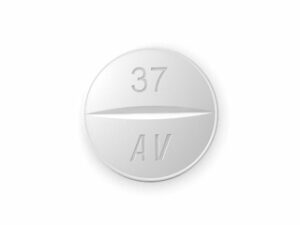
Actos (Pioglitazone) – Patient Guide (Australia)
Actos contains pioglitazone, a medicine used to help manage blood glucose levels in adults with type 2 diabetes. This guide is written to be patient-friendly and explains how Actos works, how it’s typically taken, key safety information, and what to discuss with your healthcare professional.
Always follow the instructions provided with your medicine and your clinician’s advice. Individual needs vary.
Quick overview
- Brand name: Actos
- Generic name: Pioglitazone
- Medicine class: Thiazolidinedione (TZD)
- Common use: Improves insulin sensitivity in type 2 diabetes
- Typical dosing frequency: Once daily
- Key safety considerations: Fluid retention/heart failure risk, weight gain, possible bone fracture risk, and monitoring requirements
Basic product information
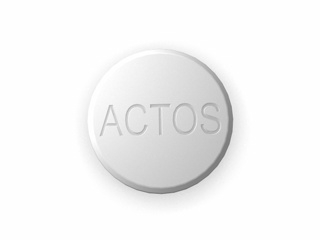
Actos is available in multiple strengths (for example, 15 mg, 30 mg, and 45 mg tablets, depending on availability). Your pharmacist can confirm the exact strength supplied.
Pioglitazone works by helping your body respond better to its own insulin. It does not directly “force” the body to release insulin, but improves the way glucose is handled in muscle and fat tissue.
How Actos works (mechanism of action)
Pioglitazone belongs to the TZD group. It activates a nuclear receptor called PPAR-γ (peroxisome proliferator-activated receptor gamma). This influences gene expression involved in glucose and lipid metabolism.
In practical terms, Actos helps:
- Increase insulin sensitivity in peripheral tissues (especially fat and muscle)
- Reduce insulin resistance that commonly occurs in type 2 diabetes
- Often leads to improved blood glucose and changes in some lipid measures
Because it works by changing how the body uses insulin, its effect can be gradual rather than immediate. Many people notice improvements over days to weeks, with fuller effects often taking longer.
Pharmacokinetics (how the body handles the medicine)
Understanding pharmacokinetics can help explain why timing and consistency matter.
| Topic | What to know |
|---|---|
| Absorption | Pioglitazone is absorbed after oral dosing. Peak blood levels typically occur a few hours after a dose. |
| Metabolism | Metabolised mainly by the liver (via CYP enzymes). The process produces active metabolites that also contribute to effect. |
| Onset of effect | Glucose improvement is usually gradual. A steady pattern with daily use matters. |
| Half-life | Active metabolites contribute to a relatively long duration of action, supporting once-daily dosing. |
| Elimination | Excreted mainly through bile into faeces, with some elimination through urine. |
Typical use and timing
Actos is used to improve blood glucose in adults with type 2 diabetes. It may be used:
- Alone when appropriate
- In combination with other diabetes medicines such as metformin or sulfonylureas
- Sometimes with other therapies as advised by your clinician
Timing (how to take it):
- Once daily dosing is typical.
- Try to take it at the same time each day to build a routine.
- You can usually take it with or without food; see the food section below for details.
How soon will it work? Many people see changes in blood sugar within the first weeks. However, it may take longer to reach maximum benefit, so do not stop or adjust your dose early without medical advice.
Food interactions (including meal timing)
Pioglitazone can generally be taken with or without food. Food is not usually expected to significantly affect the overall exposure to the medicine.
That said, maintaining consistent meal patterns can help you better understand how your blood sugar responds over time, especially if your diabetes treatment is being adjusted.
- Take as prescribed even if you eat at different times.
- If nausea or stomach discomfort occurs, some people find taking the tablet with a meal helps.
- Do not change your diet dramatically without discussing with your clinician, particularly if you use other glucose-lowering medicines.
Alcohol interactions
Alcohol can affect blood glucose and liver health. With type 2 diabetes, alcohol may:
- Increase risk of low or high blood sugar depending on what and how much you drink
- Make it harder to predict glucose levels
- Potentially add strain on the liver, which is relevant because pioglitazone is metabolised in the liver
If you choose to drink alcohol, it’s safest to do so in moderation and to monitor your blood glucose more closely. Ask your clinician what “moderation” means for you.
Seek advice urgently if you experience symptoms such as severe nausea/vomiting, confusion, or yellowing of the eyes/skin.
Medicine interactions (important examples)
Several medicines can affect how pioglitazone is processed in the body or influence blood sugar control. Tell your pharmacist or clinician about all medicines you take, including:
- Prescription medicines
- Over-the-counter products
- Herbal supplements
- Vitamin or mineral supplements
Examples of interaction considerations include:
- Other diabetes medicines: combined use may change the risk of low blood sugar (especially with insulin or sulfonylureas).
- Medications that affect liver enzymes: can alter pioglitazone levels (your prescriber may monitor you more closely).
- Medicines associated with fluid retention or certain heart-related medicines: can affect your risk profile for swelling or heart failure symptoms.
Your pharmacist can check interactions using your specific list of medicines and strengths.
Indications (when Actos is used)
In Australia, Actos (pioglitazone) is indicated for the treatment of type 2 diabetes mellitus to improve glycaemic control. It is often used when insulin resistance is a key feature and when treatment goals are not met with lifestyle alone or with other agents.
Your clinician will tailor the treatment plan based on your glucose levels, other health conditions, and medication history.
Dosing (typical adult regimen)
Dosing varies depending on prior diabetes therapy, response, and tolerability. Only follow the dose assigned to you.
Typical principles:
- Start low if appropriate, then adjust based on blood glucose response.
- Once daily dosing is common.
- Dose changes are usually made after assessing glucose monitoring results over time.
With combination therapy:
- If used with insulin, or a sulfonylurea, your clinician may adjust doses to reduce the risk of hypoglycaemia.
- If combined with other medicines, your blood sugar targets and monitoring schedule may change.
Missed dose:
- If you miss a dose and remember soon after, take it if you still have time before the next scheduled dose.
- If it’s close to the next dose, skip the missed tablet and take your next dose as scheduled.
- Do not take a double dose.
Safety profile (what to watch for)
Like all medicines, Actos has potential side effects. Not everyone will experience them. Below is a practical overview of common and important risks to discuss.
1) Fluid retention and heart failure risk
Pioglitazone can cause fluid retention (swelling), which may worsen or unmask heart failure in susceptible people. The risk is higher when combined with insulin and in those with existing heart conditions.
Contact a healthcare professional promptly if you notice:
- Sudden weight gain
- Swelling of ankles/feet/legs
- Shortness of breath, especially when lying down
- Unusual tiredness or reduced exercise tolerance
2) Weight gain
Weight gain is a commonly reported effect, and it may be related to both fluid retention and increased fat stores in some patients. Maintaining a healthy diet and activity plan remains important.
3) Bone fracture risk
Some studies with this medicine class have shown an increased risk of bone fractures, particularly in certain populations. Discuss fracture risk and bone health strategies, especially if you have osteoporosis or risk factors.
4) Eye problems
Worsening or new macular oedema (eye swelling) has been reported in some people with the TZD class. Seek advice promptly if you experience changes in vision.
5) Liver monitoring
Pioglitazone may affect liver enzymes. Liver function tests may be recommended before starting and periodically during treatment. Do not ignore symptoms such as:
- Unexplained fatigue
- Loss of appetite
- Nausea/vomiting
- Dark urine
- Yellowing of the skin or eyes
6) Low blood sugar (hypoglycaemia)
Actos by itself typically has a low risk of causing hypoglycaemia. The risk increases when used with medicines that also lower glucose, such as:
- Insulin
- Sulfonylureas
Be alert for hypoglycaemia symptoms such as:
- Sweating
- Shaking
- Fast heartbeat
- Hunger
- Dizziness or confusion
7) Allergic reactions (rare)
Seek urgent care if you develop symptoms such as swelling of the face/lips, trouble breathing, or widespread rash.
Practical use tips
These tips can help you get the best results safely:
- Take it every day at the same time, unless your clinician advises otherwise.
- Keep monitoring your blood glucose as instructed (home readings and/or HbA1c testing).
- Track weight regularly—especially in the first months—because sudden weight gain may indicate fluid retention.
- Know your “fluid retention” signs: swelling, breathlessness, or rapid weight increase.
- Stay active (as advised) and follow a diabetes-friendly eating plan.
- Don’t drink excessively and avoid binge drinking to reduce risks to blood glucose and the liver.
- Report new symptoms early rather than waiting for your next review.
If you have any heart problems, kidney issues, or liver concerns, you may need extra monitoring. Your pharmacist and clinician can explain your personal risk factors.
Alternative options (other treatment possibilities)
Diabetes treatment is individual. If Actos isn’t suitable, there are other medication classes and combinations available. Your clinician may consider options such as:
- Metformin (common first-line therapy)
- DPP-4 inhibitors
- SGLT2 inhibitors
- GLP-1 receptor agonists
- Sulfonylureas
- Insulin (in some situations)
Choice depends on your HbA1c, weight goals, kidney function, heart history, risk of hypoglycaemia, preferences, and cost considerations. Discuss the pros and cons of each option with your clinician.
Market and legal context for Australia
In Australia, medicines are regulated by the TGA (Therapeutic Goods Administration). Availability, prescribing requirements, and pharmacy supply rules depend on the product and current regulatory status.
Your local pharmacy follows Australian rules for safe dispensing, including identity verification and medication history checks. If you have questions about whether a medicine is available under your circumstances, speak with your pharmacist.
Product availability may vary by brand/strength due to supply conditions or updates in the market. If a specific strength is temporarily unavailable, your pharmacist may offer options depending on availability and clinical suitability.
Recent guidance (general approach)
Ongoing clinical guidance for type 2 diabetes typically emphasises:
- Individualised treatment based on heart and kidney risk, weight goals, and hypoglycaemia risk
- Monitoring (HbA1c, kidney function when relevant, and other safety parameters)
- Stepwise adjustment when glycaemic targets are not reached
- Shared decision-making about benefits versus risks of each medicine
Because Actos can be associated with fluid retention and other class-specific safety concerns, current practice often involves careful patient selection and monitoring. Your clinician may periodically reassess whether Actos remains the best option for you.
Delivery and availability (online pharmacy)
Actos may be available for ordering through participating pharmacies depending on stock and strength. Delivery time can vary by location and supplier availability.
- Stock confirmation: Your pharmacy may confirm availability for your specific strength before dispatch.
- Packaging: Medicines are supplied in appropriate pharmacy packaging and labelling.
- Cold chain: Pioglitazone tablets do not generally require refrigeration.
- Delivery updates: Many services provide tracking once your order is dispatched.
If you have an urgent need or a planned travel date, check delivery estimates early. Always allow time for supply of repeats.
FAQ
1) What is Actos (pioglitazone) used for?
Actos is used to treat type 2 diabetes by improving insulin sensitivity, helping lower blood glucose levels.
2) How long does it take to see results?
Improvement is usually gradual. Some people notice changes within weeks, but maximum benefit may take longer. Keep taking it as directed and review your glucose and HbA1c with your clinician.
3) Can I take Actos with food?
Yes. Actos can generally be taken with or without food. Choose a routine that you can maintain reliably each day.
4) Does Actos cause low blood sugar?
Actos alone has a relatively low risk of causing hypoglycaemia. The risk increases if it’s used with insulin or a sulfonylurea. Monitor as advised and know the symptoms of low blood sugar.
5) Why might I gain weight on Actos?
Weight gain can occur. It may be related to fluid retention and/or changes in fat storage. If you notice rapid or sudden weight gain, swelling, or breathlessness, contact a healthcare professional promptly.
6) What should I do if I miss a dose?
Take it when you remember if it’s not too close to your next dose. If it’s near the next scheduled dose, skip the missed tablet. Do not take a double dose.
7) Are there restrictions if I have heart failure?
Pioglitazone can worsen fluid retention and may increase heart failure risk in susceptible people. Your clinician will consider your heart history before prescribing and may avoid use or monitor closely.
8) Does Actos affect the liver?
It may influence liver enzymes. Liver function tests may be performed before and during treatment. If you develop symptoms such as yellowing of the skin/eyes, dark urine, or persistent nausea and fatigue, seek medical advice urgently.
9) Can I drink alcohol while taking Actos?
Alcohol may affect blood glucose and adds liver stress. If you drink, do so in moderation and monitor your glucose more closely. Ask your healthcare professional for personalised advice.
10) What are common side effects?
Commonly reported effects include weight gain and fluid retention (swelling). Other effects may include mild gastrointestinal symptoms. If side effects worry you or worsen, contact your pharmacist or clinician.
Important: This information is general and not a substitute for personalised medical advice. If you have questions about your condition or how Actos fits your treatment plan, speak with a healthcare professional.