Revia (Naltrexone) — Consumer Medicine Information (Australia)
Revia contains naltrexone, a medicine used to help manage certain addictive behaviours and, in some cases, reduce the effects of opioids. This page explains how Revia works, how it’s taken, and important safety information in clear, patient-friendly language for people in Australia.
Important: This information is general and may not replace the advice of your doctor or pharmacist. If you are unsure whether Revia is right for you, speak with a healthcare professional.
At a Glance
- Medicine: Revia (naltrexone)
- Used for: Supporting treatment for alcohol dependence and some opioid-related goals, as determined by your doctor.
- How it works: Blocks opioid receptors, reducing the “reward” effects of alcohol/opiates for some people.
- How it’s taken: Usually once daily by mouth (exact dose depends on your situation).
- Key safety point: Avoid taking with opioids; naltrexone can precipitate withdrawal in opioid-dependent people.
Basic Product Information
Revia (naltrexone) is an oral medicine. Naltrexone belongs to a group of medicines called opioid receptor antagonists.
| Category | Details |
|---|---|
| Active ingredient | Naltrexone |
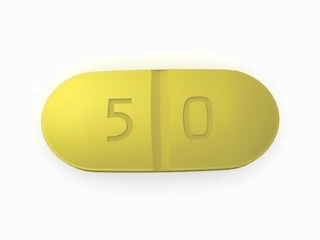
| Medicinal form | Oral tablets (strength may vary by brand/pack) |
| Common reasons for use | Alcohol dependence; helps block opioid effects in selected treatment plans |
| Typical dosing schedule | Usually once daily (doctor may adjust) |
Mechanism of Action (How Revia Works)
Naltrexone works by blocking opioid receptors in the brain and body. Opioid receptors are involved in the effects of:
- Prescription opioids (e.g., oxycodone, morphine)
- Some pain medicines that act like opioids
- Illicit opioids
- Some reward pathways that overlap with alcohol-related effects in certain people
By blocking these receptors, naltrexone can:
- Reduce the pleasurable or rewarding effects of alcohol for some individuals, supporting alcohol treatment goals.
- Reduce or block the effects of opioids, which may help prevent relapse into opioid use when used as part of an overall treatment plan.
Note: Naltrexone does not remove cravings immediately for everyone, and it is most effective when combined with counselling or behavioural support.
Pharmacokinetics (Absorption, Distribution, Metabolism, Excretion)
Pharmacokinetics describes what the body does to the medicine over time.
- Absorption: Naltrexone is absorbed after oral dosing.
- Distribution: It distributes throughout the body, including crossing into the central nervous system where opioid receptors are found.
- Metabolism: Naltrexone is metabolised mainly in the liver.
- Active metabolite: The major metabolite is 6-β-naltrexol, which also contributes to the overall effects.
- Elimination: Metabolites are excreted primarily through the kidneys (urine) and partly through other routes depending on individual factors.
What this means for you: If you have liver disease, your doctor may monitor you more closely or choose an alternative. Always follow the monitoring plan provided.
Typical Use and When It Helps
Alcohol dependence (common use)
Revia may be used to help reduce the risk of relapse in alcohol dependence. It is usually intended as part of a broader program that may include counselling, therapy, and support groups.
Opioid-related treatment goals (selected use)
Because naltrexone blocks opioid receptors, it may be used in treatment plans aimed at:
- Reducing the effects of opioids
- Supporting abstinence or relapse prevention strategies
Critical reminder: Naltrexone can cause severe withdrawal if opioids are still in the system. Your prescriber will advise when it is safe to start.
How to Take Revia: Timing and Practical Routine
Typical dosing approach
Dosing varies depending on the condition being treated and individual factors such as liver function, other medicines, and treatment history. Your doctor/pharmacist will give exact instructions.
General timing guidance
- Once daily is common for oral naltrexone.
- Take it at a similar time each day to maintain steady effects.
- If you forget a dose, follow the instructions provided with your medicine or from your pharmacist.
Starting safely
In some situations, doctors recommend careful preparation before starting naltrexone—particularly when there is any possibility of recent opioid use. This can prevent withdrawal reactions and improve safety.
Practical tips to help you stay on track:
- Use a daily reminder on your phone or a pill organiser.
- Keep the medicine in a cool, dry place away from moisture.
- If you miss doses frequently, speak to your pharmacist—adherence support may help.
Food Interactions: Can You Take Revia With Meals?
Revia is generally taken by mouth and may be taken with or without food. Food is not usually a major issue for naltrexone effectiveness.
Tips:
- If the medicine upsets your stomach, try taking it with food.
- Stay consistent with how you take it (with or without food) to reduce variability in how you feel.
If you experience persistent nausea, vomiting, abdominal pain, or worsening symptoms, contact your healthcare provider.
Alcohol and Medicine Interactions
Alcohol
Revia is sometimes used to assist with alcohol dependence, but this does not mean you should continue drinking. Alcohol can:
- Increase the risk of side effects such as dizziness or nausea in some people.
- Make it harder to assess how well treatment is working.
- Increase the risk to your health if drinking continues.
Best approach: If you are taking Revia for alcohol dependence, aim to follow your treatment plan regarding drinking goals. If you’re unsure what level of drinking is safe for you, ask your pharmacist or doctor.
Opioids (very important)
Naltrexone blocks opioid receptors. This can cause:
- Reduced pain relief from opioid pain medicines
- Withdrawal symptoms if opioids are already in your system
Be extra careful with:
- Prescription painkillers containing opioids
- Cold/flu medicines or cough preparations that may contain opioid-like ingredients (less common but always check labels)
- Illicit opioids
- Opioid agonist or partial agonist therapies (your doctor will advise)
Always tell healthcare providers: If you are taking Revia, inform the doctor, dentist, or emergency staff. Carry a medication list if possible.
Other medicines
Many medicines have interactions, and interactions may affect side effects, liver function, or how well naltrexone works. Tell your pharmacist about all medicines you take, including:
- Over-the-counter medicines
- Herbal products (e.g., St John’s wort)
- Supplements
- Any new medicines started recently
There are no specific universal interactions that apply to everyone, but liver-related interactions are particularly important because naltrexone is processed in the liver.
Indications: What Revia Is Used For
Revia (naltrexone) is used for conditions where blocking opioid receptors is beneficial. In Australia, the most common indication is:
- Alcohol dependence: to help support treatment and reduce relapse for some people.
It may also be used for opioid-related goals as part of a structured plan, depending on your clinical situation.
Your prescriber will consider: your history, current substances, liver function, other medications, and whether naltrexone is appropriate for your goals.
Dosing Information (General Guidance)
Dose depends on the person and the treatment objective. The following is general information to help you understand typical patterns. Always follow your clinician’s instructions.
Common dosing patterns
- Alcohol dependence: naltrexone is typically taken as a daily tablet.
- Opioid receptor blocking strategies: dosing is usually daily as determined by your doctor.
Important dosing safety notes
- Do not increase your dose without medical advice.
- If you have liver problems, your doctor may adjust dosing and monitor blood tests.
- Opioid safety: starting or restarting naltrexone needs careful planning if you have used opioids recently.
If you’d like, share the dose strength you have (e.g., tablet mg) and your prescribed schedule, and your pharmacist can explain how it fits your plan.
Safety Profile: Side Effects and Warnings
Common side effects
Many people tolerate naltrexone well, but side effects can occur. Common ones may include:
- Nausea
- Headache
- Dizziness
- Fatigue or sleep changes
- Reduced appetite
- Abdominal discomfort
Less common but important effects
- Changes to liver function: naltrexone can affect the liver. Your doctor may do blood tests.
- Mood or behaviour changes: report new or worsening depression, anxiety, irritability, or unusual thoughts promptly.
- Allergic reactions: seek urgent care if you develop swelling, rash, wheeze, or trouble breathing.
Withdrawal and opioid sensitivity
If someone takes naltrexone while opioids are present, it can trigger acute opioid withdrawal. Symptoms may include:
- Agitation
- Abdominal cramps
- Nausea/vomiting or diarrhoea
- Muscle aches
- Runny nose, yawning, sweating
Seek urgent medical help if severe symptoms occur.
When to seek medical advice urgently
- Signs of liver injury (e.g., yellowing of eyes/skin, dark urine, severe upper abdominal pain)
- Chest pain, fainting, or severe dizziness
- Severe allergic reaction (swelling of face/lips, difficulty breathing)
- Severe mood changes or suicidal thoughts
Practical Use Tips (Get the Best Results)
Revia works best when paired with supportive care and realistic expectations.
- Use the “whole treatment” approach: counselling, behavioural strategies, and support services often improve outcomes.
- Track your triggers: identify situations where you’re more likely to drink or use opioids and plan coping strategies.
- Don’t stop suddenly without advice: if you want to discontinue or change treatment, talk to your pharmacist/doctor to plan safely.
- Consider a routine: take your dose at the same time daily and store it where it’s easy to remember.
- Monitor symptoms: if you notice worsening mood, persistent nausea, or signs of liver problems, report them promptly.
Travel and emergency planning: keep a list of your medicines in your phone or wallet. This can help if you need urgent care.
Alternative Options
Depending on your treatment goals (alcohol dependence vs opioid-related prevention/assistance), your healthcare provider may consider other medicines or approaches.
For alcohol dependence
- Other approved medicines for alcohol use disorder may be considered by your clinician.
- Structured behavioural therapies (e.g., motivational interviewing, relapse prevention programs) can be effective alone or alongside medicines.
- Support services (counselling, peer support, or rehabilitation programs) may be recommended.
For opioid-related goals
- Other treatment strategies exist, including options that involve opioid agonist/partial agonist medicines (where appropriate) and counselling.
- Important: choice depends on whether someone is opioid-free and medical history.
Speak with your healthcare professional about what’s suitable for you, including suitability with your other medicines and health conditions.
Market and Legal Context in Australia (Medicines Information)
In Australia, medicines are regulated under the Therapeutic Goods Act and assessed by the Therapeutic Goods Administration (TGA). Medicines available to Australians are subject to prescribing and dispensing rules, labelling requirements, and pharmacist counselling where required.
For online pharmacy services, products are supplied in accordance with Australian laws and pharmacy practice standards. Supply may depend on eligibility requirements and information verification processes used by pharmacies.
Always check: product packaging, the active ingredient, tablet strength, and expiry date before use.
Recent Guidance and Monitoring Considerations
Clinical guidance for naltrexone use focuses on safety and suitability. Key themes often include:
- Opioid safety: ensuring opioid use is addressed before starting to avoid precipitated withdrawal.
- Liver monitoring: being cautious in people with known liver disease and checking liver function tests if needed.
- Integrated care: encouraging combined treatment with counselling/support rather than relying on medication alone.
Because recommendations may evolve, always follow the plan given by your treating clinician and your pharmacy team.
Delivery and Availability (Online Pharmacy)
Revia is available through licensed Australian pharmacies and may be stocked online depending on supply arrangements. Delivery times vary by location and shipping method.
Typical ordering considerations:
- Availability can change; if a product is temporarily out of stock, you may be offered alternatives or an estimated restock date.
- Cold-chain is typically not required for naltrexone tablets, but follow storage instructions on the pack.
- Check the expiry date and whether the tablet strength matches what you need.
If you have urgent needs (e.g., upcoming travel or a time-sensitive dose plan), contact the pharmacy before placing your order to confirm expected dispatch timing.
FAQ: Revia (Naltrexone)
1) What is Revia used for?
Revia (naltrexone) is used to help support treatment for alcohol dependence and may be used for opioid-related treatment goals depending on your clinical situation and plan.
2) How does Revia work?
Naltrexone blocks opioid receptors. This can reduce the effects of opioids and, for some people, reduce alcohol-related reward, supporting relapse prevention strategies.
3) When should I take Revia?
Revia is commonly taken once daily. Choose a time that fits your routine and take it consistently. Your doctor/pharmacist will provide the exact timing for your plan.
4) Can I take Revia with food?
Food is usually not a major issue. If it upsets your stomach, taking it with food may help. Follow the advice on the packaging and from your pharmacist.
5) Can I drink alcohol while taking Revia?
Revia may be prescribed to help you reduce relapse, but drinking alcohol can still be risky and may interfere with your goals. For personalised guidance, discuss your drinking plan with your healthcare professional.
6) Can I take opioid painkillers if I’m on Revia?
Opioid painkillers may not work as expected because naltrexone blocks opioid receptors. This can be dangerous if you need pain control. Always tell healthcare providers you’re taking Revia before receiving any opioids.
7) What happens if I take opioids while on Revia?
You may get reduced opioid effects. More importantly, if naltrexone is taken while opioids are still in the system, it can trigger withdrawal. If there is any chance of recent opioid use, seek advice before starting or changing naltrexone.
8) How long does Revia take to work?
Effects can begin after dosing, but the overall benefit for alcohol dependence is usually assessed over time within a structured treatment program. The time to benefit differs between people.
9) Are there liver-related warnings?
Yes. Naltrexone can affect the liver. Your doctor may monitor liver function, especially if you have liver disease or other risk factors. Stop and seek medical help if you notice signs like yellowing skin/eyes or dark urine.
10) What should I do if I miss a dose?
Follow the instructions from your pharmacist or the product packaging. In general, you should not double up unless advised. If you’re unsure, contact your pharmacist for guidance.
11) Who should be extra cautious?
Extra caution is needed for people with:
- Liver disease or abnormal liver blood tests
- Any risk of recent opioid use
- History of severe mood changes
Your pharmacist can help review your suitability and monitoring needs.
12) Are there non-medicine alternatives?
Yes. For many people, counselling and structured behavioural support, relapse prevention planning, and peer or community support are important components of effective treatment. Medicine may be one part of a broader approach.
Need help deciding? If you’re considering Revia or already taking it and have questions about safety, timing, or side effects, speak with your pharmacist. They can help you understand how to use your medicine correctly and safely.