Naltrexone (Naltrexone Hydrochloride) – Patient-Friendly Guide (Australia)
Naltrexone (naltrexone hydrochloride) is a medicine used to help manage certain alcohol and opioid-related conditions by blocking specific effects in the body. This guide explains what naltrexone does, how it works, how it’s taken, important interactions, and what to expect in daily use—tailored for an Australian audience.
Basic product information
- Active ingredient: Naltrexone (as naltrexone hydrochloride)
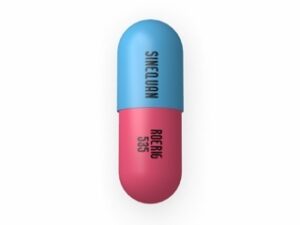
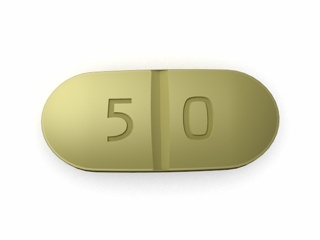
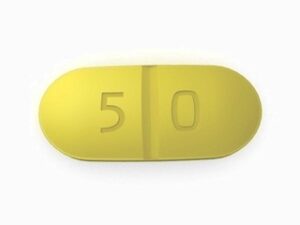
- Common forms: Tablets (oral)
- How it’s used: Taken by mouth according to an individual plan
- Medicinal category: Opioid receptor antagonist
- Availability in Australia: Availability may depend on brand/formulation and regulatory status; discuss with your pharmacist or clinician.
| Topic | What you should know |
|---|---|
| What it does | Blocks opioid receptors; helps reduce craving/relapse risk in selected alcohol and opioid-use conditions. |
| When it starts working | Effects depend on the condition being treated; blocking action begins soon after absorption. |
| Common side effects | Nausea, headache, dizziness, fatigue, sleep changes, and abdominal discomfort (varies by person). |
| Key warnings | Do not start if opioids are currently in your system; discuss opioid exposure before use. |
| Alcohol and opioid interactions | May help reduce alcohol effects in approved indications; opioids may be blocked but can still cause harm if present. |
How naltrexone works (mechanism of action)
Naltrexone is an opioid receptor antagonist. In simpler terms, it attaches to opioid receptors in the body (including the mu-opioid receptors) and blocks the effects of opioid drugs and certain endorphin-related effects.
This blockade can be helpful in two main ways:
- Alcohol-related benefit: Alcohol can trigger reward pathways involving endogenous opioids. By blocking these pathways, naltrexone may reduce the rewarding effects of drinking and help support abstinence or reduced drinking in selected individuals.
- Opioid-related benefit: By blocking opioid receptors, naltrexone can reduce or prevent the effects of opioids, supporting treatment plans aimed at relapse prevention.
Naltrexone does not “detox” opioids and it is not intended to manage opioid withdrawal symptoms. It works by blocking receptor effects.
Pharmacokinetics (how the body handles it)
Pharmacokinetics describes absorption, distribution, metabolism, and elimination. Understanding these points can help explain timing, duration, and why consistency matters.
Absorption
After oral dosing, naltrexone is absorbed and reaches peak levels within a few hours (typical “peak” timing is commonly around 1–2 hours, though individual variation occurs).
Metabolism
Naltrexone is metabolised primarily in the liver. A key active metabolite is 6-β-naltrexol, which contributes to overall effect. Liver function can influence how the medicine is processed.
Distribution
The medicine and its metabolite distribute throughout the body. The clinical relevance is that opioid receptor blockade persists for a period after dosing.
Elimination
Naltrexone and its metabolites are eliminated mainly via the kidneys (urine). The duration of action is not exactly the same as the dosing interval but generally supports once-daily use in many regimens. Individual factors such as liver and kidney function, age, and concurrent medicines can affect levels.
Typical uses and indications (what it’s for)
Naltrexone may be used to help:
- Alcohol dependence: As part of a structured plan to help reduce heavy drinking or support abstinence in suitable individuals.
- Prevention of relapse in opioid dependence: To support treatment goals where opioid receptor blockade is appropriate for relapse prevention.
Whether naltrexone is suitable depends on the person’s history, current medication and substance use, goals, and medical suitability (including liver health).
How to take naltrexone (dosing and timing)
Dosing must be individualised. Your pharmacist or clinician will provide instructions based on your condition and safety checks. The following provides general guidance commonly seen with naltrexone in practice.
General dosing principles
- Follow your provided schedule: Consistency improves effectiveness.
- Start cautiously: The first dose may be introduced with specific safety considerations.
- Don’t adjust or stop abruptly without advice: Stopping may reduce protection against relapse if you’re using naltrexone for this purpose.
Common dosing patterns (general)
Many patients take naltrexone as an oral tablet once daily, though exact dose and duration vary by indication and product strength.
If you are unsure of your specific dose, check the label directions or ask your pharmacist.
Timing: when during the day?
- Take at the same time each day to support routine.
- If you experience nausea or stomach upset, some people find taking it with food helps (see “Food interactions” below).
- If you feel sleepy or have sleep changes, ask your pharmacist whether an evening vs morning schedule suits you.
Missed dose
If you miss a dose, take it when you remember unless it is close to the next dose. Do not take double doses to make up for a missed tablet. If you’re uncertain, ask your pharmacist for guidance based on your schedule.
Food interactions (and whether to take with meals)
Naltrexone can generally be taken with or without food. However, food-related tolerability may matter:
- To reduce nausea: Taking with food may help some people.
- Regular meals: Keeping a consistent eating schedule may improve comfort and adherence.
If you have gastrointestinal symptoms, discuss options with your pharmacist rather than changing the dose on your own.
Alcohol and medicine interactions
Alcohol
Naltrexone is used for alcohol dependence in selected individuals, and some people may drink less once treatment is established. However, it is still important to take medical advice on your specific goal (abstinence vs reduced drinking).
Important points:
- Safety first: If you choose to drink, do so cautiously and within the guidance provided by your clinician.
- Alcohol may worsen side effects: Nausea, dizziness, and fatigue can be intensified by alcohol.
- Do not use naltrexone to “override” opioid effects: Alcohol is not a substitute for medical management, and mixing substances increases risk.
Opioid medicines (including pain medicines)
Because naltrexone blocks opioid receptors, it can interfere with opioid pain medicines and some opioid cough or anti-diarrhoeal medicines. This can lead to reduced analgesia (pain relief) or unexpected outcomes if opioids are taken while blockade is present.
- Before surgery or planned procedures: Inform your healthcare team that you take naltrexone.
- Emergency situations: Seek urgent medical advice and tell responders you take naltrexone.
- Do not attempt opioid use to “test” blockade: This is dangerous and can lead to serious harm.
Other medicines
Several medicines may affect how naltrexone is handled or may add to side effects. Common categories to discuss include:
- Liver-metabolised medicines: Because naltrexone is metabolised in the liver, other liver-active medicines should be reviewed.
- Medicines that cause dizziness or drowsiness: Combined use may worsen impaired alertness.
- Medicines for opioid dependence: Depending on the treatment plan, combinations require careful supervision.
Always provide your full list of medicines (including over-the-counter products and supplements) to your pharmacist.
Herbal and supplement interactions
Herbal products and supplements may also affect liver function or metabolism. If you use any, mention them when asking about suitability.
Safety profile: who should be cautious
Like all medicines, naltrexone can cause side effects and is not appropriate for everyone. Use caution and seek medical advice if you have any relevant health conditions.
Common side effects
Side effects vary by person and dose. Commonly reported effects include:
- Nausea or stomach discomfort
- Headache
- Dizziness or light-headedness
- Fatigue or tiredness
- Sleep disturbances (insomnia or vivid dreams)
- Reduced appetite
Many side effects lessen as your body adapts. If side effects are severe or persistent, seek advice from a pharmacist or clinician.
Serious risks (seek urgent help if needed)
Some situations require prompt medical attention. Contact urgent care if you experience:
- Signs of liver problems: yellowing of the skin/eyes (jaundice), dark urine, severe upper abdominal pain, unusual bruising or bleeding, or persistent severe nausea/vomiting.
- Severe allergic reaction: swelling of the face/lips, difficulty breathing, hives, or collapse.
- Unusual severe reactions after dosing: especially if accompanied by vomiting, confusion, or fainting.
Liver considerations
Naltrexone can affect the liver. Your clinician may request liver function tests before and during treatment (especially if you have a history of liver disease). Do not start or continue without medical review if you have known hepatic impairment.
Opioid exposure and withdrawal risk
Naltrexone can precipitate withdrawal in people with opioids currently in their system. This is a key safety concern. If you have recently used opioids or take opioid medicines, discuss timing and safety checks before starting.
Pregnancy and breastfeeding
If you are pregnant, planning pregnancy, or breastfeeding, discuss the risks and benefits with a healthcare professional. Decisions should be individualised based on your situation.
Children and adolescents
Use in children and adolescents depends on the indication and local regulatory guidance. Speak with a paediatric clinician or pharmacist for suitability.
Practical use tips for everyday life
- Use reminders: Setting a daily phone reminder can improve adherence.
- Track side effects: Note timing and severity of nausea, sleep changes, or headaches to help you and your pharmacist fine-tune your approach.
- Stay hydrated and eat regularly: This can support tolerance, especially during early days of treatment.
- Avoid “substance testing”: Do not use opioids or increase alcohol exposure to see how you react.
- Inform healthcare providers: Carry a note or list of your medicines for dentists, emergency departments, and surgeons.
- Plan around procedures: If you anticipate surgery or require strong pain relief, raise the topic early.
- Support matters: For alcohol dependence, consider linking medicine use with counselling, behavioural strategies, or support services.
Missed doses, stopping, and when to seek help
If you miss doses repeatedly, effectiveness and support benefits may reduce. If side effects are difficult, do not simply stop without guidance—speak to your pharmacist or clinician to discuss options.
Stop seeking advice and obtain urgent care if you experience severe symptoms such as signs of allergic reaction or serious liver issues.
Alternative options (depending on your goal)
Alternative approaches vary widely by condition and individual factors. Your pharmacist or clinician can advise which options suit your health profile and treatment goals.
For alcohol dependence
- Psychosocial support: counselling, cognitive-behavioural therapy, motivational approaches, and peer support.
- Other medicines (where appropriate): different medications may be used in some cases for craving reduction or relapse prevention. Suitability depends on medical history, liver health, and other treatments.
For opioid dependence / relapse prevention
- Opioid agonist or partial agonist therapies: such as methadone or buprenorphine products may be considered in opioid dependence treatment plans.
- Behavioural therapies: structured counselling, relapse prevention strategies, and support services.
Because naltrexone blocks opioid receptors, alternative opioid-focused medicines may not be interchangeable without medical supervision. Always discuss changes with a qualified professional.
Australia: market, legal, and guidance context
In Australia, access to medicines is regulated through medicines legislation and therapeutic goods requirements. Availability of specific brands and strengths can vary, and rules about supply may depend on classification and local prescribing/supply pathways.
When choosing and using naltrexone in Australia, key considerations include:
- Australian regulatory status: Check the product details supplied by the online pharmacy listing.
- Safety monitoring: Particularly liver monitoring and opioid exposure assessment when relevant.
- Current clinical practice: Treatment for alcohol or opioid dependence often involves combined medicine and psychosocial support.
Recent guidance: Clinical recommendations can evolve with new evidence and safety updates. It’s best to follow the latest advice from healthcare professionals and respected Australian clinical guidelines when making decisions about starting, switching, or monitoring treatment.
Delivery and availability (online pharmacy)
Online pharmacies in Australia typically provide delivery options that may vary by postcode and stock availability. When ordering naltrexone:
- Check product strength and pack size: Ensure you’re ordering the correct formulation.
- Review dosing instructions on the label: Always confirm the medicine matches your prescribed or assigned plan.
- Storage: Store tablets as directed on the pack (commonly in a cool, dry place away from direct heat and moisture).
- Delivery timeframes: Delivery estimates are usually provided at checkout; allow extra time for rural/remote locations.
- Cold chain: Usually not required for tablets, but always follow the product packaging instructions.
If you have questions about availability, product equivalence, or delivery timelines, your online pharmacy support team can assist.
FAQ: Naltrexone in plain language
1. What is naltrexone used for?
Naltrexone is used to help manage alcohol dependence and to support relapse prevention in opioid dependence for suitable individuals as part of a broader treatment plan.
2. How long does naltrexone stay in the body?
Naltrexone is metabolised to an active form (6-β-naltrexol) and effects can last beyond the time of dosing. The exact duration depends on the person and their metabolism, liver function, and dose. Your clinician or pharmacist can provide guidance for your specific regimen.
3. Can I drink alcohol while taking naltrexone?
Some people take naltrexone with the aim of reducing drinking or supporting abstinence. However, alcohol can worsen side effects and may affect your safety. Follow the plan provided by your clinician and consider abstinence if advised.
4. Will naltrexone block pain relief from opioid medicines?
Yes, naltrexone can reduce or block the effects of opioid pain medicines. If you need treatment for pain or for procedures, inform your healthcare team that you take naltrexone.
5. What happens if I take opioids while on naltrexone?
Opioids may be less effective because receptors are blocked; however, taking opioids can still be dangerous and may lead to serious harm. Seek urgent medical advice if you’ve taken opioids while taking naltrexone.
6. What side effects are most common?
Common side effects include nausea, headache, dizziness, fatigue, sleep disturbances, and stomach discomfort. If they are severe or don’t improve, contact your pharmacist or clinician.
7. Can naltrexone affect the liver?
Yes. Naltrexone can impact liver function. If you have liver disease or risk factors, your clinician may monitor liver blood tests and advise on suitability. Seek medical attention if symptoms such as jaundice occur.
8. Should I take it with food?
Many people can take naltrexone with or without food. Taking it with food may help reduce nausea for some individuals.
9. What if I miss a dose?
Take it when you remember unless it’s close to the next scheduled dose. Do not take a double dose. Ask your pharmacist if you’re unsure.
10. Are there alternatives?
Alternatives include psychosocial therapies and other medicines depending on whether the goal is alcohol dependence, opioid dependence, or relapse prevention. The best option depends on your health history and current medication use.
Key takeaways
- Naltrexone blocks opioid receptors and can help support treatment goals for alcohol dependence and opioid relapse prevention in suitable individuals.
- Timing and consistency matter; taking it at the same time daily can help with adherence.
- Food may influence comfort; taking with food can help nausea for some people.
- Tell healthcare providers about naltrexone, especially before any pain management or procedures.
- Liver health and opioid exposure are important safety considerations.
Important: This information is general and designed to help you understand naltrexone. For advice tailored to your situation—particularly if you have liver problems, are using opioid medicines, or have recently used opioids—speak with a pharmacist or clinician.