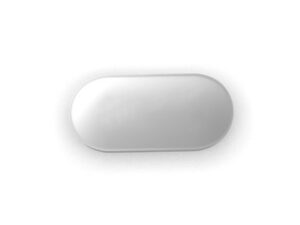
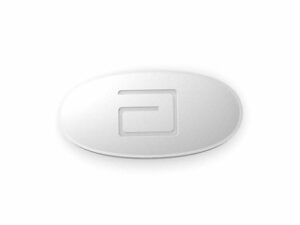
Lopid (Gemfibrozil) — Patient Information (Australia)
Lopid is a brand of gemfibrozil, a medicine used to improve abnormal blood fats (lipids), particularly when triglycerides are high. This page explains how Lopid works, how it’s used, key safety information, and practical tips to help you take it correctly.
Important: Medicines affect people differently. Always follow the advice of your healthcare professional and read the Consumer Medicine Information (CMI) provided with your product.
1) Basic product information
| Item | Details |
|---|---|
| Generic name | Gemfibrozil |
| Brand name | Lopid |
| Medicine type | Fibrate (lipid-modifying agent) |
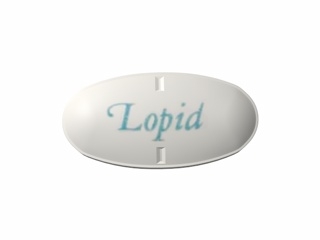
| Common dosage form | Tablets (strength may vary by product) |
| What it helps treat | High triglycerides and mixed dyslipidaemia, in selected people |
| Where it’s used | In Australia as part of lipid management under medical supervision |
2) How Lopid works (mechanism of action)
Lopid belongs to the fibrate group. It helps lower certain blood fats and improve overall lipid profile by influencing how your body makes and clears triglycerides.
- Reduces triglycerides (TG): Gemfibrozil helps decrease the production of triglyceride-rich particles in the liver and increases their clearance.
- Affects lipid transport and metabolism: It changes lipid processing in a way that often results in lower very-low-density lipoprotein (VLDL) levels.
- May raise HDL cholesterol: Many people see a modest increase in HDL (“good” cholesterol).
Why this matters: High triglycerides can contribute to pancreatitis risk when very high. Managing lipids can also be part of reducing cardiovascular risk, though your overall risk depends on many factors (blood pressure, diabetes, smoking, cholesterol, family history, etc.).
3) Pharmacokinetics (how the body handles gemfibrozil)
Pharmacokinetics describes absorption, distribution, metabolism, and elimination.
- Absorption: Gemfibrozil is absorbed after oral dosing. Taking it with food may improve tolerance for some people.
- Time to peak level: Blood levels typically rise to their highest point a few hours after a dose.
- Distribution: It circulates in the bloodstream and distributes into body tissues.
- Metabolism: Gemfibrozil is metabolised in the liver.
- Elimination: It is cleared from the body through metabolic pathways and excretion.
- Half-life (approximate): The medicine remains in the body long enough that it is usually prescribed as twice daily in many regimens.
Individual results vary based on kidney and liver function, age, other medicines, and lifestyle factors such as diet and alcohol intake.
4) What Lopid is typically used for
Lopid is used to manage specific lipid problems, most commonly:
- High triglycerides (hypertriglyceridaemia), especially when triglycerides are very high.
- Mixed dyslipidaemia (elevated triglycerides and cholesterol abnormalities) when appropriate based on your overall risk and response to lifestyle changes.
Clinical goal: Lower triglycerides and improve lipid profile to reduce the risk of complications associated with abnormal fats in the blood.
Note: Lopid is not a replacement for lifestyle changes. Diet, exercise, weight management, and controlling diabetes (if present) are often essential parts of treatment.
5) Timing & how to take it
Many people are advised to take gemfibrozil twice daily. A common approach is:
- Take doses
(e.g., morning and evening). - With meals, as food may improve tolerability and help your body handle the medicine.
If you miss a dose:
- Take it as soon as you remember unless it’s close to the next scheduled dose.
- Do not take double to make up for a missed dose.
Keep taking it: Lipid-lowering benefits develop over time. Don’t stop early without medical advice.
6) Food interactions
Gemfibrozil is often taken with meals. In general:
- Taking with food: Often recommended for better stomach comfort.
- Diet matters: For best results, your clinician may recommend reducing refined carbohydrates and alcohol, and increasing physical activity.
Alcohol intake: See section 7 below. Alcohol can increase triglycerides in some people, so your healthcare professional may advise limiting or avoiding alcohol, especially when triglycerides are high.
Grapefruit and similar juices: For many lipid medicines, grapefruit can affect drug processing. The extent of grapefruit interaction with gemfibrozil may vary. If you’re unsure, ask your pharmacist or check the CMI for specific guidance for gemfibrozil.
7) Alcohol and medicine interactions
Alcohol can increase triglycerides and may worsen lipid levels, particularly when triglycerides are already high. Alcohol may also add stress to the liver—an important consideration because gemfibrozil is metabolised in the liver.
- High triglycerides: You may be advised to significantly reduce or avoid alcohol.
- Frequent heavy drinking: This may increase the risk of pancreatitis and liver-related side effects.
- Alcohol + medications: Alcohol may increase the chance of dizziness, stomach upset, and may complicate assessment of side effects.
Medicines that can interact with gemfibrozil are a key safety issue. Some combinations can raise the risk of serious muscle problems (myopathy/rhabdomyolysis) or other adverse effects.
Commonly important interaction categories
- Statins (cholesterol-lowering medicines): The combination of gemfibrozil with certain statins can significantly increase the risk of muscle injury. Your clinician will weigh risks and choose the safest approach.
- Repaglinide (diabetes medicine): Risk of low blood sugar may increase, depending on your regimen.
- Other lipid medicines: Using multiple lipid-lowering drugs may increase side effects and needs monitoring.
- Warfarin (blood thinner): Some lipid medicines can alter bleeding risk by affecting warfarin metabolism. Extra monitoring may be required.
- Colchicine: There can be increased risk of muscle toxicity when combined.
- Immunosuppressants and certain antibiotics/antifungals: Some can interact with drug metabolism pathways.
Always tell your pharmacist or prescriber about:
- All prescription medicines
- Any over-the-counter medicines (including pain relievers)
- Herbal products and supplements
- Recent changes in medicines
8) Indications (when Lopid may be considered)
In clinical practice, gemfibrozil may be considered for:
- Hypertriglyceridaemia (high triglycerides), particularly if triglycerides are very high.
- Mixed dyslipidaemia where triglycerides are elevated and other measures need support.
How your suitability is assessed: Your clinician may evaluate your lipid results, history of pancreatitis, diabetes status, kidney and liver function, and overall cardiovascular risk. They may also check whether lifestyle interventions and other options have been tried.
Not all lipid problems are the same: If your main issue is elevated LDL cholesterol, different medicines (for example, statins or other agents) may be more appropriate.
9) Dosing information
Dosing should be tailored to you based on your diagnosis, response, and safety profile. Typical regimens for gemfibrozil involve oral administration twice daily.
- Typical schedule: Often twice per day with meals.
- Do not change your dose: Only adjust under healthcare guidance.
Special populations (may require extra caution):
- Kidney impairment: Dose adjustments or closer monitoring may be needed.
- Liver disease: Gemfibrozil may not be suitable or may require careful monitoring.
- Older adults: May be more sensitive to side effects and interactions.
- Pregnancy and breastfeeding: Discuss risks and benefits with a healthcare professional.
Monitoring while on therapy: Your clinician may periodically check lipid levels and consider tests such as liver enzymes and kidney function, depending on your risk factors and symptoms.
10) Safety profile: what to watch for
Like all medicines, Lopid can cause side effects. Many people tolerate it well, but some effects require prompt medical attention.
Common or notable side effects
- Stomach-related symptoms: abdominal discomfort, nausea, indigestion, or diarrhoea
- Headache
- Skin reactions: rash or itching (uncommon)
- Dizziness (less common)
Serious side effects (seek urgent medical help)
Get urgent advice if you experience:
- Muscle pain, weakness, or tenderness, especially if accompanied by fever or feeling unwell. This can be a sign of serious muscle injury.
- Dark or cola-coloured urine (a possible sign of muscle breakdown).
- Yellowing of the skin or eyes (jaundice), or severe persistent upper abdominal pain.
- Signs of pancreatitis: severe abdominal pain (often upper abdomen) that may radiate to the back, with vomiting.
Longer-term considerations
- Gallstones: Fibrates can increase the risk of gallbladder problems in some people. Symptoms may include right upper abdominal pain, nausea, or pain after fatty meals.
- Changes in blood tests: Liver enzyme changes can occur; your clinician may monitor these.
11) Practical use tips (how to make treatment easier)
- Set reminders: Because it’s typically taken twice daily, alarms can help prevent missed doses.
- Take with meals: This can improve comfort and adherence.
- Keep a medication list: Include doses and timing, and update it when you add or stop any medicine.
- Track symptoms: If you notice muscle soreness beyond normal exertion, report it early.
- Follow the lipid diet plan: Reducing sugary drinks, refined carbs, and alcohol (if advised) can meaningfully lower triglycerides.
- Stay hydrated and move regularly: Exercise and weight management support lipid control.
12) Alternative options
Depending on your lipid pattern and health history, your clinician may consider other treatments. These can include:
- Statins (for LDL cholesterol and overall cardiovascular risk reduction)
- Omega-3 fatty acids (sometimes used for high triglycerides)
- Other lipid-lowering medicines (selected cases, based on the lipid abnormality)
- Lifestyle therapy: diet changes, physical activity, weight management, and management of diabetes
Important: If an alternative is discussed, the safest choice depends on your medicines and medical conditions—particularly because drug interactions can be significant with gemfibrozil.
13) Market and legal context for Australia
In Australia, lipid medicines are provided under the national medicines framework, including requirements for supply through licensed channels and adherence to product information (CMI). Availability and supply may involve pharmacist checks, depending on the medicine’s scheduling classification and local regulations.
What this means for you:
- You may be asked to confirm relevant health details (for example, current medicines and medical history).
- Pharmacists can help you understand interactions and monitor safe use.
- Stock availability can vary between pharmacies and online suppliers.
Always use authentic products from reputable suppliers to reduce the risk of counterfeit or inappropriate medicines.
14) Recent guidance & updates (how to stay current)
Guidance around lipid management can evolve based on new evidence and safety information. Recent clinical emphasis in many settings includes:
- Individualised treatment: Choosing therapy based on lipid pattern and overall cardiovascular risk.
- Drug interaction awareness: Particularly around combinations that increase muscle or liver-related risk.
- Monitoring: Regular checks of lipids and safety parameters when clinically indicated.
To ensure you have the latest advice, consider discussing with a healthcare professional and reviewing the most current product information (CMI) supplied with your medicine.
15) Delivery, availability & what to expect from an online pharmacy
Online pharmacies in Australia may offer delivery services to eligible areas and may provide:
- Home delivery (timelines vary by supplier)
- Packaging and handling designed to keep tablets protected
- Estimated dispatch times at checkout
- Customer support for stock and dosing questions
Availability: Stock levels can fluctuate. If a dose strength isn’t available, the pharmacy may advise alternatives or expected restock dates.
Cold chain: Gemfibrozil tablets do not typically require refrigeration, but always follow the storage conditions on the label.
16) Lopid (gemfibrozil) FAQ
How long does it take for Lopid to work?
Lipid changes can be seen within weeks, but the exact timing varies. Your clinician may schedule follow-up blood tests to confirm your response.
Will Lopid cure high triglycerides?
Lopid helps control triglyceride levels, but it usually works alongside lifestyle measures. If lifestyle factors change (or if you stop treatment), triglycerides may rise again.
Can I drink alcohol while taking Lopid?
Alcohol can increase triglycerides in some people. If you have high triglycerides, you may be advised to limit or avoid alcohol. Ask your healthcare professional what’s safest for your situation.
Is Lopid safe with exercise and diet?
Usually yes, and exercise and dietary changes are important. However, if you develop muscle pain or unusual weakness, stop strenuous activity and seek advice promptly.
What if I’m also taking a statin?
Combining gemfibrozil with certain statins can raise the risk of serious muscle injury. Your clinician and pharmacist will consider interaction risk and may recommend an alternative or additional monitoring.
What blood tests might I need?
Your clinician may monitor lipid levels and may check liver function or other parameters based on your risk factors and symptoms.
What should I do if I miss a dose?
Take it when you remember unless it’s near your next dose. Don’t take two doses at once to compensate.
Can children or teenagers take Lopid?
Use in children and adolescents depends on the specific clinical situation and product guidance. Discuss suitability with a healthcare professional.
What should I tell my pharmacist before starting Lopid?
Tell them about all medicines (including diabetes medicines, blood thinners, cholesterol medicines), supplements, and any history of liver or kidney disease, gallstones, or pancreatitis.
How should Lopid be stored?
Store tablets at room temperature as directed on the product label and keep them out of reach of children. Do not use after the expiry date.
17) When to seek medical help
Contact your healthcare professional promptly if you experience:
- Persistent vomiting, severe abdominal pain, or suspected gallbladder problems
- Symptoms of possible liver issues (yellow skin/eyes, dark urine, severe fatigue)
- Muscle pain, weakness, or dark urine
- Any reaction that worries you or doesn’t improve
With the right plan and monitoring, many people can use gemfibrozil safely as part of managing high triglycerides. Your pharmacist can also help you check interactions and answer practical questions before you order or start treatment.