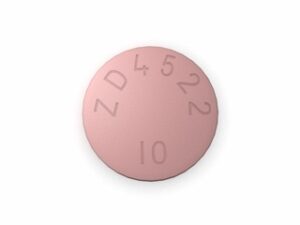
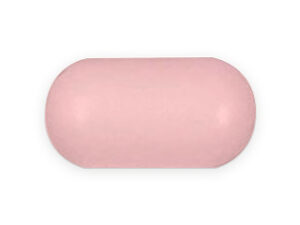
Ezetimibe (Ezetimibe tablets) – Patient Information (Australia)
Ezetimibe is a cholesterol-lowering medicine used to help reduce levels of LDL cholesterol (“bad cholesterol”) and, in some people, other cholesterol components. It is often prescribed alongside lifestyle changes such as diet, exercise, and weight management, and may be used by itself or together with other cholesterol medicines depending on your needs.
This guide is written to be patient-friendly and focused on practical understanding—how ezetimibe works, how it is taken, what to watch for, and important interactions. If you have specific medical questions, speak with your doctor or pharmacist.
1. Basic product information
| Item | What to know |
|---|---|
| Generic name | Ezetimibe |
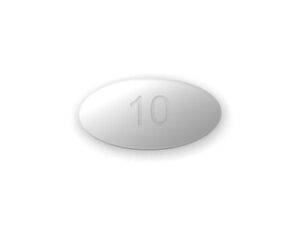
| Common strengths | Often supplied as 10 mg tablets (varies by brand/supply) |
| Medicine type | Cholesterol absorption inhibitor |
| How it is taken | By mouth, usually once daily |
| Typical effect | Reduces LDL cholesterol by lowering absorption of cholesterol in the gut |
| Who it may suit | People who need cholesterol lowering (including some genetic conditions) |
In Australia, ezetimibe may be available as a generic medicine and as brand products depending on local supply. Your pharmacist can confirm the exact brand, strength, and how to take your specific tablet.
2. How ezetimibe works (mechanism of action)
Cholesterol in your body comes from two main sources:
- Dietary cholesterol absorbed from the intestines
- Bile cholesterol recycled through the digestive system and reabsorbed
Ezetimibe reduces cholesterol absorption in the small intestine. It targets the NPC1L1 transporter (a key protein involved in cholesterol uptake). By blocking this pathway, ezetimibe helps move cholesterol away from being absorbed into the bloodstream.
Compared with statins (another common cholesterol medicine), ezetimibe focuses mainly on absorption rather than reducing cholesterol production in the liver. Because of this, ezetimibe can be used alone or combined with other therapies to improve cholesterol control.
3. Pharmacokinetics (how the body processes it)
Understanding how a medicine behaves in the body can help with expectations around dosing timing and interactions. The main points for ezetimibe are:
- Absorption: Ezetimibe is absorbed in the intestines and undergoes metabolism mainly in the liver.
- Active metabolite: Most of the cholesterol-lowering effect is associated with the active ezetimibe form. A key metabolite is also formed and contributes to the overall effect.
- Peak effect: Blood levels rise after dosing and the medicine begins lowering cholesterol shortly after. The full cholesterol response develops over a few weeks.
- Half-life: The medicine and its relevant active form are cleared over time; dosing is typically once daily.
- Elimination: Ezetimibe is removed mainly via the biliary route (through bile) and to a lesser extent in urine.
Practical meaning: for most people, taking ezetimibe at the same time each day helps maintain consistent cholesterol-lowering effect.
4. Typical use and expected benefits
Ezetimibe is used to treat conditions where LDL cholesterol and related fats need lowering to reduce cardiovascular risk. It is commonly used:
- As monotherapy when a person cannot tolerate other medicines or needs additional lowering beyond lifestyle alone.
- In combination with a statin to further reduce LDL cholesterol when response is not sufficient.
- For certain inherited cholesterol disorders where cholesterol absorption plays an important role.
With consistent use, many people see measurable LDL cholesterol reductions after a few weeks. Cholesterol checks are usually performed by your clinician to monitor response.
5. Indications (what it may be used for)
Ezetimibe is indicated for cholesterol lowering in a range of clinical scenarios, including:
- Primary (heterozygous familial) hypercholesterolaemia – often alongside a statin.
- Primary hypercholesterolaemia – in adults and adolescents in appropriate circumstances.
- Homozygous familial hypercholesterolaemia – as part of a comprehensive lipid-lowering strategy, often with other medicines or specialist care.
- Sitosterolaemia (inherited plant sterol absorption disorder) – ezetimibe can reduce plant sterols absorbed through the intestine.
Your doctor will select the most appropriate treatment plan based on your cholesterol profile, cardiovascular risk, and medical history.
6. How to take ezetimibe (dosing and timing)
Ezetimibe is commonly taken as 10 mg once daily by mouth. The exact dose for you depends on your condition and whether you use it alone or with other cholesterol medicines.
Typical dosing
- Adults: usually 10 mg once daily.
- Children/adolescents: dosing may vary by indication and local product guidance; a clinician should confirm suitability.
- With statins: ezetimibe is typically 10 mg once daily together with the prescribed statin regimen.
Timing tips
- Once daily at a consistent time helps make it easier to remember.
- With or without food: ezetimibe can usually be taken any time of day because food does not significantly change absorption.
- Missed dose: take it when you remember on the same day. If it is close to the next dose, skip the missed dose. Do not take two doses at once.
If you are unsure about the schedule (especially if you take multiple cholesterol medicines), ask your pharmacist to help you set up a simple routine.
7. Food interactions and dietary considerations
For most people, food does not significantly affect how ezetimibe works. You can generally take ezetimibe with or without meals.
However, some related products used alongside cholesterol treatment can affect how medicines are taken:
- Bile acid sequestrants (older cholesterol medicines such as cholestyramine or colestipol): these can reduce the absorption of some medicines when taken at the same time. Your pharmacist may advise a separation period between doses (often a few hours), depending on the specific product.
- Grapefruit or other foods: no major food restrictions are generally required for ezetimibe. If you have concerns, check with your pharmacist—especially if you also take many other medicines.
Remember: ezetimibe works best alongside a heart-healthy diet and activity plan suited to you.
8. Alcohol interactions
Ezetimibe itself is not usually associated with a direct “alcohol incompatibility.” Still, alcohol can affect cholesterol levels, blood pressure, triglycerides, and overall liver health.
If you drink alcohol, consider the following safety points:
- Moderation is recommended for overall cardiovascular and liver health.
- If you have a history of liver disease, talk to your doctor about alcohol limits.
- If you experience symptoms such as unusual tiredness, dark urine, or yellowing of the skin/eyes, seek prompt medical advice.
9. Medicine interactions (important)
Interactions can change either how ezetimibe works or how other medicines work. Some interactions are more relevant than others, depending on your medication list.
Key medicines/interaction themes
- Bile acid sequestrants: may require dose spacing to avoid reduced absorption.
- Cholesterol medicines combined in practice: ezetimibe is commonly used with statins. Many people tolerate this combination, but liver-related monitoring may be recommended by your clinician.
- Blood-thinning medicines (anticoagulants): if you take medicines that affect clotting (such as warfarin), your clinician may monitor blood tests more closely after starting or changing therapy. (If you take an anticoagulant, always confirm your monitoring plan.)
- Other lipid-lowering therapies: tell your pharmacist if you take fibrates, omega-3, or other cholesterol treatments, as your care team may adjust follow-up or precautions.
Always inform your pharmacist about:
- All prescription medicines
- Over-the-counter medicines
- Herbal supplements (for example, red yeast rice, milk thistle, or other products)
- Any recent medicine changes
This is especially important if you have liver conditions, muscle symptoms, or you are taking multiple medicines for cholesterol or heart health.
10. Safety profile and when to seek advice
Like all medicines, ezetimibe can cause side effects. Most people experience few or mild effects, but it is important to know what to watch for.
Common side effects
- Headache
- Stomach or digestive symptoms (such as diarrhoea, abdominal discomfort, or flatulence)
- Fatigue (in some people)
Less common but important reactions
- Allergic reactions (rare) – such as rash, itching, swelling, or trouble breathing. Seek urgent help if severe symptoms occur.
- Liver-related changes – especially if used with other cholesterol-lowering medicines. Your clinician may check blood tests if indicated.
- Muscle symptoms – more commonly discussed when combined with statins. Report unexplained muscle pain, tenderness, weakness, or dark urine promptly.
When to stop and seek medical help
Get prompt medical advice if you notice:
- Signs of allergy (swelling of face/lips, breathing difficulty)
- Severe or persistent abdominal pain, vomiting, or jaundice
- Unexplained muscle pain with fever or feeling unwell
- Dark urine or marked weakness
Do not discontinue ezetimibe without speaking with your clinician unless you are dealing with a serious reaction.
11. Practical use tips for everyday life
- Create a routine: choose a time that fits your day (for example, after breakfast or with an evening routine).
- Use reminders: phone alarms, medication organisers, or blister packs can reduce missed doses.
- Keep track of symptoms: note new side effects, timing, and severity.
- Maintain lifestyle changes: ezetimibe supports healthier cholesterol but does not replace diet and activity.
- Follow up with blood tests: your clinician may repeat lipid tests to confirm response and decide whether therapy should continue or be adjusted.
If you are using a cholesterol plan that includes other medicines (such as statins), keep all medications in their original packaging and review changes after each repeat prescription.
12. Alternative options (if ezetimibe is not suitable)
Alternative cholesterol-lowering options depend on your cholesterol levels, risk factors, and medical history. Some common alternatives include:
- Statins (for example, atorvastatin, rosuvastatin, simvastatin) – reduce cholesterol production in the liver.
- Bile acid sequestrants – bind bile cholesterol in the gut and reduce reabsorption.
- Fibrates – often used more for high triglycerides; may be considered in selected patients.
- Omega-3 fatty acids – may help lower triglycerides in some contexts.
- PCSK9 inhibitors (in certain cases) – injectable options for some high-risk or familial conditions.
- Dietary and lifestyle approaches – including reducing saturated fats, increasing soluble fibre, and weight management.
In many treatment pathways, ezetimibe is selected because it has a different mechanism than statins, allowing improved LDL reduction when combined. Your doctor can help decide the best option if you experience side effects or if your cholesterol targets are not met.
13. Market and legal context for Australia (what to expect)
In Australia, access to medicines occurs through regulated channels under the oversight of Australian health authorities. Product availability, brand offerings, and prescribing/dispensing processes depend on the medicine schedule and clinical protocols.
Availability can vary by:
- Brand and pack size
- Supply fluctuations
- Formulary and clinician preferences
When buying or using medicines online, it is important to use a reputable pharmacy that complies with Australian regulations, provides correct product information, and encourages appropriate clinical guidance.
Recent guidance (overview)
Cholesterol management guidelines in Australia emphasise a risk-based approach, ongoing lifestyle measures, and appropriate use of lipid-lowering medicines. Clinical guidance generally supports monitoring lipid levels and considering therapy adjustments to achieve targets. Exact recommendations can vary by guideline updates, so it’s useful to follow advice from your clinician.
14. Delivery and availability (online pharmacy experience)
Availability of ezetimibe can depend on the specific strength and brand. Reputable online pharmacies typically:
- List current stock status and estimated delivery times
- Provide transparent product details (strength, dosage form)
- Offer packaging that protects tablets and ensures safe transit
Delivery timing can vary by location within Australia and by courier arrangements. Some pharmacies may offer express options. If your supply is time-sensitive (for example, you are nearly out of tablets), check the estimated dispatch and delivery times before ordering.
Keep in mind that medicines should be stored according to the label instructions (commonly in a cool, dry place away from direct sunlight) and out of reach of children.
15. FAQ – Common questions about ezetimibe
1) Is ezetimibe the same as a statin?
No. Ezetimibe works by reducing cholesterol absorption in the intestine (via NPC1L1), whereas statins primarily reduce cholesterol production in the liver. They may be used together for better LDL cholesterol control in some patients.
2) How long does it take for ezetimibe to work?
Cholesterol levels can start changing within a few weeks. Many clinicians recheck lipids after an interval to assess response and decide whether treatment should be continued or adjusted.
3) Can I take ezetimibe with food?
Yes. Ezetimibe is generally taken with or without food. Many people take it at the same time each day to improve adherence.
4) What if I miss a dose?
Take it when you remember if it is on the same day. If it is close to the next dose, skip the missed dose. Do not double up.
5) Will ezetimibe affect my liver?
Liver-related blood test changes can occur, particularly when ezetimibe is combined with other cholesterol medicines. Your clinician may monitor liver tests if you have risk factors or symptoms. Seek advice promptly if you develop signs of liver issues (such as jaundice).
6) Does ezetimibe cause muscle pain?
Muscle symptoms are not commonly associated with ezetimibe alone, but muscle issues can be more relevant when ezetimibe is used alongside statins. Report unexplained muscle pain, tenderness, weakness, or dark urine to your clinician.
7) Can I drink alcohol while taking ezetimibe?
There is usually no direct alcohol interaction with ezetimibe. However, alcohol can affect overall health and liver health. If you have liver problems or take other medicines that can affect the liver, ask your clinician about safe limits.
8) Are there interactions with other cholesterol medicines?
Yes. For example, bile acid sequestrants may require spacing from ezetimibe. Ezetimibe is also commonly used with statins, and your clinician may monitor for side effects and blood test changes.
9) Who should be especially careful?
Extra caution is needed if you have liver disease, abnormal liver blood tests, a history of medication-related muscle problems, or if you take multiple medicines that interact with cholesterol or liver function. Always discuss your full medication list with your pharmacist.
10) Can ezetimibe be used for inherited cholesterol disorders?
Yes, ezetimibe can be used for selected inherited conditions such as sitosterolaemia and certain forms of familial hypercholesterolaemia, typically as part of a broader lipid-lowering plan guided by a clinician.
16. Summary
Ezetimibe is a cholesterol-lowering medicine that helps reduce LDL cholesterol by blocking cholesterol absorption in the gut. It is usually taken once daily and can be taken with or without food. Most people tolerate it well, but liver and muscle-related symptoms should be monitored—particularly if ezetimibe is used with statins or if you have underlying risk factors.
For best results, combine ezetimibe with a heart-healthy diet, regular physical activity, and follow-up cholesterol testing as advised by your healthcare professional.