
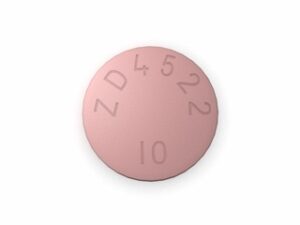
Zocor (Simvastatin) — Patient-Friendly Guide (Australia)
Zocor contains simvastatin, a medicine used to lower cholesterol and reduce the risk of certain cardiovascular events. This guide explains how simvastatin works, how it’s used, important safety information, and practical tips for everyday use.
1) Basic product information
- Medicine name: Zocor
- Active ingredient: Simvastatin
- Medicine class: Statin (HMG‑CoA reductase inhibitor)
- Common strengths: Often available in tablets such as 5 mg, 10 mg, 20 mg, 40 mg (availability may vary)
- How it’s taken: Usually once daily by mouth
This information is designed to help you understand your medicine. Your clinician or pharmacist may adjust the dose to suit your health needs and risk factors.
2) How simvastatin works (mechanism of action)
Simvastatin belongs to the statin family. It lowers blood cholesterol by reducing how much cholesterol your liver produces. Specifically, simvastatin blocks HMG‑CoA reductase, a key enzyme involved in cholesterol synthesis.
As a result:
- LDL (“bad”) cholesterol decreases by increasing clearance of LDL from the blood.
- Triglycerides may decrease.
- HDL (“good”) cholesterol may increase modestly.
Lowering LDL cholesterol helps reduce the risk of heart attack, stroke, and other cardiovascular events in people at higher risk.
3) Pharmacokinetics (how the body handles simvastatin)
Pharmacokinetics describes how a medicine is absorbed, processed, and eliminated. Key points for simvastatin include:
- Absorption: Simvastatin is absorbed after oral dosing, though the degree of absorption varies between people.
- Prodrug activation: Simvastatin is converted in the body to its active form (it is a prodrug).
- Peak effect: The cholesterol-lowering effect is influenced by the timing of dosing.
- Metabolism: Metabolised primarily by CYP3A4 in the liver.
- Elimination: Metabolites are cleared mainly via the bile and digestive system.
Because CYP3A4 is involved, medicines that strongly affect CYP3A4 can change simvastatin levels, increasing the risk of side effects.
4) Typical use in Australia
Zocor is commonly used for:
- High cholesterol (hypercholesterolaemia) when lifestyle changes alone are not sufficient.
- Mixed dyslipidaemia (high LDL and/or triglycerides, sometimes with low HDL).
- Reducing cardiovascular risk in certain patients, including those with established cardiovascular disease or diabetes and risk factors.
It is typically used as part of a broader plan that includes healthy eating, physical activity, weight management, and avoiding smoking.
5) Timing: when to take simvastatin
Simvastatin dosing is often recommended in the evening. This is because cholesterol production in the body tends to be higher at night.
- Common advice: Take your tablet once daily in the evening.
- If your clinician instructed a different schedule: follow that advice.
- Consistency matters: taking at the same time each day helps maintain steady effect.
6) Food interactions
Most people can take simvastatin without worrying about food, but consider the following:
- General rule: You can usually take simvastatin with or without food.
- Grapefruit: Avoid or limit grapefruit juice. Grapefruit can increase simvastatin levels by affecting CYP3A4, raising the risk of muscle-related side effects.
If you drink grapefruit juice regularly, discuss this with your pharmacist for personalised advice.
7) Alcohol and medicine interactions
Alcohol
Moderate alcohol intake may be acceptable for many people, but simvastatin can affect liver enzymes in some individuals. It’s especially important to be cautious if you have:
- Existing liver disease
- Persistently raised liver enzymes
- A history of heavy alcohol use
If you’re unsure how much alcohol is safe for you, ask your pharmacist or clinician.
Important medicine interactions (CYP3A4 and muscle risk)
Some medicines can significantly increase simvastatin levels (particularly those affecting CYP3A4), increasing the risk of: muscle pain, weakness, and rare but serious muscle breakdown (myopathy/rhabdomyolysis).
Examples of medicines to discuss or avoid with simvastatin include:
- Strong CYP3A4 inhibitors, such as certain antibiotics/antifungals (e.g., clarithromycin, erythromycin in some cases; ketoconazole/itraconazole), and some HIV medicines
- Hepatitis C antivirals or other specialist medicines that affect metabolism
- Other cholesterol-lowering medicines used together with simvastatin (e.g., fibrates like gemfibrozil, and sometimes niacin/other lipid agents) may increase muscle risk
This is not a complete list. Always tell your pharmacist about:
- All prescription medicines
- Over-the-counter medicines
- Herbal products (especially products affecting enzymes)
In Australia, pharmacists commonly screen for interactions—still, it’s wise to confirm all medicines you take.
8) Indications: what simvastatin is used to treat
Simvastatin may be used for:
- Primary hypercholesterolaemia (including heterozygous familial hypercholesterolaemia)
- Mixed dyslipidaemia
- To reduce cardiovascular risk in appropriate patients (for example, those with established cardiovascular disease or at increased risk)
Your clinician will choose the most appropriate cholesterol goals and treatment plan for you.
9) Dosing: how much is usually taken
Dose depends on your cholesterol levels, cardiovascular risk, age, and interacting medicines. Do not change the dose unless your clinician tells you to.
| Situation | Typical starting approach | Notes |
|---|---|---|
| High LDL cholesterol (primary prevention or cholesterol lowering) | Often 10 mg to 20 mg once daily | Dose may be adjusted after blood tests |
| Higher risk cardiovascular disease | May be 20 mg to 40 mg once daily depending on risk and guidance | Clinician determines target and tolerance |
| People taking interacting medicines | May need a lower simvastatin dose | Interaction risk can be significant—pharmacist screening is crucial |
| Renal impairment | Clinician-led dosing plan | May require closer monitoring |
Practical dosing tips:
- Take once daily, usually in the evening.
- If you miss a dose, take it when you remember
- Do not take a double dose to make up for a missed tablet.
10) Safety profile: what to watch for
Many people take simvastatin without serious problems. Like all medicines, it can cause side effects in some individuals.
Common or expected effects
- Headache
- Digestive effects (e.g., nausea, constipation, abdominal discomfort)
- Mild increases in liver enzymes on blood tests
Muscle-related symptoms (important)
Statins can, in rare cases, cause muscle injury. Stop and seek medical advice promptly if you develop:
- Unexplained muscle pain, tenderness, or weakness
- Dark or cola-coloured urine
- Fever or feeling unwell together with muscle symptoms
These symptoms can be signs of serious muscle injury (rare). Early attention helps reduce risk.
Liver safety
- Clinicians may perform blood tests before and during treatment.
- Seek medical advice if you have signs of liver problems such as yellowing of the skin/eyes, unusual fatigue, or severe abdominal pain.
Other precautions
- Some people may experience rash or other hypersensitivity reactions.
- Rarely, statins may be associated with changes in blood sugar levels in susceptible individuals; monitoring may be recommended.
11) Practical use tips
- Keep your cholesterol plan: Continue heart-healthy diet measures, exercise advice, and smoking avoidance.
- Regular blood tests: Your clinician may check cholesterol and sometimes liver-related blood tests and other monitoring as appropriate.
- Know your medicines: Keep an updated list of all medicines and show it to every healthcare professional you see.
- Be careful with “natural” products: Some supplements can affect metabolism or liver enzymes.
- Act on muscle symptoms: If you notice muscle pain beyond normal exercise soreness, contact your pharmacist or clinician.
12) Alternatives to Zocor (simvastatin)
There are several other ways to manage cholesterol, including other statins and non-statin options. The best choice depends on your cholesterol pattern, risk profile, and tolerability.
Other statins
- Atorvastatin
- Rosuvastatin
- Pravastatin (sometimes chosen when interaction risk is lower)
Non-statin options (may be used alone or with a statin in selected patients)
- Ezetimibe (reduces cholesterol absorption)
- Bile acid sequestrants (bind bile acids)
- PCSK9 inhibitors (in specialist settings)
- Other lipid-lowering agents depending on availability and clinical circumstances
If you experience side effects or your cholesterol targets are not met, discuss options with your clinician and pharmacist.
13) Market and legal context for Australia (overview)
In Australia, prescription medicines are regulated through the Australian Register of Therapeutic Goods (ARTG) and managed via the medicines scheduling system. Cholesterol-lowering medicines like simvastatin are generally used as part of cardiovascular risk management and are supplied according to Australian regulatory requirements.
Availability, strengths, and substitution rules may vary by product and pharmacy policy. Your pharmacist can advise on the specific brand, strength, and supply options available.
14) Recent guidance: what matters for patients
Clinical guidance for statin therapy evolves as evidence and safety information improves. Key themes that often appear in contemporary guidance include:
- Using the right intensity for your cardiovascular risk and cholesterol goals.
- Careful interaction checks (especially CYP3A4 inhibitors and certain lipid medicines).
- Monitoring for effectiveness (cholesterol levels) and safety (symptoms; blood tests when indicated).
- Using the lowest effective dose that achieves benefit while reducing adverse effects for the individual.
If you have questions about your specific dose or target levels, your pharmacist can help interpret your recent test results and medication plan.
15) Delivery and availability
Online pharmacies in Australia typically supply medicines packaged for safe transport with tracking options. Availability can vary by strength and brand, and substitutions may occur depending on stock.
- Shipping: Usually sent with standard or express delivery options (varies by provider and location).
- Packaging: Medicines are supplied in secure packaging suitable for pharmacy supply.
- Stock changes: If a specific strength is temporarily unavailable, your pharmacist may suggest a comparable option where allowed.
If you need this medicine urgently for ongoing therapy, contact the pharmacy to confirm dispatch timelines.
16) Frequently Asked Questions (FAQ)
How long does simvastatin take to work?
Cholesterol levels can start to improve within a few weeks. Your clinician typically checks blood tests after an appropriate interval to assess response and adjust the dose if needed.
Will I need to take Zocor for life?
Many people take cholesterol-lowering medicines long-term because cardiovascular risk factors often persist. Your clinician will review your ongoing need based on risk, cholesterol results, and tolerance.
Can I stop taking simvastatin if my cholesterol improves?
Do not stop suddenly unless your clinician advises it. Stopping can allow cholesterol levels to rise again and may increase cardiovascular risk.
What should I do if I miss a dose?
Take it when you remember if it’s still close to your usual time. Otherwise, skip the missed dose and take the next one at your normal time. Do not take a double dose.
Is grapefruit juice safe with simvastatin?
It’s best to avoid or significantly limit grapefruit juice, as it may increase simvastatin levels and raise the risk of side effects.
What muscle symptoms are most concerning?
Seek medical advice promptly if you have unexplained muscle pain, tenderness, or weakness—especially if accompanied by fever or dark urine.
Can I take simvastatin with other cholesterol medicines?
Sometimes it is appropriate, but the combination may increase side-effect risk, particularly muscle-related problems. Your pharmacist will check for interactions and your clinician may adjust the dose.
Do I need liver blood tests?
Clinicians may request blood tests before starting treatment and may repeat them during follow-up when clinically indicated.
Can I drink alcohol while taking Zocor?
Many people can drink alcohol in moderation, but caution is advised—especially if you have liver issues or heavy alcohol intake. Ask your pharmacist for advice tailored to your situation.
Are there special precautions for older adults?
Older adults may be more sensitive to statin side effects or have a higher chance of drug interactions due to multiple medicines. Dose and monitoring are often adjusted accordingly.
What if I become pregnant or am trying to conceive?
If this applies to you, discuss treatment options promptly with your clinician or pharmacist. It’s important not to continue medicines in certain circumstances without proper guidance.
Summary
Zocor (simvastatin) is a statin medicine used to lower LDL (“bad”) cholesterol and help reduce cardiovascular risk. It works by decreasing cholesterol production in the liver and increasing LDL clearance. For best results, take it once daily in the evening, follow your blood test plan, and be alert to muscle symptoms. Because simvastatin can interact with other medicines—especially those that affect CYP3A4—always check interactions with your pharmacist.