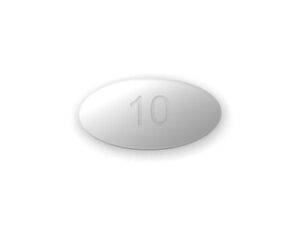
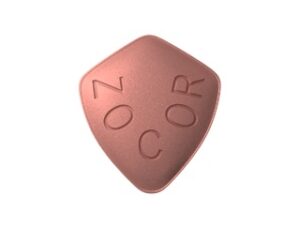
Simvastatin (e.g., Zocor® and generics) — Patient Guide (Australia)
Simvastatin is a cholesterol-lowering medicine used to reduce the risk of cardiovascular disease such as heart attack and stroke. It belongs to a group of medicines called statins. Many people take simvastatin daily as part of a long-term strategy that also includes healthy eating, regular physical activity, and not smoking.
This guide explains what simvastatin does, how it works in the body, how it is typically taken, important safety information, and practical tips for safe use in Australia.
Basic product information
- Medicine name: Simvastatin
- Medicine class: Statin (HMG-CoA reductase inhibitor)
- Common forms: Tablets (strengths vary; often 5 mg, 10 mg, 20 mg, 40 mg)
- Typical dosing frequency: Once daily (often in the evening)
- Why it’s used: To lower LDL (“bad”) cholesterol and reduce cardiovascular risk
Note: Brand names and strengths can vary. Always check the strength on your specific product label.
How simvastatin works (mechanism of action)
Simvastatin works by reducing cholesterol production in the liver.
- It inhibits an enzyme called HMG-CoA reductase.
- This decreases the liver’s cholesterol synthesis.
- As a result, the liver increases uptake of LDL cholesterol from the bloodstream.
- LDL levels fall, which helps reduce plaque build-up in the arteries and lowers cardiovascular risk.
In addition to lowering LDL, simvastatin can also modestly improve other lipid measures, such as triglycerides, and may raise HDL (“good”) cholesterol slightly.
Pharmacokinetics (what the body does to the medicine)
Pharmacokinetics describes how a medicine is absorbed, distributed, metabolised, and eliminated.
- Absorption: Simvastatin is absorbed after oral dosing, but the process is influenced by food and metabolism.
- Prodrug: Simvastatin is administered as an inactive form and is converted in the body to its active form.
- Metabolism: It is primarily metabolised in the liver by an enzyme system, especially CYP3A4.
- Distribution: The active metabolites act mainly in the liver to reduce cholesterol synthesis.
- Elimination: Metabolites are eliminated mainly through bile and faeces; only a small fraction appears in urine.
Why this matters: Medicines that strongly affect CYP3A4 can increase simvastatin levels and the risk of muscle-related side effects. This is a key reason for medicine interaction precautions.
Typical use in Australia
Simvastatin is used for both:
- Primary prevention: to lower cardiovascular risk in people who have not yet had a heart attack or stroke but are at risk due to cholesterol and other factors.
- Secondary prevention: to reduce risk of further cardiovascular events in people who have already experienced disease (for example, coronary heart disease, stroke, or peripheral arterial disease).
It is commonly used as part of broader cardiovascular risk management, which may include blood pressure medicines, diabetes management, smoking cessation, diet changes, exercise, and weight management.
When to take simvastatin (timing)
Many people are advised to take simvastatin once daily, commonly in the evening. This is because cholesterol production by the liver is naturally higher at night.
- General timing: Take at the time of day recommended on your product label or by your clinician.
- With or without food: Simvastatin can be taken with or without food, but food and certain beverages (especially grapefruit) can affect levels.
- Consistency: Try to take it at the same time each day to maintain steady effects.
- If you miss a dose: Take it when you remember unless it is close to the next dose. Do not take double the dose.
Food interactions (including grapefruit)
Food and beverages can influence how much simvastatin enters the bloodstream.
- Grapefruit and grapefruit juice: Grapefruit can inhibit enzymes involved in simvastatin metabolism (notably CYP3A4), leading to higher drug levels and a greater risk of side effects. It is generally advised to avoid grapefruit while taking simvastatin.
- Alcohol and heavy meals: Alcohol can increase risk of liver-related problems, particularly if intake is significant. Heavy alcohol use and binge drinking increase risk. If you drink alcohol, discuss safe limits with your healthcare professional.
For most people, normal meals do not prevent use, but avoiding grapefruit is the most well-known dietary interaction.
Alcohol and medicine interactions
Alcohol
Simvastatin can rarely affect the liver. Regular or heavy alcohol intake can also stress the liver. If you drink alcohol, especially frequently or in large amounts, speak with your clinician or pharmacist about safe drinking practices.
- Practical advice: Keep alcohol moderate and avoid binge drinking.
- Seek advice urgently: If you develop symptoms such as unusual fatigue, yellowing of the eyes/skin, dark urine, severe nausea, or upper abdominal pain, get medical advice promptly.
Common medicine interaction themes
Because simvastatin is metabolised by CYP3A4, certain medicines can increase simvastatin exposure. This may raise the risk of muscle injury (including rhabdomyolysis, which is rare but serious).
Examples of medicine categories that may interact include:
- Strong CYP3A4 inhibitors (often leading to increased simvastatin levels), such as certain antifungals (e.g., ketoconazole, itraconazole) and some macrolide antibiotics (e.g., clarithromycin).
- Some HIV medicines that affect CYP enzymes.
- Nefazodone (a medication affecting serotonin pathways and metabolism).
- Other lipid-lowering medicines: Combining statins with certain therapies (e.g., some fibrates) may increase muscle side effect risk in some people.
Important: Interaction risk depends on the specific medicine, your simvastatin dose, kidney/liver function, age, and other factors. Always tell your pharmacist about all medicines and supplements you use, including “natural” products.
Indications (what simvastatin is used for)
Simvastatin is indicated to lower cardiovascular risk and treat cholesterol abnormalities in appropriate patients. Typical indications include:
- High LDL cholesterol (dyslipidaemia) when diet and lifestyle changes are insufficient.
- Prevention of cardiovascular events in people at increased risk, particularly those with existing atherosclerotic cardiovascular disease.
- Reducing risk of events after cardiovascular disease, such as coronary heart disease and related conditions.
Your healthcare professional will consider your lipid profile, overall risk, and treatment goals when deciding whether simvastatin is appropriate.
Dosing (how simvastatin is commonly taken)
Doses can vary based on cholesterol levels, cardiovascular risk, and interaction risk. Your exact dose should be determined by a healthcare professional and matched to the product strength you have.
General dosing principles include:
- Starting dose: Often 10 mg to 20 mg once daily, depending on the situation.
- Adjustment: Doses may be increased gradually based on response and tolerability.
- Maximum dose considerations: In some regions and for certain combinations of interacting medicines, higher doses may be limited to reduce safety risk.
- Evening dosing: Commonly taken in the evening to match natural cholesterol rhythm.
Practical dosing example (illustrative): If a person starts at a lower dose and LDL levels remain above goal, the prescriber may increase the dose or consider alternative therapies.
Reminder: Do not change dose without guidance. If you experience side effects, seek advice rather than stopping abruptly.
Safety profile (what to watch for)
Most people tolerate simvastatin well. However, like all medicines, it can cause side effects. The most important safety issues relate to muscles and liver function, plus some less common effects.
Common or expected effects
- Mild muscle aches can occur in some people, especially after starting or increasing the dose.
- Headache or mild stomach discomfort may occur.
Serious side effects (seek medical advice promptly)
-
Muscle problems (rare, but important):
- Unexplained muscle pain, tenderness, weakness, or cramps—especially if accompanied by fever or feeling unwell.
- Dark urine can be a sign of severe muscle breakdown (rare rhabdomyolysis).
-
Liver-related symptoms (rare):
- Yellowing of the eyes/skin
- Dark urine
- Severe fatigue or loss of appetite
- Upper abdominal pain
Who may be at higher risk of muscle side effects?
- Older age
- Higher simvastatin doses
- Kidney impairment
- Hypothyroidism (underactive thyroid)
- Drug interactions that increase simvastatin levels
- Heavy physical exertion or recent major illness
If you are at higher risk, your clinician may choose a different dose, consider alternative statins, or monitor you more closely.
Practical use tips (making simvastatin easier and safer)
- Keep a routine: Take your dose at the same time each day.
- Know your baseline: If you have a history of muscle symptoms or liver problems, tell your healthcare professional before starting or if you are changing dose.
- Check your medicines list: Review over-the-counter products, including anti-inflammatories, antibiotics, and supplements (especially those that can affect liver enzymes).
- Avoid grapefruit: Check labels for grapefruit-derived ingredients.
- Stay hydrated: Dehydration can worsen kidney strain, which may increase muscle complication risk.
- Don’t ignore symptoms: Report new unexplained muscle pain or dark urine promptly.
- Adopt lifestyle measures: Statins work best with heart-healthy diet and activity.
Lifestyle support ideas:
- Choose foods low in saturated fats and refined sugars
- Increase soluble fibre (e.g., oats, legumes) where suitable
- Aim for regular physical activity
- If you smoke, seek support to quit
Monitoring and follow-up
Clinicians typically monitor treatment response with blood tests, such as:
- Lipid profile (LDL, HDL, triglycerides)
- Liver function tests when clinically appropriate
- Other tests if muscle symptoms or risk factors are present
Follow-up timing varies, but dose changes are often followed by repeat lipid testing after an interval recommended by your clinician.
Alternative options
If simvastatin isn’t suitable (for example, due to interactions, side effects, or insufficient cholesterol reduction), other strategies may be considered.
Other statins
- Atorvastatin
- Rosuvastatin
- Pravastatin (often considered in some interaction contexts)
- Pitavastatin
Different statins have different metabolism pathways and interaction profiles, which can influence tolerability and safety.
Non-statin options
- Ezetimibe (reduces cholesterol absorption)
- PCSK9 inhibitors (injectable therapies used in certain high-risk situations)
- Bile acid sequestrants (less commonly used due to side effects)
- Fibrates or omega-3 fatty acids for specific triglyceride patterns (with careful monitoring for muscle risk)
Your clinician will select alternatives based on your lipid goals, cardiovascular risk, and medical history.
Market and legal context for Australia
In Australia, medicines are regulated by the Therapeutic Goods Administration (TGA). Statins such as simvastatin are widely used and have established safety and effectiveness profiles.
- Prescription medicine classification: Statins are generally supplied as prescription medicines in Australia.
- Quality and supply: Australian medicines supplied through legitimate channels must meet regulatory quality standards.
- Pharmacist support: Pharmacists can help check interactions and advise on safe use.
For the most up-to-date Australian product information, consult the official consumer medicines information or ask a pharmacist.
Recent guidance and current best practice (general)
Guidance for statin use evolves over time as new evidence emerges. In recent years, common principles in clinical practice include:
- Assess cardiovascular risk and tailor therapy accordingly (benefits must be balanced with side effects).
- Start with an appropriate statin and dose, then adjust based on LDL response.
- Review medicines interactions and consider safer dosing or alternative statins when interacting drugs are needed.
- Monitor symptoms (especially muscle symptoms) and check relevant blood tests where appropriate.
If you are switching brands or doses, it is helpful to review the product label carefully and ask your pharmacist if anything has changed.
Delivery, availability, and how to order (online pharmacy)
Simvastatin is commonly available via Australian pharmacies and approved online pharmacy services. Availability can vary depending on strength and brand.
- In-stock items: Many strengths are frequently stocked; delivery timelines may depend on location and courier service.
- Backorders: If an item is temporarily unavailable, an alternative strength/brand may be offered subject to eligibility and pharmacy policy.
- Packaging: Medicines should be delivered in original manufacturer packaging to ensure correct identification and expiry dates.
Delivery tips: Store tablets as directed on the label (typically cool, dry conditions), and keep them out of direct sunlight. If you have multiple medicines, store them separately to avoid mix-ups.
FAQ — Simvastatin (Australia)
1) What is simvastatin used for?
Simvastatin lowers LDL (“bad”) cholesterol and reduces the risk of heart attack, stroke, and other cardiovascular events, particularly in people with high cardiovascular risk or existing cardiovascular disease.
2) How quickly will my cholesterol improve?
Cholesterol levels can begin to improve within a few weeks. Lipid tests are commonly repeated after an interval recommended by your clinician to confirm your treatment response.
3) Should I take simvastatin in the morning or at night?
Many people take simvastatin in the evening. Follow your product label or clinician’s instructions. If you need to change timing, ask your pharmacist for advice to keep dosing consistent.
4) Can I drink alcohol while taking simvastatin?
Moderate alcohol may be acceptable for some people, but heavy or frequent drinking increases liver strain. It’s best to discuss your drinking pattern with your pharmacist or clinician, especially if you have liver conditions.
5) Why should I avoid grapefruit?
Grapefruit can increase simvastatin blood levels by interfering with metabolism, increasing the risk of muscle-related and other side effects. Avoid grapefruit and grapefruit juice while taking simvastatin.
6) What side effects should worry me?
Seek medical advice promptly if you experience unexplained muscle pain/weakness with fever or dark urine, or if you develop symptoms suggestive of liver problems (yellow eyes/skin, dark urine, severe fatigue).
7) Are there medicine interactions I should know about?
Yes. Some antibiotics, antifungals, HIV medicines, and other lipid-lowering drugs can interact with simvastatin and increase side effect risk. Always provide your pharmacist with a complete list of medicines and supplements.
8) What if I miss a dose?
If you miss a dose, take it when you remember unless it’s nearly time for your next dose. Do not take two doses at once.
9) Can simvastatin be stopped if my cholesterol looks better?
Cholesterol-lowering effects often decrease after stopping. Cardiovascular risk reduction depends on ongoing treatment and lifestyle changes. If you want to stop, discuss it with your healthcare professional.
10) What are good lifestyle changes alongside simvastatin?
A heart-healthy diet, regular physical activity, maintaining a healthy weight, limiting alcohol, and not smoking can all support cholesterol control and reduce cardiovascular risk.
Quick reference table
| Topic | Key points for patients |
|---|---|
| What it does | Lowers LDL cholesterol and reduces cardiovascular event risk. |
| How it works | Blocks HMG-CoA reductase in the liver, reducing cholesterol production and increasing LDL uptake. |
| When to take | Typically once daily, often in the evening. Take at the same time each day. |
| Food interactions | Avoid grapefruit and grapefruit juice. |
| Alcohol | Moderate intake may be acceptable; avoid heavy drinking and seek advice if you have liver concerns. |
| Major interactions | Certain antibiotics/antifungals/HIV medicines can raise simvastatin levels (CYP3A4-related interactions). |
| Seek help urgently | Unexplained muscle pain/weakness with dark urine; or signs of liver problems (yellowing, dark urine, severe fatigue). |
| Alternatives | Other statins or non-statin therapies may be considered based on your response and interactions. |
Important reminder: This information is designed to help you understand simvastatin and use it safely. If you have questions about your specific dose, interactions with your current medicines, or side effects you experience, speak with your pharmacist or clinician.