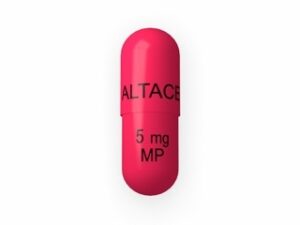
Samsca (Tolvaptan) — Patient Guide (Australia)
Samsca (tolvaptan) is a medicine used to treat certain types of abnormal, low blood sodium levels (hyponatraemia). This guide explains what Samsca is, how it works, when it’s used, how it’s typically taken, and important safety information. It is written to be patient-friendly and practical.
If you have been prescribed Samsca, follow your clinician’s instructions exactly. Dosage and monitoring may vary depending on the cause of your hyponatraemia and your individual risk factors.
Key product information
| Item | Details |
|---|---|
| Medicine name | Samsca (tolvaptan) |
| Medicinal class | Vaptan (vasopressin V2-receptor antagonist) |
| How it works | Helps your kidneys remove free water (water diuresis) without losing as much sodium |
| Common reason for use | Hyponatraemia (low sodium), particularly when fluid restriction alone is not sufficient |
| Administration | Oral tablet, usually once daily |
| Monitoring needs | Sodium levels may need close monitoring, especially during initiation |
How Samsca works (mechanism of action)
Your body regulates water balance partly through a hormone called vasopressin (also known as antidiuretic hormone, ADH). Vasopressin acts on receptors in the kidneys—especially the V2 receptors—to help the body retain water.
Tolvaptan blocks V2 receptors. This makes the kidneys excrete free water (water without the same level of salt loss). As a result, the amount of water in the bloodstream decreases and the blood sodium concentration rises.
This approach is sometimes described as a “selective water diuretic” effect—because it targets water retention pathways rather than simply increasing urine volume in all situations.
Pharmacokinetics (how your body processes it)
While exact values can vary by patient and formulation, the general pharmacokinetic behaviour of tolvaptan is as follows:
- Absorption: Tolvaptan is absorbed after oral dosing and reaches peak levels in the bloodstream within hours.
- Distribution: It distributes into body tissues and binds to plasma proteins.
- Metabolism: Tolvaptan is primarily metabolised by the liver (notably via CYP3A pathways).
- Elimination: The drug and its metabolites are mainly eliminated through the bile and faeces.
- Half-life: It has a terminal half-life that supports once-daily dosing in many clinical settings.
Because metabolism involves liver enzyme pathways, drug–drug interactions can occur—particularly with strong inhibitors or inducers of CYP3A. Your clinician may adjust your regimen or increase monitoring if interacting medicines are involved.
Typical uses in clinical practice
Samsca is used for clinically significant euvolemic or hypervolemic hyponatraemia—conditions where blood sodium is low, and the patient may have insufficient correction with measures such as fluid restriction. It works by raising serum sodium through free-water clearance.
In some situations, tolvaptan may also be considered when clinicians need to correct hyponatraemia carefully and predictably. The exact “indication details” and eligible causes depend on local guidance and the patient’s clinical profile.
- Examples of hyponatraemia types where it may be used:
- Euvolemic hyponatraemia (e.g., certain cases of SIADH—syndrome of inappropriate antidiuretic hormone)
- Hypervolemic hyponatraemia (e.g., some patients with heart failure or other fluid-retaining conditions)
- Not a substitute for treating the underlying cause: Samsca addresses water retention physiology, but the cause of hyponatraemia still needs assessment.
Indications and what the doctor looks for
Indications are based on the diagnosis and severity of hyponatraemia, symptoms, and the risk of complications. Common clinical considerations include:
- Low serum sodium confirmed by blood tests.
- Symptoms: Some people feel unwell, confused, or unusually sleepy; severe hyponatraemia may be an emergency.
- Cause: Treatment differs depending on whether hyponatraemia is due to dehydration, excess body water, medication effects, hormonal issues, or other causes.
- Response to conservative measures: If fluid restriction is insufficient, a vaptan may be considered.
Your prescriber may also review imaging, medication history, and fluid status (oedema, weight change, blood pressure, and other signs).
How to take Samsca: dosing, timing, and practical routine
General dosing approach starts with careful correction goals and monitoring. Many patients are started at a low dose and titrated based on sodium response and safety monitoring.
Typical dosing (general guidance)
- Initial dosing: Often begins at a low dose and may be adjusted.
- Maximum dose: There may be an upper limit per day depending on the product guidance and clinical circumstances.
- Duration: Treatment may be short-term or continued only as clinically necessary, guided by sodium correction and underlying cause control.
Always use the dose your clinician recommends. Do not increase or decrease your dose without advice, and do not stop suddenly if your clinician expects you to continue.
Timing: when to take it
- Once daily is typical.
- Morning dosing is often preferred so that the urine water loss effect occurs earlier in the day.
- Try to take it at the same time each day to maintain consistent effects.
How to take it with water
- Follow your clinician’s fluid advice.
- In some scenarios, you may be allowed to drink to thirst; in others, fluid restriction or careful intake planning is used to avoid overly rapid sodium correction.
- If you are uncertain, ask your healthcare provider or pharmacist how much to drink on treatment days.
Food interactions and what to expect
Food can influence how quickly and how well some medicines are absorbed. With tolvaptan, food effects may vary by formulation and individual factors. As a general approach:
- Follow the dosing instructions provided by your clinician or pharmacist.
- If your dosing instructions are “with or without food,” take it consistently—either always with food or always without, unless advised otherwise.
- If you experience nausea or stomach upset, discuss timing adjustments with your pharmacist.
Important: The effect you feel may be related more to fluid balance than to food itself. The key safety issue is the rate of sodium correction, not the meal you ate.
Alcohol and medicine interactions
Alcohol
Alcohol can affect hydration, sleep, and hormone pathways involved in water balance. It can also worsen dizziness or drowsiness. Therefore:
- Avoid or limit alcohol while you are adjusting to therapy.
- If you drink, do so cautiously and keep hydration guidance from your clinician in mind.
Other medicine interactions
Tolvaptan is metabolised via liver pathways (notably CYP3A), so drugs that strongly affect these enzymes may change tolvaptan levels. This can increase side effects or reduce effectiveness.
- Strong CYP3A inhibitors (can increase tolvaptan exposure): examples may include certain antifungals and some antibiotics (exact products depend on current prescribing information).
- Strong CYP3A inducers (can decrease tolvaptan exposure): examples may include some anticonvulsants and certain herbal products.
- Digoxin (heart medicine): tolvaptan may increase digoxin exposure in some circumstances; extra monitoring may be needed.
- Other diuretics: combined effects on fluids and electrolytes may require monitoring.
- Medicines that affect electrolyte balance (including those used for kidney, endocrine, or psychiatric indications): monitoring is important.
Provide your pharmacist with a complete list of medicines, including over-the-counter products and herbal supplements. If you start or stop any medicine while on Samsca, check whether it could interact.
Safety profile: what to watch for
Samsca can be very effective, but it has important safety considerations—especially regarding rapid correction of sodium and liver risk. Your healthcare team may monitor blood sodium frequently at the start and during dose changes.
Serious risks and warning signs
-
Overly rapid rise in sodium (hypernatraemia / correction too fast):
- Symptoms may include extreme thirst, confusion, weakness, seizures, or unusual neurologic symptoms.
- Rapid correction can lead to serious complications. Monitoring helps prevent this.
-
Liver injury:
- Tolvaptan can cause increases in liver enzymes and, in rare cases, more serious liver problems.
- Seek medical advice promptly if you develop yellowing of the skin/eyes (jaundice), dark urine, severe fatigue, persistent nausea/vomiting, or abdominal pain.
-
Dehydration and increased urination:
- Because the medicine causes water loss, you may experience thirst and frequent urination.
- Follow your clinician’s hydration plan to reduce risk.
Common side effects
Many side effects are mild and related to the fluid and electrolyte changes. Examples include:
- Thirst
- Increased urination (frequent need to pass urine)
- Dry mouth
- Headache
- Nausea or dizziness
When to get urgent help
- Seizures or severe confusion
- Fainting or severe weakness
- Signs of allergic reaction: swelling of face/lips, difficulty breathing, or widespread rash
- Signs of liver injury (jaundice, dark urine, severe persistent nausea/vomiting)
If you experience any urgent symptoms, contact emergency services or seek immediate medical care.
Practical use tips (patient checklist)
- Know your latest sodium result: Ask when your next blood test is scheduled and what target range is expected.
- Follow fluid instructions carefully: The “right amount of drinking” is individual and depends on your hyponatraemia type and your sodium response.
- Watch for dehydration: Keep a bottle of water nearby if your clinician allows it, and respond to thirst.
- Avoid abrupt changes in drinking habits: Big swings in fluid intake can affect sodium correction speed.
- Keep a symptom diary: Note thirst, dizziness, confusion, headaches, and urine frequency—especially during the first days.
- Medication review: Tell your clinician about all medicines you take, including supplements and herbal products.
- Liver monitoring: If liver blood tests are requested, attend all appointments even if you feel well.
Monitoring and follow-up
The cornerstone of safe use is monitoring. Your doctor may check:
- Serum sodium at baseline and at intervals after starting
- Signs of dehydration and fluid status
- Liver function tests when appropriate
- Other electrolytes depending on your condition and other medicines
If you miss a dose, do not double up. Contact your pharmacist or clinician for advice.
Alternative options for hyponatraemia
Treatment depends strongly on the cause of hyponatraemia. Alternatives to Samsca may include:
- Fluid restriction (often first-line for many stable cases)
- Treating the underlying cause (e.g., adjusting medicines that contribute to hyponatraemia)
- Hypertonic saline in severe or symptomatic hyponatraemia, usually under close medical supervision
- Other medications depending on diagnosis (your clinician may consider options tailored to SIADH, heart failure, or other causes)
Your clinician will choose the safest strategy for your hyponatraemia type, symptoms, and risk of rapid correction. If you’d like, discuss whether your situation fits the use of vaptans and whether non-medicine strategies are appropriate.
Australia market and legal context (what to expect)
In Australia, medicine access and availability are governed by the Therapeutic Goods Administration (TGA) and related regulatory frameworks. Product availability can vary by:
- TGA-approved listings and any restrictions associated with the medicine
- Supply availability through wholesalers and pharmacies
- Local clinical guidance and prescribing practices
Guidance can evolve as new evidence appears and safety monitoring recommendations are updated. Your clinician and pharmacist can confirm the most current usage and monitoring requirements for your specific situation.
Recent guidance and evolving safety considerations
Hyponatraemia correction carries a well-recognised risk: correcting sodium too quickly can cause serious neurologic injury. Over time, clinical practice has emphasised careful initiation, appropriate limits on correction speed, and close monitoring.
For vaptans like tolvaptan, clinicians typically focus on:
- Ensuring the indication fits the patient’s hyponatraemia type and severity
- Confirming baseline sodium and monitoring response after starting
- Managing hydration plans to prevent overcorrection
- Applying liver monitoring recommendations when appropriate
If you want to ensure you’re following the latest approach, ask your treating team which monitoring schedule applies to you.
Delivery and availability (Australia online pharmacy)
Availability of Samsca may depend on stock levels and supplier schedules. In an online pharmacy setting, delivery typically depends on:
- Stock status at dispatch time
- Standard vs express shipping options
- Local delivery coverage (state/territory and postcode)
- Time needed for confirmation of your order details
If Samsca is temporarily unavailable, most services can:
- Provide an estimated restock timeframe
- Offer a similar alternative if appropriate and permitted
- Recommend how to avoid interruption to treatment while waiting (through your clinician’s advice)
Because hyponatraemia treatment may require continuity and monitoring, it’s a good idea to plan ahead and avoid running out unexpectedly.
FAQ
1) What is Samsca used for?
Samsca (tolvaptan) is used to treat certain types of hyponatraemia—particularly when hyponatraemia is clinically significant and needs correction beyond what fluid restriction achieves. It works by increasing excretion of free water, which raises blood sodium concentration.
2) How quickly does Samsca work?
Tolvaptan begins to act within hours and effects on urine output and sodium concentration can be seen relatively early. Because the correction speed matters for safety, your blood sodium may be checked soon after starting or adjusting the dose.
3) Will I need blood tests while taking Samsca?
Often, yes—especially during initiation, dose changes, or when risk factors for overcorrection exist. Tests help ensure sodium rises at a safe rate and may include liver function checks depending on your situation.
4) Can I drink normally while using Samsca?
That depends on your condition and your doctor’s plan. Some patients may be advised to drink to thirst; others may have fluid restriction or specific targets. Always follow the guidance you’re given, and don’t make large changes to your intake without consulting your healthcare team.
5) Does Samsca cause frequent urination?
Yes. Because it increases free-water excretion, you may notice increased urination and thirst. This is expected in many patients, but severe dehydration symptoms should be reported promptly.
6) What if my sodium becomes too high?
Too-high sodium (hypernatraemia) can be harmful. This is why monitoring is important. If you develop concerning symptoms such as confusion, severe weakness, or seizures, seek urgent medical care.
7) Are there foods I should avoid?
There are no specific “forbidden” foods for most patients, but you should take the tablet as instructed and keep your overall hydration routine consistent with your clinician’s advice. If you’re unsure, ask your pharmacist for personalised advice.
8) Can I drink alcohol?
It’s best to limit or avoid alcohol during treatment because it can affect hydration and can worsen dizziness or general wellbeing. Follow your healthcare provider’s guidance.
9) What medicines commonly interact with Samsca?
Interactions can occur with medicines that affect liver metabolism (notably CYP3A pathways) and with medicines such as digoxin. Provide your full medicine list to your pharmacist to check for interactions.
10) What should I do if I miss a dose?
Contact your pharmacist or clinician for instructions. In general, do not take an extra dose to “catch up” unless specifically advised.
11) Is Samsca safe for everyone?
No. Suitability depends on your diagnosis, liver health, risk of overcorrection, and interactions with other medicines. Your clinician will assess these factors before starting.
12) What alternatives exist if Samsca isn’t suitable?
Depending on the cause of hyponatraemia, alternatives may include fluid restriction, treating underlying causes, hypertonic saline in severe cases, and other targeted therapies. Your treating clinician can help determine what is appropriate for you.
Summary
Samsca (tolvaptan) is a medicine that corrects certain forms of hyponatraemia by blocking vasopressin V2 receptors. It helps the kidneys remove free water, raising blood sodium levels. Because there is a risk of overcorrection and because liver safety monitoring may be needed, Samsca use requires careful initiation, appropriate dosing, and follow-up blood tests.
If you have any questions about how to take Samsca safely, what to monitor, or how it may interact with your current medicines, speak with your pharmacist or treating clinician.