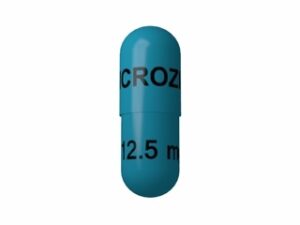
Lozol (Indapamide) – Patient Information (Australia)
Lozol is a brand of the medicine indapamide, a type of diuretic (often called a “water tablet”). It is used to help control high blood pressure (hypertension) and may be prescribed for certain people with fluid retention due to heart failure. This page explains what Lozol is, how it works, how to take it safely, and what to watch for.
| Item | Details |
|---|---|
| Medicine name | Lozol (indapamide) |
| Type | Thiazide-like diuretic (water/ salt balancing medicine) |
| Common reasons for use | High blood pressure; sometimes fluid management in heart failure |
| How it works | Helps the kidneys remove salt and water and relax blood vessels |
| Typical dosing pattern | Once daily (timing depends on formulation and your clinician’s advice) |
| Common side effects | Low potassium, low sodium, dizziness, increased urination, headache |
Basic product information
Lozol contains indapamide. Indapamide belongs to a group of medicines called thiazide-like diuretics. It is designed to assist the body in reducing excess salt and water, which helps lower blood pressure.
In Australia, medicines are supplied through regulated channels and may be listed under Australian medication schedules depending on product strength and availability. Your pharmacist can confirm the exact product details you have (for example, tablet strength and whether it is an immediate-release or modified-release formulation).
How Lozol works (mechanism of action)
Indapamide works mainly in the kidneys. It:
- Reduces sodium (salt) reabsorption in the kidney’s tubules, so the body excretes more sodium in urine.
- Helps remove water indirectly, which can reduce fluid load and contribute to lower blood pressure.
- Supports blood vessel relaxation (some people experience improved vascular function over time), helping further reduce blood pressure.
Although diuretics increase urine output, indapamide’s blood-pressure benefits are not solely about “peeing more.” Many people achieve better blood pressure control over days to weeks as the overall effect on blood vessels and fluid balance settles in.
Pharmacokinetics (how the body handles indapamide)
“Pharmacokinetics” describes how the body absorbs, distributes, metabolises, and eliminates a medicine. While individual responses vary, these general features are helpful for understanding expected patterns:
- Absorption: Indapamide is absorbed after oral dosing. Food may affect the speed of absorption, but not always the overall effect.
- Distribution: It circulates in the body and binds to plasma proteins.
- Metabolism: Indapamide is metabolised mainly in the liver.
- Excretion: It is eliminated through urine and faeces as metabolites.
- Onset and duration: Blood pressure benefits build gradually. With once-daily dosing, effects last across the day.
If you have kidney or liver conditions, your clinician may adjust monitoring and review your suitability for indapamide. Never change the dose on your own.
What Lozol is used for (indications)
In practice in Australia, indapamide is commonly used for:
- Hypertension (high blood pressure): Helping lower blood pressure and reduce cardiovascular risk.
- Fluid management in selected conditions: Your doctor may consider it for people with fluid retention, including some cases of heart failure, as part of a broader treatment plan.
Lozol is not a “pain relief” or “fast-acting” blood pressure medicine. It is intended as ongoing treatment to maintain healthy blood pressure levels.
Typical dosing and timing
Dosing depends on the strength and formulation of your Lozol tablets and your medical situation. Always follow the dose on your medicine label and the advice from your healthcare professional.
Common dosing schedule
- Once daily dosing is typical for indapamide products.
- Many people take it in the morning to reduce the chance of waking at night to urinate (especially when starting treatment).
How to take it
- Take your tablet at the same time each day.
- Swallow the tablet with water.
- Do not stop abruptly without advice—blood pressure control may worsen.
- If you miss a dose, follow your pharmacist’s instructions. In many cases, taking it later the same day is not recommended if it affects sleep; however, the “missed dose” approach varies by product and timing.
When will it start working?
Some people notice changes in urination within hours of a dose, but blood pressure improvement often becomes clearer over days to weeks. Your clinician may measure blood pressure and blood tests (electrolytes such as potassium and sodium) to confirm the response.
Food interactions and diet considerations
Indapamide can be taken with or without food for many people. However, specific points may help:
- Food may affect absorption speed: It’s usually not a major problem, but consistency matters—try taking it the same way each day.
- Salt (sodium) intake: Since indapamide affects sodium balance, a very high-salt diet may reduce the effectiveness of blood pressure management. Follow dietary advice from your clinician or dietitian.
- Potassium balance: Indapamide can lower potassium in the blood in some people. Your clinician may advise dietary potassium adjustments or supplements depending on your blood test results.
If you follow a restricted diet, use meal replacements, or have dietary restrictions, let your pharmacist know so they can suggest practical strategies to maintain electrolyte balance.
Alcohol and medicine interactions
Alcohol
Alcohol can increase the chance of side effects such as dizziness and
- If you drink alcohol, consider limiting intake and avoid binge drinking.
- Rise slowly from sitting or lying positions to reduce dizziness.
Medicine interactions to know about
Indapamide interacts with several types of medicines due to effects on kidney function, electrolytes, and blood pressure. Tell your pharmacist or clinician about all medicines you take, including over-the-counter products and supplements.
Common interaction themes include:
- Other blood pressure medicines: May increase the blood pressure-lowering effect. This can be helpful but may also cause dizziness if the drop is too large.
- Medicines that can lower potassium (e.g., some laxatives, corticosteroids): risk of hypokalaemia may increase.
- Medicines that raise potassium (e.g., some potassium-sparing diuretics): may be used with careful monitoring, as the net effect on potassium depends on the combination.
- NSAIDs (anti-inflammatory pain medicines like ibuprofen, naproxen): can reduce kidney function and may counteract diuretic effects in some circumstances.
- Lithium: indapamide may increase lithium levels, increasing the risk of lithium toxicity.
- Digoxin: low potassium can increase the risk of digoxin-related heart rhythm effects.
- Diabetes medicines: Lozol may affect glucose control indirectly. Your blood glucose may require monitoring.
- Gout medicines: Indapamide can increase uric acid levels, potentially affecting gout.
If you’re taking multiple medicines, ask your pharmacist for a tailored interaction check. Bringing a list of medications (or a photo of labels) makes this quicker and safer.
Safety profile and side effects
Most people tolerate indapamide well, but it can affect electrolytes and hydration. Possible side effects include:
Common side effects
- Increased urination, particularly after the first doses
- Dizziness or light-headedness (especially when standing)
- Headache
- Fatigue
Electrolyte-related effects (important)
Indapamide can lower sodium and potassium and can affect other blood chemistry values. Signs may include:
- Low potassium (hypokalaemia): muscle weakness, cramps, unusual fatigue, palpitations
- Low sodium (hyponatraemia): headache, nausea, confusion, severe drowsiness
- Dehydration: thirst, reduced urination, dizziness
Seek urgent medical help if
- you faint, have severe dizziness, or feel unable to stand
- you experience severe muscle weakness, abnormal heartbeats, or chest pain
- you notice signs of severe dehydration (very low urine output, confusion)
- you develop symptoms of an allergic reaction (swelling of face/lips, rash, breathing difficulty)
Who should be extra cautious
- People with kidney disease
- People with liver disease
- People with a history of electrolyte imbalance
- Older adults (higher risk of dehydration and electrolyte changes)
- People taking medicines that affect potassium or kidney function
Practical use tips
The following tips can improve comfort and safety while taking Lozol:
- Take in the morning: If urination at night becomes a problem, discuss timing with your pharmacist or clinician.
- Stand up slowly: This can reduce dizziness.
- Stay hydrated: Unless you’ve been told to restrict fluids, drink adequate water throughout the day.
- Monitor blood pressure: Consider checking at home, especially after dose changes.
- Keep up with blood tests: Electrolytes (potassium, sodium) and kidney function are commonly monitored.
- Watch for “overdiuresis” symptoms: excessive thirst, cramps, weakness, or a sudden feeling of being “washed out” can indicate dehydration or electrolyte imbalance.
- Be careful with supplements: Avoid potassium supplements unless advised. “Natural” products can also affect electrolytes and kidney function.
Recent guidance and Australian context
In Australia, high blood pressure management commonly involves lifestyle measures plus medicines tailored to individual risk. Clinicians typically emphasise:
- Regular monitoring: Blood pressure targets and periodic checks of electrolytes/kidney function when starting or adjusting diuretic therapy.
- Minimising harm: Reducing the risk of low sodium/potassium and dehydration, particularly in older adults.
- Medication review: Checking interactions, including NSAIDs, lithium, and other medicines affecting kidney function.
Guidance may vary depending on your overall medical condition (for example, diabetes, kidney impairment, or heart disease). Your pharmacist can help you understand what monitoring is recommended for your situation.
Dosing considerations (missed doses, overdose, and adjustment)
If you miss a dose
If you forget a dose, take it when you remember unless it is close to your next dose. If you’re unsure, ask your pharmacist for advice based on your dosing schedule and tablet strength.
Overdose
Taking too much indapamide can cause excessive diuresis, dehydration, and electrolyte disturbances. Seek urgent medical attention if you suspect an overdose, especially if symptoms include fainting, severe weakness, or palpitations.
Dose adjustment
Your dose may be adjusted according to blood pressure response, kidney function, and blood test results. Do not alter your dose without healthcare advice.
Alternative options
There are several other medication classes used for high blood pressure or fluid management. The best alternative depends on your diagnosis, other conditions, and test results.
Examples of alternatives include:
- ACE inhibitors (e.g., perindopril, enalapril)
- Angiotensin II receptor blockers (ARBs) (e.g., losartan, telmisartan)
- Calcium channel blockers (e.g., amlodipine)
- Other diuretics (e.g., bendroflumethiazide, furosemide) depending on the condition
- Combination therapy when a single medicine is not enough
If indapamide isn’t suitable (for example, due to electrolyte problems or intolerance), your clinician may consider another medicine and monitor response closely.
Delivery and availability in Australia
Lozol (indapamide) is widely used in Australia, and availability depends on stock levels, tablet strength, and formulation. Online pharmacy supply typically follows Australian medication supply rules and may require verification of eligibility to receive prescription-only medicines where applicable.
Delivery timeframes vary by provider and location within Australia. When ordering, check:
- Estimated delivery window shown at checkout
- Delivery address requirements (some medicines may require a signature)
- Cold-chain needs (indapamide tablets generally do not require refrigeration)
- Labeling accuracy (strength, directions, and expiry date)
Keep your medicines in a cool, dry place and store them out of reach of children. Do not use after the expiry date on the package.
FAQ
1) What is Lozol used for?
Lozol (indapamide) is used mainly to treat high blood pressure. In some cases, it may also be used to help manage fluid retention as part of a broader treatment plan.
2) How quickly does Lozol start working?
You may notice increased urination soon after taking it, especially at the start. Blood pressure improvement typically becomes more noticeable over several days to weeks.
3) Should I take Lozol with food?
Many people can take indapamide with or without food. For consistency, take it the same way each day. If you have stomach upset, taking it with food may help.
4) Can I drink alcohol while taking Lozol?
Alcohol may increase the risk of dizziness or low blood pressure. If you drink, consider limiting intake and avoid sudden standing or dehydration. Ask your pharmacist if alcohol is safe for you based on your other medicines and health conditions.
5) What side effects should I watch for?
Watch for dizziness, unusual weakness, muscle cramps, palpitations, severe thirst, or confusion. These may be signs of dehydration or electrolyte imbalance. Seek urgent help if symptoms are severe.
6) Why do I need blood tests?
Indapamide can affect levels of electrolytes such as sodium and potassium, and it can influence kidney function. Blood tests help your clinician keep treatment safe and effective.
7) Can Lozol lower my potassium?
Yes. Indapamide can sometimes lower potassium. Your doctor may advise monitoring and, in some cases, additional steps depending on your blood results. Do not start potassium supplements unless advised.
8) What medicines should I avoid or use carefully?
Be careful with medicines that affect kidney function or electrolytes. Examples include NSAIDs (like ibuprofen), lithium, and some medicines that affect potassium. Always check with a pharmacist if you’re unsure, including for over-the-counter products and herbal supplements.
9) What if I miss a dose?
If you miss a dose, take it when you remember unless it is near the next scheduled dose. For the safest approach, ask your pharmacist based on your dosing time and tablet strength.
10) Is Lozol safe for older adults?
Many older adults can take indapamide safely, but they may be more susceptible to dehydration and electrolyte changes. Extra monitoring and careful dose selection may be needed.