
Candesartan (Australia) – Patient-Friendly Medicine Information
Candesartan is a medicine used to help control high blood pressure and to improve outcomes in certain heart conditions. It belongs to a widely used class of medicines called angiotensin II receptor blockers (ARBs). Many people take candesartan long-term to reduce the strain on the heart and blood vessels.
This page provides practical, patient-friendly information about how candesartan works, how it’s typically taken, what to watch for, and how it may interact with other medicines and alcohol. It is written to help you understand the medicine you’ve been given.
Quick facts
- Medicine: Candesartan
- Medicine type: ARB (angiotensin II receptor blocker)
- Main uses: High blood pressure; heart failure; protection after certain heart events (depending on local guidance)
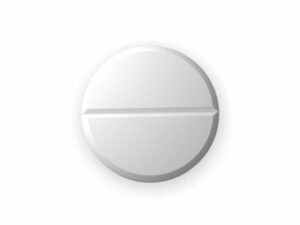
- How it’s taken: Usually once daily; tablets or scored tablets (strengths vary)
- Common benefits: Lowers blood pressure; helps reduce heart workload
- Key precautions: Kidney function and potassium levels may need monitoring; avoid in pregnancy
Basic product information
Candesartan is available in Australia in tablet form. Strengths may vary (for example, 4 mg, 8 mg, 16 mg, 32 mg), depending on brand and manufacturer. Your dose depends on your condition, age, kidney function, and other medicines you take.
Candesartan is supplied through approved channels in Australia. The specific brand and presentation can differ, but the active ingredient is the same.
What does candesartan do in the body?
Candesartan blocks the action of angiotensin II, a hormone that normally narrows blood vessels and increases blood pressure. By blocking its effect at the receptor level, candesartan helps blood vessels relax and makes it easier for the heart to pump efficiently.
Mechanism of action
Candesartan is an ARB. Angiotensin II is part of the body’s renin–angiotensin–aldosterone system (RAAS), which helps regulate:
- Blood vessel tone (how narrow or relaxed blood vessels are)
- Blood pressure
- Fluid and salt balance
- Hormones involved in heart and kidney function
By blocking the angiotensin II type 1 (AT1) receptor, candesartan:
- Reduces blood vessel constriction, lowering blood pressure
- Decreases aldosterone-driven sodium and fluid retention
- Helps reduce the workload on the heart
Pharmacokinetics (how the body processes it)
Pharmacokinetics describes absorption, distribution, metabolism, and elimination. While exact values can vary among individuals, the following points are generally relevant for patient understanding:
| Feature | What to expect |
|---|---|
| Absorption | Oral dosing results in absorption into the bloodstream. Tablets are designed for consistent daily use. |
| Peak effect | Many people experience blood pressure improvements within the first days; full effect may take longer. |
| Duration of action | Candesartan is commonly taken once daily because its effect lasts sufficiently over 24 hours for most patients. |
| Metabolism | It has limited metabolism compared with some other drug types; pathways involve mainly hepatic and intestinal processes. |
| Elimination | Elimination occurs via renal (kidney) and biliary pathways. Kidney function can influence exposure. |
Typical uses and indications in Australia
Candesartan is used for several cardiovascular conditions. The exact “indication” (approved use) can depend on product information and current clinical practice. Common uses include:
- Hypertension (high blood pressure): Helps lower blood pressure and reduce cardiovascular risk.
- Heart failure: Used to improve symptoms and reduce risk of hospitalisation and other complications.
- After certain cardiovascular events: In some clinical settings, an ARB may be used as part of a broader plan. (Your prescriber’s choice will depend on your individual history and local guidance.)
How and when to take candesartan
Many people take candesartan once a day, with or without food. Try to take it at the same time each day so it becomes a routine. If you miss a dose, follow the guidance provided with your product or your healthcare professional’s instructions.
Timing tips
- Consistency matters: Choose a time that you can maintain daily.
- Early days: If you’re new to candesartan, consider monitoring blood pressure as advised.
- Adjustments: Dose changes are often gradual. Make changes only as directed.
What dose is typical?
Dosing depends on the condition and patient factors such as kidney function and blood pressure. Below are common dosing approaches used in practice; however, your individual regimen may differ.
| Condition (typical) | Typical starting approach | How dosing may change |
|---|---|---|
| High blood pressure | Often started at a low-to-moderate strength once daily. | May be increased based on blood pressure response. |
| Heart failure | Often started low to minimise risk of low blood pressure. | Gradually increased if tolerated and monitored appropriately. |
| Kidney impairment or other risk factors | May start at a lower dose. | Titration and monitoring are adjusted to your results. |
Because candesartan affects kidney and potassium balance in some people, your clinician may request blood tests after starting or changing the dose.
Food interactions
Candesartan is generally taken with or without food. Food usually does not significantly change its effectiveness for most patients. If you have stomach sensitivity or feel light-headed after dosing, taking it at a consistent time with meals may help you feel steadier—ask your pharmacist for personalised advice.
Alcohol and medicine interactions
Alcohol can lower blood pressure and may increase the risk of light-headedness, dizziness, or fainting—especially when you’re starting candesartan or after a dose increase. To reduce risk:
- Start cautiously if you drink alcohol.
- Avoid binge drinking.
- Be extra careful when standing up quickly (postural changes).
Alcohol does not typically directly “counteract” candesartan, but the combined effect on blood pressure and dehydration risk can be significant for some people.
Medicine interactions (important)
Interactions can change how candesartan works or increase side-effect risk. Always tell your pharmacist or doctor about all medicines and supplements you take, including over-the-counter products.
Common interaction themes
- Potassium-raising medicines: Candesartan can increase potassium levels. Combining it with other drugs that raise potassium can increase the risk of high potassium (hyperkalaemia).
- Kidney strain: Certain combinations can reduce kidney function, especially in dehydrated patients.
- Blood pressure effects: Some medicines can further lower blood pressure when combined with candesartan.
Examples to discuss with your healthcare professional
- Potassium supplements or salt substitutes containing potassium
- Diuretics (especially potassium-sparing types, depending on your regimen)
- Non-steroidal anti-inflammatory drugs (NSAIDs) such as ibuprofen, naproxen, or diclofenac (regular or high-dose use may increase kidney risk)
- Other medicines affecting the RAAS (for example, other ARBs or ACE inhibitors) — combination therapy is sometimes used in selected cases, but it requires careful monitoring
- Lithium — can have increased lithium levels with some RAAS medicines
- Immunosuppressants or medicines that may affect potassium and kidney function
This is not a complete list. If you have questions about a specific medicine (including herbal supplements), ask your pharmacist.
Safety profile: what to watch for
Like all medicines, candesartan can cause side effects. Many people tolerate it well, but it’s important to know what may occur and when to seek help.
Common side effects
- Dizziness or light-headedness (particularly when starting or after dose increases)
- Low blood pressure symptoms, such as feeling faint
- Fatigue
- Changes in kidney function on blood tests (often monitored)
- High potassium levels (may be symptom-free but detectable with blood tests)
Seek urgent medical attention if you experience
- Swelling of the face, lips, tongue, or throat, or trouble breathing (possible allergic reaction)
- Severe dizziness, fainting, or symptoms of shock
- Signs of dangerously high potassium such as significant weakness or irregular heartbeat
Monitoring: kidney function and potassium
Because candesartan can affect kidney blood flow and potassium balance, clinicians may request blood tests to check:
- Creatinine/eGFR (kidney function)
- Potassium
This monitoring is particularly important if you have existing kidney disease, diabetes, are older, are dehydrated, or are taking medicines that also affect potassium and kidney function.
Practical use tips for day-to-day life
- Stand up slowly: If you feel light-headed, rise gradually from sitting or lying positions.
- Hydration matters: Dehydration (vomiting, diarrhoea, heavy sweating, poor fluid intake) can increase risk of low blood pressure and kidney-related complications.
- Keep your appointment for blood tests: They help ensure your dose stays safe and effective.
- Use a pill organiser: Helps reduce missed doses and supports adherence.
- Track your blood pressure: If your clinician has advised home monitoring, record readings to help guide dose adjustments.
- Don’t stop suddenly: If you need to change treatment, discuss it with your healthcare professional first.
Missed dose guidance
If you miss a dose, take it as soon as you remember unless it’s close to your next scheduled dose. In that case, skip the missed dose. Do not take a double dose to make up for the missed one.
If you are unsure, ask a pharmacist for advice tailored to your dosing schedule and time of day.
Special populations and key precautions
Pregnancy and breastfeeding
Pregnancy: Candesartan is generally considered unsafe during pregnancy and must not be used. If you become pregnant or are trying to conceive, contact your healthcare professional promptly to discuss an alternative plan.
Breastfeeding: Use during breastfeeding may require caution and clinical assessment. Discuss with your healthcare professional.
Kidney impairment
People with reduced kidney function may be more sensitive to changes in kidney blood flow and potassium levels. Your clinician may adjust the dose and schedule blood tests accordingly.
Dehydration, vomiting, or diarrhoea
If you become dehydrated (for example, due to gastroenteritis), candesartan’s blood pressure-lowering effect can be more pronounced. Seek medical advice if you’re unwell, especially if symptoms are severe or you’re unable to keep fluids down.
Older adults
Older adults may be more prone to dizziness or low blood pressure. Clinicians may start with a lower dose and increase carefully.
Alternative options (if candesartan isn’t suitable)
Your treatment plan is individual. If candesartan isn’t appropriate due to side effects, medical history, or lab results, your clinician may consider:
Other ARBs
- Examples include losartan, valsartan, and telmisartan.
ACE inhibitors
Another common class for blood pressure and heart-related conditions is ACE inhibitors (e.g., perindopril, lisinopril). Choice depends on tolerance and your clinical situation.
Other blood pressure-lowering medicines
- Calcium channel blockers (e.g., amlodipine)
- Thiazide-like diuretics (e.g., indapamide)
- Beta-blockers (selected heart conditions)
Any switch should be guided by your healthcare professional, especially when changing RAAS medicines.
Australia: market and legal context (overview)
In Australia, medicines are regulated under the Therapeutic Goods Administration (TGA) framework. Medicines must meet quality, safety, and efficacy requirements to be made available to the public.
Candesartan is part of a group of prescription medicines in Australia. Pharmacy supply is typically provided through legitimate pharmacy channels. Availability may depend on stock levels, brand choice, and strength.
For additional safety information, always refer to the product’s official consumer medicine information (CMI) and label instructions.
Recent guidance and clinical updates (what to know)
Clinical guidance for cardiovascular medicines evolves as new evidence becomes available. In general practice, clinicians pay close attention to:
- Cardiovascular risk reduction in patients with hypertension and heart failure
- Kidney function and potassium monitoring when using RAAS medicines like candesartan
- Appropriate use of combination therapy (e.g., avoiding unnecessary dual RAAS blockade unless specifically warranted)
- Managing “sick day” scenarios (dehydration, vomiting, diarrhoea) to reduce risk of kidney complications
Your pharmacist can also help interpret current product information and support safe use with your existing medicines.
Delivery and availability (online pharmacy)
Availability of candesartan tablets can vary by brand and strength. When ordering online, supply can be affected by:
- Stock levels in Australia-based distribution networks
- Brand and strength preference
- Generic substitution rules (where applicable) and product formulation
After placing an order, delivery times depend on your location and the shipping service selected. Many pharmacies provide tracking updates so you can follow your parcel’s progress.
Storage and handling
- Store tablets according to the label (typically at room temperature).
- Keep away from moisture and direct sunlight.
- Keep out of reach of children.
- Do not use tablets after the expiry date on the pack.
FAQ about candesartan
1) How long does it take for candesartan to work?
Many people notice blood pressure lowering within the first days, but the full effect may take longer. Dose adjustments may occur over several weeks. Keep taking it daily unless your healthcare professional tells you to stop.
2) Should I take candesartan in the morning or at night?
Candesartan is often taken once daily at a convenient time. Some people prefer mornings; others prefer evenings, depending on how they respond. If you feel dizzy after taking it, discuss timing with your pharmacist or clinician.
3) Can I take candesartan with food?
Yes. Candesartan is generally taken with or without food. Maintaining a consistent routine is usually the most helpful approach.
4) What blood tests are needed?
Your clinician may check kidney function (eGFR/creatinine) and potassium levels, especially after starting treatment, increasing the dose, or if you have kidney issues or take other interacting medicines.
5) Why am I feeling light-headed?
Light-headedness can occur when blood pressure lowers—particularly after starting candesartan or increasing the dose. Dehydration, other medicines, and standing up quickly can worsen this. If symptoms are significant or you faint, seek medical advice promptly.
6) Are there foods I must avoid?
There are usually no specific food restrictions. However, avoid frequent use of salt substitutes that contain potassium unless your healthcare professional advises it. Maintain a balanced diet and stay hydrated.
7) Can I drink alcohol while taking candesartan?
You may be able to drink alcohol, but it can increase the chance of dizziness or low blood pressure. If you choose to drink, do so moderately and pay attention to how you feel.
8) What should I do if I’m sick with vomiting or diarrhoea?
If you become dehydrated, the risk of low blood pressure and kidney complications may increase. Contact your healthcare professional for advice, especially if you are unable to drink fluids. Do not stop candesartan without guidance.
9) Can I combine candesartan with NSAID painkillers?
Occasional use may be acceptable for many people, but regular or high-dose NSAID use can increase kidney risk when combined with RAAS medicines. Ask your pharmacist for personalised advice, particularly if you have kidney disease or are taking diuretics.
10) What are the signs of too much potassium?
High potassium often has no early symptoms, but symptoms can include weakness, tingling, or an irregular heartbeat. Blood tests are the best way to detect it. Seek urgent care if you experience severe weakness or palpitations.
Important note
This information is general and may not cover every personal situation. Always read your product’s consumer medicine information (CMI) and follow label instructions. If you have questions about candesartan, interactions, or how it fits with your health conditions and medicines, speak with a pharmacist or other qualified healthcare professional.
Disclaimer: Information on this page is for education and support. It does not replace medical advice.