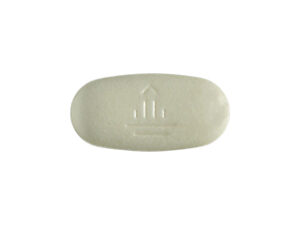


Calan SR (Verapamil) – Patient Information (Australia)
Calan SR is a brand of verapamil formulated as a sustained-release (SR) medicine. It is used to help control certain heart rhythm problems and to treat high blood pressure and some types of chest pain.
This guide is written to be easy to understand. It explains how Calan SR works, typical uses, how to take it safely, and what to consider with other medicines, alcohol, food, and day-to-day life in Australia.
Quick facts
- Active ingredient: Verapamil (sustained-release, SR)
- Medicine type: Calcium channel blocker (non-dihydropyridine)
- Common uses: High blood pressure, angina (chest pain), and certain abnormal heart rhythms (e.g. SVT)
- How it’s taken: Usually once daily with extended-release dosing depending on your strength and condition
- Key safety points: Can slow heart rate, affect heart conduction, and interact with several medicines
- Important: Do not crush or chew SR tablets/capsules
Basic product information
| Category | Details |
|---|---|
| Brand | Calan SR |
| Generic name | Verapamil |
| Formulation | Sustained-release (SR) |
| Drug class | Non-dihydropyridine calcium channel blocker |
| What it may help | Blood pressure control, angina symptoms, specific heart rhythm disorders |
How Calan SR works (mechanism of action)
Verapamil belongs to the calcium channel blocker group. It works by reducing the movement of calcium into certain heart and blood vessel cells. In practical terms, this leads to:
- Slower heart rate and reduced “conduction speed” through the heart’s electrical system (AV node)
- Less force of heart contraction (in some people)
- Relaxation of blood vessels, which can help lower blood pressure
For rhythm problems that involve the AV node, the slowing of electrical conduction can help reduce episodes of rapid heart rate (for example, some supraventricular tachycardias).
Pharmacokinetics (how the body handles the medicine)
“Pharmacokinetics” describes how a medicine is absorbed, distributed, metabolised, and eliminated. With SR formulations, the goal is a steadier effect over the day.
- Absorption: Verapamil is absorbed after oral dosing. With SR, drug release is gradual to support longer action.
- Onset: Relief for rhythm/angina may develop after dosing, while blood pressure effects build with consistent use.
- Distribution: Verapamil distributes into tissues and is highly active in the body.
- Metabolism: Mainly metabolised by the liver (CYP enzymes), which is why drug interactions are important.
- Elimination: Metabolites are eliminated primarily via the kidneys and/or bile.
People with liver impairment may be more affected by verapamil and may require dose adjustments. If you have liver disease, discuss this with your healthcare professional.
Typical uses and indications
Calan SR is commonly used for conditions where slowing heart rate and relaxing blood vessels can help. Indications may vary depending on local prescribing practices and your individual health profile.
Common indications
- High blood pressure (hypertension)
- Angina pectoris (to help control chest pain)
- Supraventricular tachycardia (SVT) and other selected re-entrant/AV node–dependent rhythm problems
Your clinician may use verapamil when its effects on both heart rate and vascular tone match your condition.
When to take Calan SR (timing & routine)
Because Calan SR is sustained-release, routine timing matters for stable blood levels. Many people take it once daily, but your exact schedule should follow your clinician’s instructions for your strength and condition.
Practical timing tips
- Take at the same time each day to help maintain consistent blood levels.
- Swallow whole with water (do not crush or chew SR).
- If you miss a dose, take it when you remember unless it’s close to your next dose. If close, skip the missed dose—do not double.
If you’re unsure about missed doses or timing with other medicines, speak with a pharmacist.
Food interactions
Many medicines are affected by food or drink, and verapamil is no exception. Food can affect absorption rate and timing, and some foods/drinks can interact with drug metabolism.
Grapefruit and related products
- Avoid grapefruit (including grapefruit juice) unless your healthcare professional says it is safe.
- Grapefruit can interfere with liver enzymes, potentially increasing verapamil levels and side effects.
General advice with meals
- Calan SR can often be taken with or without food, but follow the guidance on your medicine pack and from your healthcare professional.
- If stomach upset occurs, taking it with food may help—ask a pharmacist for personalised advice.
Alcohol and medicine interactions
Alcohol
- Limit or avoid alcohol if you notice dizziness, light-headedness, or faintness after taking verapamil.
- Alcohol can enhance low blood pressure effects and increase the risk of falls.
Medication interactions (important)
Verapamil is metabolised by liver enzymes and can also affect drug transport systems. Several medicines can increase or decrease verapamil levels, or add to its effects on heart rate and blood pressure.
Always provide your pharmacist with a complete list of medicines, including over-the-counter products and herbal remedies. Particular caution is needed with:
- Other medicines that slow the heart (e.g. certain beta-blockers, digoxin)
- Some antiarrhythmics (rhythm medicines), where combined effects may be risky
- Medicines that affect verapamil metabolism (e.g. some antibiotics/antifungals, antivirals, and other enzyme inhibitors or inducers)
- Blood pressure medicines (may add to hypotension)
- Statins (some combinations may increase statin levels; your clinician may choose a safer option or adjust dose)
- Ivabradine (used for heart rate in certain conditions)—requires careful guidance
- Carbamazepine, rifampicin, or other strong enzyme inducers (may reduce verapamil effect)
In general, verapamil interactions can be serious, particularly for heart rhythm and heart block risk. If you have a pacemaker or known conduction disease, tell your healthcare professional.
Emergency note: Seek urgent medical attention if you experience severe dizziness, fainting, chest pain, or worsening shortness of breath.
Dosing guidance (how much to take)
Dosing depends on the condition being treated, your response, age, kidney/liver function, and other medicines you take. The SR formulation is designed for extended effect, so doses are not typically adjusted as frequently as immediate-release products.
General dosing principles
- Start low and adjust gradually where appropriate.
- Do not change your dose without medical guidance.
- Do not crush or chew SR tablets/capsules to avoid “dose dumping.”
Typical approach (example scenarios)
Your prescriber may select a dose such as 180 mg, 240 mg, or 240 mg/ day depending on your condition (examples only). Your product strength and regimen should be confirmed on your medicine pack and by your healthcare professional.
If you have concerns about the dose, or experience side effects (such as slow heart rate or swelling), consult your pharmacist or clinician promptly.
Safety profile (side effects and when to get help)
Like all medicines, Calan SR can cause side effects. Many people tolerate verapamil well, but it can affect heart rate, blood pressure, and fluid balance.
Common side effects
- Constipation (a well-known effect of verapamil)
- Dizziness or light-headedness
- Headache
- Swelling in the ankles/feet (peripheral oedema)
- Fatigue
- Nausea
Serious side effects (seek urgent medical help)
- Fainting, severe dizziness, or near-fainting
- Very slow heart rate or symptoms of heart block (e.g. unusual tiredness, collapse)
- Severe shortness of breath, sudden weight gain, or worsening swelling (possible fluid overload)
- Allergic reactions such as swelling of lips/face, breathing difficulty, or rash with hives
- Chest pain that is new, worsening, or occurs with other concerning symptoms
Special populations
- Older adults: may be more sensitive to blood pressure changes and dizziness.
- Liver impairment: may increase verapamil levels and side effects.
- Heart conduction problems: careful monitoring is essential.
Practical use tips (making treatment smoother)
- Constipation prevention: Aim for adequate fluid intake and dietary fibre. If constipation occurs, ask your pharmacist about safe options (for example, bulk-forming agents or stool softeners).
- Monitor symptoms: Keep track of chest pain frequency, heart rate (if advised), and dizziness. Record any episodes of fainting or near-fainting.
- Rise slowly: If you feel light-headed, stand up slowly from sitting or lying down.
- Stay consistent: Take your dose at the same time each day.
- Do not stop abruptly: Stopping suddenly may worsen symptoms for some people. Discuss changes with your clinician.
If you’re using a home blood pressure monitor, follow the device instructions and share readings with your healthcare team when asked.
Alternative options
Treatment choices depend on your condition and personal medical history. If Calan SR isn’t suitable due to side effects or interactions, your clinician may consider alternative medicines or strategies.
Examples of alternatives
- For high blood pressure: other classes such as ACE inhibitors, ARBs, thiazide-type diuretics, and beta-blockers (choice depends on the person).
- For angina: beta-blockers, long-acting nitrates, or other calcium channel blockers such as dihydropyridines (based on suitability).
- For certain rhythm problems: different rate/rhythm controlling approaches may be used depending on the rhythm type and heart function.
A pharmacist can also help you understand which alternative options might suit your situation and what to watch for.
Market and legal context in Australia
In Australia, medicines such as verapamil are regulated under the Therapeutic Goods Administration (TGA) framework. Supply and dispensing arrangements can vary depending on product schedule status and local regulations.
Online pharmacies typically provide medicines in line with Australian requirements for legitimate supply, identity checks (where required), and appropriate patient information. Always ensure you order from a reputable provider.
For accurate, up-to-date information about availability, brand forms, and product packs, refer to the TGA database and the medicine leaflet supplied with your product.
Recent guidance & important updates (Australia-focused)
Guidance can evolve with new safety information, monitoring recommendations, and prescribing practices. While your own care plan is individual, the following are ongoing themes relevant to verapamil users in Australia:
- Interaction awareness: Increased emphasis on checking medicine lists for interactions that affect heart rhythm and blood pressure.
- SR safety: Continued advice not to crush or alter sustained-release formulations.
- Monitoring: Clinicians may monitor heart rate, blood pressure, and symptoms, especially during dose changes.
If you are unsure whether your current medicines interact with verapamil, ask your pharmacist for a medication interaction check.
Delivery and availability (online pharmacy)
Availability of Calan SR may depend on your location, the strength required, and stock levels. Most online pharmacies in Australia offer delivery options such as standard and express shipping.
What to expect
- Stock and substitution: Some providers can supply the exact brand/strength, while others may supply an equivalent option if allowed by law and clinician instructions.
- Delivery timeframes: Vary by courier service and delivery address; check the estimated delivery window at checkout.
- Packaging: Medicines should arrive in original packaging with clear product information.
If you need urgent treatment, contact the pharmacy to confirm availability and the earliest delivery options.
Calan SR FAQ
1) What is Calan SR used for?
Calan SR (verapamil sustained-release) is used for conditions such as high blood pressure, angina (chest pain), and certain abnormal heart rhythms, depending on your diagnosis and overall health.
2) How do I take Calan SR?
Swallow the SR tablet/capsule whole with water. Do not crush or chew. Take it at the same time each day unless your healthcare professional advises otherwise. Follow the dosing instructions on your product label.
3) Can I crush Calan SR if I have trouble swallowing?
No. Because it is a sustained-release formulation, crushing or chewing can change how the medicine is released and may increase side effects. If swallowing is difficult, discuss options with your pharmacist.
4) What should I do if I miss a dose?
Take it when you remember unless it’s close to your next dose. If it is close, skip the missed dose. Do not double up. If you’re uncertain, ask a pharmacist.
5) Are there foods I should avoid?
Avoid grapefruit and grapefruit juice unless your healthcare professional says it’s safe. If you notice changes in symptoms with certain foods, report this to your pharmacist.
6) Is alcohol safe with verapamil?
Alcohol may increase dizziness or low blood pressure effects in some people. It’s best to limit alcohol and avoid it if you feel light-headed. If you drink alcohol regularly, discuss it with your pharmacist or clinician.
7) What medicines interact with Calan SR?
Many medicines can interact with verapamil, including other heart medicines, some antibiotics/antifungals, and drugs that affect liver metabolism. Always provide your complete medicine list (including supplements and herbal products) to your pharmacist for an interaction check.
8) What side effects are most common?
Common side effects include constipation, dizziness, headache, fatigue, and swelling of the ankles/feet. If side effects are troublesome, speak with your pharmacist—there may be practical strategies or dosing adjustments.
9) When should I seek urgent help?
Seek urgent medical attention if you faint, have severe dizziness, experience chest pain that is worsening/new, or have severe shortness of breath or signs of serious allergic reaction.
10) How long does it take to work?
Blood pressure benefits may take days to weeks with consistent use. Angina and heart rhythm symptom control may improve after starting, but the exact timing varies by person, dose, and condition.
Need help choosing the right product?
If you have questions about Calan SR strengths, dosing schedules, or possible interactions with your current medicines, contact your pharmacist. They can also help you review your symptoms and provide practical advice tailored to you.