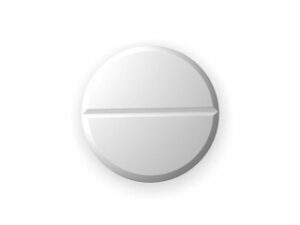

Cozaar (Losartan) — Patient Information (Australia)
Cozaar contains losartan, a medicine used to treat certain cardiovascular conditions. This guide is written to be patient-friendly and focuses on how losartan works, typical uses, how to take it, interactions to watch for, and practical safety information for people in Australia.
Please note: information below is general. Your prescriber or pharmacist may tailor advice to your situation, and you should follow the dosing instructions on your medicine label.
1) Basic product information
| Item | Details |
|---|---|
| Medicine name | Cozaar (losartan) |
| Active ingredient | Losartan potassium |
| Medicine group | Angiotensin II receptor blocker (ARB) |
| Common strengths | Typically available in 25 mg, 50 mg and 100 mg tablets (depending on product pack) |
| How it is taken | Oral tablets once or twice daily (depending on the reason for use) |
| Typical onset | Blood pressure may start improving within hours; full effect often takes weeks |
2) How Cozaar works (mechanism of action)
Losartan belongs to the class of medicines called angiotensin II receptor blockers (ARBs). In the body, angiotensin II is a substance that helps control blood pressure by narrowing blood vessels and stimulating salt and fluid retention.
Losartan blocks angiotensin II from binding to its receptor (AT1 receptors). This helps:
- Relax blood vessels so blood flows more easily
- Reduce the workload on the heart
- Lower blood pressure over time
- In some people, help protect the kidneys—particularly in specific types of diabetes with protein in the urine
Because ARBs directly block angiotensin II effects, they are often prescribed when ACE inhibitors aren’t suitable or aren’t tolerated.
3) Pharmacokinetics (how the body handles losartan)
Pharmacokinetics describes absorption, distribution, metabolism, and elimination. While individual responses vary, the key features of losartan are:
- Absorption: Losartan is absorbed after oral dosing. Food can change absorption slightly, but overall effect is usually not clinically significant for most people.
- Metabolism: Losartan is metabolised in the liver to an active metabolite (often called EXP-3174).
- Distribution: The drug and its metabolite distribute through the bloodstream and tissues where blood pressure and cardiovascular effects are relevant.
- Elimination: The drug and its metabolites are eliminated mainly through bile and urine.
- Duration: Losartan’s effect (and that of its active metabolite) supports once-daily dosing for many indications.
If you have liver impairment or kidney disease, your clinician may adjust dosing and monitoring. Kidney function and blood potassium are important safety parameters.
4) Typical uses (indications)
Cozaar/losartan is used in Australia for conditions where reducing angiotensin II effects improves outcomes. Common indications include:
- Hypertension (high blood pressure): Helps lower blood pressure and reduce cardiovascular risk.
- Kidney protection in type 2 diabetes with proteinuria: Particularly where urine albumin/protein is elevated (as judged by your clinician).
- Heart failure (in certain situations): Losartan may be used when ACE inhibitors aren’t suitable or in specific management strategies.
- Reducing risk of cardiovascular events: In people at higher risk due to cardiovascular disease, depending on overall therapy plan.
- Left ventricular hypertrophy (selected cases): Sometimes used as part of blood pressure and risk reduction strategies.
The exact indication and dose depend on your diagnosis, age, blood pressure readings, kidney function, potassium level, and other medicines.
5) Timing and how to take Cozaar
When to take it
Many people take losartan once daily. Some situations may require twice daily dosing (as directed by your healthcare professional).
- Choose a consistent time each day to help you remember.
- Morning or evening is usually fine—pick the time that best suits your routine.
- If you are on twice-daily dosing, space doses evenly (for example, morning and evening).
With or without food
Losartan can generally be taken with or without food. Food may affect the rate of absorption, but this typically does not require special timing adjustments for most patients.
How to swallow
- Swallow tablets whole with a glass of water.
- If you have trouble swallowing, discuss options with a pharmacist (do not crush unless advised).
What to do if you miss a dose
If you miss a dose, take it as soon as you remember on the same day. If it is close to the time for your next dose, skip the missed dose and continue your normal schedule. Do not take a double dose to “catch up.”
6) Food interactions
Food is not usually a major issue with losartan. In general, you can take Cozaar with meals.
However, to support overall blood pressure and kidney health, it’s helpful to maintain dietary approaches recommended by your clinician, such as:
- Limiting excess salt (sodium)
- Following advice for diabetes-friendly meal planning if relevant
- Discussing whether you need to adjust potassium intake
If you use potassium-containing salt substitutes or high-potassium supplements, these can be more important than food timing.
7) Alcohol and medicine interactions
Alcohol
Alcohol can lower blood pressure and may increase dizziness, especially when you first start losartan or when your dose changes.
- Consider limiting alcohol until you know how losartan affects you.
- If you feel light-headed, avoid alcohol that day and speak with your healthcare professional.
Other medicines and interaction concerns (common scenarios)
The most clinically important interactions usually involve medicines that affect kidney function and potassium levels.
- Potassium supplements and potassium salt substitutes: may raise potassium too much (hyperkalaemia risk).
- Potassium-sparing diuretics (for example, spironolactone, eplerenone, amiloride, triamterene): can also raise potassium.
- Diuretics (“water tablets”) like hydrochlorothiazide or loop diuretics: can increase dehydration risk and sometimes contribute to blood pressure drops, especially at start.
- Non-steroidal anti-inflammatory drugs (NSAIDs) such as ibuprofen, naproxen, diclofenac (including high-dose or frequent use): can affect kidney function and reduce blood pressure-lowering effectiveness in some people. This combination may increase risk if you’re dehydrated.
- Medicines affecting renin-angiotensin system (RAAS): combining ARBs with ACE inhibitors or direct renin inhibitors is usually not recommended unless specifically advised, because it can increase risk of kidney problems and high potassium.
- Lithium: levels can increase, sometimes leading to toxicity. Close monitoring is required if combined.
- Other blood pressure medicines: may add to blood pressure-lowering effect, sometimes increasing dizziness.
Always tell your pharmacist or prescriber about: all medicines you take (including over-the-counter pain relief like NSAIDs, vitamins, herbal products, and supplements).
8) Dosing information (typical regimens)
Dosing is individual. Your dose depends on your condition, blood pressure readings, kidney function, potassium level, age, and whether you take other medicines.
Below are general patterns often used in clinical practice. Your label may differ.
Hypertension (high blood pressure)
- Typical starting dose: commonly 50 mg once daily for many adults.
- Adjustments: dose may be increased based on response (for example, to 100 mg once daily).
- Some people—such as those with certain volume depletion or liver impairment—may start lower.
Kidney protection in type 2 diabetes with proteinuria
- Often starts at a dose such as 50 mg once daily, with adjustments based on response.
- Dose increases may be considered, based on blood pressure targets and safety monitoring.
Heart failure / cardiovascular risk strategies
- Doses can be started lower and increased gradually depending on tolerability and monitoring.
- Some regimens may involve twice-daily dosing in selected patients.
Kidney and liver impairment
- In kidney impairment, doctors often monitor kidney function and potassium closely.
- In significant liver impairment, doses may be reduced and monitoring increased.
Maximum dose
There is an upper dose limit used in prescribing practice. Your clinician will consider your overall safety profile. Do not exceed your prescribed dose.
9) Safety profile and important warnings
Most people tolerate losartan well. Like all medicines, it can cause side effects. Some effects may be due to blood pressure changes, while others relate to kidney function and potassium balance.
Common side effects
- Dizziness or light-headedness (especially when starting or after dose increases)
- Low blood pressure symptoms
- Tiredness or headache
- Muscle cramps (less common)
Less common but important side effects
- High potassium (hyperkalaemia): may not cause symptoms, but can be detected by blood tests.
- Kidney function changes: may occur, particularly if dehydrated or when combined with interacting medicines.
- Allergic reactions: rare, but seek urgent help if swelling of face/lips/tongue or difficulty breathing occurs.
When to seek urgent medical help
- Severe dizziness/fainting
- Signs of an allergic reaction (swelling, rash with breathing difficulty)
- Severe weakness or irregular heartbeat (possible high potassium—requires urgent assessment)
- Very reduced urine output or signs of severe dehydration
Monitoring (what your clinician may check)
Many patients have periodic blood tests to check:
- Kidney function (creatinine/eGFR)
- Potassium
- Sometimes blood pressure and overall symptoms
10) Practical use tips
Take it consistently
Losartan helps control blood pressure over the long term. Even if you feel well, continue as directed. Blood pressure control reduces the risk of heart attack, stroke, and kidney complications.
Be cautious with dehydration
If you develop vomiting, diarrhoea, fever, or poor fluid intake, you may become dehydrated. This can increase risk of kidney strain when taking RAAS medicines like losartan.
- Drink fluids as advised by your healthcare professional.
- Contact your clinician if you’re significantly unwell or unable to keep fluids down.
Know your target blood pressure
Ask your healthcare provider for your target range and how often to check your blood pressure at home. Keep a log to show your clinician.
Stand up slowly
Dizziness can occur when your blood pressure adjusts. Get up slowly from sitting or lying positions, especially at the start of therapy.
Keep a list of medicines
Because interactions often involve kidney and potassium balance, maintain an up-to-date list and share it with any new clinician.
11) Alternative options (if losartan isn’t suitable)
There are several medicine options for hypertension, kidney protection in certain cases, and heart failure risk management. Your prescriber may choose an alternative depending on your condition and tolerability.
Other ARBs
- Valsartan
- Candesartan
- Irbesartan
- Telmisartan
ACE inhibitors (often used, but not for everyone)
- Enalapril
- Perindopril
- Lisinopril
- Ramipril
Calcium channel blockers
- Amlodipine
- Other options depending on your situation
Thiazide-type diuretics
- Hydrochlorothiazide
- Indapamide
Non-medicine approaches (dietary sodium reduction, physical activity, weight management, smoking cessation, limiting alcohol) are also important—ask your clinician what’s appropriate for you.
12) Cozaar and the Australian market/legal context
In Australia, medicines are supplied under the national medicines and pharmacy system, and access is managed through pharmacy channels. Products containing losartan are widely available in tablet form, with supply and brand availability varying by supplier.
Please note:
- Medicines must be obtained through appropriate channels in line with Australian regulations.
- Packaging and labelling provide essential instructions, including dose strength and storage information.
- Pharmacists can advise on suitability, interactions, and how to take your medicine safely.
Recent guidance (general themes)
While specific updates can vary over time, clinicians commonly emphasize:
- Checking blood pressure and symptom response after starting or changing dose
- Monitoring kidney function and potassium, especially in people with kidney impairment or those taking interacting medicines
- Extra caution with NSAIDs during illness or dehydration
- Reviewing medicines that increase potassium
- Using ARBs appropriately in people who need RAAS blockade for cardiovascular or kidney risk management
For the latest health advice, consider consulting Australian health authorities or your local pharmacist.
13) Delivery and availability (Australia)
Cozaar (losartan) is commonly stocked through Australian pharmacy supply channels. Availability can depend on the strength (e.g., 25 mg, 50 mg, 100 mg) and current packaging supply.
When ordering online:
- Check the strength and formulation you need.
- Confirm the quantity per pack and delivery timeframe at checkout.
- Ensure your delivery address is secure and accessible.
If your preferred strength is temporarily unavailable, a pharmacist may advise on alternatives such as different strengths, equivalent options, or compatible brands.
14) FAQ
Is Cozaar the same as losartan?
Yes. Cozaar is a brand name. The active ingredient is losartan. Different brands or generics may contain the same active ingredient.
How long does it take to work?
Blood pressure may start to improve within hours to days. However, the full blood pressure effect typically takes several weeks. Don’t stop early if you don’t feel an immediate change.
What should I do if I feel dizzy?
Sit or lie down immediately if you feel faint. Dizziness can happen when starting or increasing dose. If dizziness is persistent, severe, or you faint, seek medical advice promptly. Your clinician may adjust your dose or timing, or review your other medicines.
Can I drink alcohol while taking losartan?
Small amounts may be tolerated by many people, but alcohol can worsen dizziness and lower blood pressure. If you notice symptoms, limit or avoid alcohol and discuss with your healthcare professional.
Are there foods I must avoid?
There are usually no strict food exclusions for losartan. However, consider discussing your salt intake and whether you should adjust potassium intake, especially if you have kidney disease or high potassium.
Can I take ibuprofen or naproxen?
NSAIDs (like ibuprofen/naproxen) may interact with losartan by affecting kidney function and fluid balance. Use them only if appropriate for you, and ask your pharmacist for advice—especially if you take a diuretic or have kidney impairment.
Will losartan affect potassium levels?
Losartan can increase potassium in some people. This is why blood tests may be recommended, particularly if you take potassium supplements, salt substitutes, or potassium-sparing diuretics.
Who should be extra careful when using Cozaar?
Extra caution and monitoring may be needed if you have:
- Kidney impairment
- Liver impairment
- Dehydration or frequent vomiting/diarrhoea
- High potassium or a history of potassium imbalance
- Medicines that affect kidney function or potassium
What if I miss a dose?
Take it when you remember on the same day. If it’s close to the next dose, skip the missed dose. Do not take a double dose.
Are there other medicine options if I can’t tolerate losartan?
Yes. Alternatives may include other ARBs, ACE inhibitors (for some people), calcium channel blockers, or diuretics. The best option depends on your diagnosis and side effect history.
Important: This information is intended to help you understand Cozaar (losartan). For personal medical advice, always consult a qualified healthcare professional and refer to the medicine information provided with your product.