

Inderal (Propranolol) – Patient Information (Australia)
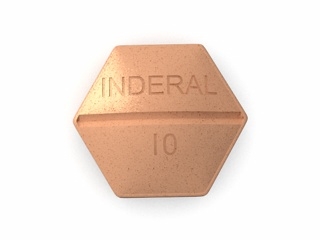
Inderal is a brand of propranolol, a medicine from the beta-blocker group. It is used to treat a range of conditions affecting the heart and circulation, as well as certain conditions where calming of the “fight-or-flight” response can help. This guide is designed to help you understand what Inderal does, how it works, and what to consider to use it safely and effectively.
Important: The exact way you should take propranolol depends on your condition, your dose, and how your body responds. Always follow the instructions given to you by your healthcare professional and read the product label carefully.
Quick product overview
| Feature | Details |
|---|---|
| Medicine name | Inderal (propranolol) |
| Medicinal class | Beta-blocker (non-selective) |
| Common forms | Tablets; availability may include different strengths depending on supply in Australia |
| Typical actions | Reduces heart rate and blood pressure; helps control symptoms such as tremor, palpitations, and anxiety-related physical signs |
| Common uses | Heart rhythm and rate control, angina, high blood pressure (in some cases), prevention of migraine, tremor; other specialist uses |
| How it’s taken | Usually by mouth, with timing tailored to the condition and formulation |
How Inderal works (mechanism of action)
Propranolol is a non-selective beta-adrenergic blocker. It works mainly by:
- Blocking beta receptors in the heart and blood vessels (and elsewhere in the body), which reduces the effect of adrenaline and related “stress” hormones.
- Slowing the heart rate and reducing the force of heart muscle contraction.
- Lowering blood pressure by decreasing cardiac output and by affecting blood vessel tone.
- Reducing symptoms linked to physical adrenaline effects—such as shaking (tremor), palpitations, and some forms of migraine-related symptoms.
Because propranolol is non-selective, it may affect both beta-1 (heart) and beta-2 (lungs and blood vessels). This is why certain people with breathing problems or specific circulation conditions need extra caution.
Pharmacokinetics (how the body handles propranolol)
Pharmacokinetics describes what the body does with a medicine—absorption, distribution, metabolism, and elimination.
- Absorption: Propranolol is absorbed after taking by mouth, but absorption can vary between individuals.
- First-pass metabolism: A significant portion is metabolised by the liver before reaching the bloodstream. This contributes to variability in effect.
- Metabolism: Propranolol is mainly broken down by the liver (commonly via CYP enzyme pathways).
- Elimination: Metabolites are excreted, largely through the kidneys.
- Half-life: Propranolol generally has a relatively short to intermediate half-life compared with some long-acting beta-blockers, which is why dose timing can matter.
Practical implication: If you miss a dose or change your usual schedule, you may notice changes in symptoms (such as palpitations or tremor) or blood pressure/heart rate effects. Follow your established routine where possible.
Typical uses and indications
Propranolol is used for a variety of indications. Your doctor may choose Inderal when beta-blockade is appropriate and likely to provide benefit.
Common clinical indications include
- Angina (stable) and other forms of chest pain related to reduced blood supply to the heart
- High blood pressure (hypertension) in selected situations
- Heart rhythm problems where controlling heart rate is important (for example, some tachyarrhythmias)
- Prevention of migraine (especially for reducing attack frequency)
- Essential tremor and other tremor-related conditions
- Performance anxiety physical symptoms (such as shaking and palpitations) – this is typically a targeted use under medical guidance
- Hyperthyroidism-related symptoms such as tremor and palpitations (as an adjunct to other treatments)
Availability and exact indications may vary by product formulation and clinical guidelines. Always confirm what Inderal is being used for in your specific case.
How to take Inderal: timing and dosing overview
Dosing depends strongly on the condition, your age, your heart rate and blood pressure, and other medicines you may take. The goal is to find a dose that is effective while keeping side effects minimal.
General principles
- Start low, go slow: Many people begin with a smaller dose and increase gradually if needed.
- Consistency matters: Try to take doses at similar times each day.
- Do not stop suddenly: Stopping beta-blockers abruptly can cause rebound effects (such as increased heart rate, blood pressure, or angina in some people).
Typical timing
Because beta-blocker effects relate to blood levels, dosing schedules are often divided across the day. Your prescription directions (from your healthcare professional) will determine whether you should take Inderal once, twice, or more frequently.
Tip: If you miss a dose, take it when you remember unless it is close to the next dose. Do not take a double dose to “catch up.” If you’re unsure, speak to your pharmacist.
Dosing table (general guidance)
The following table is for general understanding only. Your personal dose may be different.
| Condition (examples) | How it may be dosed | What to monitor |
|---|---|---|
| Migraine prevention | Often started low and increased gradually; dosing frequency depends on formulation | Number of migraine days, tolerability (fatigue, dizziness) |
| Essential tremor | Frequently divided doses to control tremor throughout the day | Tremor improvement, heart rate, side effects |
| Angina / heart rate control | May require careful titration based on heart rate and symptoms | Chest pain frequency, heart rate, blood pressure |
| Hypertension | May be taken once or more often depending on the regimen | Blood pressure readings and dizziness |
Food interactions (taking Inderal with meals)
Propranolol can usually be taken with or without food, but food may influence absorption and reduce stomach discomfort for some people.
- With food: May help some people feel less nauseated and may provide more consistent absorption.
- Without food: Some individuals may notice stronger side effects (such as dizziness) depending on how their body handles the medicine.
- Consistency is key: Take Inderal the same way each day (with or without food) unless your clinician advises otherwise.
If you have experienced nausea, light-headedness, or stomach upset, discuss with your pharmacist whether adjusting the timing with meals would be helpful.
Alcohol interactions
Alcohol can increase the risk of dizziness, light-headedness, and lower blood pressure when combined with propranolol, especially when you’re starting treatment or after dose changes.
- Be cautious: If you choose to drink, start with small amounts and see how you respond.
- Avoid binge drinking: Larger amounts raise the chance of fainting or falls.
- Get medical advice: If you have low blood pressure, heart failure, or a history of fainting, ask your healthcare professional about safe limits for alcohol.
Medicine interactions (important examples)
Propranolol may interact with other medicines, potentially changing blood pressure, heart rate, or side effect risk. Always tell your pharmacist about all medicines you use—prescription, over-the-counter, and complementary products.
Medicines that may interact
- Other blood pressure or heart-rate lowering medicines (for example, certain antihypertensives): can increase the risk of low blood pressure or slow heart rate.
- Other beta-blockers: combined effects may overly slow the heart.
- Some calcium channel blockers (particularly non-dihydropyridines like verapamil or diltiazem): may increase risk of slow heart rate or conduction problems when combined.
- Antiarrhythmics (medicines used to treat rhythm problems): may affect heart conduction and rate.
- Diabetes medicines (insulin and some tablets): propranolol can mask warning symptoms of low blood sugar such as rapid heartbeat and tremor; it may also influence how blood sugar behaves.
- Medications for depression (some agents) and other drugs metabolised by the liver: may alter propranolol levels.
- Asthma/COPD medicines and inhalers: propranolol can potentially reduce the effectiveness of beta-agonist bronchodilators used for breathing symptoms.
- Some migraine or pain medicines: interaction potential depends on the specific agent.
Herbal and supplement considerations
- St John’s wort may affect metabolism of some medicines.
- Other supplements may also influence blood pressure, heart rhythm, or liver enzymes.
Practical advice: If you start, stop, or change the dose of another medicine, check with your pharmacist to confirm there are no significant interactions with propranolol.
Safety profile: side effects and what to watch for
Like all medicines, Inderal (propranolol) can cause side effects. Many are dose-related and improve as your body adjusts, but some require prompt medical attention.
Common side effects
- Fatigue or tiredness
- Dizziness or light-headedness (especially when standing)
- Slow heart rate (bradycardia)
- Cold hands or feet
- Nausea or stomach discomfort
- Sleep disturbances or vivid dreams
Less common but important side effects
- Shortness of breath or wheezing (can be serious in people with asthma/COPD)
- Worsening of circulation symptoms (for example, in Raynaud’s phenomenon)
- Mood changes in some individuals
- Sexual dysfunction (reported by some patients)
Seek urgent medical help if you notice
- Fainting, severe dizziness, or symptoms of very low blood pressure
- Severe wheezing or difficulty breathing
- Chest pain that is new or rapidly worsening
- Signs of an allergic reaction such as swelling of the face/lips, rash, or trouble breathing
Who should be extra cautious
Beta-blockers may not be suitable for everyone. Extra caution is needed if you have:
- Asthma or significant breathing problems
- Very slow heart rate or certain heart conduction disorders
- Low blood pressure or frequent fainting
- Poor circulation conditions (e.g., severe peripheral vascular disease)
- Diabetes (hypoglycaemia awareness can be affected)
Practical use tips (getting the best from Inderal)
1) Track your response
- If you take Inderal for migraines, note attack frequency, duration, and any triggers.
- If you take it for tremor or palpitations, note timing of symptoms and whether they improve after dosing.
2) Monitor heart rate and blood pressure (if advised)
Some people benefit from checking their pulse and blood pressure, especially after starting or changing doses. Use home devices as recommended and keep records to discuss with your clinician.
3) Stand up slowly
If dizziness occurs, rising slowly from a seated or lying position can help reduce light-headedness.
4) Don’t stop suddenly
When propranolol is no longer needed, it should generally be tapered rather than stopped abruptly to reduce the risk of rebound symptoms. Plan any change with your healthcare professional.
5) Be consistent with lifestyle and triggers
- For migraine prevention: maintain regular sleep and meal patterns.
- For tremor and performance symptoms: manage caffeine and stress if they worsen symptoms.
- For angina/heart rate control: follow advice on activity and rest.
Alternative options (if Inderal isn’t right for you)
If you cannot tolerate propranolol or it doesn’t suit your condition, your healthcare professional may consider other treatments. Options depend on the indication:
For heart rate, angina, and blood pressure
- Other beta-blockers (some are more beta-1 selective)
- Non-beta treatments such as ACE inhibitors, ARBs, or other classes—depending on your diagnosis
For migraine prevention
- Other preventive medicines (varies by patient profile)
- Newer migraine-specific options (your clinician can discuss suitability)
- Lifestyle measures and migraine action plans
For essential tremor
- Alternative tremor medications
- Specialist options if medication response is limited
If you want alternatives, ask your pharmacist or doctor what options match your specific condition and safety considerations (especially breathing problems, blood pressure, and diabetes).
Market and legal context in Australia
In Australia, medicines containing propranolol are subject to regulatory controls under the Therapeutic Goods Administration (TGA) framework and are supplied according to approved indications, strengths, and consumer or prescriber requirements. Availability and dispensing rules can vary by product category and formulation.
Online pharmacies operating in Australia typically require compliance with applicable laws, including identity checks and appropriate medication supply processes for safety and governance.
Note: This page provides general health information. It does not replace professional medical advice.
Recent guidance and clinical considerations
Guidance on beta-blockers evolves with ongoing research and updates to prescribing practices. Key themes often include:
- Individualised dosing based on heart rate, blood pressure, and symptom control
- Careful assessment in people with respiratory disease (as beta-blockade may affect airway tone)
- Safe discontinuation (generally avoiding abrupt stopping)
- Interaction awareness, particularly with other heart-rate lowering medicines and diabetes management
If you’ve recently started Inderal, had your dose changed, or are taking new medicines, it’s sensible to review your plan with your pharmacist—especially if you’ve experienced dizziness, breathlessness, or significant tiredness.
Delivery and availability (online pharmacy)
Availability of Inderal and specific strengths can vary depending on manufacturer supply and local stock levels. When ordering online:
- Check the product strength and form shown on the website before completing your order.
- Allow time for processing and dispatch according to the pharmacy’s delivery estimates.
- Packaging and storage: store the tablets as directed on the label (typically at room temperature, away from moisture and heat).
Delivery options, courier services, and estimated times vary by online pharmacy and your location in Australia. If you need your medicine by a certain date, check the delivery estimate early and consider choosing the option that best fits your timeline.
FAQ: Inderal (propranolol)
1) What is Inderal used for?
Inderal (propranolol) is used for conditions such as angina, heart rhythm and heart rate control, prevention of migraine, essential tremor, and other targeted uses where controlling adrenaline-related symptoms is helpful.
2) How long does Inderal take to work?
Some effects (like reduced palpitations or tremor) may be noticeable within hours after a dose. For prevention (such as migraine frequency reduction), it can take longer—often weeks—depending on the individual and the target condition.
3) Can I take Inderal with meals?
Yes, it can usually be taken with or without food. If you get stomach discomfort, taking it with food may help. Try to keep your routine consistent.
4) Can I drink alcohol while taking Inderal?
Alcohol can increase dizziness and the risk of low blood pressure when combined with propranolol. If you drink, do so cautiously and in moderation, and avoid binge drinking—especially soon after starting or after dose changes.
5) What side effects are common?
Common side effects include tiredness, dizziness, cold hands or feet, and a slower heart rate. If side effects are severe or worsening, contact your pharmacist or doctor.
6) Is it safe to stop Inderal suddenly?
Stopping beta-blockers suddenly can cause rebound effects such as increased heart rate, blood pressure, or chest pain. Do not stop abruptly—discuss a safe tapering plan with your healthcare professional.
7) Does Inderal affect asthma or breathing?
Propranolol is non-selective, which may potentially worsen asthma symptoms or reduce the effectiveness of some inhalers. People with asthma or COPD should seek medical advice promptly if breathing symptoms occur.
8) Can Inderal hide symptoms of low blood sugar?
In people with diabetes, propranolol may mask warning signs of hypoglycaemia, such as rapid heartbeat and tremor. This makes careful blood sugar monitoring especially important.
9) What if I miss a dose?
Take it when you remember unless it is close to the next dose. Do not double up. If you are unsure, ask your pharmacist for guidance.
10) Are there alternatives to Inderal?
Yes. Depending on your condition, there may be other beta-blockers or non-beta treatments. Your pharmacist or doctor can discuss options tailored to your health history and goals.
Need help? If you have questions about dosing schedules, interactions, or side effects, speak to your pharmacist. They can also help you check any other medicines and provide advice on safe use in your situation.