
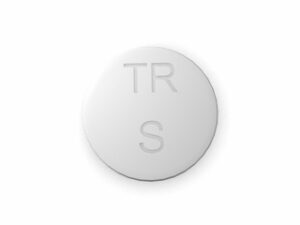
Plan B (Levonorgestrel) Emergency Contraception — Patient Information (Australia)
Plan B is a brand of emergency contraception containing levonorgestrel. It is used to reduce the chance of pregnancy after unprotected sex or after contraceptive failure. This page explains how Plan B works, when to take it, what to expect, and key safety information for people in Australia.
Important: Emergency contraception works best the sooner you take it. It is not intended for regular contraception.
At a glance
- Active ingredient: Levonorgestrel (progestogen)
- Purpose: Emergency contraception
- When to take: As soon as possible after unprotected sex (best within 24 hours)
- How it’s taken: Typically a single dose (often 1.5 mg total)
- Effectiveness: Highest earlier; may be less effective as time passes
- Does not affect ongoing pregnancy: It is not an abortion medicine
Basic product information
| Category | Details |
|---|---|
| Medicine | Plan B (levonorgestrel) emergency contraceptive |
| Active ingredient | Levonorgestrel |
| Common dose regimen | Single dose (commonly 1 tablet containing 1.5 mg levonorgestrel) |
| Route of administration | Oral (by mouth) |
| How it fits into family planning | For emergency use after unprotected sex or contraceptive failure |
| Not a substitute for | Ongoing contraception (e.g., pill, IUD/coil, condoms) |
Mechanism of action (how Plan B works)
Levonorgestrel is a synthetic hormone related to progesterone. Plan B works primarily by helping to prevent or delay ovulation (the release of an egg from the ovary). By delaying ovulation, it reduces the chance that sperm and an egg will meet.
Plan B may also cause changes that make it harder for fertilisation to occur, but its key effect is timing around ovulation.
What Plan B does not do
- It does not reliably stop an established pregnancy.
- It is not a substitute for abortion care if pregnancy has already occurred.
- It does not protect against future unprotected sex after you take it (you may need ongoing contraception).
Pharmacokinetics (how the body absorbs and clears levonorgestrel)
After oral administration, levonorgestrel is absorbed through the gastrointestinal tract. It reaches peak blood levels relatively quickly, after which it is metabolised mainly in the liver.
The exact concentrations vary between individuals, but key practical points are:
- Rapid action matters: The sooner you take Plan B, the more likely it can delay ovulation.
- Metabolism and elimination: Levonorgestrel is processed by the liver and eliminated from the body over time.
If you vomit soon after taking Plan B, the dose may not have been fully absorbed (see “Practical use tips” below).
Typical use and indications
Plan B is used as emergency contraception after events that may lead to pregnancy, including:
- Unprotected sex (no contraception used)
- Contraceptive failure (e.g., condom break, missed or incorrect pill use)
- Late or missed doses of oral contraception
- Uncertain timing regarding ovulation and cycle tracking
- Sex where the condom slipped, tore, or was not used correctly
Emergency contraception should be considered as soon as possible. If you are unsure which option is best for your situation (for example, depending on timing in your cycle or body weight), a healthcare professional can provide guidance.
Timing: when to take Plan B
Plan B should be taken as soon as possible after unprotected sex.
How timing affects effectiveness
- Best within 24 hours: Effectiveness is highest the sooner it’s taken.
- Still helpful later: It can be used up to 72 hours (3 days) after unprotected sex, although effectiveness may decrease with time.
- Earlier is always better: Do not wait for symptoms or for your next period.
If more than 72 hours have passed, other emergency options may be more appropriate (see “Alternative options”).
Dosing: how much to take
The common Plan B regimen is:
- Single dose: Usually 1.5 mg levonorgestrel taken by mouth as a single tablet dose.
Always follow the instructions provided with your specific product pack.
If you vomit after taking Plan B
If you vomit within a short time after taking the tablet, your dose may not have been absorbed. In that case, you may need another dose. Seek advice from a pharmacist or healthcare professional as soon as possible and ask about whether you should repeat the dose.
How to take it
- Take it by mouth with water if needed.
- You can take it with or without food (see food interactions below).
- Try to take it at a time you can monitor any symptoms such as nausea.
Food interactions
Food does not usually prevent levonorgestrel from working. However, if you feel nauseated, taking it with a light snack may be more comfortable.
If you have a stomach upset or diarrhoea, absorption may be affected. If symptoms are significant or persistent, consider seeking pharmacy advice.
Alcohol and medicine interactions
Alcohol
There is no specific requirement to avoid alcohol for Plan B. However, heavy alcohol intake can worsen nausea, increase the chance you forget to take the tablet, or make vomiting more likely—reducing the chance you get the intended dose.
If you drink, keep it moderate and watch for vomiting. If you vomit soon after taking Plan B, follow advice on repeating the dose.
Medicine interactions (important)
Some medicines can affect how levonorgestrel is metabolised in the body, potentially reducing effectiveness. Tell a pharmacist or healthcare professional about any medicines you are taking, including:
- Anti-epilepsy medicines (enzyme-inducing medicines), such as certain barbiturates, carbamazepine, phenytoin, and others
- Some medicines for tuberculosis (TB), such as rifampicin
- Some HIV medicines and other medicines that affect liver enzymes (your pharmacist can advise)
- St John’s wort (an herbal supplement)
- Long-term enzyme-inducing therapies where hormone levels may drop
If you take enzyme-inducing medicines, emergency contraception options may differ. A healthcare professional can advise whether Plan B is likely to work for you or whether another option (such as an IUD or ulipristal acetate) is more suitable.
Also consider that hormonal contraceptives may be started or resumed after emergency contraception—discuss the best plan with a pharmacist or GP.
Safety profile: what to expect and who should be cautious
Plan B is generally well tolerated. Like all medicines, it can cause side effects.
Common side effects
- Nausea
- Vomiting
- Headache
- Fatigue
- Dizziness
- Breast tenderness
- Lower abdominal discomfort
- Changes in menstrual bleeding (earlier or later than expected; spotting is possible)
When to seek urgent medical care
Seek urgent care or medical advice if you develop:
- Severe lower abdominal pain (especially on one side)
- Fainting, dizziness, or shoulder pain (rare but important warning signs)
- Very heavy bleeding (soaking pads quickly or large clots)
These symptoms can have causes other than emergency contraception, but they should be assessed promptly. If pregnancy occurs after emergency contraception, it is important to rule out ectopic pregnancy (pregnancy outside the womb), which can be more urgent.
Who should get advice before using
- If you have a known pregnancy (Plan B is not intended to continue pregnancy)
- If you have a history of ectopic pregnancy or severe pelvic disease—ask a clinician for advice
- If you have significant liver problems (a pharmacist/doctor can advise)
- If you’re taking medicines that may reduce effectiveness (see interactions)
Practical use tips
Take it sooner rather than later
The most important factor is time. If you have access to Plan B, taking it right away gives you the best chance.
Understand cycle timing and bleeding changes
- Your next period may be earlier or later than usual.
- Spotting or light bleeding can happen.
- Bleeding changes are common and do not necessarily mean Plan B failed.
Use protection until your contraception plan is sorted
Plan B does not provide ongoing protection. If you have sex again after taking it, use condoms or avoid sex until you have started/renewed a reliable method.
Pregnancy testing
If your period is more than 7 days late compared with your usual timing, or if you have symptoms that concern you, take a pregnancy test.
If the result is positive, or if you have severe pain or unusual bleeding, seek medical advice.
Keep a note of when you took it
If you need follow-up, knowing the exact time helps clinicians advise you more accurately.
Alternative emergency contraception options
Depending on timing, medical history, and potential drug interactions, other options may be considered. A pharmacist can help you compare choices.
Ulipristal acetate (when available)
- May remain effective later than levonorgestrel (depending on timing).
- Interactions with hormonal contraceptives may require specific guidance about restarting contraception.
Copper IUD / intrauterine device
- Highly effective emergency contraception, including later after unprotected sex (within clinically recommended timeframes).
- Requires insertion by trained clinicians.
- May be suitable for long-term contraception after emergency use.
Which option is best?
The best emergency option can depend on:
- How many hours/days have passed since unprotected sex
- Your point in the menstrual cycle
- Body weight/BMI (some evidence suggests reduced effectiveness for certain options)
- Medicines you take that can affect hormone levels
Australia: market and legal context
In Australia, emergency contraceptive medicines are widely accessible through pharmacies and other health services. Product availability, brand naming, and how medicines are supplied (e.g., pharmacist-supplied or other mechanisms) can vary by product and time.
Emergency contraception is intended to be accessible promptly after unprotected sex. If you are unable to access care quickly, online pharmacy options may help you obtain treatment sooner.
Public health guidance (general)
Australian health guidance generally emphasises:
- Seeking emergency contraception as soon as possible
- Using a reliable ongoing contraception method afterwards
- Considering other options if levonorgestrel may be less suitable (for example, later timing or interacting medicines)
- Not delaying due to menstruation irregularities or uncertainty about ovulation
For the most current national advice, you may refer to trusted Australian health authorities and sexual health organisations.
Recent guidance: what to consider when choosing emergency contraception
Recent clinical messaging has continued to focus on:
- Speed: taking emergency contraception immediately
- Timing limits: recognising that effectiveness changes as time passes
- Potential reduced effectiveness: possible reduced effectiveness at later times and in certain circumstances (including some weight-related factors)
- Medication interactions: enzyme-inducing medicines may reduce effectiveness
- Follow-up: pregnancy testing if your period is late and seeking medical care for concerning symptoms
If you have taken Plan B previously in the same cycle, speak with a pharmacist about what to do next—guidance can vary based on timing and ongoing contraception needs.
Delivery and availability (online pharmacy)
Plan B emergency contraception may be available through online pharmacies in Australia depending on stock and supplier arrangements. Availability can change, so it’s best to check the product page and delivery options.
Delivery considerations
- Time matters: If unprotected sex happened recently, choose the fastest shipping option available.
- Packaging: Orders are typically dispatched in discreet packaging.
- Delivery location: Delivery times can vary across metro and regional areas.
- Stock: Availability may depend on current demand.
If you need the medicine urgently and delivery times are uncertain, consider contacting your pharmacist or a local sexual health service for same-day options where available.
Frequently asked questions (FAQ)
1) How soon after unprotected sex can I take Plan B?
Plan B should be taken as soon as possible. It is commonly used up to 72 hours (3 days) after unprotected sex, with better effectiveness earlier.
2) Can I take Plan B more than once?
Plan B can be used more than once in different events, but it is not meant for repeated routine use. If you need emergency contraception more than once, speak with a pharmacist or doctor about a longer-term, reliable method and what to do about ongoing contraception.
3) Will Plan B definitely prevent pregnancy?
No. Emergency contraception reduces the risk, but it cannot guarantee prevention. Effectiveness decreases as time passes and can also be affected by certain medications or individual factors.
4) What if I’m already pregnant?
Plan B is not designed to end an established pregnancy. If you think you may already be pregnant, or if your period is late, take a pregnancy test and seek medical advice if positive.
5) What side effects are normal?
Nausea, headache, fatigue, breast tenderness, abdominal discomfort, and changes to bleeding patterns are common. If you experience severe pain, very heavy bleeding, or symptoms that worry you, seek medical care promptly.
6) Will Plan B affect my next period?
Yes. Your next period may come earlier or later than expected. If your period is more than 7 days late, take a pregnancy test.
7) Do I need to avoid food or alcohol?
Food is generally not a problem. Alcohol is not specifically contraindicated, but heavy drinking may increase nausea or vomiting. Avoid vomiting if possible; if vomiting occurs soon after taking Plan B, ask about repeating the dose.
8) What medicines can reduce Plan B effectiveness?
Some enzyme-inducing medicines can reduce levonorgestrel levels and effectiveness. Examples may include certain anti-epilepsy medicines, tuberculosis treatments (such as rifampicin), some HIV medicines, and herbal supplements like St John’s wort. Check with a pharmacist for your specific medicines.
9) Should I start or continue hormonal contraception after taking Plan B?
Many people can start or restart ongoing contraception soon after emergency contraception, but the exact timing can depend on the type of ongoing contraception and other factors. A pharmacist can provide tailored advice. Condoms are recommended until your contraception plan is established.
10) If I have unprotected sex again after taking Plan B, am I protected?
No. Plan B does not protect against future acts of unprotected sex. Use condoms or avoid unprotected sex until you have reliable contraception in place.
11) Can I get emergency contraception if I’m a minor?
Emergency contraception access in Australia can be independent of age. If you need help, a pharmacist or trusted healthcare service can guide you privately.
12) When should I seek medical advice?
Consider medical advice if:
- Your period is more than 7 days late
- You have severe pelvic pain or unusual bleeding
- You are concerned about medication interactions
- You have repeated emergency contraception needs
Summary
Plan B (levonorgestrel) is an oral emergency contraceptive used after unprotected sex or contraceptive failure. It works mainly by delaying ovulation and is most effective when taken as soon as possible, ideally within 24 hours and commonly up to 72 hours. It can cause temporary side effects and may change your next bleeding pattern. If your period is delayed or you have concerning symptoms, take a pregnancy test and seek medical advice.