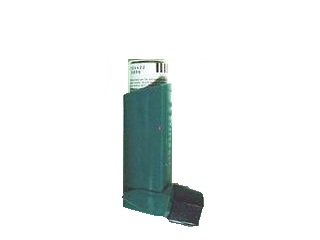
Ventolin Inhaler (Salbutamol) – Patient Guide (Australia)
Ventolin Inhaler contains salbutamol, a medicine used to quickly relieve breathing difficulty caused by bronchospasm (tightening of the airways). It is commonly used for asthma and exercise-induced bronchoconstriction (breathing problems brought on by physical activity), and it may also be used for some symptoms of COPD.
This guide explains how Ventolin works, how to use it safely, what to expect, and when to seek medical help. It is written for patients in Australia and includes practical information about interactions, timing, and availability.
Key Product Information
- Medicine: Ventolin Inhaler
- Active ingredient: Salbutamol (usually provided as salbutamol sulfate)
- Type: Short-acting beta2-agonist (SABA)
- Purpose: Relieves symptoms quickly (often within minutes)
- Common form: Pressurised metered-dose inhaler (pMDI)
Ventolin is a “reliever” medicine. It helps open the airways during an asthma flare or sudden breathing tightness. For long-term control of asthma, many people also need a separate “preventer” medicine (often an inhaled corticosteroid).
How Ventolin Works (Mechanism of Action)
Salbutamol belongs to the group of medicines called beta2-agonists. When you inhale it into your lungs, it targets receptors on the smooth muscle lining the airways.
- Fast relaxation of airway muscle: activates beta2 receptors, helping the airway muscles relax
- Bronchodilation: widens the airways so air can move more freely
- Symptom relief: reduces wheeze, chest tightness, and shortness of breath
Ventolin does not usually treat the underlying inflammation that can drive asthma long term. That is why many people use a combination of a reliever and a preventer plan.
Pharmacokinetics (What the Body Does with Salbutamol)
Pharmacokinetics describes how a drug is absorbed, distributed, metabolised, and eliminated. With inhaled salbutamol, much of the dose deposits in the airways and lungs, while some may be swallowed and absorbed from the gastrointestinal tract.
- Absorption: inhaled drug enters the bloodstream from lung tissues; a portion is swallowed
- Distribution: spreads through the body; effects are primarily in the lungs
- Metabolism: largely metabolised in the liver
- Elimination: excreted mainly via urine (including metabolites)
The clinical effect of a reliever inhaler is typically rapid. Peak benefit is often felt within minutes, although individual responses vary. If symptoms do not improve quickly, or if you need repeated doses, medical advice is important.
Typical Uses in Australia
Ventolin Inhaler is generally used as a reliever for episodes of bronchospasm and for situations where symptoms may be triggered. Common uses include:
- Asthma: relief of sudden wheeze, coughing, chest tightness, and shortness of breath
- Exercise-induced bronchoconstriction: prevention or reduction of symptoms before exercise (when advised)
- COPD (chronic obstructive pulmonary disease): symptom relief in selected patients
In asthma, symptoms may return after the effect wears off. If you consistently require frequent reliever use, it may indicate uncontrolled asthma and a review of your long-term treatment plan.
When to Use Ventolin (Timing & Expectations)
For sudden symptoms
Use Ventolin when you experience signs of bronchospasm such as wheeze or breathlessness. Many people feel improvement quickly, but you may still need to repeat dosing as directed by your healthcare professional or as per the product instructions.
Before exercise (prevention)
If advised for exercise-induced symptoms, Ventolin is typically used shortly before physical activity. Timing can vary depending on the person and device technique. Follow your action plan if you have one.
How quickly does it work?
- Onset: commonly within minutes
- Duration: varies by person; symptoms may return when effects reduce
If your reliever inhaler is not helping, you need urgent assessment, especially if breathing is getting worse or you cannot speak in full sentences.
Food Interactions
Because Ventolin is inhaled and acts mainly in the lungs, food interactions are not usually clinically significant. If any portion of the dose is swallowed, it is typically broken down and absorbed systemically in a similar way regardless of meal timing.
Practical tip: you can usually take Ventolin whether or not you have eaten. However, if nausea or stomach upset occurs in rare cases, consider taking it with food and discuss with a clinician.
Alcohol and Medicine Interactions
Alcohol
Moderate alcohol does not typically cause a direct interaction with salbutamol, but alcohol can worsen breathing symptoms in some people. Alcohol may also contribute to dehydration, poor sleep, and reduced adherence to asthma action plans.
If you notice that alcohol triggers your symptoms, discuss personalised advice with your doctor or pharmacist. Avoid excessive alcohol, particularly if you have asthma or COPD.
Important medicine interactions
Certain medicines may increase the risk of side effects (such as fast heartbeat or low potassium) or affect how salbutamol works. Tell your pharmacist or doctor about all medicines you use, including non-prescription products.
- Other beta2-agonists: using multiple bronchodilators together may increase side effects
- Beta-blockers (including some eye drops): can reduce the bronchodilating effect or cause worsening breathing in susceptible people
- Diuretics (water tablets): can increase the risk of low potassium, especially at higher salbutamol doses
- Digoxin: low potassium from medications may increase the risk of digoxin-related heart rhythm issues
- Monoamine oxidase inhibitors (MAOIs) and some antidepressants: may increase cardiovascular side effects in some cases
- Xanthines (e.g., theophylline) and systemic corticosteroids: may add to effects on heart rate and potassium levels
If you are unsure about a specific product (including cough/cold combinations), ask a pharmacist. Some “cold and flu” medicines may contain ingredients that affect the heart or breathing.
Indications (When Ventolin Is Used)
Ventolin Inhaler is indicated for relief of bronchospasm in conditions such as:
- Asthma: treatment of acute episodes of wheeze and breathlessness
- Exercise-induced bronchoconstriction: prevention of symptoms when triggered by exercise
- COPD: relief of reversible bronchospasm symptoms in appropriate patients
Your individual suitability depends on your diagnosis, symptom pattern, and overall asthma/COPD management plan. A reliever inhaler may not be enough on its own for long-term control.
Dosing (General Information for Patients)
Dosing depends on age, condition, severity, and how your body responds. Always use the dose and instructions provided with your Ventolin product and your asthma action plan. If you are unsure, ask your pharmacist for device-specific instructions.
The following are general guidance examples only. Final dosing should follow local product information and your clinician’s advice.
Typical reliever approach
- Adults and adolescents: commonly 1–2 inhalations when symptoms occur; may be repeated after a short interval if advised
- Children: dosing depends strongly on age and inhaler technique; follow your action plan or the product instructions
Before exercise (if advised)
- Often used a short time before exercise to reduce the chance of symptoms
- The exact timing varies; if your plan says “use before exercise,” follow that guidance
When to review your dosing pattern
If you need Ventolin frequently, it may indicate poor control. Consider discussing a review of your preventer/maintenance therapy and inhaler technique.
| Situation | General timing | What to watch for |
|---|---|---|
| Sudden symptoms | Use at the first signs of wheeze/breathlessness | If symptoms don’t improve or you need repeated doses often, seek urgent advice |
| Exercise trigger | Use shortly before exercise as directed | If symptoms still occur, your plan may need adjusting |
| Routine prevention | Usually not “routine” unless specifically advised | Frequent reliever use suggests uncontrolled airway disease |
Safety Profile and Side Effects
Like all medicines, Ventolin may cause side effects. Many are mild and temporary, particularly when used as directed. If you experience severe symptoms or signs of an allergic reaction, seek urgent medical help.
Common side effects
- Tremor (shaking)
- Headache
- Fast heartbeat (palpitations)
- Feeling restless
- Muscle cramps (sometimes due to potassium changes)
Less common but important effects
- Low potassium (hypokalaemia): more likely with high doses or frequent dosing
- Heart rhythm changes: uncommon, but risk increases with excessive use or in people with heart disease
- Chest pain: should be assessed promptly
When to seek urgent help
Get urgent medical attention if you have:
- Breathing that is worsening despite using your reliever
- Drowsiness, inability to speak normally, or severe chest tightness
- Blue lips/face or significant worsening oxygen levels (if measured)
- Signs of an allergic reaction: swelling of face/lips, rash, or difficulty breathing
If you have a personal action plan, follow its “red zone” instructions.
Practical Use Tips (Inhaler Technique Matters)
Correct inhaler technique is one of the most important factors in effectiveness. Poor technique can lead to less medicine reaching the lungs and more being left in the mouth or throat. If you are unsure about your technique, a pharmacist can often check and teach you.
Steps to improve delivery (typical pMDI technique)
- Remove the cap and check the mouthpiece for debris.
- Shake the inhaler (as instructed for your product).
- Breathe out fully away from the inhaler.
- Seal lips around the mouthpiece (or use as directed with a spacer).
- Start to breathe in slowly.
- Press down once to release a measured puff.
- Continue breathing in slowly and deeply.
- Hold your breath for several seconds (or as comfortable).
- Wait before the next puff if prescribed (commonly about 30–60 seconds, depending on your plan/instructions).
Use of a spacer
A spacer (or holding chamber) can improve the amount of medicine reaching the lungs, especially in children and in people who struggle with timing. Ask a pharmacist which spacer is compatible with your Ventolin inhaler.
Rinse your mouth (especially if using other inhalers)
Salbutamol itself does not generally require mouth rinsing for safety, but if you also use inhaled steroids, rinsing after steroid doses can reduce the risk of mouth thrush. If you notice throat irritation, talk to a pharmacist.
Check dose counters and expiry
- Use before the expiry date on the pack.
- Replace the inhaler when empty or when the dose counter indicates so.
- Store at appropriate temperatures and away from direct heat and moisture.
Alternative Options to Ventolin
Depending on your symptoms and long-term management needs, there may be other inhalers or treatments available. Options may include:
- Other reliever SABA inhalers containing salbutamol (different brands or devices)
- Other bronchodilators such as anticholinergics (more often in COPD)
- Long-term preventer therapies for asthma (often inhaled corticosteroids and combination inhalers), which reduce the need for reliever use
- Dry powder inhalers (DPIs) for certain patients who prefer that device type (device choice depends on ability and clinician advice)
If you frequently rely on reliever medication, your clinician may recommend adjustments to preventer therapy rather than increasing reliever dosing alone.
Market & Legal Context in Australia
In Australia, medicines are regulated under the Therapeutic Goods Administration (TGA). Ventolin Inhaler is widely available through pharmacies and is supplied according to approved product information.
Pharmacy supply arrangements may vary depending on the specific product strength and formulation. Online pharmacy services in Australia commonly provide asthma and respiratory medicines where permitted, and may require patient details to ensure appropriate supply and safety checks.
Always read the Consumer Medicine Information (CMI) that comes with your product, and keep your inhaler accessible for emergencies.
Recent Guidance (General Advice for Asthma/COPD Reliever Use)
Clinical guidance for asthma management emphasises:
- Proper inhaler technique and regular review of how you use devices
- Monitoring reliever frequency as a marker of symptom control
- Using preventer therapy as prescribed to reduce the risk of severe attacks
- Ensuring written action plans for worsening symptoms
Many patients are encouraged to seek a treatment review if they find they are needing reliever inhalations more often than expected. If you are unsure what “too often” means for you, ask your pharmacist or clinician for tailored advice.
Delivery & Availability (Online Pharmacy)
Availability can vary by brand pack size and device type, but Ventolin Inhalers are generally stocked by Australian pharmacies. Online pharmacy delivery options may include standard and express shipping.
- Processing time: may vary depending on stock and verification requirements
- Delivery timeframes: depend on your location (metro vs regional)
- Product condition: inhalers should arrive sealed and within expiry
If you require a specific strength or device configuration, check the listing details before purchase. For best safety, avoid using inhalers that are damaged, expired, or exposed to excessive heat.
Storage, Disposal & Handling
- Store at room temperature and protect from heat.
- Keep away from direct sunlight and sources of high temperature.
- Do not puncture or incinerate the inhaler (pressurised container).
- Dispose responsibly: follow local pharmacy disposal guidance where available.
FAQ – Ventolin Inhaler (Salbutamol)
1) How fast will Ventolin start working?
Many people feel relief within minutes. If there is no improvement or symptoms are worsening, seek medical advice promptly.
2) Can I use Ventolin every day?
Ventolin is designed as a reliever. Daily use may sometimes occur, but frequent reliance usually signals that your asthma or airway disease may not be well controlled. A clinician may adjust your preventer treatment to reduce reliever need.
3) What if I need to use it more than once?
Follow your action plan or the dosing instructions provided with your product. If you repeatedly need more doses than usual, it’s important to get advice, particularly if your breathing remains difficult.
4) Do I rinse my mouth after using Ventolin?
Rinsing is especially important after inhaled corticosteroids (preventers). For Ventolin alone, mouth rinsing is generally optional, but if you experience mouth/throat irritation, consider rinsing and speak to a pharmacist.
5) Can children use Ventolin?
Ventolin may be used in children where appropriate, but the dosing and technique are critical. A spacer is often recommended to improve delivery. Ask your pharmacist for child-specific inhaler technique guidance.
6) Should I shake my Ventolin inhaler?
Most pMDIs require shaking before use. Check the product instructions or ask a pharmacist to confirm the correct steps for your device.
7) Is it safe to use Ventolin with other inhalers?
Many people use Ventolin alongside preventer inhalers. Technique and timing can matter. If you’re taking multiple inhalers, ask your pharmacist for an easy routine (for example, which inhaler first and whether to wait between them).
8) Can I use Ventolin if I’m also on heart medication?
Some heart medicines (especially beta-blockers) can interact with beta-agonists. Tell your pharmacist about all medicines you take so they can check for potential interaction concerns.
9) What should I do if I miss a dose?
Ventolin is usually used for symptoms rather than on a fixed schedule. If you miss a dose, use it only when you need relief or as advised for triggers like exercise. For preventive plans, follow your action plan.
10) When should I seek emergency help?
Seek emergency care if breathing becomes severe, you cannot speak normally, your symptoms are not improving despite reliever use, or you have signs of a serious allergic reaction.
Important Patient Reminder
Ventolin Inhaler (salbutamol) can provide fast symptom relief, but it does not replace long-term asthma or COPD management. If your symptoms are frequent, worsening, or you are using your reliever more than expected, arrange a review with your healthcare professional to improve control and reduce the risk of severe attacks.