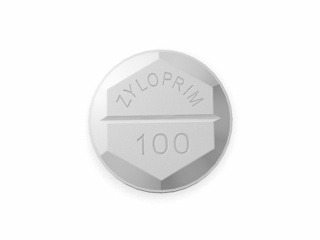

Zyloprim (Allopurinol) — Patient Information (Australia)
Zyloprim is a medicine containing allopurinol, used to lower uric acid levels in the body. It helps prevent and reduce problems caused by high uric acid, such as gout attacks and certain types of kidney stones. This page explains how Zyloprim works, how it’s taken, what to expect, and important safety information.
Note: Everyone’s situation is different. Follow the instructions provided by your doctor and the product label.
Quick overview
- Active ingredient: Allopurinol
- What it does: Lowers uric acid by reducing its production
- Common uses: Gout, high uric acid (hyperuricaemia), and certain kidney stone conditions
- Typical schedule: Once daily (sometimes adjusted based on blood tests)
- Key safety focus: Skin reactions and interactions with some medicines
Basic product information
Zyloprim is an established medicine used in Australia to manage conditions related to uric acid. Brands may come in different strengths depending on availability.
| Feature | Information |
|---|---|
| Generic name | Allopurinol |
| Brand | Zyloprim |
| Therapeutic class | Urate-lowering therapy (xanthine oxidase inhibitor) |
| Common forms | Oral tablets |
| How it’s used | Long-term urate control; not for immediate gout relief |
How Zyloprim works (mechanism of action)
Uric acid is produced in the body when purines are broken down. These purines come from normal cell turnover and also from certain foods. In people with gout or other uric-acid-related conditions, uric acid may build up, leading to crystal formation and inflammation.
Allopurinol works by inhibiting the enzyme xanthine oxidase. This reduces the conversion of substances that ultimately lead to uric acid production. As a result, blood uric acid levels fall, helping reduce crystal formation over time.
Important: Zyloprim is designed for prevention and long-term control. It is not intended to stop an acute gout flare immediately.
Pharmacokinetics (how your body handles it)
After taking an oral dose, allopurinol is absorbed and converted into its active metabolite, oxypurinol, which also helps lower uric acid.
Absorption and metabolism
- Allopurinol is absorbed from the gastrointestinal tract.
- It is metabolised primarily to oxypurinol.
- Oxypurinol contributes significantly to the uric-acid-lowering effect.
Elimination
- Both allopurinol and oxypurinol are eliminated largely via the kidneys.
- Kidney function affects how quickly oxypurinol is cleared from the body.
Because kidney function influences drug levels, dosing may be adjusted in people with reduced renal function. Your clinician may monitor blood tests to ensure a safe, effective urate target.
Typical uses and indications
Zyloprim is used to treat conditions where lowering uric acid is beneficial. Indications commonly include:
- Gout (including prevention of recurrent attacks in people with hyperuricaemia)
- Chronic hyperuricaemia that leads to disease
- Uric acid or mixed kidney stones in selected patients
- Prevention of uric acid nephropathy in certain high-risk situations (for example, where uric acid production may increase)
Your prescriber may choose allopurinol based on your medical history, uric acid levels, kidney function, and other risk factors for stones or gout.
When to take Zyloprim (timing and routine)
Many people take Zyloprim once daily. Some require different schedules depending on dose and tolerability. Follow your label instructions.
Starting and adjusting
- Start low and go slow: Doses are often increased gradually to reduce side effects.
- Expect delayed benefit: Uric acid levels fall over days to weeks, but gout crystal reduction and flare reduction may take longer.
- Monitoring: Blood tests may guide dose adjustments.
Gout flares during initiation
It is possible to experience a gout flare when beginning or increasing urate-lowering therapy. This doesn’t mean the medicine isn’t working; rather, changes in uric acid levels can temporarily trigger inflammation. Clinicians often provide advice (and sometimes preventive anti-inflammatory medicines) during the early phase.
Dosing guidance (general information)
Dosing depends on factors such as uric acid levels, kidney function, and tolerance. Only take the dose prescribed for you. Below is general information to help you understand typical practice.
- Lower starting doses are commonly used, especially in people with kidney impairment.
- Uric acid levels may be checked and the dose adjusted gradually.
- Some patients take the total daily dose once daily; others may have split dosing.
Do not change your dose without medical advice. If you miss a dose, take it when you remember unless it is close to your next dose—then skip the missed dose and continue your usual schedule.
Food interactions and diet considerations
Allopurinol can generally be taken with or without food. Taking it with food may improve comfort for some people. However, food and drink can still affect gout risk by influencing uric acid production and crystal formation.
General diet advice for gout / high uric acid
- Reduce intake of high-purine foods (for example, some red meats and organ meats).
- Limit seafood that is high in purines.
- Minimise sugary drinks, especially those containing fructose (e.g., some soft drinks).
- Moderate alcohol (see below).
- Stay well hydrated to support kidney health.
Your clinician or dietitian may recommend a tailored plan. Dietary changes are supportive and do not replace medication if urate-lowering therapy is needed.
Alcohol and medicine interactions
Alcohol can increase gout risk and may worsen symptoms. While a direct interaction with allopurinol isn’t the main concern, alcohol may contribute to higher uric acid levels and dehydration, increasing the likelihood of flares.
Practical alcohol guidance
- Limit or avoid alcohol if you have gout or frequent flares.
- If you drink, do so in moderation and remain well hydrated.
- Be cautious during flare-ups and especially in the initial months of starting urate-lowering therapy.
Other medicine interactions (important)
Some medicines can interact with allopurinol, affecting safety or increasing side effects. Tell your pharmacist or doctor about all medicines and supplements you use.
- Azathioprine and mercaptopurine: Allopurinol can markedly increase levels of these medicines, requiring major dose adjustments or an alternative plan.
- Thiazide diuretics (some “water tablets): May increase risk of hypersensitivity in some contexts.
- Warfarin: Some patients may experience changes in bleeding risk; monitoring may be required.
- Phenytoin (and other medicines with narrow therapeutic ranges): Potential interactions may require monitoring.
- Theophylline: Allopurinol can affect theophylline levels.
- Ampicillin/amoxicillin: In some people, a rash may occur when taken together.
This is not a complete list. Interactions also depend on kidney function and individual risk factors.
Safety profile: what to know before starting
Most people tolerate Zyloprim well, but it can cause side effects in some individuals. The most important safety concerns involve serious skin reactions and hypersensitivity reactions.
Common or mild side effects
- Nausea or stomach upset
- Mild rash or itching (not all rashes are serious, but any new rash should be assessed)
- Headache or fatigue
Serious adverse reactions (seek urgent help)
Get medical help immediately if you experience any signs of a severe reaction, such as:
- Severe skin rash, blistering, peeling, or sores in the mouth
- Fever with rash
- Swelling of the face or throat, or trouble breathing
- Signs of liver or kidney problems (e.g., yellowing of eyes/skin, dark urine, severe pain)
- Feeling very unwell with widespread symptoms
These reactions may be rare, but they can be life-threatening. Prompt attention can be crucial.
Who may be at higher risk
Risk of hypersensitivity may be increased in certain groups, and clinicians may consider extra precautions (including assessment for specific genetic risk factors) depending on your background and medical history.
- People with kidney impairment
- People taking certain interacting medicines
- Those with prior history of allopurinol hypersensitivity
- Some individuals with genetic susceptibility
Practical use tips for patients
- Take it consistently: Uric acid control works best with steady daily use.
- Keep up with blood tests: Monitoring helps your clinician reach the target urate level safely.
- Stay hydrated: Adequate fluid intake can help reduce kidney stone risk.
- Know your flare plan: Ask in advance what to do if you get a gout flare.
- Don’t stop suddenly: Stopping can allow uric acid levels to rise again.
- Report new rashes promptly: Don’t “wait it out” if you develop a rash, especially with fever or sickness.
What to expect during treatment
Time to effect
Uric acid levels often begin to fall after starting allopurinol, but clinical benefit for gout prevention may take time. You may still have gout flares early on. Over time, the goal is fewer attacks and less crystal burden.
Monitoring targets
Clinicians aim to achieve and maintain uric acid levels within a target range to prevent crystal formation. Your dose may be adjusted based on blood tests and kidney function.
Alternative options for urate lowering
Depending on your diagnosis, kidney function, and prior responses, clinicians may consider other urate-lowering strategies. Alternatives can include:
- Febuxostat (another urate-lowering medicine; suitability depends on your circumstances)
- Probenecid (in selected patients, particularly those with certain kidney stone patterns)
- Uricosuric or dietary strategies as supportive measures (not usually enough alone for many patients)
- Adjusting contributing factors (e.g., reviewing medicines that may raise uric acid, as advised by a clinician)
Your prescriber can help determine which option best fits your medical profile. Never switch medications without advice.
Market and legal context in Australia (availability and supply)
In Australia, access to medicines is regulated under the relevant frameworks administered by Australian authorities. Availability can vary between pharmacies and depends on stock levels and the specific strength required.
Allopurinol-containing products such as Zyloprim are commonly supplied via community pharmacies, and some can be ordered through online pharmacy services where permitted. Delivery timeframes and stock availability depend on the supplier and location.
Recent guidance and clinical considerations (general)
Clinical guidance for gout management generally emphasises:
- Long-term urate lowering for people with gout and ongoing risk of flares or complications.
- Starting low and increasing gradually with careful monitoring.
- Managing early flares proactively, rather than stopping urate-lowering therapy.
- Individualising treatment based on kidney function and drug interactions.
Guidance may be updated over time by professional bodies. Your clinician can provide the most current approach for your situation.
Delivery and availability (online pharmacy)
When ordering from an Australian online pharmacy, availability depends on:
- Stock levels for the specific strength and quantity
- Pharmacy processing times
- Your postcode and delivery option
Typical delivery options may include standard and express shipping, with tracking provided where available. If the exact strength you need isn’t available, the pharmacy may contact you about alternatives or restocking time.
Ensure you keep your medicine in a safe place and check the expiry date before use.
FAQ
1) Is Zyloprim the same as allopurinol?
Yes. Zyloprim is a brand name that contains the active ingredient allopurinol.
2) Will Zyloprim stop a gout attack immediately?
Usually not. Zyloprim is designed for long-term urate lowering to prevent future attacks. For an active flare, your clinician may recommend other treatments to relieve inflammation and pain.
3) How long does it take to work?
Blood uric acid levels may start to decrease within days, but gout prevention can take weeks to months. Early flares can occur during treatment initiation, especially after dose changes.
4) Can I take Zyloprim with food?
Generally, yes. It can often be taken with or without food. If you find it upsets your stomach, taking it with a meal may help.
5) What should I do if I miss a dose?
Take it when you remember unless it’s close to your next dose. If you’re near your next scheduled dose, skip the missed dose and continue as normal. Don’t double up.
6) What drinks or foods should I avoid?
Consider limiting foods and drinks that may increase uric acid or trigger gout, such as sugary drinks and high-purine foods. Staying well hydrated is also beneficial. Your clinician may provide personalised dietary advice.
7) Can I drink alcohol while taking Zyloprim?
It’s best to limit alcohol, particularly if you have gout. Alcohol can increase the likelihood of flares and may worsen symptoms. If you choose to drink, do so in moderation and stay hydrated.
8) Are there important drug interactions?
Yes. Tell your pharmacist or doctor about all medicines, including herbal supplements. Notable interactions may involve azathioprine, mercaptopurine, thiazide diuretics, warfarin, theophylline, and certain antibiotics.
9) What side effects are most concerning?
Severe skin reactions or hypersensitivity reactions are the most important to recognise. Seek urgent medical help if you develop a significant rash, blistering, fever, facial swelling, or breathing difficulties.
10) Can I take Zyloprim if I have kidney disease?
It may be used, but dosing and monitoring often need to be adjusted. Kidney function significantly affects drug levels, so your clinician may start at a lower dose and monitor closely.
11) Are there alternatives if I can’t tolerate allopurinol?
There are other urate-lowering options (for example, febuxostat or probenecid) depending on your situation. Your clinician can recommend the safest alternative based on your health profile.
Summary
Zyloprim (allopurinol) lowers uric acid production and is used to manage long-term conditions linked to high uric acid, including gout and certain kidney stone types. It works by inhibiting xanthine oxidase, and its active metabolite helps sustain urate lowering over time. Treatment is typically once daily, often started at a low dose and adjusted gradually with monitoring. While many people tolerate it well, it’s important to be alert for serious skin reactions and to check for potential interactions with other medicines.
If you have questions about whether Zyloprim is suitable for you, discuss them with your pharmacist or doctor.