Colchicine (Colchicum autumnale) — Patient Information (Australia)
Colchicine is a medicine used to treat and prevent certain inflammatory conditions, most commonly gout and familial Mediterranean fever (FMF). It works by reducing inflammation at the cellular level. This page provides patient-friendly, practical information about how colchicine works, how it’s taken, common interactions, safety considerations, and what to do if you miss a dose.
| Category | Details |
|---|---|
| Medicine | Colchicine |
| Common source | Colchicum autumnale (autumn crocus) |
| Uses | Gout (acute attacks and prevention), FMF, and other inflammatory conditions as advised |
| How it works | Reduces inflammatory responses by affecting microtubules and neutrophil activity |
| Common route | Oral tablets (strength and regimen vary by condition) |
| Key safety notes | Risk of serious side effects with overdose; higher risk with certain interacting medicines and kidney/liver impairment |
Basic product information
- Active ingredient: Colchicine
- Medicine type: Anti-inflammatory (anti-microtubule) agent
- Branding: Colchicine is available under different brand names in Australia (availability depends on supplier and local listing)
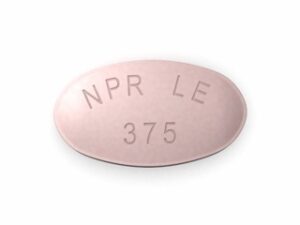
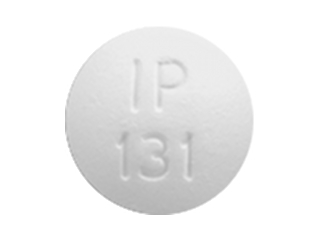
- Form: Usually tablets or capsules; dose strength varies
Important: Colchicine is potent. Follow the dosing plan provided for your condition and use the correct tablet strength. Do not increase your dose to “make it work faster”.
How colchicine works (mechanism of action)
Colchicine primarily acts by interfering with microtubules inside cells. Microtubules are part of the internal “transport and structure system” of cells. In inflammation, immune cells—especially neutrophils—use microtubules to move toward sites of urate crystal deposition and to trigger inflammatory pathways.
By disrupting microtubule function, colchicine can:
- Reduce neutrophil migration toward inflammatory sites
- Decrease inflammatory mediator release
- Lower the intensity and duration of inflammatory flare-ups (notably in gout)
What this means for you: Colchicine is most effective when started early in an acute flare, and for some people it’s also used to reduce the frequency of future flares.
Pharmacokinetics (how the body processes colchicine)
Understanding pharmacokinetics helps explain why interactions and dose adjustments matter.
- Absorption: Colchicine is absorbed through the gastrointestinal tract, with variable absorption between individuals.
- Distribution: It distributes into tissues and can accumulate when clearance is reduced.
- Metabolism: Colchicine is metabolised mainly by CYP3A4 (a liver enzyme) and also involves drug transport pathways such as P-glycoprotein (P-gp).
- Excretion: It is eliminated via both hepatic metabolism and renal/ biliary pathways. In kidney or liver impairment, levels may increase.
- Half-life: The effective half-life can vary by patient factors, and it can be longer in renal/hepatic impairment.
Practical implication: Medicines that inhibit CYP3A4 and/or P-gp can raise colchicine levels and significantly increase the risk of toxicity.
Typical uses in Australia
Colchicine is used for conditions where inflammation is driven by specific mechanisms. In practice, the most common approved or widely used indications include:
Gout
- Acute gout flares: To reduce pain and inflammation during an attack.
- Prevention of gout flares: Often used as flare prophylaxis when starting or adjusting long-term urate-lowering therapy, for a limited time to reduce early flares.
Familial Mediterranean fever (FMF)
- Prevention of inflammatory attacks and reduction in flare frequency.
Other inflammatory conditions
Depending on local availability and specialist guidance, colchicine may be considered for other inflammatory or cardiovascular-related inflammatory conditions. Use is tailored to the individual and current clinical guidance.
Timing: when and how to take colchicine
The timing depends on whether you’re treating an acute gout flare or using colchicine to prevent flares.
For acute gout flares
- Start early: Colchicine works best when taken soon after the flare begins.
- Follow the dosing schedule carefully: Dosing regimens for acute attacks vary by product strength and patient factors.
For prevention
- Consistency matters: Take colchicine at the same time(s) each day as directed.
- Duration: Prevention regimens are typically time-limited for gout flare prophylaxis, but may be longer for chronic conditions like FMF.
Tip: Keep a simple reminder (phone alarm, blister pack routine) to avoid missed doses.
Dosing (general guidance)
Dosing must be individualised based on your condition, kidney and liver function, age, and interacting medications. Always use your prescribed directions and the correct tablet strength.
General principles
- Use the lowest effective dose that controls symptoms.
- Kidney and liver impairment: Doses often need reduction or closer monitoring due to increased risk of toxicity.
- Drug interactions: Dose may need adjustment or medicines may need to be avoided if they interact with colchicine.
What to discuss with your pharmacist or doctor
- Your current medicines (including supplements and “natural” products)
- Any history of kidney disease, liver disease, low blood counts, or gastrointestinal problems
- Your age and any prior side effects with colchicine
Overdose warning: Colchicine has a narrow safety margin. Do not take extra doses or multiple products containing colchicine.
Food interactions
Colchicine can usually be taken with or without food, but food may affect how quickly it’s absorbed in some people.
- For comfort: Taking with food may reduce stomach upset for some individuals.
- Grapefruit and certain herbal products: Grapefruit may inhibit CYP3A4 in the gut and can potentially raise colchicine levels. Avoid grapefruit unless your pharmacist says it’s safe.
- High-risk supplements: Some supplements may affect enzyme systems and drug transporters. Always check with a pharmacist.
If you notice nausea, diarrhoea, or abdominal cramping after starting colchicine, consider taking it with food and seek advice promptly—especially if symptoms are persistent or severe.
Alcohol and medicine interactions
Alcohol
Alcohol is not the most common driver of colchicine toxicity, but heavy or frequent alcohol use can worsen dehydration, liver function, and overall tolerance of gastrointestinal side effects. Because colchicine can cause nausea, vomiting, and diarrhoea, alcohol may make these effects more likely or more severe.
- General advice: Limit alcohol and stay well hydrated.
- Avoid binge drinking: It increases dehydration and may worsen safety risks.
Medicines that commonly interact with colchicine
Many important interactions happen because colchicine levels can rise when CYP3A4 and/or P-gp are inhibited. This can lead to serious toxicity, including bone marrow suppression and neuromuscular problems.
Seek pharmacist advice before combining colchicine with any of the following:
- Strong CYP3A4 and P-gp inhibitors:
- Some antifungals (e.g. ketoconazole, itraconazole)
- Some antibiotics (e.g. clarithromycin)
- HIV protease inhibitors
- Some medicines used for certain heart rhythm conditions
- Macrolide antibiotics: Clarithromycin is a classic high-risk example.
- Some statins and cholesterol-lowering medicines: The combination can increase risk of muscle toxicity (myopathy/rhabdomyolysis), especially with kidney impairment.
- Other medicines affecting kidneys: Dehydrating agents or drugs that reduce kidney function may increase risk.
- Medicines that cause interactions via kidney clearance: Avoid or adjust based on your clinician’s advice.
Always inform any healthcare professional that you take colchicine.
Indications and clinical guidance (what colchicine is for)
Colchicine is used to treat inflammatory episodes and to reduce recurrence in certain conditions. In gout, colchicine can help control the acute symptoms and can also be used for short-term flare prevention around the initiation of long-term urate-lowering therapy.
Key points commonly emphasised in clinical practice include:
- Acute gout: Start as early as possible during a flare for better symptom control.
- Flare prophylaxis: If used to prevent flares during urate-lowering treatment, it is typically continued for a period recommended by your clinician.
- FMF: Used for prevention of attacks, often long-term.
Recent guidance note (Australia): Ongoing international and local updates continue to emphasise careful colchicine dosing, interaction screening (especially with CYP3A4/P-gp inhibitors), and dose adjustment in kidney impairment. Guidance generally favours using colchicine at safe doses and ensuring that urate-lowering strategies are optimised for long-term gout management.
Safety profile: side effects and when to get help
Like all medicines, colchicine can cause side effects. Many people experience mild gastrointestinal effects, but serious adverse reactions can occur—especially with high doses, overdose, kidney/liver impairment, or interacting medicines.
Common side effects
- Diarrhoea
- Nausea
- Vomiting
- Abdominal cramping
Serious side effects (urgent medical attention)
Seek urgent medical help or contact emergency services if you experience:
- Severe or persistent diarrhoea/vomiting leading to dehydration
- Signs of infection such as fever or severe sore throat (possible bone marrow effects)
- Unusual bruising or bleeding
- Severe weakness, muscle pain, dark urine (possible muscle injury)
- Rash with breathing difficulty or facial swelling (possible allergy)
- Confusion, severe fatigue, or symptoms that seem rapidly worsening
Who should be extra cautious
- People with kidney impairment
- People with liver disease
- Older adults
- People taking interacting medicines, especially strong CYP3A4/P-gp inhibitors and certain statins
- People with dehydration or conditions causing frequent vomiting/diarrhoea
Overdose risk
Colchicine overdose can be life-threatening. Symptoms may include gastrointestinal upset, followed by more serious effects. If you suspect you or someone else has taken too much colchicine, seek urgent medical attention immediately.
Practical use tips
- Use your usual schedule: Take at the times you were instructed. If you’re using blister packs, follow the pack order.
- Stay hydrated: Especially if you’re experiencing diarrhoea or during hot weather.
- Don’t combine “extra” anti-inflammatory medicines without advice: In gout, some people use NSAIDs alongside other treatments—always confirm the safest approach with a pharmacist or clinician.
- Keep a list of medicines: Include prescription medicines, over-the-counter products, vitamins, herbal preparations, and any recent antibiotics or antifungals.
- Report muscle symptoms early: Stop and seek advice if you develop unexplained muscle pain/weakness, especially if you’re on a statin.
- Use correct tablet strength: Different formulations can exist; mixing them accidentally is a common preventable error.
What to do if you miss a dose
If you miss a dose:
- Take it as soon as you remember if it’s close to the scheduled time.
- If it’s near the time of your next dose, skip the missed dose.
- Do not take a double dose to make up for the missed one.
If you’re not sure what to do, ask your pharmacist for guidance based on your dosing schedule.
Alternative options for gout and inflammatory conditions
Colchicine is only one part of managing gout and inflammatory disorders. Alternative treatments may include:
For acute gout flares
- NSAIDs (e.g. naproxen, ibuprofen) — suitable for some people but not for all (e.g. kidney disease, stomach ulcer risk)
- Corticosteroids (oral or injections) — often considered when NSAIDs and colchicine are unsuitable
- Other targeted anti-inflammatory medicines — may be used in specialist settings for difficult-to-treat flares
For long-term gout prevention
- Urate-lowering therapy (commonly allopurinol or febuxostat) to reduce urate and prevent future flares
- Lifestyle measures such as weight management, limiting alcohol (particularly beer and spirits), and reducing high-purine foods
For FMF
- Colchicine remains a cornerstone for many people with FMF.
- In some cases, alternative or add-on therapies may be considered by specialists.
Note: Alternatives depend on your diagnosis, kidney and liver function, other medicines, and flare frequency. A pharmacist can help review options and interaction risks.
Market and legal context for Australia
In Australia, medicines are regulated under the Therapeutic Goods Act 1989 and are listed in the Australian Register of Therapeutic Goods (ARTG). Product availability and supply can vary between brands and strengths. Prescribing and dispensing practices follow Australian regulations and current therapeutic guidelines.
Classification: Colchicine may be available in different strengths and formulations. Depending on the specific product, it may require pharmacist involvement and appropriate clinical checks to ensure safe use, particularly due to interaction and toxicity risks.
Safety focus: Australian pharmacies commonly emphasise interaction screening for colchicine, especially when patients are taking medicines that affect CYP3A4/P-gp pathways or have kidney impairment.
Delivery and availability
Online pharmacies in Australia typically offer:
- Availability checks for commonly stocked strengths
- Careful packaging to protect tablets/capsules
- Tracking and standard delivery options depending on location
- Pharmacist support for medicine queries, dosing instructions, and interaction concerns
Delivery timeframe: This varies by retailer and stock levels. If a product is temporarily unavailable, you may be offered alternatives or a timeframe for restocking.
Storage: Store at room temperature in a dry place, away from moisture and heat. Keep out of reach of children.
FAQ
1) How quickly does colchicine work for a gout flare?
Many people notice symptom improvement within the first 12–24 hours when colchicine is started early in an acute flare. Results vary by individual and by the severity of the attack. If symptoms worsen rapidly or you cannot keep fluids down, seek medical advice urgently.
2) Can I take colchicine with other gout medicines?
Sometimes colchicine is used alongside other gout treatments, such as urate-lowering therapy. However, combining medications can increase side-effect risk or interactions. Always confirm your plan with a pharmacist or clinician, especially if you’re starting new antibiotics, antifungals, or cholesterol medicines.
3) What should I do if I develop diarrhoea?
Mild gastrointestinal upset can occur. If diarrhoea is mild, stay hydrated and contact your pharmacist for advice. If diarrhoea is severe, persistent, or accompanied by vomiting, dizziness, fever, or signs of dehydration, seek urgent medical help.
4) Is colchicine safe for people with kidney disease?
People with kidney impairment have a higher risk of colchicine toxicity. Doses may need reduction and closer monitoring. Do not start or adjust colchicine without professional guidance.
5) Can I drink alcohol while taking colchicine?
Moderation is advised. Alcohol may increase dehydration and worsen gastrointestinal side effects. Avoid heavy drinking and ensure you drink adequate fluids.
6) Does grapefruit affect colchicine?
Grapefruit may increase colchicine levels due to enzyme effects in the gut. It’s often safest to avoid grapefruit products unless your pharmacist confirms it’s suitable for you.
7) What interactions are the most important to know?
Large risks come from medicines that inhibit CYP3A4 and/or P-gp, such as some antifungals and antibiotics (e.g. clarithromycin), and some antiviral therapies. Certain statins and muscle-related risks can also be relevant. Always check your full medication list.
8) Can colchicine be used during pregnancy or breastfeeding?
Medicine use in pregnancy and breastfeeding should be individually assessed. If you are pregnant, planning pregnancy, or breastfeeding, discuss your situation with a pharmacist or clinician before using colchicine.
9) What if I accidentally took an extra dose?
Because of the risk profile, contact a pharmacist promptly for advice. If you took significantly more than directed or have concerning symptoms (especially severe diarrhoea/vomiting), seek urgent medical care.
10) Are there lifestyle changes that improve gout outcomes?
Yes. For gout, lifestyle measures can reduce flare frequency and support long-term prevention: staying hydrated, moderating alcohol, maintaining a healthy weight, and limiting foods that may raise urate. These strategies complement medicine therapy.
Summary
Colchicine is an anti-inflammatory medicine commonly used for gout (acute flares and flare prevention) and familial Mediterranean fever. It works by interfering with microtubules to reduce neutrophil-driven inflammation. Because colchicine is processed through pathways affected by other medicines—especially CYP3A4 and P-gp inhibitors—and because kidney/liver function changes drug handling, careful dosing and interaction screening are essential.
If you have questions about your dosing schedule, side effects, or interactions with other medicines, speak with a pharmacist—especially if you’re starting a new antibiotic, antifungal, or cholesterol medication.