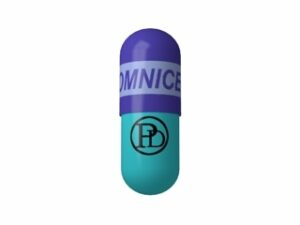
Myambutol (Ethambutol Hydrochloride) – Patient Information (Australia)
Myambutol contains ethambutol hydrochloride, an antibiotic medicine used as part of combination treatment for certain mycobacterial infections. In Australia, Myambutol is commonly supplied for use under specialist care for conditions such as tuberculosis (TB) and non-tuberculous mycobacterial (NTM) infections. It is important to take ethambutol exactly as directed, because it works best when used alongside other appropriate medicines and because drug resistance can develop if treatment is inconsistent.
This information is designed to help you understand how Myambutol works, how it is usually taken, and what to watch for. It does not replace advice from your healthcare professional.
Quick product facts
- Medicine name: Myambutol
- Active ingredient: Ethambutol hydrochloride
- What it’s used for: Specific mycobacterial infections (e.g., tuberculosis; certain NTM infections) as part of combination therapy
- How it’s supplied: Oral tablets or branded oral formulations (strengths vary by product packaging)
- Key safety focus: Eye effects (especially changes in colour vision)
- Common need: Ongoing monitoring when used for TB or longer courses
How Myambutol works (mechanism of action)
Ethambutol is an antibiotic that targets mycobacteria (bacteria that cause TB and some NTM infections). Its antibacterial action is primarily linked to disrupting the bacteria’s ability to make key components of its cell wall.
Mycobacterial resistance can develop if ethambutol is used alone or doses are missed. For this reason, Myambutol is usually used together with other antibiotics to improve cure rates and reduce resistance.
Why combination treatment matters
- Resistance prevention: Multiple drugs reduce the chance that resistant organisms survive.
- Different targets: Each drug attacks the bacteria in a different way.
- Slower emergence of tolerance: Combination therapy helps maintain effectiveness over time.
Pharmacokinetics (how the body handles the medicine)
Pharmacokinetics describes what the body does to a medicine: absorption, distribution, metabolism, and elimination. Ethambutol is absorbed after oral dosing and distributes to body tissues, including areas relevant to TB.
Key practical points often relevant for patient use:
- Onset and effect: Ethambutol begins working once adequate levels are reached; improvement may take weeks.
- Distribution: It reaches many tissues, which is important for infections beyond the lungs.
- Elimination: Ethambutol is cleared from the body mainly via the kidneys.
- Kidney function matters: People with reduced kidney function may need dose adjustments and closer monitoring to reduce side effects.
Your healthcare professional may consider kidney function tests before and during treatment, particularly for longer courses.
Typical uses in Australia
In Australia, ethambutol is most commonly used for:
1) Tuberculosis (TB)
Ethambutol is used as part of standard combination therapy for TB. Regimens depend on the site of disease, the organism’s sensitivity, and local clinical guidelines.
2) Non-tuberculous mycobacterial (NTM) infections
Certain NTM infections may be treated with ethambutol-containing regimens, usually chosen based on organism type and susceptibility.
Your treatment plan may be adjusted based on culture results, imaging, symptoms, and tolerance.
Indications (when Myambutol may be used)
Myambutol (ethambutol hydrochloride) is indicated for the treatment of specific mycobacterial infections, most notably:
- Active pulmonary TB (in combination regimens)
- Extra-pulmonary TB (in combination regimens, depending on clinical assessment)
- Selected NTM infections (as part of combination therapy for appropriate cases)
Not all mycobacterial infections are treated the same way. Your prescriber will tailor therapy based on your diagnosis and test results.
Dosing and timing
Dosing of ethambutol is typically based on body weight and the specific regimen used (for example, TB treatment schedules). The exact dose can vary between individuals, so it is important to follow the instructions on your medication label.
How to take Myambutol
- Follow your medication label: take the correct number of tablets for your prescribed dose.
- Try to take it at the same time each day to maintain consistent blood levels.
- Do not skip doses: missing doses may reduce effectiveness and increase resistance risk.
- Complete the course: even if you feel better, stopping early can allow the infection to return.
Typical timing (general guidance)
Ethambutol is often taken once daily as part of combination therapy. Some TB regimens may use different schedules depending on the treatment phase and your care plan. Always use the schedule provided by your healthcare professional.
If you forget a dose, seek advice on what to do next. In general, don’t double up without guidance.
Food interactions
Food can influence how medicines are absorbed. For ethambutol, taking tablets with or without food may be acceptable for many people, but tolerability may vary (for example, nausea).
Practical tips:
- Take your dose at a consistent time each day.
- If your stomach feels unsettled, taking with a light meal may help.
- Keep hydration steady, especially if you are also taking other TB medicines.
If your healthcare professional has provided specific instructions (for example, to take with food), follow those directions.
Alcohol interactions
Alcohol does not usually have a direct “one-to-one” interaction with ethambutol in the way some medicines do, but alcohol can still be harmful during TB or NTM treatment for several reasons:
- Increased side effects: Alcohol can worsen nausea, fatigue, dizziness, and general wellbeing.
- Higher risk to the liver: TB regimens often include medicines that can affect the liver. Alcohol adds extra strain.
- Adherence risk: Alcohol use can make it easier to miss doses.
For best safety and treatment effectiveness, it is generally recommended to avoid or limit alcohol and discuss any planned alcohol use with your healthcare professional.
Medicine interactions (important)
Ethambutol can interact with other medicines indirectly through side effects, shared metabolism pathways, or changes in kidney clearance. Your healthcare professional may check for interactions based on your full medication list, including supplements.
Medicines and situations to discuss
- Other antibiotics used for TB or NTM (combination regimens are common, but monitoring plans may differ).
- Medicines that affect kidneys (because ethambutol is primarily cleared by the kidneys).
- Medicines that can affect vision or cause neurological side effects (as overlapping effects may be harder to recognise).
- Medications for gout or other chronic conditions that may influence kidney function (discuss your list).
Always tell your healthcare professional if you take
- Prescription medicines
- Over-the-counter products (including pain relief)
- Herbal or “natural” supplements
- Eye drops or vision-related treatments
If you start a new medicine while on Myambutol, ask whether it changes your monitoring needs or the timing of doses.
Safety profile: what to know before and during treatment
Myambutol is generally well tolerated when used correctly, but it has important safety considerations. The most well-known is the risk of eye-related adverse effects.
1) Eye effects (vision changes)
Ethambutol can cause optic neuropathy in some people. Early symptoms may include:
- Blurred vision
- Reduced visual acuity (seeing less clearly)
- Changes in colour vision (for example, difficulty distinguishing red/green)
- Eye pain (sometimes)
What to do: If you notice any new vision changes, contact a healthcare professional promptly. Do not “wait and see” if vision is worsening.
2) Kidney-related effects
Because ethambutol is cleared through the kidneys, people with kidney impairment may be at higher risk of side effects. Your clinician may adjust the dose and schedule.
3) Other possible side effects
Commonly reported or monitored effects can include:
- Nausea, vomiting, stomach discomfort
- Headache
- Rash or itching (less common)
- General fatigue or weakness
Seek urgent help if
- Vision symptoms rapidly worsen
- You develop signs of a severe allergic reaction (e.g., swelling of face/lips, difficulty breathing)
- You experience severe or persistent vomiting, dehydration, or confusion
Practical use tips (to help treatment go smoothly)
- Use a daily reminder: set an alarm or use a medication app to reduce missed doses.
- Check your vision: if you’re on ethambutol for weeks or months, discuss whether regular eye checks are recommended for you.
- Keep a symptom diary: note timing of side effects (especially vision changes, dizziness, or rash).
- Stay hydrated: helps overall wellbeing and supports kidney function.
- Don’t stop abruptly: if you develop side effects, seek medical advice before stopping.
- Keep tablets in original packaging: protect from moisture and maintain correct identification of dose strength.
Medication adherence during TB/NTM treatment
TB and NTM infections require sustained treatment. Many people improve early but still need the full regimen to prevent relapse and resistance. Treating consistently is one of the most effective “non-medical” steps you can take.
Monitoring during treatment
Monitoring is often recommended, especially for longer courses. The specific schedule varies, but may include:
- Vision checks: particularly if symptoms occur or if higher risk factors are present
- Kidney function tests: especially for people with reduced renal function or those on longer therapy
- General health review: symptom tracking, adherence checks, and side effect review
If you have diabetes, kidney disease, or are taking other medicines that can affect vision or kidneys, mention this early to your healthcare team.
Alternative options (discuss with your clinician)
Treatment alternatives depend on the infection type, susceptibility testing, and your medical history. For many TB/NTM regimens, ethambutol may be one component among several.
Potential alternatives within TB/NTM regimens
- Other TB antibiotics: such as rifampicin, isoniazid, pyrazinamide, and others (depending on local guidelines and resistance patterns)
- NTM-specific combinations: regimens can vary widely based on species and antibiotic sensitivity
If Myambutol causes side effects or cannot be used, your healthcare professional may adjust the regimen rather than stopping TB/NTM therapy on your own.
Myambutol in the Australian market: legal and guidance context
In Australia, medicines are regulated under the Therapeutic Goods Administration (TGA). Ethambutol-containing products are supplied as part of approved treatment protocols and are commonly managed within health services that follow national and state guidance for TB and NTM care.
TB diagnosis and treatment may involve public health units and clinicians. Guidelines are designed to reduce transmission, ensure correct duration, and manage drug resistance.
Recent guidance themes (high-level)
- Adherence and completion: emphasised to reduce relapse and resistance.
- Monitoring for adverse effects: particularly eye and kidney-related risks with ethambutol, and liver/kidney monitoring with other TB medicines.
- Use of susceptibility data: adjustments may be made based on culture and sensitivity results.
Your local care team will apply the most current recommendations to your situation. If you want, ask how monitoring and follow-up are planned for your course.
Delivery and availability
Availability can vary depending on the product strength and pharmacy supply. Many online pharmacies in Australia can arrange delivery to eligible areas. Delivery times may differ across regions.
What to expect when ordering online
- Stock and substitutions: where permitted and appropriate, pharmacies may advise about alternative strengths/brands.
- Packaging: products are usually delivered in manufacturer or pharmacy packaging with clear label information.
- Delivery tracking: many providers offer tracking once dispatched.
If you need the medicine urgently, check current dispatch times and contact the pharmacy for help with availability.
FAQ
1) What is Myambutol used for?
Myambutol (ethambutol hydrochloride) is used to treat specific mycobacterial infections, most commonly tuberculosis and certain non-tuberculous mycobacterial (NTM) infections. It is typically used as part of a combination regimen.
2) How quickly will I feel better?
Improvement can take weeks. Some people feel better earlier, while others notice gradual changes over time. Your healthcare team may monitor symptoms and test results to judge response.
3) Should I take Myambutol with food?
Many people can take ethambutol with or without food, but follow your label instructions. If nausea occurs, taking it with a light meal may help. Keep the timing consistent.
4) What should I do if I miss a dose?
If you miss a dose, contact your healthcare professional or pharmacy for advice on what to do next. In general, avoid doubling up unless instructed.
5) What vision changes should worry me?
Contact a healthcare professional promptly if you notice blurred vision, reduced clarity, or difficulty with colour vision (especially red/green), or any new or worsening eye symptoms.
6) Does alcohol affect Myambutol?
Alcohol may worsen side effects and can be risky when combined with other TB/NTM medicines—particularly those that may affect the liver. It’s generally advisable to avoid or limit alcohol and discuss your situation with your clinician.
7) Can Myambutol be taken if I have kidney problems?
Ethambutol is mainly cleared by the kidneys, so dose adjustments may be needed. Tell your healthcare professional if you have kidney impairment. You may require more frequent monitoring.
8) Are there medicine interactions I should know about?
Interactions can depend on your full medication list. Discuss prescription medicines, over-the-counter products, and supplements with your healthcare professional. Particular attention is often given to medicines that affect the kidneys or vision.
9) What if I stop Myambutol early?
Stopping early can reduce effectiveness and increase the risk of relapse and resistance. If you are struggling with side effects or adherence, seek advice promptly—your healthcare team can adjust treatment appropriately.
10) Is regular eye monitoring always required?
Monitoring varies by dose, duration, and risk factors. If you experience vision symptoms, seek medical advice immediately. Ask your clinician whether baseline and follow-up eye checks are recommended in your case.
Summary table
| Topic | What to know |
|---|---|
| Medicine | Myambutol (ethambutol hydrochloride) |
| Main use | Treats TB and selected NTM infections as part of combination therapy |
| How it works | Disrupts mycobacterial cell wall synthesis |
| Timing | Often once daily; follow your labelled schedule |
| Food | May be taken with or without food depending on tolerance; keep timing consistent |
| Alcohol | May worsen side effects and can be risky with TB/NTM medicines; avoid or limit and discuss with your clinician |
| Key safety issue | Eye-related effects—especially changes in colour vision |
| Kidneys | Cleared mainly by kidneys; dose adjustments may be needed with reduced kidney function |
| What to do if unwell | Contact a healthcare professional promptly for vision changes or significant side effects |
If you have questions about your specific regimen, monitoring schedule, or side effect concerns while taking Myambutol, speak with your healthcare professional or pharmacist.