
Amoxil (Amoxicillin) — Patient Information for Australia
Amoxil is a brand of amoxicillin, a widely used antibiotic in the penicillin group. It treats certain bacterial infections by stopping the bacteria from growing. This guide is designed to help you understand how Amoxil works, what it’s used for, how to take it safely, and what to watch for.
Important: Antibiotics like amoxicillin do not treat viral infections (such as colds and flu). Using antibiotics only when they’re appropriate helps reduce the risk of antibiotic resistance and side effects.
Basic product information
- Medicine: Amoxil (amoxicillin)
- Type: Oral antibiotic (penicillin)
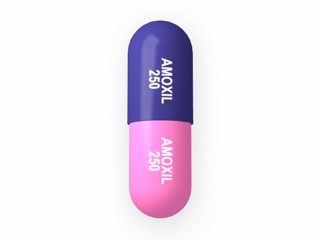
- Common strengths: Available in various oral formulations (e.g., tablets/capsules and liquid forms). Your pack will specify the exact strength.
- How it’s supplied: Typically available through pharmacy supply channels in Australia.
- Therapeutic class: Beta-lactam antibiotic (aminopenicillin)
How Amoxil works (mechanism of action)
Amoxicillin is a bactericidal antibiotic, meaning it kills susceptible bacteria. It works by interfering with the bacteria’s ability to build and maintain a strong cell wall.
- Amoxil targets penicillin-binding proteins (PBPs).
- This blocks cell wall synthesis.
- Without an intact cell wall, bacteria become unstable and die.
Key point: Amoxicillin is effective only against certain bacteria. Some bacteria produce enzymes (beta-lactamases) that can make amoxicillin less effective unless paired with a beta-lactamase inhibitor.
Pharmacokinetics (how the body handles amoxicillin)
Pharmacokinetics describes what the body does to the medicine—absorption, distribution, metabolism, and excretion.
| Stage | What typically happens with amoxicillin |
|---|---|
| Absorption | Amoxicillin is generally absorbed well after oral doses. Blood levels tend to rise after you take it, with peak levels often occurring a few hours after dosing (exact timing varies by formulation and individual factors). |
| Distribution | It spreads into many body tissues and fluids. It may reach effective levels in areas relevant to common infections (depending on the infection site and inflammation). |
| Metabolism | Only a small portion is metabolised. Most of the active drug remains available to fight bacteria. |
| Excretion | Amoxicillin is mainly cleared by the kidneys. Reduced kidney function may require dose or interval adjustments. |
Practical takeaway: Taking doses at the right times helps maintain effective antibiotic levels. If kidney function is reduced, your dosing schedule may need adjustment to lower side effects risk.
Typical uses of Amoxil
Amoxil is used for bacterial infections where it’s known (or strongly suspected) to be caused by susceptible organisms. Common indications may include:
- Ear, nose, and throat infections (e.g., some cases of bacterial middle ear infection or sinusitis)
- Throat infections caused by susceptible bacteria (e.g., streptococcal infections)
- Respiratory tract infections such as certain bacterial bronchitis or chest infections (depending on local guidance and severity)
- Dental infections (including some abscess-related infections where amoxicillin is appropriate)
- Skin and soft tissue infections (select cases)
- Urinary tract infections (in selected cases, depending on local resistance patterns and organism susceptibility)
Whether Amoxil is suitable depends on your symptoms, examination, and sometimes lab or culture results. In some situations, other antibiotics may be preferred.
When and how to take Amoxil (timing)
Follow the dosing instructions written on your medicine label and pharmacy advice. General principles for taking antibiotics include:
- Consistency matters: Try to take doses at evenly spaced times.
- Complete the course: Even if you feel better, finishing the prescribed treatment helps reduce the chance of relapse or resistance.
- Missed doses: If you miss a dose, take it when you remember unless it’s close to the next dose. Don’t take double doses.
Example scheduling (common approach): Many regimens use either two or three doses per day. The exact schedule depends on the infection and your individual factors.
Food interactions and what to eat
Amoxicillin can generally be taken with or without food.
- If your stomach feels upset after taking it, taking it with a meal or a snack may help.
- Taking it consistently in relation to meals may improve tolerability.
Tip: If you’re using an oral suspension (liquid), shake well and measure carefully with an appropriate dosing device.
Alcohol and medicine interactions
Alcohol
Moderate alcohol is not always strictly forbidden with amoxicillin, but it can worsen side effects such as nausea, dizziness, and diarrhoea. To support recovery, it’s generally best to avoid alcohol while you have an active infection and until you know how the medicine affects you.
Other important medicine interactions
Amoxicillin can interact with other medicines. Always inform your pharmacist or doctor about all medicines and supplements you use. Notable interaction considerations include:
- Oral anticoagulants (e.g., warfarin): Antibiotics may affect gut flora and clotting control in some people. Monitoring may be required.
- Probenecid: May reduce renal clearance of amoxicillin and increase levels.
- Allopurinol: In some people, increases the chance of rash when combined with amoxicillin.
- Oral contraceptives: Most guidance suggests antibiotics like amoxicillin do not reliably reduce effectiveness; however, vomiting or severe diarrhoea can. If you experience significant gastrointestinal upset, consider additional contraception.
- Other antibiotics/medicines affecting the microbiome: Overlapping antibiotics may change side effect profiles or effectiveness; avoid unnecessary combinations.
Allergic reactions: If you’ve ever had an allergic reaction to penicillins or cephalosporins, tell your pharmacist or clinician before using amoxicillin.
Indications (what infections Amoxil is for)
Amoxil is indicated for bacterial infections caused by susceptible organisms. Indications are guided by clinical assessment and local antimicrobial stewardship recommendations in Australia.
In practice, Amoxil may be considered for conditions such as:
- Strep throat and certain pharyngitis syndromes
- Some acute otitis media and sinusitis cases
- Selected dental and skin infections
- Some respiratory tract infections where bacterial causes are likely
- Some urinary infections based on likely bacteria and susceptibility
Not suitable for viral illness: If your symptoms are due to a virus, antibiotics will not help and can increase side effects.
Dosing guidance (general information)
Dosing depends on the infection type, severity, age, weight (especially in children), kidney function, and local recommendations.
Do not self-adjust doses. Use the dose on your label and seek advice if you’re unsure.
Adults
Adult dosing regimens vary (commonly two or three times daily). Your clinician’s instructions account for the specific infection and your medical history, including kidney function.
Children
In children, dose is often calculated using body weight. Liquid forms are commonly used for paediatric dosing, and correct measurement is essential.
Kidney impairment
Because amoxicillin is cleared mainly by the kidneys, people with impaired renal function may require different dosing intervals or reduced dose. A pharmacist can advise based on your medical history and the product label instructions.
Safety profile: what to expect and when to get help
Like all medicines, Amoxil can cause side effects. Many are mild and temporary, but some reactions require urgent care.
Common side effects
- Gastrointestinal upset (nausea, mild diarrhoea, stomach discomfort)
- Headache
- Skin rash (some rashes are mild; others may signal allergy)
- Vaginal yeast infection (in some people after antibiotics)
Serious side effects—seek urgent medical help
- Signs of severe allergy (anaphylaxis): swelling of face/lips, difficulty breathing, wheezing, fainting
- Severe skin reactions: blistering, peeling skin, painful sores in mouth/eyes
- Severe or persistent diarrhoea: especially if watery and frequent, with fever or blood/mucus (possible antibiotic-associated colitis)
- Yellowing of skin/eyes or dark urine (possible liver-related reaction)
Who should be extra cautious?
- People with a history of penicillin allergy
- Those with previous severe antibiotic-associated diarrhoea
- People with kidney impairment
- People taking medicines that affect clotting (e.g., warfarin)
Practical use tips (getting the best results)
- Start on time: Early appropriate treatment helps manage bacterial infections.
- Take with water: Use a full glass unless your label advises otherwise.
- Measure liquids accurately: Use the dosing syringe/cup provided or purchased for the purpose.
- Shake suspensions: Many liquid forms require shaking before each dose.
- Track improvements: If symptoms don’t improve after a reasonable time, contact a healthcare professional.
- Don’t share antibiotics: It’s unsafe and antibiotics vary by infection.
- Complete the course: Stopping early increases risk of recurrence.
Infection safety note: If you have severe symptoms (e.g., difficulty breathing, severe pain, high fever, rapidly worsening condition), seek urgent medical assessment.
Alternative options (when Amoxil may not be the best choice)
Alternatives depend on the infection, local resistance patterns, allergy status, and clinical severity. Options may include:
- Amoxicillin-clavulanate (for certain infections where beta-lactamase–producing bacteria are suspected)
- Other beta-lactam antibiotics (e.g., cephalosporins in some cases—only if appropriate and allergy risk is low)
- Macrolides (e.g., for certain penicillin-allergic situations or specific bacterial susceptibility patterns)
- Doxycycline or other agents (where suitable and guided by diagnosis)
Key point: The “best alternative” is not one-size-fits-all. Your clinician/pharmacist selects the safest and most effective option based on the likely bacteria and your health history.
Market and legal context for Australia (consumer-friendly overview)
In Australia, access to antibiotics is regulated to support safe use and reduce antibiotic resistance. Availability can vary by brand/formulation and by pharmacy supply procedures.
- Antibiotics are generally used under appropriate clinical guidance for bacterial infections.
- Pharmacists play a role in ensuring safe supply and checking for allergies and interactions.
- Antimicrobial stewardship initiatives encourage targeted antibiotic use and adherence to treatment.
Local guidance is informed by Australian public health priorities and clinical practice standards. If you have questions about whether a particular antibiotic is appropriate for your symptoms, a pharmacist can help you understand general principles and safer next steps.
Recent guidance and stewardship considerations
Across Australia, antimicrobial stewardship focuses on:
- Using antibiotics only when bacterial infection is likely
- Selecting narrow-spectrum options when appropriate
- Reassessing if symptoms do not improve
- Encouraging adherence (finishing the course as advised)
In some common conditions (such as certain respiratory or sinus infections), immediate antibiotic use may not always be recommended if symptoms suggest viral illness or if bacterial probability is low. This approach helps reduce side effects and resistance.
Delivery and availability (online pharmacy considerations)
Availability of Amoxil can depend on stock and formulation (e.g., tablets/capsules vs oral suspension). When purchasing online in Australia:
- Check the product form and strength before ordering.
- Confirm dosing suitability if you’re ordering for a child—liquid strength and measuring devices matter.
- Delivery timelines vary by location and courier service. Track your order after dispatch.
Storage: Follow the storage instructions on the pack. Many antibiotics should be stored at room temperature, and liquid suspensions may require refrigeration (check your label).
Do not use expired medicine. Expired antibiotics may be less effective and could increase side effects risk.
Frequently Asked Questions (FAQ)
1) What is Amoxil used for?
Amoxil (amoxicillin) is an antibiotic used for certain bacterial infections, such as some ear, throat, sinus, dental, skin, respiratory, and urinary infections where the bacteria are susceptible.
2) How long does it take to start working?
Many people begin to notice improvement within 24–48 hours of starting an effective antibiotic. If you are not improving after the expected timeframe—or if you worsen—contact a healthcare professional.
3) Should I take Amoxil with food?
Amoxil can usually be taken with or without food. If you experience nausea or stomach upset, taking it with a meal may be more comfortable.
4) Can I drink alcohol while taking amoxicillin?
Alcohol is not typically an absolute contraindication for amoxicillin, but it may worsen side effects like nausea and diarrhoea and delay recovery. It’s often best to avoid alcohol until you feel well.
5) What if I miss a dose?
Take it as soon as you remember, unless it’s close to your next dose. Do not take a double dose to make up for a missed one.
6) Can I stop early if I feel better?
It’s important to finish the full course as advised. Stopping early can allow surviving bacteria to multiply, potentially causing the infection to return.
7) What side effects are most common?
Common side effects include mild gastrointestinal symptoms (such as nausea or diarrhoea), headache, and occasional rash. If diarrhoea is severe or persistent, seek medical advice urgently.
8) What signs suggest an allergic reaction?
Seek urgent help if you develop swelling of the face/lips, trouble breathing, widespread hives, or severe skin reactions (blistering/peeling). Any history of penicillin allergy warrants caution.
9) Are there interactions with other medicines?
Yes. Important examples include warfarin, probenecid, allopurinol, and medicines affected by diarrhoea/vomiting. Tell your pharmacist about everything you take.
10) Are there alternatives to Amoxil?
Yes. Options depend on the infection and your health history and allergy status. Alternatives may include amoxicillin-clavulanate or other antibiotic classes, but selection should be guided by clinical advice and local resistance patterns.
11) Is Amoxil effective for viral infections like colds?
No. Antibiotics don’t treat viruses. If your symptoms suggest a viral illness, antibiotics won’t help and may cause harm through side effects.
12) How should liquid Amoxil be stored and used?
Use the measuring device provided, shake well before each dose, and store according to the label (some suspensions require refrigeration). Check expiry dates and discard any unused medicine past the recommended period.
When to seek medical advice
Contact a healthcare professional promptly if you experience:
- Signs of severe allergy or breathing difficulty
- Severe or persistent diarrhoea
- Symptoms that significantly worsen or do not improve within a few days
- Concerns about side effects, interactions, or dosing
If you’d like, you can also ask your pharmacist how Amoxil fits with your specific condition, age, and current medicines.