Ocuflox (Ofloxacin) – Patient Guide (Australia)
Ocuflox contains ofloxacin, an antibiotic medicine used to treat certain bacterial eye infections. This guide explains what Ocuflox is, how it works, how it’s typically used, and what to watch for while using it. It is written for a patient-friendly online pharmacy experience in Australia.
Note: Eye infections can sometimes worsen quickly or may not be bacterial. If symptoms are severe, worsening, or not improving, seek medical advice promptly.
1) Basic Product Information
- Medicine name: Ocuflox
- Active ingredient: Ofloxacin
- Medicine type: Antibiotic (fluoroquinolone class)
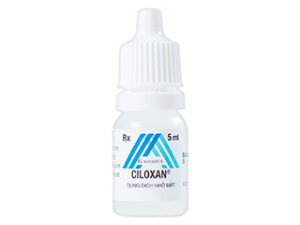
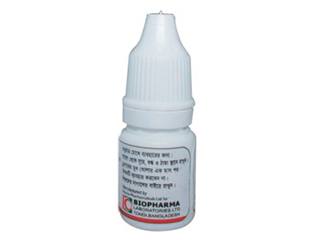
- Common formulation: Eye drops (ophthalmic solution) — strengths and pack details may vary by product presentation
- How it works: Kills or stops growth of susceptible bacteria
- Where it’s used: The eye (for specific bacterial infections)
Availability and product presentations can vary. If you’re unsure whether your specific Ocuflox product is suitable for your condition, check the label or consult a healthcare professional.
2) How Ocuflox Works (Mechanism of Action)
Ofloxacin belongs to the fluoroquinolone antibiotic family. It works by interfering with key bacterial enzymes required for DNA replication:
- DNA gyrase inhibition (and related enzymes)
- Prevents bacteria from copying their genetic material
- Leads to bacterial cell death or growth arrest
This targeted action helps treat infections caused by susceptible bacteria. Ocuflox does not treat infections caused by viruses (for example, some cold-related eye infections) or allergies.
3) Pharmacokinetics (What the Body Does to Ofloxacin)
Because Ocuflox is administered as eye drops, the drug’s effect is mainly local to the eye. After dosing:
- Absorption: Some ofloxacin may enter the bloodstream through the eye tissues and tear drainage system, but overall systemic exposure is usually low with topical eye use.
- Distribution: The medicine concentrates in the ocular tissues to help clear the infection.
- Elimination: Any drug that is absorbed is eventually cleared by the body (primarily via kidney pathways for many fluoroquinolones), though levels from eye drops are typically much lower than with oral medicines.
Your clinician may also consider individual factors (such as age, other medicines, kidney function, and severity of infection) when advising on treatment duration.
4) Typical Uses and Indications
Ocuflox is used for eye infections caused by bacteria that are sensitive to ofloxacin. Common indications may include:
- Bacterial conjunctivitis (when bacterial infection is suspected)
- Corneal infections (certain bacterial keratitis cases—use depends on assessment)
- Other bacterial eye infections as directed by a healthcare professional
Important: Correct diagnosis matters. Some eye conditions mimic bacterial infections (for example, viral conjunctivitis, allergic conjunctivitis, dry eye irritation, or foreign body). Using an antibiotic when it’s not needed can delay appropriate care.
5) When to Use It & Timing (Practical Schedule)
Dosage schedules for eye drops depend on the specific condition, severity, and your clinician’s instructions. As a general guide for many bacterial eye infections:
- Initial period: Drops are often used more frequently at the start (commonly every few hours while awake).
- Improvement period: Frequency is typically reduced as symptoms improve (only if advised).
- Completion: Continue for the full prescribed duration to reduce the chance of recurrence.
How to space doses: Try to keep a consistent gap between doses (for example, morning, midday, afternoon, evening, and bedtime if instructed). If you miss a dose, use it as soon as you remember unless it’s close to the next scheduled dose—then skip and continue your regular schedule.
Do not stop early just because you feel better, unless advised. Incomplete courses can allow remaining bacteria to regrow.
6) Dosing Information (General Guidance)
Dosing for Ocuflox eye drops may vary. Always follow the dosing schedule on your medicine label or the instructions provided by a healthcare professional.
Typical dosing patterns for ofloxacin ophthalmic drops often include:
- Adults: Often around one to two drops per affected eye, repeated several times daily depending on severity
- Children: Dosing should be determined by a clinician; schedules can differ from adults
If you are using multiple eye medicines: Separate administrations by at least 5–10 minutes (your pharmacist or doctor can confirm the exact timing). Use gels/ointments last unless instructed otherwise.
7) Food Interactions
Because Ocuflox is used in the eye, it is not usually expected to have meaningful interactions with food. There may be small systemic absorption, but there are typically no specific dietary restrictions required.
However, if you are also taking other oral medicines, it’s still important to discuss drug interactions with a pharmacist—especially if you take medications that affect immunity or have complex regimens.
8) Alcohol and Medicine Interactions
With topical eye use, significant alcohol interactions are unlikely. Still, consider the following practical points:
- Alcohol: Not generally expected to interact directly with eye drops.
- Other medicines: If you use multiple eye drops, thyroid or hormone treatments, or medicines that affect the immune system, it’s wise to confirm compatibility with your pharmacist.
- Systemic fluoroquinolone precautions: The risk profile is greatest with oral/injected fluoroquinolones. With eye drops, systemic exposure is lower, but patients with a history of adverse reactions to fluoroquinolones should inform their clinician.
Report concerns: If you notice unusual symptoms after starting Ocuflox—such as severe dizziness, fainting, rash, swelling, or breathing difficulties—seek urgent medical advice.
9) Safety Profile (What to Expect & When to Seek Help)
Most people tolerate Ocuflox well, but side effects can occur. The most common effects involve the eye.
Common or expected side effects
- Temporary stinging or burning after instillation
- Redness or mild irritation
- Tearing or watery eyes
- Dryness or gritty sensation
- Light sensitivity in some cases
Serious or urgent warning signs
Seek medical attention promptly if you experience any of the following:
- Severe pain in the eye
- Vision changes (blurred vision that does not quickly clear, loss of vision)
- Increasing redness or swelling
- Worsening discharge or symptoms that do not improve within the expected time
- Allergic reaction symptoms such as rash, hives, facial/lip swelling, or breathing difficulty
- Persistent irritation that continues beyond the first few doses
General precautions
- Contact lenses: Avoid contact lenses during treatment unless specifically advised. Lenses can trap bacteria and reduce drop delivery to the cornea.
- Eye contamination: Don’t touch the dropper tip to the eye or surrounding skin.
- Wearing eye protection: If your infection is related to trauma or occupational exposure, confirm whether additional protective steps are needed.
- Pregnancy and breastfeeding: Discuss with your clinician if pregnant or breastfeeding. Topical use typically has lower systemic exposure, but individual assessment is important.
- Children and infants: Use only under appropriate guidance.
10) Practical Use Tips (How to Apply Eye Drops Safely)
Correct technique helps medicine reach the eye and reduces contamination risks.
- Wash hands before and after use.
- Check the bottle: Ensure it’s the correct medicine and hasn’t expired.
- Position: Tilt your head back and look up.
- Pull down the lower eyelid to create a small “pocket.”
- Instill the prescribed number of drops without touching the tip to your eye.
- Close your eye gently and keep it closed for about 1–2 minutes.
- Optional: punctal occlusion (if advised): press lightly on the inner corner of the eye for about 1 minute to reduce drainage into the throat.
- Replace cap promptly and store as directed.
Do not:
- Do not share the bottle with others.
- Do not use contact lenses unless your clinician/pharmacist says it’s okay.
- Do not continue if the dropper becomes contaminated.
11) Alternative Options (If Not Suitable or Not Available)
Alternative treatments depend on the diagnosis and bacteria involved. Options your clinician might consider include:
- Other antibiotic eye drops (different classes)
- Antibiotic ointments for certain situations (often useful for nighttime coverage)
- Supportive treatment for non-bacterial causes (lubricating drops, antihistamines if allergic)
- Referral or further testing for keratitis, severe pain, or poor response
Switching medicines: Don’t change your treatment without medical or pharmacy guidance. If you’re not improving, it may indicate resistance, a non-bacterial cause, or a complication requiring urgent care.
12) Guidance for Australia: Market & Legal Context
In Australia, access to medicines is regulated and safety monitoring is governed by national frameworks. Eye antibiotic products are typically used in accordance with Australia’s medicines regulation and prescribing/dispensing standards.
- Consumer safety: Packaging, labelling, and directions for use are important to ensure correct dosing.
- Clinical assessment: Many eye infections require prompt evaluation if they are severe, associated with contact lens use, or involve the cornea.
- Antibiotic stewardship: Using antibiotics only when appropriate helps reduce resistance and protects long-term effectiveness.
Recent guidance (general): Clinical practice in Australia continues to emphasise careful diagnosis of eye infections and appropriate antibiotic selection based on likely organisms, severity, and local resistance patterns. Patients are advised to seek help if symptoms don’t improve quickly or if there are warning signs.
13) Delivery & Availability (Online Pharmacy in Australia)
Ocuflox availability may vary between brands, pack sizes, and supply regions. If ordering online:
- Product listing accuracy: Check that the product matches your intended formulation (eye drops) and strength.
- Stock status: Availability can change—if out of stock, your pharmacy may offer alternatives or restock updates.
- Delivery: Home delivery timeframes depend on your location and the pharmacy’s dispatch schedule.
- Cold chain: Eye drops usually don’t require refrigeration unless stated on the label.
If you need the medicine urgently (for example, significant symptoms), choose expedited delivery options if available and contact the pharmacy for confirmation.
14) Summary Table (Quick Reference)
| Topic | What to know about Ocuflox (Ofloxacin) |
|---|---|
| Type | Fluoroquinolone antibiotic eye drops |
| Used for | Bacterial eye infections where ofloxacin is appropriate |
| How it works | Inhibits bacterial DNA replication enzymes (kills/suppresses bacteria) |
| How it’s taken | Instill drops into the affected eye(s) at the scheduled times |
| Food interactions | No specific food interactions expected with eye drops |
| Alcohol | Direct interaction is unlikely with topical use |
| Common side effects | Stinging, redness, watering, irritation |
| Get urgent help if | Severe pain, vision changes, worsening symptoms, allergic reaction signs |
| Contact lenses | Avoid during treatment unless advised |
15) FAQ – Frequently Asked Questions
How long does it take for Ocuflox to start working?
Many people notice improvement within 24–48 hours. If your symptoms are not improving after a short period, or if they worsen, contact a healthcare professional urgently—especially if you wear contact lenses or have significant pain or light sensitivity.
Can I use Ocuflox for eye redness that isn’t infectious?
Ocuflox is an antibiotic and works against bacteria, not allergies or viruses. If redness is due to dryness, allergies, irritation, or viral causes, an antibiotic may not help. Consider assessment if you’re unsure.
Is it safe to wear contact lenses while using Ocuflox?
In most cases, it’s recommended to avoid contact lenses during infection and treatment. Lenses can trap germs and reduce effectiveness. Your pharmacist or doctor can advise when lenses can be resumed.
What should I do if I accidentally touch the dropper tip to my eye?
Stop and check for contamination. If the tip touched the eye or eyelids, replace the cap carefully and avoid further contact. If you notice worsening symptoms, consult your pharmacist/doctor. Do not share the bottle.
What if I miss a dose?
Use the missed dose as soon as you remember, unless it is close to the next scheduled dose. Then continue your normal schedule. Do not use extra drops to make up for a missed dose.
Can I drive after using Ocuflox?
Some people experience temporary blurring or irritation immediately after instilling drops. If your vision is not clear, wait until it improves before driving or using machinery.
Are there interactions with other eye drops?
Yes, interactions are mainly practical. If you use multiple eye medicines, separate doses by 5–10 minutes. Ointments are usually used last unless instructed otherwise.
When should I stop and get medical advice?
Don’t stop without guidance if you’re improving, but seek medical advice urgently if you develop severe pain, vision changes, rapid worsening, or signs of allergy.
Is Ocuflox suitable for children?
Children can be treated with ofloxacin eye drops in appropriate circumstances, but the schedule and suitability depend on age and diagnosis. Always follow the dosing instructions provided by a healthcare professional.
What are the most important safety precautions?
- Use only as directed
- Avoid contact lenses unless advised
- Don’t share the bottle
- Use good hand hygiene and correct drop technique
- Seek urgent care for severe pain or vision changes
16) Final Notes
Ocuflox (ofloxacin) is a fluoroquinolone antibiotic eye drop used for certain bacterial eye infections. With correct technique, consistent dosing, and attention to safety warning signs, many people recover well. If symptoms do not improve promptly, worsen, or involve severe pain or vision changes, it’s important to seek professional medical advice quickly.
Always read the product label for specific dosing instructions and storage recommendations. If you have questions about using Ocuflox with other medicines or about your specific eye symptoms, your pharmacist can help.