Norfloxacin
Norfloxacin is an oral antibiotic from the fluoroquinolone group used to treat certain bacterial infections, most commonly of the urinary tract. This page explains how norfloxacin works, how it is used, what to watch for, and practical tips to help you use it safely and effectively in Australia.
Important: Always follow the instructions provided with your medicine and seek medical advice if you have questions.
1) Basic product information
| Category | Details |
|---|---|
| Medicine name | Norfloxacin |
| Medicine type | Antibiotic (fluoroquinolone) |
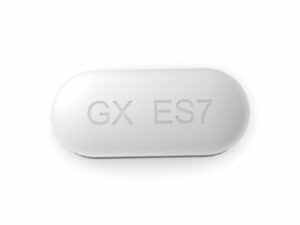
| Common form | Tablet for oral use |
| Typical targets | Bacteria causing urinary tract and other susceptible infections |
| Key risks | Tendon/nerve effects, heart rhythm effects (QT), severe allergic reactions, gastrointestinal effects, and other fluoroquinolone-related warnings |
Brand names and tablet strengths may vary. Your pharmacist can confirm the exact product you are purchasing and how to take it.
2) How norfloxacin works (mechanism of action)
Norfloxacin works by interfering with bacterial DNA replication. Specifically, it inhibits enzymes (DNA gyrase and topoisomerase IV) that bacteria need to multiply and repair their genetic material. By blocking these processes, norfloxacin helps stop the growth of susceptible bacteria and allows your immune system to clear the infection.
- Effectiveness depends on bacterial susceptibility: Not all bacteria respond to norfloxacin.
- Antibiotics treat bacterial infections: They do not treat viral illnesses such as colds or flu.
3) Pharmacokinetics (how your body handles it)
Pharmacokinetics describes how the body absorbs, distributes, metabolises, and eliminates a medicine. While exact values can vary, the key practical points for norfloxacin are:
- Absorption: Norfloxacin is taken by mouth and absorbed into the bloodstream.
- Distribution: It can reach certain body tissues and fluids, including urinary tract fluids.
- Excretion: A significant proportion is eliminated via the kidneys into urine, which is one reason it has been used for urinary tract infections.
- Half-life: The time it takes for the body level to reduce varies between individuals.
Your kidney function can affect how the medicine clears from your body. If you have reduced kidney function or are older, your clinician may adjust your regimen.
4) Typical uses (indications) and when it may be considered
Norfloxacin is used to treat infections caused by susceptible bacteria. In many regions, it is most commonly associated with urinary tract infections (UTIs). The exact choice of antibiotic depends on local resistance patterns, infection severity, and your individual risk factors.
Common indications
- Urinary tract infections (UTIs): Particularly uncomplicated infections where the causative bacteria are expected to be sensitive.
- Other bacterial infections: In some settings, it may be considered for other infections where susceptibility is expected and alternative options are unsuitable.
When it may not be the best choice
- If the likely bacteria are resistant to norfloxacin.
- If a different antibiotic is more appropriate for your infection type or site.
- If you have contraindications or increased risk for fluoroquinolone adverse effects (see Safety section).
If symptoms do not improve within the expected time, your clinician may reassess the diagnosis and consider urine testing or an alternative antibiotic.
5) Dosing: how it’s usually taken
Dosing should be based on your specific infection, severity, kidney function, and other medicines you take. Use the instructions on your medicine label or those provided by your healthcare professional.
General dosing principles
- Take at evenly spaced times: This helps maintain effective drug levels.
- Finish the full course: Even if you feel better, complete the prescribed duration to reduce relapse and resistance.
- Swallow with water: Use an adequate glass of water unless your pharmacist advises otherwise.
Common timing pattern (example)
Many regimens for norfloxacin are taken twice daily (about every 12 hours) for susceptible infections. However, dosing frequency and duration can differ by indication and local guidance.
Do not change your dose without medical advice.
If you miss a dose
- Take it as soon as you remember.
- If it is close to your next dose, skip the missed dose.
- Do not take a double dose to make up for a missed one.
If you frequently miss doses, set reminders and speak with your pharmacist for advice on a routine that fits your day.
6) Timing: managing dose schedules in everyday life
Most side effects and effectiveness depend partly on consistent timing. Try to:
- Choose two fixed times: For example, morning and evening.
- Keep a routine around meals: Many interactions occur with certain foods and supplements (see below).
- Plan around “buffer time” for minerals: Separate norfloxacin from products containing minerals like zinc, iron, magnesium, calcium by several hours unless your pharmacist advises otherwise.
7) Food interactions and what to avoid
Norfloxacin absorption may be affected by certain foods, drinks, and supplements, especially those containing minerals. Food can also influence how quickly the medicine is absorbed.
Common interaction points
- Mineral-containing supplements: Calcium, iron, magnesium, zinc, and some multivitamins can reduce absorption.
- Antacids and some ulcer medicines: Products containing aluminium, magnesium, or other buffering agents may interfere.
- Dairy and fortified drinks: Large amounts of dairy at the same time may affect absorption due to calcium content.
Practical approach: Take norfloxacin with water and try to avoid taking it at the same time as calcium/iron/magnesium/zinc products. Your pharmacist can recommend an exact separation interval based on the specific product.
Alcohol and hydration
While not always strictly prohibited, alcohol can worsen side effects such as dizziness or nausea and may affect dehydration. Staying well-hydrated is particularly important when you have a UTI.
8) Alcohol and medicine interactions
Alcohol does not usually have a single “hard stop” interaction with norfloxacin like some other medicines, but combining alcohol with antibiotics can increase the chance of uncomfortable side effects and may reduce your ability to recover comfortably.
Alcohol: practical advice
- Best option: Avoid alcohol while you’re unwell and taking norfloxacin.
- If you choose to drink: Keep it minimal, drink water, and stop if you feel unwell.
Medication interactions to watch for
Fluoroquinolones can interact with several medicine groups. It is important to tell your pharmacist about everything you take, including over-the-counter products and supplements.
- Mineral supplements/antacids: May reduce norfloxacin absorption (separate dosing as advised).
- Warfarin (and other blood thinners): Antibiotic use can affect bleeding risk in some patients.
- Corticosteroids (e.g., prednisone): May increase risk of tendon problems.
- QT-prolonging medicines: Some medicines that affect heart rhythm may increase risk of QT prolongation.
- Diabetes medicines (including insulin and sulfonylureas): Fluoroquinolones may rarely affect blood sugar.
- Non-steroidal anti-inflammatory drugs (NSAIDs): Some combinations may increase risk of nervous system side effects in susceptible individuals.
This is not an exhaustive list. Your pharmacist can perform a full interaction check for your specific medicines.
9) Safety profile: common side effects and serious warnings
Most people tolerate norfloxacin well, but it can cause side effects. Some reactions require urgent medical attention. If you experience severe symptoms, contact a healthcare professional immediately.
Common side effects
- Nausea
- Stomach discomfort or indigestion
- Diarrhoea
- Headache
- Dizziness or lightheadedness
- Changes in taste
Serious side effects (seek urgent medical help)
- Allergic reaction: swelling of face/lips, difficulty breathing, hives, or severe rash.
- Tendon injury: sudden pain, swelling, or inflammation in the Achilles tendon or other tendons, especially if you are taking corticosteroids or are older.
- Nerve symptoms: tingling, numbness, burning pain, or weakness (may indicate peripheral neuropathy).
- Severe or persistent diarrhoea: especially if watery or bloody, which may indicate antibiotic-associated colitis.
- Severe skin reactions: blistering, peeling, or widespread rash.
- Irregular heartbeat or fainting: possible heart rhythm concerns (QT prolongation).
- Seizures or severe agitation/confusion: seek immediate medical attention if these occur.
Who should be extra cautious
Risk can be higher in certain groups. Inform your healthcare professional if any apply:
- History of tendon disorders or tendon injury
- Use of corticosteroids
- Older age
- Known abnormal heart rhythm or risk of QT prolongation
- Kidney impairment
- Neurological conditions such as peripheral neuropathy
- Myasthenia gravis
If you notice tendon pain or nerve symptoms, stop taking the medicine and seek prompt medical advice (do not “wait it out”).
10) Practical use tips for better outcomes
- Hydrate well: Especially when treating a UTI, drinking adequate fluids can support recovery.
- Take with water: Swallow tablets whole with a full glass of water.
- Separate minerals and antacids: If you use calcium, iron, magnesium, zinc, multivitamins, or antacids, ask your pharmacist for exact timing.
- Protect yourself from sun: Some antibiotics can increase sensitivity; use sunscreen and cover up if outdoors for long periods.
- Monitor symptoms: Track fever, pain, urinary symptoms, and wellbeing. If symptoms worsen or do not improve, seek advice.
- Do not share antibiotics: Using them for the wrong infection can be harmful and promote resistance.
- Keep a list of your medicines: This helps the pharmacist check interactions quickly.
11) What to expect: symptom improvement and follow-up
Many bacterial UTIs start to improve within 24–48 hours after effective treatment. However, response varies depending on:
- the bacteria causing the infection
- how severe the infection is
- your immune system and any underlying health conditions
- whether the infection is complicated or involves the kidneys
If you do not feel better after a couple of days, or if you develop high fever, back/flank pain, vomiting, or feel very unwell, seek medical advice promptly, as this may suggest a more serious infection.
12) Alternative options
Alternative antibiotics may be considered depending on your infection type, local resistance patterns, culture results (if available), and your medical history. For UTIs, clinicians often consider other agents that may be more appropriate in certain circumstances.
Non-antibiotic supportive care may also be recommended, such as fluids and symptom management, but does not replace antibiotics when they are needed.
Possible alternative antibiotics (examples only)
- Nitrofurantoin
- Trimethoprim
- Trimethoprim-sulfamethoxazole
- Fosfomycin
- Amoxicillin-clavulanate or other beta-lactams (depending on susceptibility)
The “best” alternative depends heavily on susceptibility and safety considerations. Your pharmacist or prescriber can help select an option that balances effectiveness and risk.
13) Market and legal context for Australia
In Australia, the sale and supply of antibiotics is tightly regulated to support patient safety and reduce antimicrobial resistance. Medicines are classified under the Australian regulatory framework, and pharmacies must follow laws governing supply.
For antibiotics like norfloxacin, your ability to obtain the medicine online depends on compliance with Australian requirements (for example, verified patient information, appropriate clinical assessment workflow, and adherence to pharmacy and prescribing rules).
Public health guidance in Australia emphasises responsible antimicrobial use: antibiotics should be used only when needed and for the right duration to reduce the emergence of resistance.
14) Recent guidance and antimicrobial stewardship (what it means for you)
International and Australian antimicrobial stewardship efforts encourage “right antibiotic, right dose, right duration.” Fluoroquinolones have received particular scrutiny worldwide due to their risk profile. Guidance in many settings tends to:
- Use fluoroquinolones only when appropriate and when benefits outweigh risks.
- Consider local resistance patterns and patient risk factors.
- Prefer narrower-spectrum options when suitable.
- Encourage review if symptoms do not improve promptly.
If you are prescribed norfloxacin, it is because your clinician judged it to be an appropriate choice for your situation. Do not stop early unless you are advised to do so, and do report side effects promptly.
15) Delivery, availability, and packaging
Online pharmacies in Australia commonly offer delivery to eligible addresses. Availability may vary based on stock levels and regional demand. When ordering, check:
- Product strength and pack size: Confirm the tablet strength and number of tablets.
- Delivery timeframes: These may vary by location and courier service.
- Packaging: Medicines are typically supplied in manufacturer packaging or pharmacy packaging suitable for safe transport.
- Storage: Store as directed on the label (often at room temperature, away from moisture and heat).
If you need help confirming whether the medicine is suitable for your situation, contact your pharmacist. They can also advise on timing with your other medicines and supplements.
16) Storage and handling
- Keep tablets in their original packaging.
- Store at room temperature unless the label says otherwise.
- Protect from moisture and direct sunlight.
- Keep out of reach of children.
17) Frequently Asked Questions (FAQ)
How long does it take for norfloxacin to work?
Many people notice improvement within 24–48 hours if the infection is caused by susceptible bacteria. If symptoms are not improving after a couple of days, contact a healthcare professional for advice.
Can I take norfloxacin with food?
You may be able to take it with or without food depending on your specific product instructions. However, avoid taking it at the same time as mineral-containing products (calcium/iron/magnesium/zinc) or antacids unless directed.
Why should I separate dairy or supplements from norfloxacin?
Dairy and supplements can contain minerals that may reduce norfloxacin absorption, potentially lowering effectiveness. Separate dosing as advised by your pharmacist.
Is it safe to drive or operate machinery?
Some people experience dizziness or headache. Until you know how norfloxacin affects you, use caution when driving or operating machinery.
What should I do if I get diarrhoea while taking norfloxacin?
Mild diarrhoea can occur. Seek medical advice urgently if diarrhoea is severe, persistent, watery, or bloody, or if you have fever or severe abdominal pain, as this may require prompt treatment.
Can I drink alcohol while on norfloxacin?
It is generally best to avoid alcohol while recovering from an infection. If you choose to drink, limit alcohol and stay hydrated. Stop and seek advice if you feel unwell.
What medicines commonly interact with norfloxacin?
Key interactions can involve mineral supplements/antacids, blood thinners (e.g., warfarin), corticosteroids, medicines affecting heart rhythm, and some diabetes medicines. Tell your pharmacist about all medicines and supplements you use.
What are the red flags that mean I should stop and get help?
Seek urgent medical help for allergy symptoms (swelling, breathing difficulty), tendon pain or swelling, nerve symptoms (tingling/numbness), severe rash or blistering, severe diarrhoea, or signs of abnormal heart rhythm.
Are there alternatives if norfloxacin isn’t suitable?
Yes. Depending on the infection and your risk factors, other antibiotics may be considered. Your pharmacist or healthcare professional can suggest options based on susceptibility and your situation.
Is norfloxacin appropriate for every UTI?
Not necessarily. The best antibiotic depends on suspected or confirmed bacteria, kidney involvement, severity, and patient factors. If symptoms suggest kidney infection (e.g., fever and back pain), urgent medical assessment is important.
17) Summary
Norfloxacin is an oral fluoroquinolone antibiotic used to treat infections caused by susceptible bacteria, especially certain urinary tract infections. It works by blocking bacterial DNA replication. For safety and effectiveness, it’s important to:
- Take doses at consistent times and complete the course as directed.
- Separate norfloxacin from mineral-containing supplements and antacids.
- Be alert for serious side effects such as tendon injury, nerve symptoms, severe allergy, or severe diarrhoea.
- Ask your pharmacist to check interactions with your medicines and supplements.
If you have concerns about side effects, interactions, or whether norfloxacin is appropriate for your infection, speak with a pharmacist or healthcare professional.