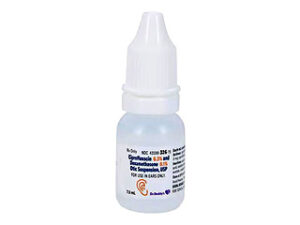
Ciloxan (Ciprofloxacin) – Patient-Friendly Information (Australia)
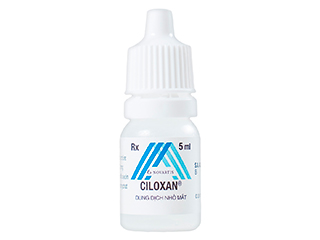
Ciloxan is a brand of ciprofloxacin, a medicine from the fluoroquinolone antibiotic group. It is used to treat certain bacterial eye (and ear) infections and helps control symptoms such as redness, pain, discharge, and eyelid sticking. This information is designed to be easy to understand and to help you use your medicine safely and effectively.
Note: Exact use depends on the product strength and whether it is an eye ointment, eye drops, or another formulation. Always follow the instructions supplied with your product and seek advice if you are unsure.
Quick Overview
- Active ingredient: Ciprofloxacin
- Medicine type: Antibiotic (fluoroquinolone)
- Common uses: Bacterial infections of the eye (and in some products, the ear)
- Available forms: Eye drops and eye ointment (brand/formulation may vary)
- How it works: Stops bacteria from making DNA, which they need to grow and multiply
- Typical course: Often several days, depending on the infection and product instructions
Basic Product Information
Ciloxan contains ciprofloxacin, an antibiotic that targets bacteria responsible for many eye infections. It is applied directly to the affected area as an ophthalmic preparation (eye drops or ointment). Because it is applied locally, it is designed to deliver medicine where it is needed most.
In Australia, brands and pack sizes can vary. Your pharmacist or prescriber can confirm the exact presentation you have.
What infections does it treat?
Ciloxan is intended for infections caused by susceptible bacteria. It does not treat viral infections (such as most cases of viral conjunctivitis) or fungal infections.
How Ciloxan Works (Mechanism of Action)
Ciprofloxacin works by interfering with key bacterial enzymes needed for DNA replication:
- DNA gyrase (topoisomerase II)
- Topoisomerase IV
By blocking these enzymes, ciprofloxacin prevents bacteria from copying their genetic material, leading to bacterial death and control of the infection.
Pharmacokinetics (How the Body Handles It)
For eye preparations, ciprofloxacin is applied locally. Only small amounts typically enter the bloodstream compared with medicines taken by mouth. However, some absorption can occur through the eye tissues and normal drainage pathways (e.g., via the tear duct).
Typical behaviour after ophthalmic use
- Local effect: High drug concentrations are achieved at the site of infection.
- Systemic absorption: Generally limited, though not zero.
- Metabolism & elimination: Any absorbed portion is handled by the body and eliminated mainly through the kidneys.
If you have kidney problems or need long-term or repeated courses, speak to a healthcare professional for individual advice.
Typical Uses in Australia
Ciloxan is used to treat susceptible bacterial infections affecting the eye (and some formulations may be indicated for ear infections). Common examples include:
- Bacterial conjunctivitis (when caused by susceptible bacteria)
- Blepharitis (bacterial infection around the eyelids)
- Corneal or ocular surface infections in appropriate cases
- Other bacterial eye infections where ciprofloxacin is the chosen antibiotic
Your clinician may advise testing or a specific antibiotic based on the suspected organism, severity, and risk factors. If symptoms do not improve, the diagnosis may need reassessment.
Indications (When Ciloxan Is Appropriate)
Ciloxan is intended for confirmed or strongly suspected bacterial infections of the eye where ciprofloxacin is suitable. It is not effective against viral or allergic causes.
Often appropriate when you have
- Thick or purulent discharge (yellow/green), especially with eyelids sticking on waking
- Localized eye discomfort and redness
- Infection risk factors such as contact lens use (this should be managed carefully and promptly)
Not appropriate for
- Viral conjunctivitis (often watery discharge, may start with a cold)
- Allergic conjunctivitis (itching is usually prominent)
- Fungal infections (may require different treatment)
- Eye pain with light sensitivity or vision changes that may indicate a more serious condition—this needs urgent assessment
Dosing & Timing (General Guidance)
Dosing depends on the specific formulation (drops vs ointment) and the severity of the infection. Use the instructions provided with your product or by your healthcare professional.
The guidance below is general and may not match your exact plan.
Typical timing for eye infections
- Eye drops: often applied multiple times daily, with schedules that can vary based on severity.
- Eye ointment: often applied less frequently than drops and may be used at night to improve comfort and coverage.
Practical tip: If you miss a dose, apply it when you remember unless it is close to the next dose. Do not double up.
Example routine (for illustration)
Many regimens for bacterial eye infections are structured around waking, mid-day, evening, and bedtime. Your pharmacist can help map your doses to a daily routine.
How to Use Ciloxan Safely (Practical Use Tips)
Before you start
- Wash your hands thoroughly.
- Remove contact lenses before applying the medicine (and do not wear them until you are advised it is safe).
- If another eye product is being used (e.g., lubricating drops), separate applications by at least 10 minutes.
Using eye drops
- Gently pull down the lower eyelid to create a small pocket.
- Hold the dropper above the eye without touching the eye or eyelids.
- Apply the prescribed number of drops into the pocket.
- Close your eye gently for about 1–2 minutes to allow the medicine to spread.
- Wipe away any excess with clean tissue.
Using eye ointment
- Wash hands and pull down the lower eyelid.
- Apply a small strip of ointment into the pocket.
- Close the eye gently and keep it closed briefly.
- Expect temporary blurred vision—ointment can last longer and may be best used before bed.
Reduce drainage to the nose (optional technique)
Some people find it helpful to gently press the inner corner of the eye (near the nose) for about 1 minute after applying drops. This may reduce medicine draining into the tear duct.
Food Interactions
Ciloxan is typically used as an eye preparation, so food interactions are generally not a concern. There is usually minimal systemic exposure compared with medicines swallowed by mouth.
Still, if you are taking other antibiotics or medicines and have concerns, ask your pharmacist to review possible interactions.
Alcohol and Medicine Interactions
Alcohol
With topical ophthalmic use, significant alcohol interactions are unlikely. However, alcohol can worsen dehydration and may irritate eyes for some people. If you feel unwell or your infection is severe, it’s best to avoid excess alcohol and prioritise rest and fluids.
Other medicines
Because systemic absorption from eye preparations is usually low, interactions are less common than with oral ciprofloxacin. Nevertheless, interactions can occur if you are sensitive, using multiple products, or if a larger amount is absorbed.
Medicines to mention to your pharmacist/doctor
- Other antibiotics (to avoid unnecessary duplication)
- Medicines that affect the heart rhythm (fluoroquinolones can, in oral forms, influence QT interval in some situations)
- Anti-inflammatories and other medicines you take regularly
- Blood thinners (oral ciprofloxacin can interact with warfarin; discuss any anticoagulant use)
- Eye medicines you use alongside Ciloxan (separation by time may be needed)
Always provide a full list of medications and supplements when seeking advice.
Safety Profile: Side Effects & Warnings
Common mild side effects
- Temporary stinging or burning after applying drops
- Blurred vision (more likely with ointment)
- Redness or mild irritation
- Watery eyes or mild discomfort
- Unusual taste for a short time (from drainage into the throat)
Less common but important side effects
- Allergic reactions (e.g., swelling, rash, severe itching)
- Worsening eye pain rather than improvement
- Light sensitivity or new vision changes
- Severe redness or swelling of eyelids
Seek urgent medical help if
Go to urgent care/emergency services or contact a healthcare professional promptly if you have:
- Severe eye pain
- Vision changes (reduced vision, halos, or persistent blurring)
- Marked light sensitivity
- Failure to improve within a few days or symptoms that rapidly worsen
- Eye injury or contact lens–related infection with significant pain/redness
Who Should Be Extra Careful?
- People with a history of fluoroquinolone sensitivity or severe allergy to similar antibiotics
- Contact lens users with painful red eyes (may need urgent evaluation)
- Those with eye surface disease (e.g., corneal conditions) who may require more careful monitoring
- Pregnancy or breastfeeding: discuss use with a healthcare professional for personalised advice
- Children: dosing and suitability may differ—follow professional instructions
How Long Should You Use Ciloxan?
Antibiotic eye infections typically improve within a few days, but the full course is often needed to ensure successful treatment. Avoid stopping early unless a healthcare professional advises you to.
If there is no improvement after 48–72 hours, or if symptoms worsen at any time, you should seek further assessment. The cause may not be bacterial, the bacteria may be resistant, or another eye condition may be present.
Alternative Options (What Else May Be Used)
Alternatives depend on the suspected organism, severity, patient factors, and local prescribing practices. Some options that clinicians may consider include:
Other antibiotic eye options
- Other fluoroquinolones (different agents within the same antibiotic class)
- Broad-spectrum antibiotics in eye drop/ointment form
- Targeted antibiotics depending on local resistance patterns
Non-antibiotic supportive care (when appropriate)
- Lubricating/artificial tears to reduce irritation
- Warm compresses for eyelid inflammation when recommended
- Hygiene measures such as gentle eyelid cleaning
If allergy is suspected (e.g., itching predominates, watery discharge), a non-antibiotic approach may be more appropriate.
Market and Legal Context in Australia
In Australia, supply of medicines—including eye antibiotics—must follow Australian regulatory and pharmacy requirements. Availability can vary depending on formulation, strength, and how the medicine is classified within the Australian regulatory framework.
Online pharmacies in Australia typically provide medicines in accordance with applicable laws and verification processes. If you’re unsure whether a specific item is suitable for your situation, speak to a pharmacist.
Important local notes
- Use only products intended for ophthalmic use.
- Avoid sharing eye medications with others.
- Dispose of opened products responsibly when no longer needed.
Recent Guidance and Stewardship (What to Know)
Antibiotic stewardship aims to reduce unnecessary antibiotic use and resistance. Eye conditions can look similar even when the cause differs. As a result, healthcare providers may encourage:
- Careful assessment of whether symptoms are bacterial vs viral/allergic
- Appropriate choice of antibiotic based on risk factors (e.g., contact lens use)
- Adherence to the recommended dosing schedule
- Review if symptoms do not improve promptly
Always use antibiotics as directed and seek advice if the situation does not improve.
Delivery & Availability (Online Pharmacy)
Ciloxan is commonly available through pharmacies and may also be supplied via online retailers that deliver within Australia. Availability can depend on supply and formulation (drops vs ointment).
What to expect when ordering online
- Stock availability: Some strengths or pack types may sell out temporarily.
- Delivery timelines: Depend on your location and the retailer’s courier service.
- Packaging: Typically protected to reduce damage to bottles/tubes.
If you have urgent eye symptoms, consider contacting a pharmacist for guidance on suitable options and timing.
Storage and Handling
- Store as directed on the label. Many eye preparations can be stored at controlled room temperature, but follow the pack instructions.
- Keep the container tightly closed after use.
- Avoid contamination: Do not touch the dropper/ointment tip to the eye or eyelids.
- Check expiry date before use.
If the product changes colour, becomes cloudy, or appears damaged, do not use it—ask your pharmacist.
Driving, Glasses, and Contact Lenses
- Driving: Eye ointment can cause blurred vision. Avoid driving if your vision is not clear.
- Contact lenses: Do not wear contacts during infection and until your eye has fully recovered and you have been advised it is safe.
- Cosmetics: Avoid eye makeup while infected to reduce irritation and contamination.
Dosing Schedule Summary (Example Template)
The schedule below is a general example only. Use your actual label instructions.
| Time of day | Action (example) | Notes |
|---|---|---|
| Morning | Apply prescribed dose | Wash hands first; avoid touching the tip to the eye |
| Mid-day | Apply prescribed dose | Keep timing consistent for best effect |
| Evening | Apply prescribed dose | If using ointment, it may be used here or at bedtime |
| Bedtime | Apply prescribed dose (often ointment) | Expect temporary blurred vision with ointment |
Alcohol & Medicine Interactions Checklist
Use this checklist before starting your course:
- Tell your pharmacist if you take medicines regularly (especially blood thinners or medicines affecting heart rhythm).
- Be cautious with alcohol if you feel unwell or your eyes are very irritated.
- Separate eye products by at least 10 minutes if using other eye drops.
- Do not use expired products.
FAQ – Frequently Asked Questions
1) What is Ciloxan used for?
Ciloxan (ciprofloxacin) is an antibiotic used to treat certain bacterial eye infections. It may reduce redness, discharge, and discomfort when bacteria are the cause.
2) How soon will I feel better?
Many people notice improvement within 1–3 days. If there is no improvement within 48–72 hours, or symptoms worsen, seek further advice—your infection may not be bacterial or may need a different treatment.
3) Can I use Ciloxan for viral conjunctivitis?
Ciloxan works against bacteria, not viruses. If your conjunctivitis is viral, antibiotics typically won’t help. A healthcare professional can advise based on your symptoms and risk factors.
4) Are there any food interactions?
Because Ciloxan is usually used as an eye preparation, food interactions are generally not a concern. There’s no typical need to change your diet due to using eye drops or ointment.
5) Can I wear contact lenses?
Avoid contact lenses during an eye infection and until you have been advised it is safe to restart. If you use contacts and have a painful red eye, get prompt medical advice.
6) What if I accidentally touch the tip to my eye?
If the tip touches your eye or eyelids, try to avoid further contamination. Keep using only as directed and talk to your pharmacist if you’re concerned about contamination.
7) What if I miss a dose?
Use it as soon as you remember unless it’s almost time for the next dose. Do not apply extra to “catch up.”
8) Will it affect my driving?
Eye ointment can cause temporary blurred vision. Avoid driving or operating machinery if your vision is not clear.
9) Are there serious side effects?
Most people experience mild, temporary irritation. However, seek urgent help if you develop severe pain, vision changes, marked light sensitivity, or signs of allergy (swelling, severe rash, breathing difficulty).
10) What are common alternatives if ciprofloxacin isn’t suitable?
Alternatives depend on the cause and severity. Clinicians may choose other antibiotic eye options, or supportive care if the condition is not bacterial. A pharmacist can help discuss options appropriate to your situation.
11) How should I store Ciloxan?
Store according to the label instructions. Keep the container closed and avoid contamination by not touching the dropper tip or ointment tube to the eye.
12) Can I drink alcohol while using Ciloxan?
Significant interactions are unlikely with ophthalmic use, but alcohol may worsen irritation. If you feel unwell, it’s best to limit alcohol and rest.
When to Seek Help Immediately
Get urgent medical advice if you have any of the following:
- Severe eye pain
- Vision changes or worsening blur
- Significant light sensitivity
- Injury to the eye
- Contact lens–related infection with redness and pain
- Symptoms rapidly worsening despite using the medicine
Your eyes are delicate—early assessment can prevent complications.
Disclaimer: This page provides general information about Ciloxan (ciprofloxacin) for education and support. Individual treatment depends on your specific condition, the formulation you have, and your healthcare professional’s advice.