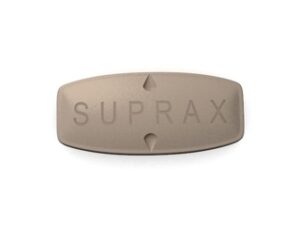
Cefixime (Cefixime Capsules/Tablets) — Patient Information (Australia)
Cefixime is an antibiotic medicine used to treat certain bacterial infections. This page explains what cefixime is, how it works, how it’s taken, common side effects, and practical tips to help you use it safely. If you have questions about whether cefixime is suitable for you, speak with a healthcare professional.
Key product information
| Item | What it means |
|---|---|
| Generic name | Cefixime |
| Medicine type | Cephalosporin (beta-lactam) antibiotic |
| How it’s taken | Usually by mouth (tablets/capsules/suspension depending on brand) |
| Common dosing frequency | Often once or twice daily depending on the infection and strength |
| Typical treatment length | Varies by infection (commonly 5–10 days) |
| Best for | Bacterial infections susceptible to cefixime |
In Australia, cefixime products are used under clinical guidance for appropriate infections. Availability and brand presentation can vary by supplier and formulation strength.
How cefixime works (mechanism of action)
Cefixime belongs to the cephalosporin class of antibiotics. It works by interfering with the bacteria’s ability to build and maintain their cell walls.
- Cefixime binds to specific penicillin-binding proteins (PBPs).
- This blocks the final steps of cell wall synthesis.
- As a result, susceptible bacteria become unable to grow and multiply, and the bacterial population decreases.
Antibiotics like cefixime treat infections caused by bacteria. They do not treat viral illnesses such as colds or influenza.
Pharmacokinetics: how your body handles cefixime
Understanding how cefixime moves through the body can help you take it correctly. Pharmacokinetics describes absorption, distribution, metabolism, and excretion.
- Absorption: Cefixime is generally absorbed from the gastrointestinal tract. Food can affect absorption rate, but it is usually tolerated well.
- Peak levels: Peak blood levels typically occur a few hours after dosing.
- Distribution: Cefixime reaches several body tissues and fluids, including areas relevant to common infections it’s used for.
- Elimination: It is mainly eliminated by the kidneys (urine). Kidney function can influence how quickly cefixime leaves the body.
- Half-life: The drug’s effective duration depends on kidney function and dosing frequency.
If you have impaired kidney function, your prescriber or pharmacist may recommend a different dose or schedule.
What cefixime is used for (typical use & indications)
Cefixime is used for infections where the likely cause is susceptible bacteria. The exact choice of antibiotic depends on the infection, local resistance patterns, your medical history, and sometimes culture or testing results.
Common indications may include:
- Urinary tract infections (UTIs) such as uncomplicated cystitis (where appropriate).
- Respiratory tract infections caused by susceptible organisms (e.g., certain cases of sinusitis or bronchitis).
- Ear, nose, and throat infections where bacteria are susceptible to cefixime (under clinical guidance).
- Some sexually transmitted infections in particular circumstances where cefixime is indicated and recommended by guidelines.
Note: The specific antibiotic choice for a given infection can vary. If you’re unsure why cefixime was chosen, ask your healthcare professional.
When to take cefixime (timing and how to schedule doses)
Many cefixime regimens are designed so the antibiotic level stays within a helpful range through the day. Follow the instructions provided with your medicine.
- Once daily dosing: Take at the same time each day if prescribed once daily.
- Twice daily dosing: Space doses about 12 hours apart (for example, morning and evening).
- Try to be consistent: Consistent timing can support steady antibacterial activity.
Missing a dose: If you miss a dose, take it when you remember unless it’s close to your next scheduled dose. Do not take a double dose to make up for a missed one.
Food interactions: can you take cefixime with meals?
Cefixime can usually be taken with or without food. Food may change how quickly cefixime is absorbed (often slowing the rate), but overall absorption is generally acceptable.
- If you experience stomach upset, taking cefixime with food may help.
- If you are using a suspension, shake well and follow preparation instructions closely.
Alcohol interactions
Cefixime is not known for a direct “disulfiram-like” reaction with alcohol in the way some other medicines are. However, drinking alcohol while you are unwell can worsen dehydration, sleep disruption, and recovery time.
- For best outcomes, consider avoiding alcohol while you complete your antibiotic course.
- If you do drink, do so moderately and remain hydrated.
Medicine interactions: important drug interactions to know
Some medicines can affect how cefixime works or how cefixime is processed by the body. Tell your pharmacist or doctor about all medicines you use, including non-prescription products and supplements.
Common interaction considerations include:
- Kidney-related medicines: Because cefixime is mainly eliminated by the kidneys, medicines that affect kidney function may increase risk of side effects in susceptible people.
- Anticoagulants (blood thinners) such as warfarin: Antibiotics can sometimes alter gut bacteria and influence clotting stability. Monitoring may be needed.
- Probenecid: Can affect the excretion of some antibiotics and may change levels.
- Other antibiotics or switching therapies: Combining antibiotics may not always be beneficial and should be clinician-directed.
- Oral contraceptives: Some antibiotics can reduce contraceptive effectiveness via altered gut flora, though the risk varies. If you’re taking hormonal contraception, ask your pharmacist for specific advice during antibiotic treatment.
This list is not exhaustive. If you want, provide your medicine names and your pharmacist can check interaction risk.
Dosing: how cefixime is commonly prescribed
Dosing depends on the type of infection, severity, age, and kidney function. Different formulations may have different strengths. Always follow the instructions supplied with your specific cefixime product.
Typical adult dosing patterns (general guidance):
- Often once daily or twice daily regimens are used, depending on the infection and strength available.
- Total daily dose may be adjusted for kidney impairment.
Paediatric dosing:
- In children, cefixime dose is usually calculated based on body weight and may depend on the infection.
- Follow the dosing device and preparation instructions carefully if using a suspension.
Course length: Complete the full course even if you feel better early, unless a clinician instructs otherwise. Stopping early can contribute to treatment failure and antibiotic resistance.
Safety profile: side effects and when to get help
Like all medicines, cefixime can cause side effects. Most are mild and resolve after treatment ends, but some require medical attention.
Common side effects
- Diarrhoea (most common)
- Nausea or mild stomach upset
- Headache
- Abdominal discomfort
- Rash or mild skin reactions (less common)
Less common but serious side effects — seek medical advice urgently
- Signs of an allergic reaction: swelling of the face/lips, hives, wheezing, difficulty breathing, or sudden severe rash.
- Severe or persistent diarrhoea, especially if watery, contains blood, or comes with fever/cramps. This can indicate a more serious bowel condition that needs prompt assessment.
- Yellowing of the skin/eyes (jaundice), dark urine, or marked fatigue (possible liver-related effects).
- Unusual bruising or bleeding, severe weakness, or signs of blood count changes.
Who should be extra cautious?
- People with a history of allergy to cephalosporins or severe reactions to beta-lactam antibiotics.
- People with kidney impairment (may require dose adjustment).
- People with a history of antibiotic-associated colitis or severe diarrhoea after antibiotics.
- Pregnant or breastfeeding individuals should discuss suitability with a healthcare professional.
Practical use tips (how to get the best results)
- Take it at the right times: Use phone alarms or a medication organiser to maintain schedule.
- Finish the course: Even if symptoms improve, complete the prescribed duration.
- Hydration helps: Drink fluids, especially if you develop mild GI upset.
- Monitor symptoms: If symptoms do not improve after a reasonable time (often 48–72 hours), contact a healthcare professional.
- Don’t share antibiotics: Cefixime is prescribed for specific infections and may not be appropriate for others.
- Be prepared for GI effects: Many people experience mild diarrhoea; seek advice if it becomes severe.
If you’re using cefixime suspension for children or if your brand is a liquid formulation: follow reconstitution instructions carefully, shake well, and store according to label directions.
Alternative options: what else might be used
The “best” antibiotic depends on the infection site, suspected or confirmed bacteria, resistance patterns, patient allergies, and other factors. Your clinician may consider alternatives such as:
- Other oral cephalosporins (depending on the organism and local guidelines)
- Penicillins or amoxicillin-based options where appropriate
- Macrolides (for some respiratory infections or penicillin-allergic patients)
- Tetracyclines or other targeted agents in specific circumstances
- Different routes (for severe infection, hospital care may be needed)
If cefixime isn’t suitable—because of allergy, resistance, or side effects—your healthcare professional can recommend an alternative approach.
Market and legal context for Australia
In Australia, antibiotics are regulated medicines. Availability through reputable channels helps ensure correct supply, appropriate product identification, and patient safety information. Requirements for supply may include eligibility checks and medical screening processes depending on the product and jurisdiction.
Antibiotic stewardship: Australia has a strong focus on appropriate antibiotic use to help slow antibiotic resistance. This includes prescribing antibiotics only when they are likely to help, selecting the narrowest effective agent, and completing the course as directed.
Recent guidance and responsible antibiotic use (Australia)
Guidance for antibiotic prescribing and use in Australia commonly emphasises:
- Confirming likely bacterial cause where possible (clinical assessment, testing when appropriate).
- Choosing recommended agents based on local resistance patterns.
- Using the shortest effective duration to reduce side effects and resistance risk.
- Encouraging adherence so symptoms resolve and treatment succeeds.
- Reviewing promptly if symptoms do not improve or worsen.
If you’re unsure whether your symptoms are likely bacterial, or whether cefixime is the right match, speak with a healthcare professional.
Delivery and availability (online pharmacy information)
Availability of cefixime products can vary by strength and formulation (for example, capsules, tablets, or suspension). When purchasing online, ensure the product:
- Matches the requested strength and dosage form
- Has clear expiry information
- Includes correct storage instructions
- Is supplied by a reputable Australian pharmacy or approved supplier
Delivery times can differ depending on your location within Australia and stock availability. Most online pharmacies provide tracking and updates during dispatch. If you need it urgently, check the estimated delivery window at checkout.
If you have questions about stock, substitutions, or prescription-like documentation requirements for supply, contact customer support for assistance.
FAQ about cefixime
1) Does cefixime work for all infections?
No. Cefixime only treats infections caused by bacteria that are susceptible to it. It does not treat viral infections such as colds or influenza. If symptoms are unclear, get medical advice.
2) How quickly should I feel better?
Many people begin to notice improvement within 48–72 hours. If you don’t improve, or if symptoms worsen, contact a healthcare professional for reassessment.
3) Can I take cefixime with food?
Yes, cefixime can usually be taken with or without food. If it upsets your stomach, taking it with a meal may help.
4) What should I do if I miss a dose?
Take the missed dose as soon as you remember, unless it’s close to the next dose. Do not take a double dose.
5) Is diarrhoea a normal side effect?
Mild diarrhoea can occur with antibiotics. Seek urgent medical advice if diarrhoea is severe, persistent, watery, bloody, or accompanied by fever or significant abdominal pain.
6) Can I drink alcohol while taking cefixime?
There is no common direct interaction that “forces” an adverse reaction with alcohol, but alcohol can interfere with recovery. For best results, avoid or limit alcohol while you’re unwell and completing your course.
7) Are there people who shouldn’t take cefixime?
People with a history of serious allergy to cephalosporins or other beta-lactam antibiotics should avoid cefixime unless specifically advised by a healthcare professional. Kidney impairment may also require dose adjustment.
8) What if I’m pregnant or breastfeeding?
Cefixime may be used when clinically appropriate, but the decision depends on the specific situation. Discuss your circumstances with a healthcare professional.
9) Does cefixime interact with birth control pills?
Antibiotic effects on hormonal contraception vary. To be safe, ask your pharmacist for advice about whether you should use backup contraception during antibiotic treatment.
10) What should I do if I think I’m having an allergic reaction?
Seek urgent medical help if you develop hives, swelling of the face/lips, wheezing, or trouble breathing. Stop taking the medicine and get immediate assistance.
Important: This information is for general education. Individual suitability, dosing, and safety depend on your health history and the infection being treated. Always follow the instructions provided with your cefixime product and seek medical advice for questions or concerns.