Cymbalta (Duloxetine) – Patient-Friendly Guide (Australia)
Cymbalta is a medicine containing duloxetine, commonly used to treat certain pain conditions and mood-related disorders. This guide explains how Cymbalta works, how it is typically used, what to expect, and important safety information—written for everyday understanding.
If you have questions about your specific condition or how to take your medicine, speak with a doctor or pharmacist. Always follow the advice given to you.
1) Basic product information
- Active ingredient: Duloxetine
- Brand: Cymbalta
- Type: SNRI (serotonin–norepinephrine reuptake inhibitor)
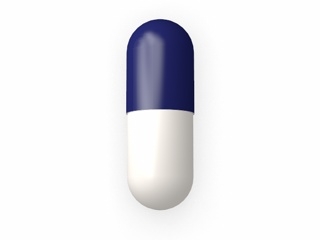
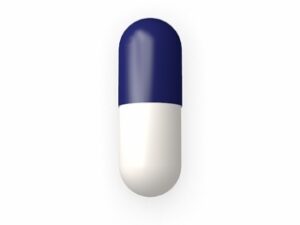
- Common forms: Delayed-release capsules (strengths may vary)
- Medicinal class: Antidepressant and pain-modulating medicine
- Use in Australia: Available through Australian medicine supply channels; availability and listing may vary by treatment criteria and jurisdiction
Strengths and dosing schedules depend on the condition being treated and your individual response. Your pharmacist can confirm the specific pack you have.
2) How Cymbalta works (mechanism of action)
Duloxetine (the medicine in Cymbalta) is an SNRI. It helps increase the levels of two key chemical messengers in the brain and spinal cord: serotonin and norepinephrine.
By slowing reuptake of these neurotransmitters, Cymbalta may:
- Support mood by affecting serotonin and norepinephrine signalling in mood pathways.
- Reduce pain by enhancing descending inhibitory pathways—signals that help “turn down” pain perception.
- Improve certain types of nerve pain and other persistent pain syndromes by acting on central (brain/spinal) pain processing.
Importantly, pain relief and mood improvement may not occur at exactly the same speed. Many people notice benefits gradually over days to weeks.
3) Pharmacokinetics (what the body does with Cymbalta)
Pharmacokinetics describes how the body absorbs, distributes, metabolises, and eliminates duloxetine.
- Absorption: Cymbalta capsules are designed to release duloxetine in a controlled manner. Absorption can be influenced by food (see “Food interactions” below).
- Distribution: Duloxetine is widely distributed in the body and binds substantially to plasma proteins.
- Metabolism: Duloxetine is mainly metabolised in the liver by enzyme systems (including CYP pathways).
- Elimination: Metabolites are removed primarily through the kidneys (urine).
- Half-life: Duloxetine has an intermediate elimination half-life, which is one reason it is commonly taken once or twice daily depending on the dose plan.
People with liver impairment or certain kidney conditions may have higher duloxetine levels. Dose adjustment and careful monitoring may be needed.
4) Typical uses in Australia (indications)
Cymbalta may be used for a range of conditions. Common indications include:
- Depression (major depressive disorder).
- Generalised anxiety disorder (GAD).
- Diabetic peripheral neuropathy (nerve pain related to diabetes).
- Chronic musculoskeletal pain such as chronic low back pain and certain types of chronic pain syndromes.
- Fibromyalgia (in some treatment guidelines and contexts).
- Chronic pain associated with other conditions where an SNRI is considered appropriate.
Which conditions are appropriate for you depends on your health history, current symptoms, and what other treatments have (or have not) worked for you.
5) When and how to take Cymbalta (timing and practical approach)
Timing
Cymbalta is usually taken once daily or twice daily depending on your dose and condition. Some people prefer consistent timing each day to reduce missed doses.
- If you take it once daily: choose a time you can reliably remember. Some people take it in the morning; others take it in the evening depending on how they feel (e.g., sleep effects).
- If twice daily: space doses evenly across the day (for example, morning and evening).
How to take the capsules
- Swallow whole with water.
- Do not crush, open, or chew capsules (they are designed for controlled release).
- You can take it with or without food, but food affects absorption (see below).
If you miss a dose, take it when you remember unless it is close to the time for your next dose. Do not double up to make up for a missed dose.
6) Food interactions (what to know about meals)
Food can influence duloxetine absorption. In general, taking Cymbalta with food may help reduce gastrointestinal side effects for some people.
- With food: may improve tolerability and can affect how quickly duloxetine levels rise.
- Without food: some people may experience nausea or stomach upset more easily.
A practical approach is to take Cymbalta consistently the same way each day—either always with a meal or always on an empty stomach—unless your prescriber/pharmacist advises otherwise.
7) Alcohol and medicine interactions
Alcohol
It is generally recommended to avoid or limit alcohol while taking duloxetine. Reasons include:
- Increased sedation or impaired judgement.
- Higher risk of dizziness or falls.
- Potential liver strain—duloxetine is metabolised in the liver, and alcohol can add stress to liver function.
If you use alcohol regularly, discuss this with a pharmacist or doctor before continuing or starting Cymbalta.
Common medicine interactions
Duloxetine can interact with other medicines, sometimes increasing side effects or changing duloxetine levels. Always review your full list of medicines, including over-the-counter products and supplements.
Examples of medicines that may interact:
- Other antidepressants (risk of serotonin-related side effects).
- MAO inhibitors (a strict interaction—avoid combination).
- Serotonergic medicines (some migraine treatments, certain cough medicines containing dextromethorphan, tramadol, or other agents that affect serotonin signalling).
- Tramadol and other pain medicines (may increase risk of side effects and serotonin-related reactions in some people).
- NSAIDs (e.g., ibuprofen, naproxen) and anticoagulants/antiplatelets (may increase bleeding risk for some individuals).
- Medicines affecting liver enzymes (can raise or lower duloxetine levels).
- Some antibiotics/antifungals and anticonvulsants that influence metabolism.
If you are unsure whether a medicine is compatible, ask your pharmacist. Interaction management is especially important if you take multiple medicines or have liver/kidney conditions.
8) Dosing (general guidance)
Dosing depends on the condition being treated, your age, and how you respond. Your clinician will tailor the dose and schedule to you.
| Condition (examples) | Typical approach | Why dose may change |
|---|---|---|
| Depression | Often starts at a lower dose and may be increased based on response and tolerability. | To balance symptom relief with side effects. |
| Generalised anxiety disorder (GAD) | Similar “start low, go slow” approach in many people. | To minimise early side effects and support steady improvement. |
| Diabetic nerve pain | Often begins at a moderate dose; adjustments depend on pain control. | Pain relief can take time; tolerability guides changes. |
| Chronic musculoskeletal pain | May start at a lower dose; then adjust gradually. | Some people benefit at lower doses; others require higher. |
Do not change your dose on your own. If you experience troublesome effects or symptoms do not improve, discuss adjustment options rather than stopping abruptly.
Missed dose tips
- Take the missed dose as soon as you remember if it’s not near the next dose.
- Otherwise, skip it and continue your usual schedule.
- Do not double to compensate.
9) Safety profile: what to watch for
Like all medicines, Cymbalta can cause side effects. Many are mild to moderate and may lessen after the first days or weeks. However, some symptoms require urgent medical attention.
Common side effects
- Nausea and indigestion
- Dry mouth
- Sleep changes (sleepiness or insomnia)
- Dizziness or light-headedness
- Headache
- Sweating (sometimes increased)
- Constipation or reduced appetite
- Fatigue
- Sexual side effects (e.g., reduced libido, difficulty achieving orgasm)
- Blood pressure changes in some people
Serious side effects (seek medical help promptly)
Contact a doctor urgently or seek immediate help if you experience:
- Signs of severe allergic reaction (swelling of face/lips, trouble breathing, rash with blistering).
- Serotonin toxicity symptoms such as confusion, fever, severe agitation, tremor, muscle stiffness, or diarrhoea—especially if combined with other serotonergic medicines.
- Suicidal thoughts or worsening depression, particularly in the early treatment period or after dose changes.
- Unusual bleeding (e.g., black/tarry stools, vomiting blood, easy bruising, bleeding that won’t stop), especially if you take anticoagulants or NSAIDs.
- Severe dizziness or fainting (possible blood pressure or heart rhythm effects).
- Symptoms of liver problems such as yellowing of the skin/eyes, dark urine, or severe upper abdominal pain.
- Seizures (convulsions).
Withdrawal and stopping Cymbalta
Stopping duloxetine suddenly can lead to discontinuation symptoms (sometimes called withdrawal symptoms), such as:
- dizziness
- nausea
- headache
- flu-like feeling
- sensory disturbances (e.g., “electric shock” sensations)
- irritability or anxiety
If you need to stop, your clinician may recommend a gradual taper. Never stop suddenly without professional guidance.
10) Practical use tips (how to get the best experience)
- Give it time: mood improvements and pain relief often develop gradually. If you feel only minimal benefit after a short period, it may still be early—however, report concerns promptly to your clinician.
- Start consistently: take your dose at the same time each day. Use reminders if helpful.
- Manage nausea: consider taking with food, stay hydrated, and avoid taking on an empty stomach if it worsens nausea.
- Be cautious when starting: dizziness can occur. Stand up slowly, and avoid driving if you feel unsteady.
- Track symptoms: consider keeping a brief daily note of pain, mood, sleep, and side effects for the first few weeks—this can help your doctor fine-tune dosing.
- Avoid mixing with alcohol: limit alcohol and discuss your pattern of use.
- Review your full medication list: include supplements, herbal products, and over-the-counter medicines.
- Don’t skip doses repeatedly: missed doses can worsen side effects or cause symptom fluctuations.
11) Alternative options (if Cymbalta isn’t suitable)
Alternatives depend on the condition being treated (depression, anxiety, neuropathic pain, or chronic pain). Your clinician may consider different medicine classes or non-medicine options. Examples include:
- Other antidepressants: SSRIs, SNRIs, or other agents depending on your symptoms and medical history.
- Other neuropathic pain medicines: certain anticonvulsants used for nerve pain, depending on local prescribing practices.
- Non-pharmacological approaches: physiotherapy, psychological therapies (such as CBT), sleep strategies, graded activity, and pain management programs.
- For musculoskeletal pain: exercise-based rehabilitation, targeted strengthening and stretching, and lifestyle measures can complement medicines.
Do not switch medicines without medical advice, as some transitions require careful timing to reduce side effects and interaction risks.
12) Market and legal context for Australia
In Australia, medicines are regulated by the Therapeutic Goods Administration (TGA). Availability and supply terms depend on the medicine’s classification and local rules for distribution.
- Quality and approval: Cymbalta is an approved therapeutic product supplied under Australian regulations.
- Supply arrangements: Depending on classification and current listings, supply is managed through pharmacy channels and may require appropriate professional involvement.
- Safety monitoring: Australia’s medicines framework supports pharmacovigilance and safety updates through reporting systems.
Information on availability, pricing, and prescriber criteria may change over time. Your pharmacist can provide current details relevant to your circumstances.
13) Recent guidance (practical updates to consider)
Over time, guidance around antidepressants and pain-modulating medicines can evolve, particularly around:
- Early monitoring for mood and anxiety changes, especially during the first weeks or after dose adjustments.
- Interaction awareness, including serotonin-related risks when medicines are combined.
- Individualised dosing and review based on side effects, comorbidities, and response.
- Safer stopping practices through gradual dose reductions to minimise discontinuation symptoms.
While the fundamental role of duloxetine remains consistent, always rely on the most current advice from your healthcare professional and the latest product information available in Australia.
14) Delivery and availability (online pharmacy experience)
Online pharmacies in Australia typically offer delivery across metropolitan and regional areas, subject to service coverage, stock availability, and regulatory requirements.
- Stock availability: Availability may vary by strength and capsule count.
- Delivery timeframes: Delivery estimates depend on location and courier service.
- Packaging and handling: Medicines are usually dispatched in tamper-evident packaging with standard handling protocols.
- Delivery conditions: In some cases, signature on delivery may be required.
When ordering, ensure the product strength and quantity match what your clinician has recommended.
15) Cymbalta FAQ
How long does it take for Cymbalta to work?
Many people notice changes in anxiety or mood within 1–2 weeks, but full benefit may take longer (often several weeks). For pain conditions, improvements may also take time. If you don’t notice any benefit after a reasonable trial period, discuss options with your doctor rather than stopping abruptly.
Is Cymbalta used for both depression and pain?
Yes. Duloxetine can treat both mood conditions (like depression and generalised anxiety disorder) and certain pain syndromes (including nerve-related pain in some cases). This “dual” action is one reason it is commonly prescribed.
Should I take Cymbalta with food?
You can take it with or without food. If you experience nausea, taking Cymbalta with food may improve tolerability. Choose a consistent routine that suits you.
Can I drive or operate machinery?
Some people experience dizziness or sleepiness, especially early in treatment or after dose changes. Avoid driving or risky activities until you know how Cymbalta affects you.
What happens if I miss a dose?
Take it when you remember if it’s not close to the next scheduled dose. Otherwise, skip the missed dose and continue your normal schedule. Do not double up.
Can I drink alcohol while taking Cymbalta?
It’s generally recommended to avoid or strongly limit alcohol. Alcohol may increase dizziness and sedation, and it may add stress to the liver. If you drink, discuss it with a healthcare professional.
What medicines should I be careful about?
Tell your pharmacist about all medicines you use, especially other antidepressants, serotonergic medicines, tramadol, NSAIDs, blood thinners, and any medicines that affect liver enzymes. This helps reduce the risk of harmful interactions.
How do I stop Cymbalta safely?
Stopping suddenly can cause discontinuation symptoms. If you need to stop, your clinician may guide a gradual dose taper. Never stop on your own.
Does Cymbalta cause weight changes?
Some people notice changes in appetite and weight. Effects vary: some experience reduced appetite and some experience changes in weight over time. If weight change is significant, speak with your doctor.
Is Cymbalta suitable for everyone?
Not necessarily. Suitability depends on your health conditions—especially liver disease, kidney impairment, history of seizures, or certain medication combinations. Your clinician can assess risk and benefits.
Where can I find the most accurate dosing for my condition?
The most accurate dosing plan is the one provided to you by your clinician and confirmed by your pharmacist, including strength and schedule. Always follow that personal plan.
Important reminder
This information is intended to support understanding of Cymbalta (duloxetine). It is not a substitute for individual medical advice. If you experience new or worsening symptoms, or have concerns about side effects or interactions, seek guidance from a doctor or pharmacist.