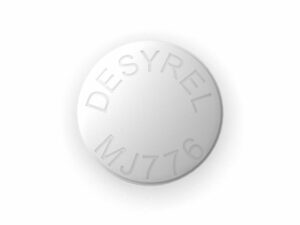
Zyprexa (Olanzapine) – Patient-Friendly Guide (Australia)
Zyprexa is a brand of olanzapine, a medicine used to treat certain mental health conditions. This page explains how olanzapine works, how it is typically used, important safety information, and practical tips for taking it in everyday life. It is written for patients and carers in Australia.
Note: Medicine information can’t replace personalised advice from your healthcare professional. If you have questions about your specific situation, contact your prescriber or pharmacist.
Quick Facts
- Active ingredient: Olanzapine
- Brand name: Zyprexa
- Medicine type: Antipsychotic (atypical)
- Common forms: Tablets (various strengths), and other formulations may be available depending on product
- Common reasons it may be used: Schizophrenia, bipolar disorder, and related conditions
Basic Product Information
Olanzapine is an atypical antipsychotic that helps manage symptoms associated with certain psychiatric disorders. It is used to reduce symptoms such as hallucinations, delusions, severe agitation, and disorganised thinking, and it can also help stabilise mood in bipolar disorder.
In Australia, availability and product lines may vary. Your pharmacist can confirm which forms and strengths are currently stocked or can be ordered.
How Olanzapine Works (Mechanism of Action)
Olanzapine acts on several chemical messengers in the brain, helping to restore balance in neural signalling. Its effects are mainly through blocking receptors for:
- Serotonin (5-HT2A) receptors
- Dopamine (D2) receptors
- Other receptor pathways (including histamine and adrenergic receptors) which contribute to both therapeutic and side effects
By influencing these pathways, olanzapine may improve:
- Psychotic symptoms (e.g., hallucinations, delusions)
- Manic or mixed mood symptoms
- Agitation and severe distress related to mood disorders
Pharmacokinetics (How the Body Processes It)
Pharmacokinetics describes what the body does to a medicine. While exact timing can differ between individuals, the following general points help you understand how olanzapine behaves:
- Absorption: Olanzapine is absorbed after you take it by mouth.
- Peak levels: Blood levels typically reach a maximum within about 5–8 hours after a dose.
- Metabolism: It is mainly metabolised in the liver. Factors that affect liver enzyme activity can influence levels.
- Elimination: The medicine is cleared through metabolism and excretion. Elimination takes place over time, contributing to a once-daily dosing schedule for many patients.
- Smoking effect: Tobacco smoking can reduce the level of olanzapine by increasing metabolism via liver enzymes. If you smoke, your healthcare team may monitor effects and adjust dose if needed.
If you miss a dose or start/stop smoking, it can affect how well your treatment works. Speak with your pharmacist for personalised guidance.
Typical Uses and Indications in Australia
Olanzapine is used for several psychiatric conditions. Specific use can depend on the formulation and your clinical profile. Common indications include:
- Schizophrenia and other related psychotic disorders
- Bipolar disorder, including management of manic episodes and prevention of relapse in some patients
- Behavioural symptoms associated with certain psychiatric conditions where an antipsychotic is appropriate
In practice, your healthcare professional chooses the most suitable treatment based on symptom pattern, prior medication response, and safety considerations (such as metabolic risk).
Timing: When to Take Zyprexa
Many patients take olanzapine once daily, usually at the same time each day. The exact schedule depends on the prescribed regimen and your formulation.
Common timing considerations
- Morning vs evening: Some people find it helps to take at night because olanzapine can cause sleepiness.
- Consistency matters: Try to maintain a regular routine to keep symptom control stable.
- Switching times: If you need to change when you take it, ask your pharmacist how to do this safely.
If you feel very drowsy, tell your healthcare team. They may adjust the timing or dose.
Dosing: What “Typical” Might Look Like
Dose varies widely based on the condition being treated, age, individual response, and tolerability. Your pharmacist and prescriber will determine the best starting dose and adjustments.
Below is general information about dosing ranges used clinically; it is not a substitute for personalised dosing advice.
| Condition (general) | Typical dosing approach | Notes |
|---|---|---|
| Schizophrenia / psychotic symptoms | Often starts at a lower dose, then adjusted based on response | Some patients respond at relatively low doses; others need gradual titration |
| Bipolar disorder (manic episodes and mood stabilisation) | May start at an appropriate dose, with adjustments for symptom control | Close monitoring is common early in treatment |
| Older adults or those with sensitivity | Often lower starting dose and slower increases | Higher risk of side effects may require careful assessment |
Do not change your dose without advice. Even when you feel better, stopping suddenly may cause symptoms to return or lead to withdrawal-like issues in some people.
Food Interactions: Can You Take Zyprexa With Meals?
Olanzapine can usually be taken with or without food. Food does not typically prevent it from working, though individual tolerability may differ.
Practical tips
- If you feel nauseous, taking it with a light meal may help.
- If you notice heartburn or stomach upset, discuss it with your pharmacist—simple adjustments can sometimes help.
Alcohol and Medicine Interactions
Alcohol
It is generally advisable to limit or avoid alcohol while taking olanzapine. Alcohol can increase drowsiness, impair coordination, and may worsen mood or sleep quality.
- Avoid driving or operating machinery until you know how the medicine affects you.
- If you drink alcohol regularly, ask your pharmacist for specific advice.
Other medicines that may interact
Olanzapine may interact with medicines that affect the brain, liver metabolism, or the cardiovascular system. Always tell your pharmacist about all medicines you take, including over-the-counter products and supplements.
Common categories to mention
- Sedatives and sleep medicines (can increase sedation)
- Opioid pain medicines (increased risk of respiratory depression and drowsiness)
- Some antidepressants or medicines affecting serotonin/dopamine pathways
- Medicines affecting liver enzymes (may alter olanzapine levels)
- Medicines that affect blood pressure (can contribute to dizziness on standing)
- Medicines that increase QT prolongation risk (your clinician may consider an ECG depending on your history)
Smoking is also important: tobacco smoke can reduce olanzapine levels. Inform your healthcare team if you start smoking, stop smoking, or change the amount you smoke.
Safety Profile: What to Know Before and During Use
Like all medicines, olanzapine can cause side effects. Some are common and manageable; others require urgent medical attention. Your healthcare team may monitor you for metabolic changes and other risks, especially during the first months of treatment.
Common side effects
- Drowsiness or fatigue
- Dizziness, especially when standing up quickly
- Increased appetite and potential weight gain
- Dry mouth
- Constipation
- Fluid retention (sometimes)
- Changes in blood sugar or cholesterol may occur over time
Metabolic risks (important)
Olanzapine is associated with a higher risk of weight gain, high blood sugar (including type 2 diabetes), and high cholesterol or triglycerides.
Monitoring often includes:
- Weight/BMI
- Waist circumference (sometimes)
- Blood pressure
- Fasting glucose or HbA1c
- Lipids (cholesterol and triglycerides)
Less common but serious risks
- Neuroleptic Malignant Syndrome (NMS): fever, severe stiffness, confusion, and autonomic instability
- Tardive dyskinesia: involuntary movements (often after longer-term use)
- Severe allergic reaction: swelling, rash, difficulty breathing
- Significant changes in blood counts (rare)
- Seizures: risk may increase in susceptible individuals
When to seek urgent help
Contact emergency services or seek urgent medical care if you experience:
- High fever with severe muscle stiffness or marked confusion
- Fainting, severe dizziness, or chest pain
- Signs of an allergic reaction (swelling of face/lips, trouble breathing)
- Sudden severe changes in mood or behaviour that feel unsafe
Practical Use Tips for Daily Life
Improve tolerability
- Manage sleepiness: If you feel drowsy, consider taking it at night (only if appropriate for your dose schedule).
- Rise slowly: Helps reduce dizziness or lightheadedness from blood pressure changes.
- Hydration and fibre: May reduce constipation risk.
- Oral care: Dry mouth can improve with water sips, sugar-free gum, or saliva substitutes.
Weight and metabolic health support
- Track weight weekly or as advised by your clinician
- Choose nutrient-dense foods and monitor portion sizes
- Build activity gradually (e.g., walking, gentle exercise)
- Attend monitoring appointments for blood tests and vital signs
Taking it safely
- Keep tablets in their original packaging as instructed.
- Take doses at the same time each day when possible.
- Don’t double up if you miss a dose—ask a pharmacist what to do in your specific case.
Food and Lifestyle Interactions
The most significant lifestyle-related interaction is smoking. Tobacco smoke can reduce olanzapine levels by affecting liver enzymes, which may make the medicine feel less effective.
- If you stop smoking, olanzapine levels may rise—this can increase side effects.
- If you start smoking or increase smoking, you may notice reduced effect.
Also consider that olanzapine can increase appetite; pairing treatment with structured dietary and activity support can help reduce unwanted weight gain.
Alternative Options
There are other treatments for schizophrenia and bipolar disorder. The “best” option depends on symptom type, side effect concerns, medical history, and previous medication responses.
Possible alternatives (examples)
- Other atypical antipsychotics: such as risperidone, quetiapine, aripiprazole, ziprasidone, and others
- Mood stabilisers: used for bipolar disorder such as lithium or valproate (depending on your situation)
- Psychosocial therapies: supportive therapy, cognitive behavioural therapy, and family-based approaches alongside medication
If you’re considering switching from Zyprexa or discussing alternatives due to side effects (for example, weight gain), speak with your pharmacist or healthcare professional. Changes usually require a planned approach to avoid relapse or withdrawal effects.
Market and Legal Context for Australia
In Australia, medicines are regulated and dispensed under national and state/territory laws. Antipsychotic medicines are commonly provided through pharmacies with appropriate patient information and monitoring. Your pharmacist may ask for relevant medical history (including other medicines and health conditions) to support safe use.
Availability can vary depending on current supply, formulation (for example, tablet strengths), and pharmacy ordering practices. If you need a specific strength or formulation, ask your pharmacist about:
- Current stock
- Estimated order timelines
- Equivalent or alternate options if a product is temporarily unavailable
Recent Guidance and Monitoring (What to Expect)
Clinicians commonly emphasise ongoing monitoring due to known risks with antipsychotic medicines, especially metabolic changes. While individual protocols vary, many healthcare providers follow structured monitoring schedules.
Typical monitoring you may be offered
- Baseline checks (weight/BMI, blood pressure, blood glucose, lipids)
- Regular follow-up to detect changes early
- Review of side effects such as sedation, movement symptoms, and constipation
If you are already undergoing monitoring, keep your appointments—catching early changes can help manage risks effectively.
Delivery and Availability (Australia)
Online pharmacy availability may include ready stock or pharmacy ordering options. Delivery times depend on your location and the specific product strength/formulation.
What to check before ordering
- Product strength and form: confirm the exact strength (e.g., mg) and formulation
- Quantity: ensure it covers your intended supply period
- Delivery location: rural and metro delivery schedules can differ
- Packaging and storage: check storage instructions on the label
If an item is temporarily unavailable, your pharmacy may contact you with alternatives or expected restock time.
How to Store Zyprexa
- Store at room temperature unless the label says otherwise.
- Keep in the original packaging and out of reach of children.
- Protect from excessive moisture or heat.
- Follow any specific storage directions on the product label.
FAQ
1) How long does Zyprexa take to work?
Some symptoms may improve within days, while others may take several weeks. Mood and psychotic symptoms can respond at different rates. If you don’t feel improvement, don’t assume it isn’t working—discuss your progress with your healthcare team.
2) Can I stop Zyprexa suddenly if I feel better?
Stopping suddenly can lead to symptom return or other problems. If you want to stop or change treatment, talk to your pharmacist or healthcare professional first.
3) What should I do if I miss a dose?
It depends on how close you are to the next dose. A pharmacist can guide you based on your schedule and product strength. In general, don’t double up unless advised.
4) Does Zyprexa cause weight gain?
Weight gain and increased appetite are well-recognised risks. Many people benefit from early monitoring and lifestyle strategies. Your clinician may check weight and blood tests periodically.
5) Can I drink alcohol while taking it?
It’s usually best to limit or avoid alcohol because it can increase drowsiness and impair coordination. Ask your pharmacist for advice tailored to your situation.
6) What about smoking?
Smoking can reduce olanzapine levels, potentially affecting effectiveness. Changes in smoking habits should be discussed with your healthcare team.
7) Are there any driving or work safety concerns?
Olanzapine can cause drowsiness or dizziness, especially at the start or after dose changes. Avoid driving or operating machinery until you know how it affects you.
8) What monitoring might I need?
Common monitoring includes weight/BMI, blood pressure, blood glucose (or HbA1c), and blood lipids. Your clinician may also check for movement-related side effects and sedation.
9) Can Zyprexa be taken with food?
Usually yes—take it with or without food. If nausea occurs, taking it with a meal may help.
10) Are there alternatives if I experience side effects?
Yes. Your clinician may consider dose adjustments, switching to another medicine, or adding lifestyle and monitoring support. Don’t change treatment without advice.
Remember: Your Health Team Is Your Best Guide
Olanzapine can be an effective treatment for several conditions, but it requires thoughtful monitoring—particularly for metabolic health. If you experience new or worsening side effects, changes in mood, or concerns about effectiveness, contact your healthcare professional promptly. Your pharmacist can also help with practical guidance on timing, interactions, and what to do if you miss a dose.