

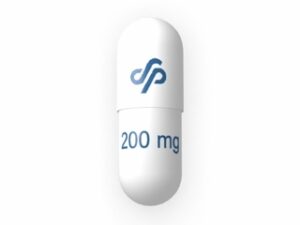
Oseltamivir (Oseltamivir Phosphate) – Antiviral Medicine for Influenza in Australia
Oseltamivir (commonly known as oseltamivir phosphate) is an antiviral medicine used to treat and, in some situations, help prevent influenza (the flu) caused by influenza viruses. It works by slowing the virus’s ability to spread in the body.
This guide is designed for general information. Always follow the directions provided by your healthcare professional and the product label. If you have questions about whether oseltamivir is suitable for you, consider speaking with a pharmacist or doctor.
Quick facts
- Generic name: Oseltamivir (oseltamivir phosphate)
- Medicine type: Antiviral (neuraminidase inhibitor)
- Common uses: Treatment of influenza and sometimes prevention after exposure
- Best effect: Early treatment—usually within 48 hours of symptom onset
- How it’s taken: Usually oral capsules or oral suspension
Basic product information
| Category | Details |
|---|---|
| Active ingredient | Oseltamivir phosphate |
| Class | Neuraminidase inhibitor antiviral |
| Common dosage forms | Oral capsules; oral suspension for children |
| Use timeframe | Treatment ideally started within 48 hours; prevention depends on exposure risk |
| Storage | Follow label instructions; keep in a cool, dry place and protect from moisture |
How oseltamivir works (mechanism of action)
Influenza viruses use a surface enzyme called neuraminidase to release newly formed viral particles from infected cells. This step helps the virus spread through the respiratory tract.
Oseltamivir is converted in the body into its active metabolite, which blocks neuraminidase. By inhibiting this enzyme, oseltamivir can reduce the ability of the virus to spread and may shorten the duration of illness.
Pharmacokinetics (how the body handles the medicine)
Pharmacokinetics describe absorption, distribution, metabolism, and elimination. While individual responses vary, key points include:
- Absorption: Oseltamivir is absorbed after oral dosing.
- Activation: The medicine is metabolised to an active form (active carboxylate) that exerts antiviral effects.
- Distribution: Active drug reaches tissues involved in influenza, including the respiratory tract.
- Elimination: The active metabolite is primarily cleared by the kidneys.
- Renal adjustment: Because clearance relies on kidney function, dose may need adjustment in people with renal impairment.
If you have known kidney problems, it is especially important to discuss dosing and suitability with a healthcare professional.
Indications: when oseltamivir is used
Oseltamivir is used for:
- Treatment of influenza: For people with suspected or confirmed influenza virus infection, especially when started early.
- Prevention of influenza (in selected situations): After exposure to someone with influenza or during certain outbreaks.
Health authorities and clinicians consider factors such as symptom timing, patient risk (e.g., young children, older adults, pregnant people, or those with certain chronic conditions), and local circulating influenza activity.
Typical use and timing
For treatment
Oseltamivir works best when started as early as possible, typically within 48 hours from the onset of symptoms (such as sudden fever, cough, sore throat, muscle aches, and fatigue).
Some patients may still benefit when treatment begins after 48 hours, particularly if they are at higher risk of complications or have severe illness. Clinicians may consider starting later based on individual circumstances.
For prevention
Preventive use is usually considered after close exposure to a confirmed influenza case or during specific outbreaks, particularly for high-risk groups who may not be fully protected.
The exact duration and start time depend on the situation and local guidance.
Dosing information (general)
Dosage varies by age, weight (for children), and kidney function. The information below is a general guide and may differ from the regimen recommended on the product label or by a healthcare professional.
Typical adult and adolescent dosing (general)
- Treatment (influenza): Commonly taken twice daily for 5 days.
- Prevention: Commonly taken once daily, typically for the period of exposure/risk as advised.
Paediatric dosing (general)
Children’s dosing is usually based on body weight and age. Oral suspension may be used when capsules are not suitable.
If you’re dosing a child, it’s important to measure accurately and follow the dosing instructions exactly.
Renal impairment
Because oseltamivir’s active metabolite is cleared through the kidneys, dosing adjustments may be necessary for people with kidney disease. This can be critical to avoid under-treatment (ineffectiveness) or overexposure (increased side effects).
How to take oseltamivir (practical use tips)
With or without food
Oseltamivir can generally be taken with food to help reduce stomach upset, though it can also be taken without food depending on tolerance and label directions.
Swallowing capsules
- Swallow capsules whole with water.
- Do not open or crush unless instructed by your pharmacist or the product guidance.
Using oral suspension
- Shake the bottle well before each dose.
- Use an oral syringe or dosing device for accurate measurement.
- Follow the mixing instructions if the suspension requires preparation.
Completing the course
Even if you start to feel better, it’s usually important to complete the full recommended course for treatment, unless your healthcare professional advises otherwise.
Missed dose
If you miss a dose, take it when you remember unless it is close to the time of the next dose. Do not take a double dose to make up for a missed one. If unsure, ask a pharmacist.
Food interactions and absorption
Food may influence tolerability rather than the medicine’s core effectiveness. Many people find that taking oseltamivir with meals reduces nausea and gastrointestinal discomfort.
There are no widely cited restrictions on specific foods, but maintaining hydration and taking the medicine consistently is helpful.
Alcohol and medicine interactions
Alcohol
Moderate alcohol intake during influenza illness may worsen dehydration, sleep quality, and overall recovery. While there is not typically a direct “dangerous interaction” universally recommended for oseltamivir, it’s best to limit alcohol while you’re ill.
If you have liver disease, are taking multiple medications, or have concerns about your ability to stay hydrated, speak with a pharmacist.
Medicine interactions
Oseltamivir has relatively few clinically significant drug interactions for most people, but interactions can still occur depending on the medicines you take and your kidney function.
Common categories to review with a pharmacist
- Medications cleared by the kidneys: Because renal clearance is important, discuss any kidney-related issues and medicines.
- Immunosuppressants: Influenza management in immunocompromised people may require tailored advice.
- Other antivirals: Tell your pharmacist about any concurrent antiviral therapy.
- Warfarin and anticoagulants: If you take blood thinners, seek advice—some antiviral medicines have been associated with changes in bleeding risk in certain reports.
Always provide your pharmacist with a current list of medicines, including non-prescription products, vitamins, and herbal supplements.
Side effects and safety profile
Like all medicines, oseltamivir can cause side effects. Many people experience none or only mild effects. Most side effects are gastrointestinal.
Common side effects
- Nausea (often reduced by taking with food)
- Vomiting
- Headache
- Fatigue
- Stomach pain or discomfort
- Diarrhoea (in some people)
Serious side effects (seek urgent medical help)
- Signs of an allergic reaction: swelling of the face/lips, difficulty breathing, widespread rash, or severe skin reactions.
- Severe or persistent vomiting leading to dehydration.
- Unusual behaviour or severe confusion (rare; if concerning, seek medical advice promptly).
Who should take extra care
- People with kidney problems: may need dose adjustment.
- Very young children: use weight/age-based dosing carefully and seek dosing guidance.
- Older adults: monitor for side effects and dehydration.
- Pregnant or breastfeeding people: discuss risks and benefits with a healthcare professional.
How to use oseltamivir alongside supportive care
Influenza treatment often includes supportive measures to relieve symptoms. Oseltamivir targets the virus, while supportive care helps you feel better and stay hydrated.
- Fluids: Drink water or oral rehydration fluids, especially if you are vomiting or have reduced intake.
- Fever and pain relief: Consider paracetamol (acetaminophen) or ibuprofen if appropriate for you.
- Rest: Allow your body time to recover.
- Isolation and hygiene: Reduce spread to others by washing hands and staying home when unwell.
Alternative options
Depending on availability, patient risk factors, and local clinical guidance, other antiviral options may be considered.
Other influenza antivirals (examples)
- Zanamivir (inhaled antiviral): may be used in selected cases.
- Baloxavir (oral antiviral): a different mechanism, used for certain age groups and situations.
Choice of medicine may depend on factors such as the age of the patient, timing from symptom onset, kidney status, asthma/COPD (for inhaled therapies), drug availability, and clinician assessment.
If oseltamivir isn’t suitable or isn’t available, a pharmacist can help you discuss other options.
Market and legal context in Australia (overview)
In Australia, antiviral medicines for influenza are supplied through the usual medicines distribution system and are subject to Australian regulatory requirements. Availability may vary by brand, formulation (capsules vs suspension), and supply conditions.
Guidance for influenza management is influenced by updates from national and state health services and by clinical best-practice. Oseltamivir has been widely used internationally for influenza treatment and prevention for many years.
Always check that the medicine you purchase is an Australian-approved product and that it matches the intended formulation and strength.
Recent guidance and practical implications (Australia)
Seasonal influenza can occur each year, with activity varying by region and year. Recent influenza management generally emphasises:
- Early assessment for people at higher risk of complications.
- Starting antivirals promptly when influenza is suspected, ideally within 48 hours of symptom onset.
- Special attention for high-risk groups, including very young children, older adults, pregnant people, and those with chronic conditions.
- Infection control measures to reduce transmission within households and aged care settings.
Local public health recommendations may change based on circulating influenza strains and seasonal severity. Keep up to date through credible sources, such as Australian health authorities, particularly during influenza peaks.
Delivery and availability (online pharmacy considerations)
Oseltamivir availability can be influenced by formulation demand (capsules vs suspension), stock levels, and distribution timing. When ordering online, ensure you select the correct presentation for your needs.
What to check before ordering
- Correct formulation: capsule or suspension
- Correct strength: match the dose instructions you have
- Expiry date: ensure it is not close to expiry
- Delivery timeframe: order early if you need treatment promptly
Delivery policies vary by pharmacy. Some suppliers use standard or express options and may require identity/age verification where applicable. If you need urgent treatment, contact the pharmacy to confirm dispatch times.
Important precautions
- Not a substitute for vaccination: Oseltamivir is a treatment/prevention option in specific circumstances; influenza vaccination remains important.
- Use for influenza only: It is not an antibiotic and does not treat bacterial infections.
- Watch for worsening: If symptoms worsen significantly or breathing becomes difficult, seek urgent medical advice.
- Inform clinicians: Tell healthcare providers you’ve used oseltamivir, especially if you are hospitalised.
FAQ about oseltamivir
1) How quickly does oseltamivir work?
Many people begin to notice improvement within about 1–2 days after starting, but recovery time varies. Starting as early as possible—ideally within 48 hours—is associated with better outcomes.
2) Can I take oseltamivir if I’m not sure it’s influenza?
Oseltamivir is most helpful when influenza is suspected and the timing fits best practice. If you have flu-like symptoms, a pharmacist or doctor can advise based on your symptoms, risks, and local influenza activity.
3) What if my child is under a certain age?
Dosing in children depends on age and weight, and the availability of oral suspension is important for accurate administration. Always seek dosing guidance from a pharmacist or healthcare professional if you are unsure.
4) Should I take it with food?
Taking oseltamivir with food may reduce nausea and vomiting for many people. If your label or clinician instructions differ, follow those.
5) Can I drink alcohol while taking oseltamivir?
It’s generally best to avoid or minimise alcohol while you’re unwell. Alcohol can worsen dehydration and may reduce recovery quality. There are not typically universal severe interactions, but individual risks vary—ask a pharmacist if you’re unsure, especially if you take other medicines.
6) What should I do if I vomit after taking a dose?
If you vomit shortly after taking a dose, the amount absorbed may be reduced. The best next step depends on timing and severity. Contact a pharmacist for advice on whether to repeat a dose.
7) Is oseltamivir effective against all flu strains?
Oseltamivir targets a core influenza enzyme (neuraminidase). Effectiveness can vary depending on virus strain and resistance patterns. Clinicians may consider local susceptibility information and patient risk when deciding on treatment.
8) Does oseltamivir prevent me from spreading flu to others?
It may reduce viral shedding in some cases, but it does not eliminate the risk entirely. Continue infection control measures such as staying home when sick, covering coughs, and practising good hand hygiene.
9) Can I take oseltamivir with other cold and flu medicines?
Many cold and flu products contain fever reducers, decongestants, or cough suppressants. Generally, they may be used alongside oseltamivir for symptom relief, but check ingredients to avoid duplicating paracetamol or other components. Ask a pharmacist for a safe combination.
10) When should I seek medical help?
Seek urgent medical attention if you have difficulty breathing, chest pain, signs of severe dehydration, confusion, bluish lips/face, or if a child appears unusually drowsy or worse rather than better.
Summary
Oseltamivir (oseltamivir phosphate) is an antiviral medicine used to treat influenza and sometimes to prevent it after exposure or during outbreaks. Its key benefit is greatest when started early, usually within 48 hours of symptom onset.
For best results, take it exactly as directed, consider taking with food to reduce nausea, stay hydrated, and use supportive care to relieve symptoms. If you have kidney issues, take multiple medicines, or are pregnant or breastfeeding, seek tailored advice to ensure safe and effective use.