

Ponstel (Mefenamic Acid) – Patient Information Guide (Australia)
Ponstel contains mefenamic acid, a medicine from the non-steroidal anti-inflammatory drug (NSAID) group. It is used to relieve pain and reduce inflammation, particularly for conditions such as menstrual (period) pain and certain other painful inflammatory conditions.
This page is designed to help you understand how Ponstel works, how to take it safely, and what to expect. Always read the product packaging and consult a health professional if you have questions—especially if you have heart, stomach, kidney, or liver problems, or if you take other medicines.
Quick Facts
- Active ingredient: Mefenamic acid
- Medicine type: NSAID (pain reliever/anti-inflammatory)
- Common uses: Menstrual pain; pain with inflammatory conditions as advised by your clinician
- How it works: Reduces prostaglandins (chemicals involved in pain and inflammation)
- Typical dosing: Often taken after food; specific dosing depends on the condition and age
- Key safety cautions: Stomach irritation/ulcers, kidney strain, increased risk of cardiovascular events with some people, and possible interactions with other medicines
Basic Product Information
| Category | Details |
|---|---|
| Brand name | Ponstel |
| Generic name | Mefenamic acid |
| Drug class | NSAID (non-steroidal anti-inflammatory drug) |
| How it’s taken | Oral (by mouth), typically with food |
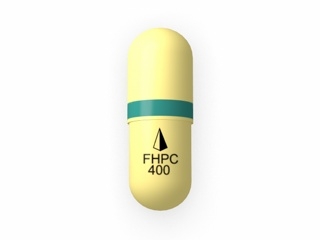
| Common formulation | Capsules/tablets depending on product presentation |
| Use in Australia | Available through regulated channels; availability and requirements may vary by product strength and health assessment |
How Ponstel Works (Mechanism of Action)
In pain and inflammation, your body produces substances called prostaglandins. Prostaglandins help drive:
- Pain signals (sensitivity to pain)
- Inflammation (swelling and redness)
- Fever (in some illnesses)
Mefenamic acid works by blocking cyclooxygenase (COX) enzymes, which are involved in prostaglandin production. By lowering prostaglandins, Ponstel can:
- Reduce menstrual cramping and pain
- Help relieve inflammatory pain
- Improve comfort and function during acute painful episodes
Pharmacokinetics (How the Body Handles It)
Pharmacokinetics describes how the medicine is absorbed, distributed, metabolised, and eliminated.
Absorption
After oral dosing, mefenamic acid is absorbed through the gastrointestinal tract. Taking it with food often improves stomach tolerability and may reduce irritation.
Distribution
Mefenamic acid distributes into body tissues. It is highly bound to plasma proteins, which means other highly protein-bound medicines may compete in the blood.
Metabolism
The medicine is metabolised mainly in the liver into inactive or less active metabolites.
Elimination
Metabolites are cleared primarily via the kidneys and through bile into the digestive tract. Because kidney function is important for clearance, people with kidney impairment may be at higher risk of side effects.
Important note: Individual response varies depending on dose, frequency, body weight, age, and kidney/liver function.
What Ponstel Is Typically Used For
Ponstel is most commonly used for period (menstrual) pain such as:
- Dysmenorrhoea (cramps associated with menstruation)
- Moderate to severe uterine cramping pain
It may also be used for painful inflammatory conditions as advised by a healthcare professional, depending on the clinical context and your medical history.
When not to rely on NSAIDs: If your pain is due to a serious underlying condition (for example, severe pelvic pain, possible infection, or sudden unusual symptoms), you should seek medical assessment rather than self-treating.
Timing and How to Take Ponstel
Correct timing can improve comfort and reduce stomach side effects.
General timing guidance
- Take with food (or right after meals) to reduce irritation.
- For menstrual pain, many people start dosing when symptoms begin (or as directed by their clinician).
- Space doses evenly across the day to maintain pain control.
Do not exceed recommended dose
Taking extra doses does not necessarily provide better pain relief and may significantly increase side effects, including stomach bleeding and kidney injury.
How long to use
Use the shortest duration needed to control symptoms. Long-term use of NSAIDs increases risk of adverse effects (particularly GI bleeding and cardiovascular effects). Follow guidance on the pack or provided by your healthcare professional.
Food Interactions (What to Eat/Drink)
Food can affect tolerability.
- Taking with food: Often recommended to reduce stomach irritation.
- Avoid taking on an empty stomach: This may increase the risk of nausea, stomach pain, or heartburn.
- Hydration: Staying well-hydrated may help reduce kidney strain, especially if you’re unwell or older.
- Gastro-risk foods/drinks: Alcohol and spicy/irritating foods can further upset the stomach when combined with NSAIDs.
Gastric protection is not automatic: If you have a history of ulcers or GI bleeding, you may need additional protection and should get advice before using NSAIDs.
Alcohol and Medicine Interactions
Alcohol can increase the risk of stomach bleeding when combined with NSAIDs like mefenamic acid.
- Best practice: Avoid or minimise alcohol while taking Ponstel.
- Extra caution: If you have a history of ulcers, reflux complications, or blood-thinning therapy, avoid alcohol unless your clinician says otherwise.
Signs of stomach bleeding include: black/tarry stools, vomiting blood or material like “coffee grounds,” and severe stomach pain. Seek urgent medical attention if these occur.
Important Medicine Interactions
NSAIDs can interact with other medicines and may increase side effects or reduce effectiveness. If you are taking any of the following, seek advice from a pharmacist or doctor:
- Other NSAIDs (e.g., ibuprofen, naproxen, diclofenac, aspirin): Increased risk of stomach bleeding and kidney problems.
- Blood thinners (e.g., warfarin): Increased risk of bleeding.
- Antiplatelet medicines (e.g., clopidogrel): Increased bleeding risk.
- Selective serotonin reuptake inhibitors (SSRIs) (e.g., sertraline, fluoxetine): May increase GI bleeding risk when combined with NSAIDs.
- Corticosteroids (e.g., prednisone): Higher risk of GI irritation/ulcers.
- Diuretics and blood pressure medicines (e.g., ACE inhibitors, ARBs): NSAIDs may reduce kidney function and affect blood pressure control (especially in people who are older, dehydrated, or have existing kidney disease).
- Lithium: NSAIDs may increase lithium levels.
- Methotrexate: NSAIDs may increase toxicity in certain circumstances.
- Digoxin: Potential changes in digoxin levels.
- Potassium supplements or potassium-sparing diuretics: Increased risk of high potassium in some situations.
Herbal supplements caution: Some supplements (such as St John’s wort) and certain “blood-thinning” herbs may increase bleeding risk. Check with a pharmacist.
Indications (When Ponstel May Be Appropriate)
In Australia, Ponstel (mefenamic acid) is generally indicated for:
- Dysmenorrhoea (period pain), especially when pain is moderate to severe
- Painful inflammatory conditions where an NSAID is suitable, based on clinical judgment
Your personal medical history matters. Even when NSAIDs are commonly used, they may not be the best option for everyone—particularly if you have:
- A history of stomach ulcers or gastrointestinal bleeding
- Kidney disease
- Heart disease or stroke history
- Uncontrolled high blood pressure
- Asthma worsened by aspirin/NSAIDs
- Severe liver impairment
Dosing (General Guidance)
Dose recommendations can vary by age, condition, and product strength. Always follow the dose written on the product label or provided with your medicine supply.
Typical adult use (general)
For menstrual pain in adults, dosing is often started at the beginning of symptoms and then continued for a limited time depending on response. The medicine is commonly taken multiple times per day. If your label or clinician instructions differ, follow those instructions.
Children and adolescents
Mefenamic acid dosing in children is more specific and should only be used when appropriate dosing has been provided for the child’s age and weight category. Seek advice from a pharmacist or doctor.
Missed dose
- If you miss a dose, take it when you remember unless it’s close to the next dose.
- Do not double doses to catch up.
Overdose
Do not exceed the recommended dose. If too much has been taken, seek urgent medical advice or contact a local poison information service.
Safety Profile: Who Should Be Careful
All medicines have potential side effects. Ponstel (mefenamic acid) is an NSAID, so risks associated with NSAIDs may apply.
Common side effects
- Nausea, indigestion
- Stomach pain or heartburn
- Headache
- Dizziness
- Diarrhoea
Serious side effects (seek medical help urgently)
- Signs of stomach/intestinal bleeding: black/tarry stools, vomiting blood, severe abdominal pain, unexplained weakness
- Allergic reaction: swelling of face/lips, wheezing, rash or hives
- Asthma flare after NSAIDs (breathlessness, chest tightness)
- Kidney problems: reduced urination, swelling in legs/ankles, unusual fatigue
- Severe skin reactions: blistering rash, peeling skin, sores in mouth/eyes
- Cardiovascular symptoms: chest pain, sudden weakness/numbness, shortness of breath
Risk considerations
- Gastrointestinal risk: The risk of ulcers and bleeding can increase with higher doses and longer use.
- Cardiovascular risk: Some people may have increased risk of heart-related events with NSAIDs, particularly at higher doses or longer durations.
- Kidney risk: NSAIDs can reduce blood flow to the kidneys, especially if you are dehydrated or have existing kidney problems.
Practical Use Tips for Better Safety and Comfort
- Take with food and a full glass of water.
- Use the lowest effective dose for the shortest necessary time.
- Don’t combine with other NSAIDs (including over-the-counter products) unless a clinician advises it.
- Check ingredients in cold/flu medicines: some contain NSAIDs or aspirin.
- Be careful during dehydration: if you’re sick with vomiting/diarrhoea, consider speaking to a pharmacist before continuing NSAIDs.
- Track symptoms: if your menstrual pain is getting worse, persistent, or different from usual, consider medical review.
- Plan around severe events: if you have a history of ulcers, ask whether stomach protection is appropriate.
Alternative Options for Pain and Period Cramps
Depending on your health profile and preferences, alternatives may include:
Other pain relief medications
- Paracetamol (acetaminophen): Can help pain and is gentler on the stomach than NSAIDs for many people.
- Other NSAIDs: Ibuprofen or naproxen may be used for menstrual pain in some patients, but they share many of the same NSAID cautions.
- Combination strategies: In some cases, clinicians recommend alternating or combining paracetamol and an NSAID; however, follow professional guidance and avoid duplication of NSAIDs.
Non-medicine options
- Heat therapy: A hot water bottle or heating pad on the lower abdomen can reduce cramping.
- Exercise and stretching: Some people find gentle movement helps.
- Dietary measures: Reducing caffeine and maintaining hydration may help some individuals.
- Hormonal options: For recurrent severe dysmenorrhoea, hormonal treatments may be appropriate—discuss with a clinician.
When to seek assessment: If you have severe pelvic pain outside your usual period pattern, unusually heavy bleeding, fever, or pain that suggests infection, seek medical review.
Market and Legal Context for Australia
In Australia, medicines are regulated through the Therapeutic Goods Administration (TGA) and follow specific rules for supply, labelling, and consumer safety. The classification of NSAIDs can differ depending on the formulation, strength, and intended use.
Some NSAIDs are available without a prescription while others may require additional steps based on local regulations and product category. Availability can also vary by brand, dose, and whether a medical assessment is required by pharmacy policy or product requirements.
Online pharmacy delivery: Reputable online pharmacies operate within Australian regulatory requirements and typically provide product information, shipping details, and safety guidance. If a medicine requires specific eligibility checks, these are usually completed during ordering.
Recent guidance (general): In recent years, Australian health authorities and professional bodies have continued emphasising safety for NSAID use—particularly minimising duration and dose, avoiding combinations with other NSAIDs, and considering GI, kidney, and cardiovascular risks. If you have risk factors, it’s especially important to confirm suitability with a pharmacist or doctor.
Delivery and Availability
Availability may depend on stock, supplier arrangements, and the product strength/format. Many online pharmacies aim to dispatch medicines promptly once your order is confirmed.
- Processing time: Orders are typically processed on business days.
- Shipping options: Standard and express options may be offered depending on location.
- Delivery area: Most pharmacies deliver across Australia, but delivery timeframes vary by state and remote locations.
- Packaging: Medicines are usually dispatched in tamper-evident packaging with labelling that matches Australian requirements.
Storage at home: Store Ponstel according to label instructions (typically in a cool, dry place, away from moisture). Keep out of reach of children.
FAQ: Ponstel (Mefenamic Acid)
1) What is Ponstel used for?
Ponstel (mefenamic acid) is commonly used for period pain (dysmenorrhoea) and can be used for other painful inflammatory conditions where an NSAID is appropriate.
2) How quickly does Ponstel work?
Many people begin to notice pain relief within a short time after taking it, but timing varies by individual and whether you took it with food.
3) Should I take it with food?
Yes, it’s generally recommended to take mefenamic acid with food or right after meals to reduce stomach irritation.
4) Can I take Ponstel with other painkillers?
Be cautious. Avoid combining with other NSAIDs (such as ibuprofen, naproxen, diclofenac, or aspirin). Paracetamol is often used for pain, but whether it’s suitable for you depends on your health situation and dosing schedule.
5) Is it safe to drink alcohol while taking Ponstel?
Alcohol can increase the risk of stomach bleeding when combined with NSAIDs. It’s best to avoid or minimise alcohol while taking Ponstel.
6) Who should avoid Ponstel?
People with a history of NSAID-triggered asthma, stomach ulcers or GI bleeding, significant kidney disease, or certain heart conditions may need to avoid NSAIDs or get tailored advice first.
7) What if I have stomach pain?
Mild indigestion can occur, but if you develop severe abdominal pain, vomiting, black stools, or signs of bleeding, stop and seek medical advice urgently.
8) What side effects are most common?
Common side effects include nausea, indigestion, abdominal discomfort, headache, and diarrhoea. If side effects persist or worsen, seek advice.
9) What should I do if I miss a dose?
Take it when you remember if it’s not close to the next dose. Do not take double doses to catch up.
10) Can Ponstel be used for long periods?
NSAIDs are generally used for the shortest time needed. Long-term use increases risks such as stomach bleeding, kidney effects, and possible cardiovascular risk. If symptoms persist, you should have your situation reviewed.
11) How should I store Ponstel?
Store in a cool, dry place as directed on the label. Keep out of reach of children.
When to Get Medical Help
Contact a pharmacist or seek medical care if you experience:
- Signs of allergic reaction (rash, swelling, wheezing)
- Symptoms of stomach bleeding (black stools, vomiting blood)
- Severe or worsening abdominal pain
- Reduced urination, swelling, or sudden decline in health
- Breathlessness or worsening asthma symptoms after NSAIDs
Disclaimer: This information is for general education and does not replace personalised medical advice. If you are unsure whether Ponstel is suitable for you or how to take it alongside your other medicines, speak with a pharmacist or doctor.