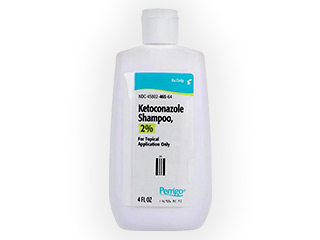
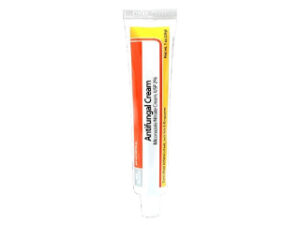
Nizoral Shampoo 2% (Ketoconazole) — Patient Information (Australia)
Nizoral Shampoo (ketoconazole 2%) is an antifungal shampoo used to treat and help control certain fungal conditions of the scalp. It contains ketoconazole, an active medicine that works directly against the fungi linked to dandruff and seborrhoeic dermatitis.
This page explains how Nizoral Shampoo works, how to use it safely and effectively, what to expect, and important interactions and precautions. It is written for patients in Australia and includes practical tips for best results.
Basic product information
| Feature | Details |
|---|---|
| Medicine name | Nizoral Shampoo |
| Active ingredient | Ketoconazole 2% |
| Medicine type | Topical antifungal (shampoo) |
| Common uses | Dandruff; seborrhoeic dermatitis of the scalp |
| Typical treatment schedule | Often 2–3 times weekly at first, then maintenance may be weekly or as needed |
| Where to use | Scalp (external use only) |
How Nizoral Shampoo works (mechanism of action)
Ketoconazole is an antifungal medicine. It interferes with the production of ergosterol and other essential components of the fungal cell membrane. Without a properly functioning cell membrane, susceptible fungi cannot grow effectively.
On the scalp, ketoconazole helps reduce the fungal burden associated with conditions such as:
- Dandruff (also called seborrhoeic dermatitis of the scalp in many people)
- Seborrhoeic dermatitis, which may cause flaking, redness, itch, and sometimes oily scaling
- Other scalp fungal contributions where antifungal treatment is appropriate
Because it targets the fungal component, improvement may include less scaling and less itch. However, underlying skin inflammation can take a little time to fully settle even after fungal activity decreases.
Pharmacokinetics (absorption and what the body does with it)
Nizoral Shampoo is used on the scalp and is intended for local action. Ketoconazole absorption through intact skin is generally low when used as directed.
- Absorption: Minimal systemic absorption is expected for most people when used topically.
- Distribution/metabolism/excretion: Any absorbed drug is processed by the body and eliminated primarily through normal pathways. Because exposure is low, clinically significant systemic effects are uncommon with shampoo use.
If you have broken, inflamed, or oozing scalp skin, or if you use more than recommended, absorption may be higher than normal. This is one reason to follow dosing directions carefully.
What Nizoral Shampoo is used for (indications)
Nizoral Shampoo is commonly used for scalp conditions that respond to antifungal treatment, including:
- Dandruff
- Seborrhoeic dermatitis of the scalp
If you have persistent symptoms or widespread skin involvement, you may need a clinician to confirm the cause (for example, psoriasis, eczema, contact dermatitis, or other scalp conditions can look similar).
Typical dosing and timing
Always follow the instructions on your product pack or those given by your healthcare professional. The guidance below is typical for adults. Children should only use it if recommended by a clinician and in line with local advice.
Common induction (treatment) schedule
- Most people: Use the shampoo 2–3 times per week for about 2–4 weeks.
Maintenance (to prevent relapse)
- After control of symptoms, some people use the shampoo once weekly (or as needed) to help prevent recurrence.
How to apply (step-by-step timing)
- Wet the scalp thoroughly.
- Apply enough shampoo to cover the affected areas of the scalp.
- Massage gently into the scalp.
- Leave on the scalp for about 3–5 minutes (or as directed on your pack).
- Rinse well with water.
For best results, try not to rinse immediately. The short “leave-on” time allows ketoconazole to work on the scalp surface.
What if you miss a dose?
If you forget a scheduled application, use it when you remember, then continue your usual schedule. Do not double up.
Food interactions
Ketoconazole shampoo is applied to the scalp and is expected to have minimal systemic absorption. As a result, food interactions are not expected.
You can generally take meals and drinks as normal. If you are using other ketoconazole products (for example, tablets), those may have food-related interactions, but this page is about the shampoo only.
Alcohol and medicine interactions
Alcohol
With topical ketoconazole shampoo, significant alcohol interactions are not expected because systemic exposure is low. However, avoid getting product into eyes or open wounds, and follow application directions.
Medicine interactions (with shampoo)
Systemic drug–drug interactions are unlikely with the shampoo because absorption is minimal. That said, interactions may be relevant if you use other forms of ketoconazole (such as oral medicines) or if you have other medical conditions.
Tell your pharmacist or doctor about all medicines you use, including:
- Other antifungals (topical or oral)
- Medicines for skin conditions (e.g., topical steroids, calcineurin inhibitors)
- Any treatment that changes scalp barrier (for example, exfoliating or irritant products)
If you’re using multiple hair/scalp products, be mindful of irritation. Some people prefer to keep hair routines simple while they start treatment.
Safety profile and precautions
Nizoral Shampoo is generally well tolerated when used as directed. Like all medicines, it can cause side effects in some people.
Common side effects
- Scalp irritation (mild burning, redness, or discomfort)
- Dryness or changes in hair texture
- Itching
- Hair or scalp dryness in some individuals
Less common side effects
- Rash or hypersensitivity reactions
- Contact dermatitis (more likely if you are sensitive to shampoo ingredients)
Seek medical advice urgently if
- Severe swelling of the face, lips, or throat
- Difficulty breathing
- Severe widespread rash or blistering
- Symptoms worsen dramatically after each use
Important cautions
- External use only: Do not swallow.
- Avoid eyes: Wash hands after applying. If it gets in your eyes, rinse thoroughly with water.
- Broken skin: If your scalp is cracked or oozing, use caution and follow directions closely.
- Stop and seek advice: If you develop signs of allergy or severe irritation.
Pregnancy and breastfeeding
Because systemic absorption from shampoo is expected to be low, the risk to an unborn baby or breastfeeding infant is likely reduced compared with oral medicines. However, individual circumstances vary. Consult a healthcare professional if you are pregnant, planning pregnancy, or breastfeeding.
Practical use tips for best results
- Massage thoroughly: Gently work the shampoo into the scalp to reach affected areas.
- Use the correct “leave-on” time: A short rest period on the scalp can improve effectiveness.
- Be consistent: Antifungal scalp conditions often improve over days to weeks, not hours.
- Rinse well: This helps reduce lingering irritation.
- Limit extra harsh products at first: Hair dyes, strong styling gels, or exfoliating scalp treatments may irritate and make symptoms feel worse while you’re treating.
- Consider a maintenance plan: Many people benefit from periodic use to prevent recurrence.
- Don’t share personal items: Towel, hairbrush, and hats are best kept personal to reduce cross-transfer of irritants and infections.
If dandruff returns quickly when you stop, that does not necessarily mean treatment failed; it may mean the condition is chronic and needs maintenance.
Alternative options
If you’re not getting adequate control, or you need options based on your tolerance, there are other scalp treatments commonly used for dandruff or seborrhoeic dermatitis. Your pharmacist or doctor can help you choose based on your symptoms.
Common alternatives
- Other antifungal shampoos (for example, shampoos containing antifungal agents such as selenium sulfide or other actives).
- Anti-inflammatory scalp treatments (for redness/itch; these may include topical corticosteroids or other prescription-based options depending on local availability).
- Coal tar or keratolytic shampoos (help reduce scaling; may be used in certain cases).
- Moisturising and gentle cleansing to support barrier comfort, especially if dryness is a feature.
Choice depends on your scalp type, severity, and what you’ve tried before. Some people respond better to one active than another.
Australia market and legal context
In Australia, the availability of Nizoral Shampoo depends on product registration, classification, and pharmacy supply arrangements. Many antifungal dandruff shampoos are available through pharmacies and, in some cases, from retail outlets depending on the specific product and concentration.
Always check the label and packaging for the exact formulation you are purchasing, including directions for use, age indications, and warnings. If you are unsure whether it’s suitable for your condition, consult a pharmacist.
Recent guidance (general)
Healthcare guidance for dandruff and seborrhoeic dermatitis generally emphasises:
- Using effective antifungal therapy consistently for an initial treatment period
- Considering maintenance therapy to reduce relapse
- Rule-outs for mimics when symptoms do not improve
- Watching for skin irritation from repeated shampoo use
Your pharmacist can help assess whether symptoms align with dandruff/seborrhoeic dermatitis and whether an antifungal shampoo is the most appropriate first step.
Delivery and availability (online pharmacy)
Nizoral Shampoo is typically available from Australian online pharmacies, subject to stock availability and current supply schedules. Delivery times depend on your location, shipping method, and carrier processing times.
To help ensure you receive your order quickly and safely:
- Check estimated delivery dates at checkout.
- Confirm product size and strength on the listing.
- Store the shampoo at room temperature as directed on the pack.
If you need help choosing the right pack size or comparing options, you can usually contact the pharmacy’s support team.
FAQ
1. How long does it take to work?
Many people notice reduced flaking and itch within the first 1–2 weeks. Full control may take about 2–4 weeks. If you see no improvement after this period, speak with a pharmacist or clinician to review the diagnosis and regimen.
2. Can I use Nizoral Shampoo every day?
Usual directions are 2–3 times per week initially. Daily use is not typically required and may increase the chance of irritation. Follow the dosing schedule on your pack.
3. Is it suitable for sensitive scalps?
Some people with sensitive scalps tolerate ketoconazole shampoo well, while others may experience irritation. If you develop burning or significant redness, stop using it and seek advice. You may need an alternative treatment strategy.
4. Can I use conditioner or other hair products?
Generally, yes. After rinsing Nizoral Shampoo, you can use conditioner if it does not irritate your scalp. During the first weeks, it may help to keep other products gentle to avoid confusion between irritation and disease activity.
5. Should I avoid sunlight or other skincare?
Ketoconazole shampoo does not generally require special sun avoidance. If your scalp becomes irritated, protect from additional irritants and avoid harsh treatments.
6. What if my dandruff comes back after I stop?
Dandruff and seborrhoeic dermatitis can be recurrent. A maintenance schedule (often about once weekly) may help keep symptoms controlled.
7. Can men and women use it?
Yes. Dandruff is common in all genders. Use as directed on the label.
8. Is it okay for children?
Use in children should be based on the product label and advice from a healthcare professional. Scalp conditions in children can have different causes, so guidance is important.
9. Does ketoconazole shampoo cause hair loss?
Hair loss is not a common expected effect of ketoconazole shampoo. If you notice unusual shedding or scalp pain, stop using the product and seek advice, as other conditions (or irritation) may be involved.
10. Can I use it with other medicated scalp treatments?
Sometimes combination regimens are used, but layering too many products can irritate the scalp. Ask a pharmacist if you are using topical treatments such as steroid lotions, antiseborrhoeic solutions, or exfoliating products. A practical approach is to start with one antifungal and add other treatments only if needed.
Summary
Nizoral Shampoo 2% (ketoconazole) is a topical antifungal used to treat dandruff and seborrhoeic dermatitis of the scalp. It works by targeting fungal growth and reducing the factors that contribute to scaling and itch. For best results, use it on a consistent schedule, leave it on the scalp for a few minutes, and consider maintenance once symptoms are controlled.
If symptoms persist, worsen, or you develop significant irritation or signs of allergy, seek advice from a healthcare professional.