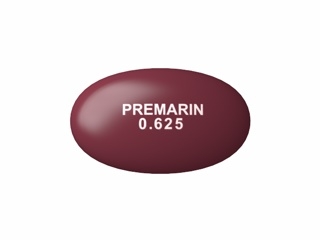

Premarin® (Conjugated Estrogens) — Patient Information (Australia)
Premarin® is a brand of conjugated estrogens, a type of female hormone medicine used to relieve symptoms caused by low estrogen levels. This page explains how Premarin works, what it’s used for, how to take it, key safety considerations, interactions, and what you can expect in Australia.
If you have any questions about your condition or how Premarin fits your treatment plan, speak with a doctor or pharmacist.
1) Basic product information
- Medicine name: Premarin®
- Active ingredient: Conjugated estrogens
- Hormone type: Estrogen therapy
- Common dosage forms (may vary by product strength): tablets and/or other listed forms depending on brand availability
- Therapeutic area: Menopause / hormone therapy
- Availability in Australia: availability can vary by strength and formulation; supply may change over time
Brand formulations and strengths can differ. Always check the specific pack for the strength and instructions.
2) How Premarin works (mechanism of action)
Premarin contains a mixture of naturally occurring estrogen compounds. After taking Premarin, these estrogens are absorbed and help replace hormones your body has less of—particularly around the time of menopause.
Estrogen influences many tissues, including the:
- Vagina and vulva: helps improve dryness, irritation, and pain with sex
- Urogenital tract: may improve urinary symptoms related to low estrogen
- Thermoregulation (brain): can reduce hot flushes and night sweats
- Bone: helps slow bone loss and may reduce fracture risk
- Skin and blood vessels: can improve some changes related to estrogen deficiency
Important: In people with a uterus, estrogen therapy alone may increase the risk of endometrial (uterine lining) overgrowth. That’s why many treatment plans include a progestogen alongside estrogen. Your pharmacist can help explain what applies to your situation based on your regimen.
3) Typical uses and indications
Premarin is used to treat conditions related to estrogen deficiency and menopausal hormone changes. Indications can vary based on individual circumstances and formulation. Common uses include:
- Moderate to severe vasomotor symptoms due to menopause (e.g., hot flushes, night sweats)
- Moderate to severe symptoms of vulvar and vaginal atrophy (genitourinary symptoms such as dryness and discomfort)
- Prevention of postmenopausal osteoporosis in selected patients (when appropriate)
Some uses may also apply in other estrogen-deficiency contexts as determined by clinical assessment. Always follow the guidance provided with your medicine or by your healthcare professional.
4) Dosing and timing (how to take it)
Dosing depends on the reason you’re taking Premarin, your age, symptom pattern, and whether you have a uterus. There are different regimens such as continuous or sequential schedules for estrogen therapy. Your exact dose should match your treatment plan.
General timing tips
- Choose a consistent time each day to improve adherence.
- Take with water and follow the directions on your pack.
- Swallow whole unless your product instructions say otherwise.
- Missed dose: If you miss a dose, take it when you remember on the same day. If it’s close to your next dose, skip the missed dose—don’t double up. Follow package instructions or ask your pharmacist for advice based on your regimen.
Practical example schedules (illustrative)
These are examples only—your prescription label/regimen may differ:
- Continuous combined therapy: estrogen taken daily with a progestogen taken daily or in a planned pattern
- Sequential therapy: estrogen taken daily with a progestogen added for part of the month
5) Pharmacokinetics (how the body handles Premarin)
“Pharmacokinetics” describes how a medicine is absorbed, distributed, metabolised, and eliminated. For conjugated estrogens, key points include:
- Absorption: Estrogens are absorbed in the gastrointestinal tract after oral dosing.
- Metabolism: Estrogens are metabolised primarily in the liver.
- Conjugation and circulation: Estrogen metabolites can undergo conjugation and recirculation (including enterohepatic pathways), which can influence duration of effect.
- Excretion: Metabolites are eliminated mainly via urine and bile/feces.
- Effects and steady levels: Symptom improvement may be noticed within days to weeks, while longer-term outcomes (e.g., bone) may take months.
Individual pharmacokinetics can vary due to liver function, gut absorption, medication interactions, and genetic differences affecting drug metabolism.
6) Onset of effect and what to expect
Many people take Premarin to relieve menopausal symptoms. Typical timelines:
- Hot flushes/night sweats: may improve within 1–4 weeks for some people
- Vaginal dryness and discomfort: may improve within several weeks, sometimes longer for best effect
- Bone protection: changes develop over months to years
The goal is to use the lowest effective dose for the shortest appropriate duration based on ongoing symptom assessment.
7) Food interactions
Food can affect absorption of some medicines. For Premarin, the interaction profile is not typically characterised as requiring strict food restriction, but consistency matters.
- General advice: take Premarin in the same way each day (with or without food) to maintain predictable absorption.
- Grapefruit: grapefruit products can alter metabolism of certain medicines; it’s best to discuss grapefruit with your pharmacist, especially if you take other medications metabolised by the liver.
- High-fat meals: may change absorption rate for some oral medicines. If you notice nausea or reduced tolerability, ask whether taking at a different time or with food is suitable.
Always refer to the product label for the specific instructions that apply to your formulation.
8) Alcohol and medicine interactions
Alcohol does not usually have a direct “antidote-like” interaction with estrogens, but there are important practical considerations.
- Alcohol and side effects: alcohol may worsen side effects such as nausea, headaches, dizziness, or sleep disruption, which can overlap with estrogen therapy effects.
- Liver health: both estrogen and heavy alcohol intake can affect the liver. If you have liver disease, your clinician should determine whether estrogen therapy is appropriate.
- Risk factors: alcohol use can contribute to cardiovascular and cancer risk factors indirectly (e.g., via blood pressure, weight, and overall health). Discuss your alcohol intake if you have risk factors.
As a general approach, moderate alcohol intake is often compatible with estrogen therapy, but individual safety depends on your medical history and other medications.
9) Medicine interactions (important)
Conjugated estrogens can interact with other medicines, potentially affecting estrogen levels and side-effect risks. This is especially important if you take medicines that affect liver enzymes (drug metabolism).
Medicines that may increase estrogen clearance (reduce effect)
- Enzyme inducers (examples may include some seizure medicines, certain antibiotics such as rifampicin, and some herbal products such as St John’s wort)
Medicines that may increase estrogen levels (increase side effects)
- Enzyme inhibitors can sometimes raise estrogen concentrations, increasing the likelihood of side effects.
Other relevant interactions
- Thyroid medicines: estrogen can affect thyroid-binding proteins; your thyroid function tests may need adjustment if you take levothyroxine.
- Blood thinners (anticoagulants): interactions vary by agent; estrogen may affect coagulation status. Do not change warfarin/anticoagulant dosing without medical advice.
- Diabetes medicines: estrogen can alter glucose tolerance in some people; monitoring may be needed.
Herbal supplements and “natural” products
- Be cautious with supplements that claim hormone effects or act on the liver enzymes.
- Always mention supplements to your pharmacist, including St John’s wort and other herbal products.
Before starting Premarin, tell your healthcare professional about all medicines you take—prescription, over-the-counter, and supplements.
10) Safety profile and when to seek urgent help
Like all medicines, Premarin can cause side effects. Many are mild, but some symptoms may indicate serious complications that require urgent medical attention.
Common or expected side effects
- Nausea, bloating
- Headache
- Breast tenderness
- Vaginal spotting or breakthrough bleeding (more likely during early therapy or with certain regimens)
- Fluid retention or mild swelling
- Mood changes
Serious risks (watch for warning signs)
Estrogen therapy—especially when used for longer durations or in higher doses—may increase risks for certain conditions in susceptible individuals. The risk profile is influenced by age, history, dose, route, and overall health.
- Blood clots (venous thromboembolism) — seek urgent care if you develop:
- Sudden shortness of breath
- Chest pain
- Unilateral leg swelling or pain
- Stroke — seek urgent care if you notice:
- Sudden weakness or numbness on one side
- Difficulty speaking
- Sudden vision changes
- Severe sudden headache
- Endometrial (uterine lining) changes — contact your clinician promptly if you experience:
- Unexplained or persistent vaginal bleeding
- Bleeding after a prolonged period of no bleeding
- Severe allergic reaction — seek urgent care for:
- Swelling of face/lips
- Difficulty breathing
- Hives or rash with breathing symptoms
Who should be cautious or avoid estrogen therapy
Your suitability depends on personal and family history. Factors that may require careful assessment include:
- History of blood clots or stroke
- Known or suspected estrogen-dependent cancers
- Unexplained vaginal bleeding
- Certain liver disorders
- Uncontrolled high triglycerides or other significant metabolic conditions
This list isn’t exhaustive. Your pharmacist or doctor can help review your risk factors.
11) Practical use tips for better outcomes
- Start with a clear plan: know why you’re taking Premarin (hot flushes, vaginal symptoms, bone protection, etc.).
- Use the lowest effective dose: your clinician may adjust dose over time based on symptom control.
- Keep track of symptoms: note hot flush frequency, bleeding changes, and side effects during the first 1–3 months.
- Attend routine checks: periodic reviews are important to reassess benefits and risks.
- Report bleeding changes: any unusual bleeding should be discussed promptly.
- Breast awareness: keep up with recommended screening and report persistent lumps, skin changes, or nipple discharge.
- Support lifestyle factors: regular weight-bearing exercise, adequate calcium/vitamin D, and not smoking all support overall menopause health.
12) Alternative options
Not everyone needs systemic estrogen therapy. Depending on symptoms and risk factors, alternative options may include:
For hot flushes and night sweats
- Other forms of hormone therapy: different estrogen preparations or schedules
- Non-hormonal options: certain prescription therapies may help vasomotor symptoms (your clinician can advise)
- Lifestyle strategies: cooling techniques, weight management, smoking cessation, and limiting triggers
For vaginal dryness and discomfort (genitourinary symptoms)
- Local vaginal estrogen preparations (lower systemic exposure for many people)
- Non-hormonal vaginal moisturisers/lubricants
- Pelvic floor and sexual health support (as appropriate)
For bone health
- Other osteoporosis treatments may be considered depending on fracture risk
- Calcium, vitamin D, exercise
The “best” alternative depends on your symptoms, medical history, and preferences. A pharmacist can discuss what options are generally considered and what questions to ask your clinician.
13) Australia market and legal context (overview)
In Australia, hormone medicines are regulated under the national medicines framework and quality standards. Availability can differ depending on formulation and prescriber/dispensing requirements. Local prescribing and supply processes may vary by strength and product form.
For consumer safety, medicines must meet Australian regulatory requirements for quality, safety, and effectiveness. Your healthcare professional can confirm whether Premarin is the most suitable option for your circumstances.
Recent guidance (general themes):
- Ongoing focus on using the lowest effective dose and shortest duration necessary to control symptoms.
- Regular individual assessment of benefits versus risks, particularly for cardiovascular and thrombotic risk.
- Careful management of uterus-related risk, including need for a progestogen for those who have not had a hysterectomy (where appropriate).
Clinical guidance evolves as new evidence becomes available. Your pharmacist can help ensure you receive up-to-date advice for your situation.
14) Delivery and availability (online pharmacy)
Availability of Premarin can vary due to manufacturing schedules and demand. When ordering online, you should expect:
- Checking stock: we may confirm availability by strength and dosage form before dispatch.
- Delivery times: depend on your location and the shipping option selected.
- Product packaging: you will receive the labelled product that matches your order.
- Cold-chain: most estrogen tablets do not require cold storage; follow the pack instructions.
If your preferred strength is out of stock, a pharmacist may discuss alternative equivalent options (if suitable) or a re-stocking timeframe.
15) FAQs
What is Premarin used for?
Premarin (conjugated estrogens) is used to treat symptoms related to low estrogen levels, most commonly around menopause—such as hot flushes/night sweats and vaginal symptoms. It may also be used for selected bone health indications.
How long does it take to work?
Some people notice improvement in hot flushes within 1–4 weeks. Vaginal symptoms may take several weeks or longer. Bone-related benefits develop over months and years.
Can I take Premarin with food?
In general, you can take it consistently as directed on the pack (with or without food). If you experience stomach upset, ask whether taking it with food is appropriate for your formulation.
What should I do if I miss a dose?
Take it when you remember on the same day. If it’s nearly time for the next dose, skip the missed dose. Do not double the dose. For your specific regimen, ask a pharmacist if you’re unsure.
Do I need a progestogen with Premarin?
If you have a uterus, estrogen alone can increase endometrial risk. Many people require a progestogen as part of their regimen. Your healthcare professional can advise based on your personal history.
Are there alcohol interactions?
Moderate alcohol usually isn’t a direct interaction, but alcohol can worsen some side effects (like nausea or headaches) and may be relevant to liver health. Discuss your intake if you have liver conditions or other risk factors.
What medicines commonly interact with estrogen?
Medicines that affect liver enzymes can alter estrogen levels. Examples include certain seizure medicines and antibiotics (like rifampicin). Herbal products such as St John’s wort may also affect metabolism. Always check with your pharmacist.
What side effects are most common?
Common effects include nausea, headache, breast tenderness, bloating, and breakthrough bleeding—especially early in treatment.
When should I stop and seek urgent help?
Seek urgent medical care if you develop symptoms of blood clots (e.g., sudden shortness of breath, chest pain, or one-sided leg swelling), stroke (sudden weakness, speech difficulties), or severe allergic reactions.
How should I store Premarin?
Store according to the pack instructions, typically at room temperature, away from moisture and heat. Keep tablets in their original packaging and out of reach of children.
Is Premarin safe for everyone?
Not necessarily. Suitability depends on your health history, risk factors, and the presence of a uterus. A pharmacist or clinician can help assess whether it’s appropriate for you.
Summary
Premarin® (conjugated estrogens) is an oral estrogen medicine used to treat menopausal and estrogen-deficiency symptoms such as hot flushes, night sweats, and vaginal atrophy. Its effects come from replacing estrogen in hormone-sensitive tissues, with benefits that can develop over weeks to months.
Careful dosing, attention to interaction risks, and awareness of warning signs are essential. In Australia, clinical guidance emphasises individual risk assessment and using the lowest effective dose for the shortest appropriate duration.
If you’d like, share your symptom type (hot flushes, vaginal symptoms, or both) and any other medicines you take (including supplements), and a pharmacist can help you check general interaction considerations and practical tips for using Premarin safely.
| Topic | Key patient-friendly notes |
|---|---|
| Active ingredient | Conjugated estrogens |
| Where it helps | Hot flushes/night sweats, vaginal and urogenital symptoms, selected bone protection needs |
| How it works | Replaces estrogen, improving symptoms in hormone-sensitive tissues |
| How it’s handled in the body | Absorbed after oral use; metabolised in the liver; metabolites eliminated largely through urine/bile pathways |
| Food | Generally take consistently as directed; consistency helps predict absorption |
| Alcohol | May worsen side effects and be relevant to liver health in heavy use |
| Interactions | Medicines affecting liver enzymes may change estrogen levels; herbal products like St John’s wort can be relevant |
| Safety focus | Monitor for serious clot/stroke signs; report unusual bleeding promptly |
| Best use approach | Lowest effective dose for the shortest appropriate duration; regular review of benefits vs risks |