
Anastrozole: Patient-Friendly Guide (Australia)
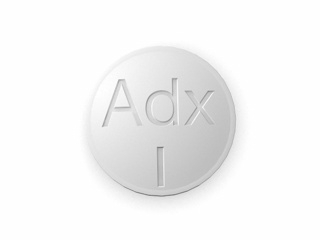
Anastrozole is a medicine used to treat certain hormone-receptor positive breast cancers by lowering oestrogen levels in the body. This guide explains how anastrozole works, how it is taken, what to expect, and important safety considerations for people in Australia. It is written to be easy to read and practical for everyday use.
1. Basic product information
Medicine name: Anastrozole
Common dose forms: Oral tablets (strengths may vary by brand and product availability)
Drug class: Aromatase inhibitor (AI)
Who it may be for: Postmenopausal women and other patients whose treatment plan includes reducing oestrogen activity
(including some men in specific clinical situations).
How it is usually presented
- Tablets taken by mouth once daily.
- Brand names vary; the active ingredient is anastrozole.
- Available through regulated pharmacy supply chains in Australia.
2. What anastrozole does (mechanism of action)
Anastrozole belongs to a group of medicines called aromatase inhibitors. These medicines reduce the production of oestrogen by blocking the aromatase enzyme, which converts androgens (hormone precursors) into oestrogen in many tissues (particularly relevant after menopause).
For hormone-receptor positive breast cancer, many cancer cells rely on oestrogen to grow. By lowering oestrogen levels, anastrozole can help slow cancer growth and reduce the risk of recurrence in appropriate patients.
3. Pharmacokinetics (how the body handles anastrozole)
“Pharmacokinetics” refers to how the medicine is absorbed, distributed, metabolised, and eliminated. Key points include:
- Absorption: Anastrozole is absorbed after oral administration. Peak concentrations typically occur within a short time after dosing.
- Distribution: It distributes throughout the body. It binds moderately to plasma proteins.
- Metabolism: It is metabolised primarily in the liver.
- Elimination: Metabolites are excreted mainly via the kidneys and through the bile/fecal route.
- Steady state: With daily dosing, blood levels reach a steady state after repeated administration.
Individual factors (such as age, liver function, and other medicines) can influence exposure. If you have liver impairment or complex medicine schedules, it’s important your healthcare team reviews your regimen.
4. Typical uses
Anastrozole is used in clinical settings where lowering oestrogen is expected to help. Typical indications include:
- Early breast cancer (hormone receptor positive): commonly used as adjuvant (after surgery) endocrine therapy.
- Advanced or metastatic breast cancer (hormone receptor positive): to help control disease.
- In certain patient groups: your clinician may choose an aromatase inhibitor based on menopausal status and tumour characteristics.
Not all breast cancers respond to oestrogen reduction. Treatment depends on hormone receptor status and overall medical factors.
5. How and when to take anastrozole
A common regimen is once daily oral dosing. For many people, the simplest approach is to take the tablet at the same time each day. Consistency helps maintain steady hormone suppression.
Timing tips
- Choose a daily routine: e.g., morning with breakfast or evening after dinner.
- Keep the timing consistent: daily timing can reduce missed doses.
- If you miss a dose: take it when you remember on the same day. If it is close to the next dose, skip the missed dose.
- Do not double up: doubling can increase side effects without extra benefit.
Missed dose guidance (general)
If you have specific advice from your healthcare professional, follow that plan. If unsure, check your medicine information leaflet or speak with a pharmacist.
6. Food interactions (do you need to take it with food?)
Anastrozole can generally be taken with or without food. Food typically does not require special timing instructions. However, if taking it without food causes nausea or stomach discomfort for you, taking it with a meal may improve tolerability.
- Take as directed: consistency matters more than meal timing.
- Grapefruit and juices: there is no well-known specific requirement to avoid grapefruit for anastrozole, but it’s still wise to discuss large dietary changes with your pharmacist—especially if you take other interacting medicines.
7. Alcohol interactions and practical considerations
Moderate alcohol intake may be tolerated by many people, but alcohol can affect overall health, hydration, mood, and sleep— factors that can influence side effects such as tiredness, headaches, and hot flushes.
Alcohol and medicine safety
- Avoid heavy drinking: it may worsen side effects and strain the liver.
- Be cautious if you have liver issues: since anastrozole is metabolised in the liver, reduce risk by discussing alcohol use with your clinician.
- Watch for increased dizziness or fatigue: if you notice this, reduce alcohol and speak with your healthcare professional.
If you are also taking other medicines (for pain, anxiety, nausea, blood thinning, cholesterol, or heart conditions), check interactions carefully. Alcohol can interact with those medicines even when it has no direct issue with anastrozole.
8. Medicines that may interact with anastrozole
Drug interactions can change how anastrozole works or increase side effects. Always tell your pharmacist or doctor about all medicines you take, including over-the-counter products and herbal supplements.
Common interaction considerations
- Hormone-containing therapies: medicines that include oestrogen (or oestrogen-like products) may reduce the effect of an aromatase inhibitor.
- Strong liver enzyme inducers/inhibitors: medicines that affect liver metabolism can influence anastrozole levels.
- Herbal products: St John’s wort is a notable example of a supplement that may affect metabolism and reduce effectiveness of some therapies.
A pharmacist can quickly check your personal interaction list. If you have multiple medicines, it is helpful to keep a written list with doses and timing.
9. Dosing information
The commonly used adult dose is 1 mg by mouth once daily. Some patients may require different dosing schedules depending on clinical circumstances; always follow the dosing plan given for your situation.
Dose adjustments
- Renal impairment: dosing may be appropriate without changes for many people, but medical review is important.
- Liver impairment: anastrozole exposure may be higher in some cases; your clinician may adjust or monitor closely.
- Paediatric use: generally not used for children; safety and dosing differ by indication and age.
| Topic | General information |
|---|---|
| Typical adult dose | Often 1 mg once daily (tablet taken by mouth) |
| Frequency | Once daily |
| With or without food | Usually either is acceptable |
| Missed dose | Take when remembered same day; if near next dose, skip—don’t double |
| Duration | Depends on cancer stage and treatment plan; may be long-term |
10. Safety profile and side effects
Like all medicines, anastrozole can cause side effects. Many are manageable, and symptoms often lessen over time. Knowing what to expect helps you act early if issues arise.
Common side effects
- Hot flushes (temporary increase in body heat)
- Joint and muscle aches (arthralgia)
- Headache
- Fatigue
- Vaginal dryness or discomfort
- Sleep changes
- Skin changes such as rash in some people
Bone health concerns
Because aromatase inhibitors lower oestrogen, they can contribute to bone thinning (reduced bone mineral density) and increased risk of osteoporosis and fractures. Bone health monitoring is an important part of care.
- Your clinician may recommend a baseline and follow-up bone density scan.
- Calcium and vitamin D intake may be advised.
- Weight-bearing exercise may help support bone strength.
Less common but important side effects
- Blood count changes (usually monitored in clinical care when appropriate)
- Liver function abnormalities (periodic testing may be considered)
- Swelling or persistent pain that warrants assessment
- Severe allergic reactions are rare but require urgent medical attention
When to seek urgent help
Seek urgent medical advice or emergency help if you experience signs of a serious allergic reaction (for example, swelling of the face/lips, trouble breathing), chest pain, severe shortness of breath, or severe weakness. If you have concerns about persistent or worsening symptoms, contact a healthcare professional promptly.
11. Practical use tips for day-to-day life
Many people find that small routines and supportive strategies can make anastrozole therapy more comfortable. Below are practical tips that commonly help.
Managing hot flushes
- Dress in layers and use a fan when needed.
- Limit triggers such as hot drinks, alcohol, spicy foods, and smoking.
- Practice paced breathing or relaxation techniques during a flush.
Reducing joint pain (arthralgia)
- Gentle stretching and regular low-impact exercise (walking, cycling, swimming) may help.
- Heat packs or warm showers can ease stiffness.
- Discuss pain options with your pharmacist or clinician—some medicines may be safe, but choice matters.
Supporting bone health
- Ensure adequate calcium intake through diet or supplements if recommended.
- Consider vitamin D as advised.
- Complete weight-bearing activities (and resistance training if appropriate).
- Avoid smoking and excessive alcohol.
Vaginal dryness and comfort
- Use non-hormonal moisturisers and lubricants if appropriate.
- Discuss symptoms with your healthcare professional; effective options exist.
Adherence (taking it consistently)
- Set a daily reminder on your phone or medication app.
- Keep tablets in their original packaging and at recommended temperatures.
- If you travel, carry enough tablets for the entire trip plus extra in case of delays.
12. Alternative options (what else might be used?)
Treatment decisions are highly individual. If anastrozole is not suitable due to side effects, intolerance, or other factors, clinicians may consider alternative endocrine strategies. Possible alternatives include:
- Other aromatase inhibitors: e.g., letrozole or exemestane (depending on the situation).
- Selective oestrogen receptor modulators (SERMs): e.g., tamoxifen in appropriate patients.
- Oestrogen receptor downregulators (where applicable): selected therapies may be considered.
- Oestrogen suppression or ovarian suppression strategies: for pre/peri-menopausal situations based on clinical plan.
- Supportive medications for side effect management: such as bone-protective treatments when indicated.
Only your treating team can determine which option fits your diagnosis, menopausal status, and overall medical history.
13. Market and legal context for Australia
In Australia, medicines are supplied through community and hospital pharmacies under the Australian regulatory and scheduling framework. Supply and use are guided by approved indications, safety information, and prescribing/dispensing rules. Online pharmacies operate within these requirements and must follow applicable laws around verification and dispensing.
If you are purchasing through an online pharmacy, ensure the website displays relevant Australian pharmacy and compliance information, and that products are supplied from legitimate, approved channels. Always keep your medicines in the original packaging.
14. Recent guidance and monitoring considerations (general)
Clinical guidance for endocrine therapy in breast cancer continues to evolve. Current practice commonly emphasises:
- Appropriate selection based on hormone receptor status and menopausal status.
- Ongoing safety monitoring, particularly for bone health and cardiovascular risk factors.
- Managing symptoms such as arthralgia, hot flushes, vaginal dryness, and sleep changes early.
- Medication review to reduce interactions and support adherence.
Your clinician may adjust your monitoring schedule (e.g., bone density tests, blood tests, and review appointments) based on your personal risk profile.
15. Delivery and availability in Australia
Availability can vary depending on brand, pack size, and stock levels. Many online pharmacies in Australia offer:
- Clear product listings with active ingredient and strength.
- Secure online ordering and confirmation steps.
- Delivery options that may include standard and express shipping.
- Discreet packaging for privacy.
Delivery timeframes depend on your location and dispatch schedule. If you have an urgent need to avoid missing doses, check stock status and estimated dispatch times before ordering.
16. Storage and handling
- Store tablets at the temperature recommended on the pack.
- Keep them in the original container to protect from moisture and light.
- Keep out of reach of children.
- Do not use tablets past the expiry date.
17. FAQ about anastrozole
How long will I need to take anastrozole?
The duration depends on your diagnosis, stage, and overall treatment plan. Many patients take it for an extended period as part of endocrine therapy. Your healthcare professional will advise the best course for you.
Can I take anastrozole at night?
Yes, many people take it at night if it fits their routine. The key is taking it consistently at the same time each day. If night dosing affects sleep or causes vivid dreams, consider switching to morning and discuss persistent issues with your pharmacist.
Is it safe to take anastrozole with food?
Generally, yes. Anastrozole can usually be taken with or without food. Choose the option that helps you tolerate it best.
What should I do if I accidentally miss a dose?
If you remember on the same day, take it when you can. If it’s close to the next dose, skip the missed dose. Do not take two doses to make up for the one you missed.
Will anastrozole cause weight gain?
Some people experience changes in weight, but weight gain is not universal. Hot flushes, reduced activity due to joint pain, fatigue, and lifestyle changes can influence weight. Maintaining a balanced diet and gentle activity can help, and your clinician can advise tailored strategies.
Does anastrozole affect bone density?
It can. Lowering oestrogen levels may reduce bone mineral density over time. Bone monitoring and preventive measures (such as calcium/vitamin D, exercise, and bone-protective treatments when indicated) are often part of long-term management.
Can I stop anastrozole if I feel well?
Endocrine therapy is commonly planned as a long course. Stopping early can reduce the benefit of treatment. If you want to stop or change treatment due to side effects or personal reasons, discuss it with your healthcare professional first.
Are there any herbal supplements I should avoid?
Some supplements may interact with medicines. For example, products containing St John’s wort may affect metabolism and reduce effectiveness. Always check with a pharmacist before starting herbal supplements.
What can I do about joint pain?
Joint pain may be manageable with exercise, stretching, heat, and supportive care. If pain persists or becomes severe, talk to your pharmacist or clinician, as there may be options to improve comfort while maintaining treatment.
Can I drink alcohol while taking anastrozole?
Moderate alcohol may be tolerated for many people, but it can worsen some side effects and affect overall health. If you have liver concerns or take other medicines, seek advice for your specific situation.
Do I need regular blood tests?
Monitoring varies by individual risk factors and treatment context. Your clinician may monitor bone health and other health markers, and may review liver function if indicated.
18. Summary
Anastrozole is an aromatase inhibitor that lowers oestrogen levels by blocking oestrogen production in the body. It is used for hormone receptor positive breast cancer in appropriate patients and is typically taken once daily. Food usually does not significantly affect it, and practical strategies—especially for bone health and symptom management—can make therapy easier to manage.
If you have questions about your specific dosing schedule, side effects, or interactions with other medicines, speak with your pharmacist or healthcare professional.